.webp&w=384&q=75)

Loading, please wait...
Loading, please wait...
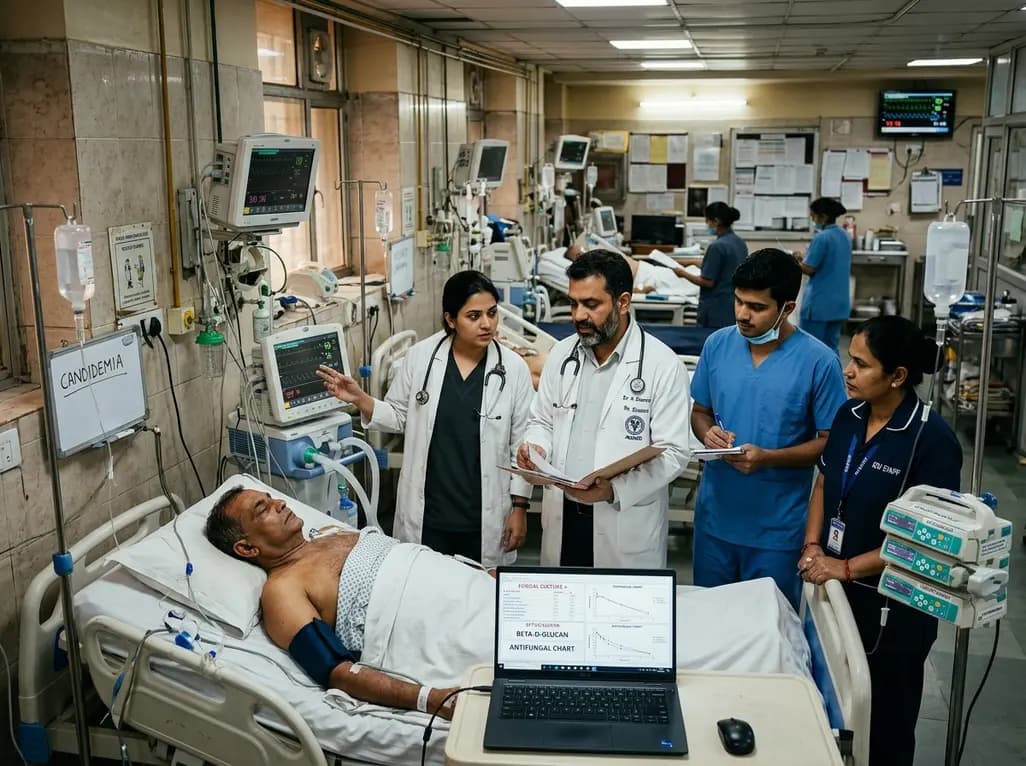
Managing invasive candidiasis in ICU patients presents an enduring clinical challenge for intensivists and infectious disease specialists worldwide. Critically ill individuals frequently present with complex physiological derangements, multi-organ dysfunction, and altered host immunity. Because clinical signs of fungal sepsis closely mirror bacterial infections, differentiating true deep-seated fungal infection from simple mucocutaneous colonization remains difficult. Consequently, clinicians often struggle between the fear of undertreating a lethal infection and the risk of driving antimicrobial resistance through unnecessary empiric antifungal use. Establishing an early, accurate diagnosis alongside individualized therapeutic protocols is paramount to improving survival curves and safeguarding our existing antifungal armamentarium.
The epidemiology of fungal infections across intensive care units has shifted considerably over recent decades. Although Candida albicans historically accounted for the overwhelming majority of isolations, non-albicans species, including Candida glabrata, Candida parapsilosis, and the multidrug-resistant Candida auris, now represent a major fraction of critical infections. Major predisposing risk factors include prolonged stays in critical care, central venous catheterization, broad-spectrum antibacterial therapy, total parenteral nutrition, and recent major gastrointestinal surgery. Furthermore, severe immunosuppression, renal replacement therapies, and prolonged mechanical ventilation significantly amplify host vulnerability. Recognizing patient-specific risk profiles allows clinicians to stratify vulnerable cohorts effectively without resorting to indiscriminate prophylactic drug administration across the general intensive care unit population.
Diagnostic stewardship serves as a foundational pillar in the modern management of fungal infections. Standard blood cultures remain the diagnostic gold standard, yet their clinical sensitivity hovers around fifty percent and turnaround times frequently cause unacceptable delays. Therefore, clinicians must incorporate non-culture-based diagnostics, such as serum (1,3)-beta-D-glucan assays, T2Candida magnetic resonance, and targeted polymerase chain reaction assays. However, surrogate biomarkers cannot function in absolute isolation because false positives frequently arise from beta-lactam infusions, surgical gauze exposure, or albumin administration. Intensivists must carefully interpret biomarker kinetics alongside host colonization indices and hemodynamic parameters, ensuring these tests guide treatment decisions rather than serve as solitary prompts for immediate drug initiation.
Eradicating the anatomical focus of fungal infection remains just as vital as selecting appropriate pharmacological agents. In cases of catheter-related bloodstream infections, prompt removal or exchange of indwelling central venous lines significantly curtails persistent fungemia, reduces metastatic seeding, and lowers overall mortality rates. Similarly, intra-abdominal candidiasis resulting from bowel perforation, anastomotic dehiscence, or necrotizing pancreatitis demands aggressive surgical debridement and adequate percutaneous drainage. Delaying necessary interventional source control while escalating systemic antifungal dosages invariably leads to therapeutic failure. Critical care teams must maintain seamless multidisciplinary collaboration between surgeons, interventional radiologists, and critical care physicians to achieve timely anatomical source eradication.
Initial systemic antifungal therapy requires rapid, pathogen-directed, or guideline-recommended empiric deployment. Echinocandins, such as anidulafungin, caspofungin, and micafungin, serve as primary front-line empiric agents for hemodynamically unstable patients due to their broad fungicidal activity and favorable safety profile. Fluconazole remains an effective step-down alternative once species identification and susceptibility profiles demonstrate susceptibility in clinically stable patients. Moreover, emerging antifungal classes, including novel glucan synthase inhibitors and first-in-class triterpenoids, offer promising options against recalcitrant pathogens like multidrug-resistant Candida auris. Tailoring antifungal selection based on institutional antibiograms, previous azole exposure, and organ-specific toxicity profiles guarantees optimal therapeutic precision.
Pathophysiological changes unique to critical illness substantially disrupt standard antifungal pharmacokinetics. Capillary leak syndromes, extensive fluid resuscitation, altered protein binding, and renal replacement modalities frequently lead to subtherapeutic drug concentrations. Furthermore, patients supported with extracorporeal membrane oxygenation encounter significant drug sequestration within circuits, complicating standard dosing regimens. Employing therapeutic drug monitoring for azole compounds, alongside aggressive loading doses for echinocandins and liposomal amphotericin B formulations, helps navigate these dynamic physiological shifts. Dosing strategies must undergo continuous reassessment throughout the patient journey to ensure therapeutic targets are maintained without precipitating unexpected organ toxicities.
The primary diagnostic challenge is differentiating true invasive disease from asymptomatic mucosal colonization. Traditional blood cultures demonstrate limited sensitivity and substantial diagnostic delays. Therefore, clinicians must synthesize clinical risk factors, microbiological findings, and non-culture biomarkers to confirm active systemic disease before initiating prolonged antifungal regimens.
Prompt source control removes the physical reservoir of fungal replication and biofilm formation. Retaining colonized central lines or delaying surgical drainage of infected intra-abdominal collections perpetuates fungemia, accelerates organ failure, and significantly increases mortality despite adequate systemic antifungal coverage.
Critical illness induces capillary leak, expanded volume of distribution, altered hepatic metabolism, and variable drug clearance during dialysis or extracorporeal life support. These fluctuations frequently cause subtherapeutic drug exposures, necessitating adjusted loading doses, careful maintenance titration, and regular therapeutic drug monitoring.
Disclaimer: This content is for informational and educational purposes only and is not intended to serve as direct medical advice. Clinical decisions must rely on comprehensive evaluations by qualified healthcare professionals and individual patient assessments. Refer to the latest local and national guidelines for clinical practice.
References
Martin-Loeches I et al. Invasive candidiasis in the Intensive Care unit: diagnostic stewardship, source control, and precision antifungal therapy. Expert Rev Anti Infect Ther. 2026 Aug 29. doi: 10.1080/14787210.2026.2726965. PMID: 42667299.
Pappas PG et al. Clinical Practice Guideline for the Management of Candidiasis: 2016 Update by the Infectious Diseases Society of America. Clin Infect Dis. 2016;62(4):e1-50.
Bassetti M et al. Management of invasive candidiasis and candidemia in adult non-neutropenic intensive care unit patients: A consensus opinion of an international panel of experts. Intensive Care Med. 2021;47(11):1195-1214.

Read summarized clinical updates, watch expert medical content, and earn CME certifications right from your smartphone.
Open your smartphone camera to scan and install.





Invasive candidiasis poses severe diagnostic and therapeutic hurdles in the ICU. Discover essential insights on diagnostic stewardship, rapid biomarker interpretation, meticulous source control, and tailored pharmacokinetic dosing to optimize critically ill patient outcomes and preserve antifungal efficacy.
4 weeks back

Targeting ferroptosis provides a compelling strategy to dismantle hypoxia- and acidosis-driven immunosuppression in solid tumors, enhancing response to modern immunotherapy.
Today

Findings from Project Viva indicate that sustained postpartum weight retention, rather than excessive gestational weight gain alone, directly worsens women's mid-life cardiovascular health, degrading blood pressure and glycemic parameters decades after delivery.
Today
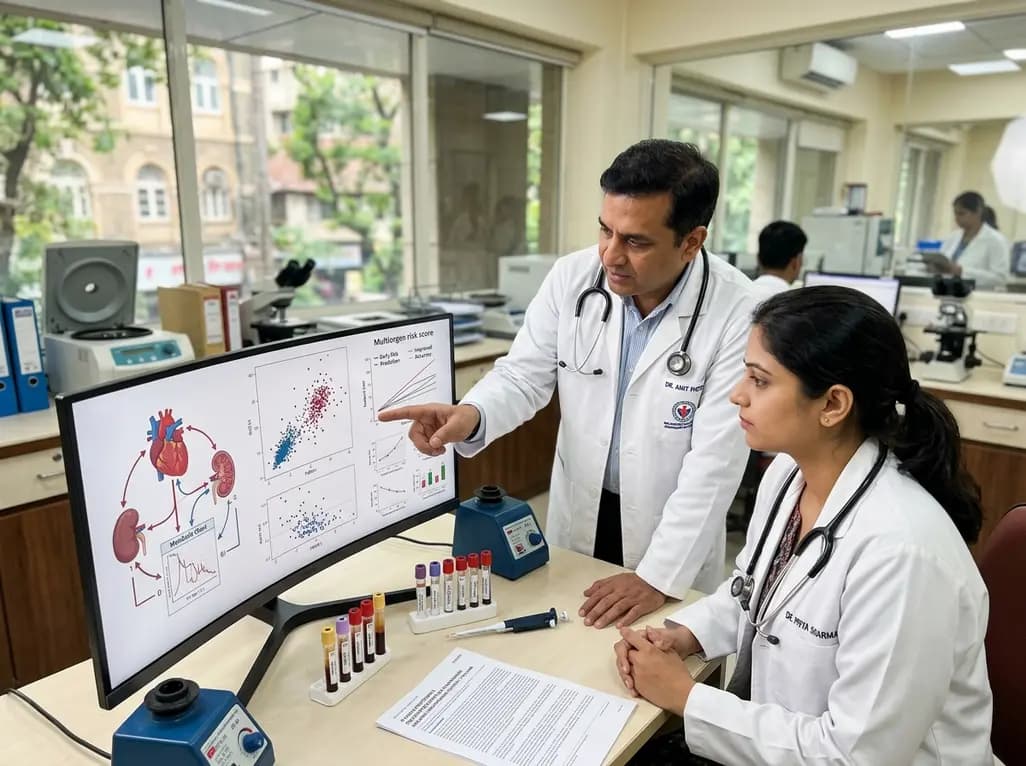
A large UK Biobank study reveals that plasma proteomic signatures capture preclinical organ damage and improve multiorgan risk prediction across early CKM syndrome stages 0 to 2 beyond traditional PREVENT clinical models.
Today

A retrospective CBCT study reveals that superior TMJ space asymmetry correlates moderately with occipital condyle-atlas-axis asymmetry in unilateral TMJ osteoarthritis, highlighting an imaging correlate between jaw biomechanics and upper cervical alignment rather than a standalone diagnostic marker.
Today

A Bayesian multilevel meta-analysis reveals that aerobic training combined with moderate carbohydrate restriction modestly lowers HbA1c in type 2 diabetes. However, sparse data and very low certainty leave incremental benefits over exercise or diet alone unproven, highlighting the need for individualized care.
Today
