.webp&w=384&q=75)

Loading, please wait...
Loading, please wait...
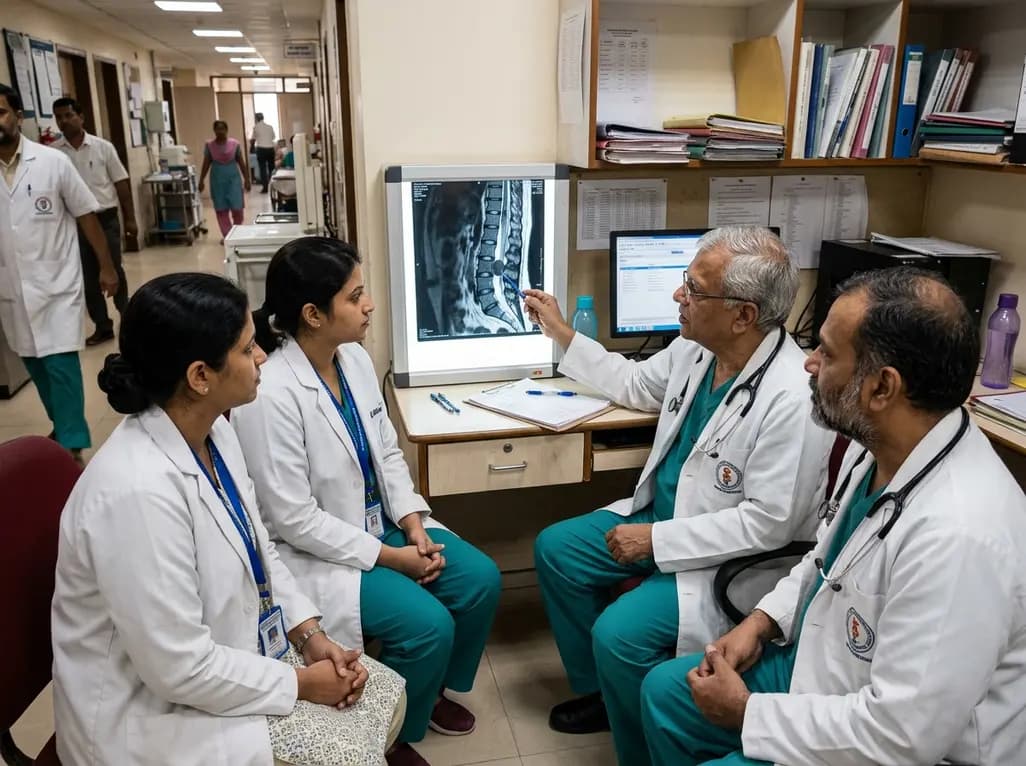
The management of intramedullary spinal cord tumors in geriatric patients presents a unique clinical dilemma for neurosurgeons and multidisciplinary care teams. Historically, advanced chronological age often deterred aggressive surgical intervention due to perceived poor physiological reserve and high surgical morbidity. However, contemporary neurosurgical paradigms have shifted remarkably toward individualized, functional decision-making. Today, clinicians recognize that intramedullary spinal cord tumors require a nuanced balance between achieving optimal oncological control and preserving baseline neurological function. As the global population ages, spine specialists encounter older adults with spinal cord lesions more frequently. Consequently, establishing evidence-based protocols that evaluate patient-specific biology rather than age alone has become essential. Through meticulous patient selection, advanced neuroimaging, and modern microsurgical techniques, elderly individuals can achieve favorable long-term clinical and functional outcomes.
Diagnosing intramedullary lesions in patients aged sixty-five and older remains inherently challenging. Often, early clinical manifestations develop insidiously and mimic common degenerative cervical or lumbar spondylotic myelopathy. For instance, patients frequently describe vague sensory dysesthesias, progressive numbness, asymmetric gait imbalance, and diffuse axial pain. Because clinicians often attribute these symptoms to age-related degenerative spine disease, significant diagnostic delays frequently occur. Unfortunately, this prolonged prodromal phase allows the neoplastic lesion to expand intramedullary compartments, causing insidious mechanical compression and ischemic compromise of neural pathways.
By the time neuroimaging is obtained, older individuals frequently present with advanced, irreversible motor deficits or sphincter dysfunction. High-resolution magnetic resonance imaging with gadolinium contrast serves as the definitive diagnostic tool to differentiate intramedullary spinal neoplasms from demyelinating plaques, vascular malformations, or transverse myelitis. Furthermore, imaging assists in evaluating tumor boundaries, associated peritumoral edema, and secondary syrinx formation. Therefore, clinicians must maintain a high index of suspicion whenever elderly patients present with atypical myelopathy or rapid neurological decline. Early detection directly prevents severe neurological deterioration and preserves crucial ambulatory capacity.
In modern neuro-oncology, relying solely on chronological age to dictate surgical candidacy is fundamentally outdated. Instead, comprehensive preoperative evaluation must center on objective frailty scoring and physiological reserve. Frailty reflects a cumulative multisystem decline that elevates vulnerability to perioperative stressors and complications. Consequently, validated instruments such as the modified Frailty Index or the Hospital Frailty Risk Score provide superior predictive accuracy for surgical outcomes compared to age metrics alone.
Moreover, assessing pre-existing cardiopulmonary comorbidities, nutritional status, baseline cognitive reserve, and independent functional performance allows surgical teams to tailor interventions effectively. For fit older adults without severe frailty, aggressive intervention offers durable tumor control and neurological stabilization. Conversely, frail patients face significantly higher risks of prolonged hospitalization, intensive care unit admission, surgical site infection, and respiratory compromise. Therefore, multidisciplinary collaboration involving neurosurgeons, geriatricians, anesthesiologists, and physiatrists is vital during the preoperative phase. Prehabilitation programs, including nutritional optimization and targeted physical conditioning, can also help mitigate modifiable frailty risks before major surgery. Ultimately, this individualized risk stratification ensures that surgical selection aligns with meaningful survival and functional independence.
The definitive treatment paradigm for intramedullary spinal cord tumors hinges primarily on tumor histology, anatomical demarcation, and baseline neurological status. Gross total resection represents the gold standard surgical objective for well-circumscribed neoplasms, most notably ependymomas and hemangioblastomas. When surgeons establish a clear dissection plane between the tumor capsule and functional spinal cord parenchyma, complete microdissection minimizes recurrence while protecting vital tracts.
However, an entirely different tactical approach is required for infiltrative lesions, such as diffuse astrocytomas or malignant gliomas. In these challenging cases, attempting aggressive resection often leads to severe, permanent neurological morbidity due to parenchymal disruption. Therefore, maximal safe debulking or tissue biopsy combined with dorsal column decompression is preferred. This cautious strategy alleviates mass effect while preserving residual motor and sensory function. Additionally, surgeons must choose appropriate osteoplastic laminoplasty or fusion constructs to prevent progressive post-laminectomy kyphotic deformity. Because older spines frequently harbor pre-existing degenerative instability, biomechanical preservation remains paramount during surgical exposure. Thus, tailoring the resection margin to the pathological entity safeguards the delicate equilibrium between oncological radicality and functional longevity.
Executing safe intramedullary surgery in elderly patients demands sophisticated intraoperative neurophysiological monitoring. Real-time assessment utilizing motor evoked potentials, somatosensory evoked potentials, and D-wave recordings provides continuous functional feedback to the operating surgeon. Specifically, stable D-wave amplitudes reliably predict preserved long-term motor outcomes, guiding the aggressive resection of well-demarcated lesions. If significant signal degradation occurs, the surgical team can immediately halt dissection, administer warm irrigation, or modify traction.
Furthermore, meticulous microsurgical technique minimizes iatrogenic parenchymal trauma within an already vulnerable, aged spinal cord. Surgeons utilize gentle midline myelotomy along the posterior median sulcus to access the lesion while avoiding direct traction on the posterior columns. Additionally, ultrasonic aspirators, fine micro-bipolar cautery, and laser tools facilitate precise internal debulking prior to capsule dissection. Hemostasis must remain pristine to avoid postoperative hematoma expansion or chemical arachnoiditis. Consequently, combining advanced neuro-monitoring modalities with refined microsurgical methods allows neurosurgeons to navigate complex intramedullary corridors safely, even in patients with marginal physiological baseline reserve.
The application of adjuvant therapy for spinal cord tumors in elderly individuals remains controversial and requires careful individualized evaluation. While complete surgical resection of benign ependymomas obviates the need for adjuvant intervention, high-grade or progressive infiltrative tumors may warrant adjuvant radiotherapy. However, older neural tissue displays increased sensitivity to radiation-induced myelopathy, vascular hyalinization, and radionecrosis. Therefore, clinicians must utilize modern precision techniques, such as stereotactic radiosurgery or intensity-modulated radiation therapy, to minimize collateral toxicity to healthy cord parenchyma.
Simultaneously, aggressive postoperative neuro-rehabilitation plays an indispensable role in functional recovery. Older adults often suffer from transient postoperative sensory ataxia or dorsal column dysfunction following posterior myelotomy. Dedicated inpatient rehabilitation programs that emphasize proprioceptive training, gait re-education, occupational therapy, and bladder management significantly improve independence. Furthermore, pain specialists must address central neuropathic pain and spasticity through multimodal pharmacotherapy. In summary, post-treatment success relies not only on technical surgical skill but also on coordinated oncological vigilance and early, intensive rehabilitation tailored to the elderly patient.
The primary goal is achieving gross total resection for well-demarcated neoplasms, such as ependymomas, while preserving neurological function. Conversely, for infiltrative tumors like astrocytomas, surgeons prioritize maximal safe debulking to decompress the spinal cord without causing new, permanent motor or sensory deficits.
Chronological age alone does not reflect biological resilience or physiological reserve. Assessing frailty evaluates comorbidity burden, functional independence, and nutritional status. Consequently, frailty scoring accurately predicts perioperative complication risks, guiding personalized surgical selection and optimizing postoperative outcomes in elderly individuals undergoing complex spine procedures.
Adjuvant radiation therapy is reserved for malignant, high-grade, or recurrent intramedullary tumors where complete resection is unachievable. Because older spinal cord tissue is vulnerable to radiation damage, clinicians employ targeted techniques like stereotactic radiosurgery to maximize tumor control while minimizing adjacent neural injury.
Disclaimer: This content is for informational and educational purposes only and does not constitute medical advice, diagnosis, or treatment. Healthcare professionals should exercise their independent clinical judgment. Refer to the latest local and national guidelines for clinical practice.
References

Read summarized clinical updates, watch expert medical content, and earn CME certifications right from your smartphone.
Open your smartphone camera to scan and install.





Managing intramedullary spinal cord tumors in patients over 65 requires balancing oncological control with functional preservation. Objective frailty assessments, careful tumor debulking or resection, and early rehabilitation are essential for achieving optimal surgical outcomes in elderly individuals.
last month

A systematic review of 41 preclinical studies reveals that baicalin dampens systemic inflammation, inhibits NF-κB and NLRP3 pathways, and improves organ preservation in sepsis models. However, substantial study heterogeneity and a complete lack of human clinical trials highlight the need for further translational research.
Today
Discover the crucial distinctions between mesonephric and mesonephric-like proliferations of the female genital tract. Learn the key histomorphologic, immunohistochemical, and molecular differences essential for accurate diagnosis and clinical management.
Today
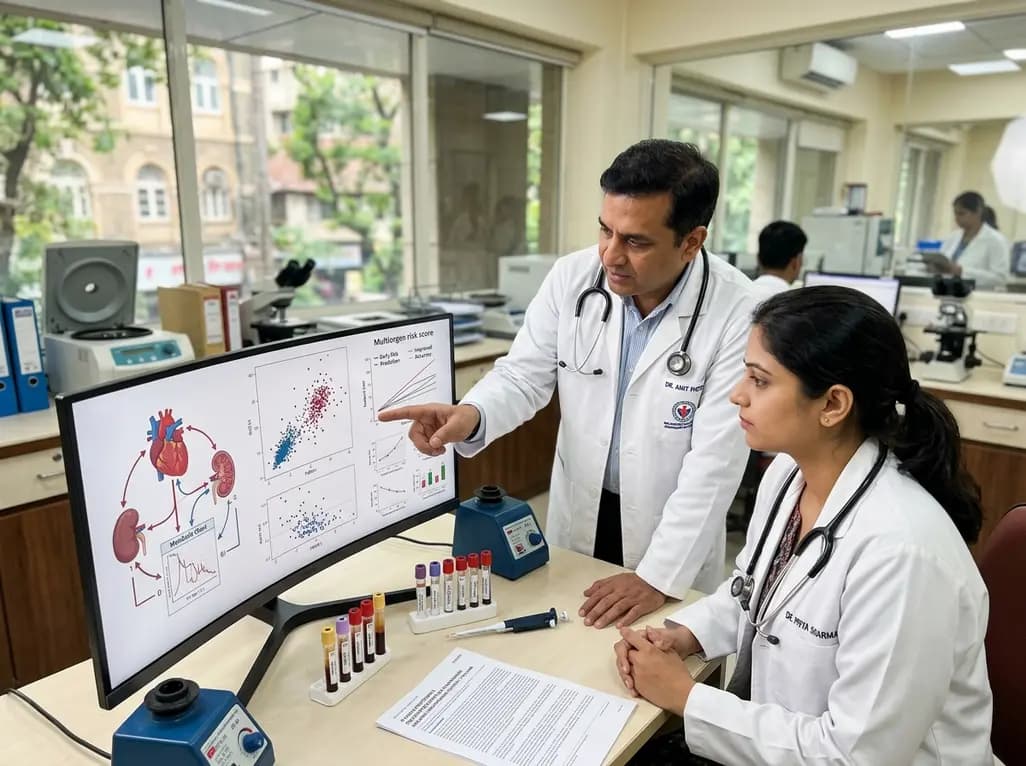
A large UK Biobank study reveals that plasma proteomic signatures capture preclinical organ damage and improve multiorgan risk prediction across early CKM syndrome stages 0 to 2 beyond traditional PREVENT clinical models.
Today
A narrative review investigates whether the articularis genus muscle functions as an independent anatomical entity or blends with the vastus intermedius. We evaluate its morphology, role in retracting the suprapatellar bursa, and direct clinical significance in anterior knee pain and arthroplasty.
Today

A Bayesian multilevel meta-analysis reveals that aerobic training combined with moderate carbohydrate restriction modestly lowers HbA1c in type 2 diabetes. However, sparse data and very low certainty leave incremental benefits over exercise or diet alone unproven, highlighting the need for individualized care.
Today
