.webp&w=384&q=75)

Loading, please wait...
Loading, please wait...
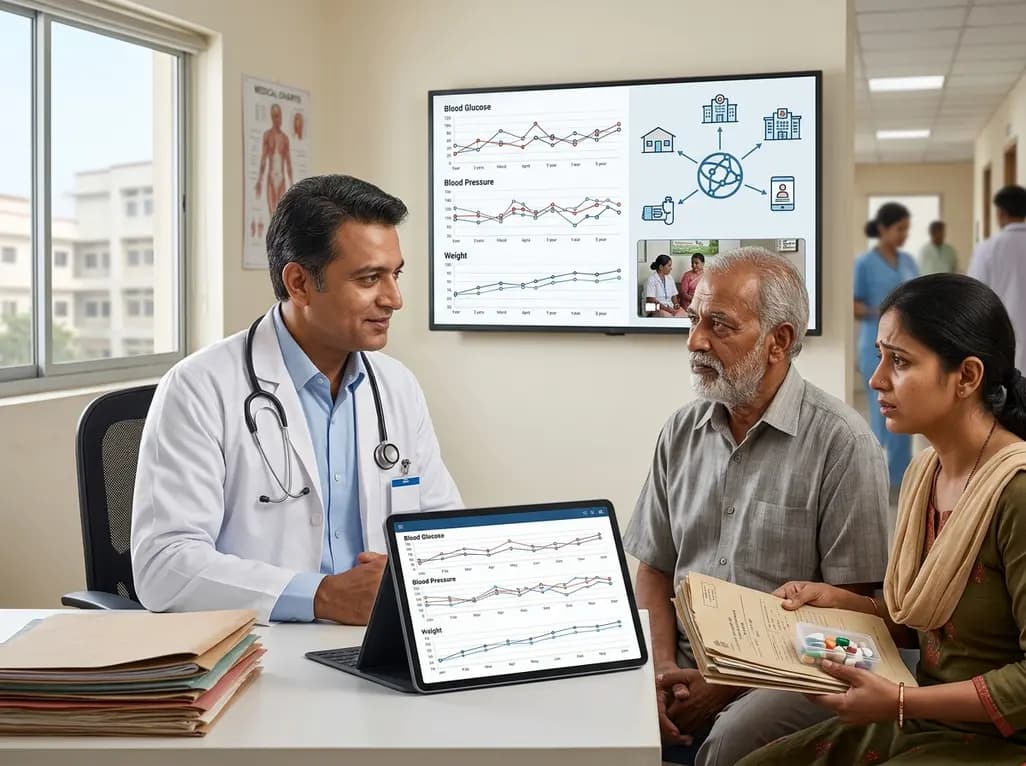
Intimate partner violence remains a pervasive public health crisis that transcends geographic and cultural boundaries, affecting approximately one in three women globally. In the clinical setting, emergency departments often serve as the primary point of contact for survivors seeking urgent medical attention. Recent evidence from a large-scale California study underscores the profound impact of socioeconomic factors and mental health vulnerabilities on the prevalence of violence-related visits. For healthcare providers, implementing effective intimate partner violence screening is not merely a procedural step but a lifesaving intervention. This study, which analyzed over 1.3 million emergency records, revealed that specific demographic groups face significantly higher risks. By identifying these predictors, clinicians can better tailor their diagnostic approach and support mechanisms. Furthermore, the findings highlight the intersectionality of poverty and health, showing that environmental distress closely correlates with personal safety. In India, where National Family Health Survey data reflects similar patterns of domestic distress, these insights are particularly relevant. Consequently, medical educators must emphasize the importance of recognizing subtle clinical indicators beyond physical trauma. By understanding the underlying determinants, doctors can move from reactive treatment to proactive prevention and advocacy.
Socioeconomic status serves as a powerful predictor of health outcomes, and its relationship with intimate partner violence is particularly striking. The study utilized the Distressed Communities Index to quantify neighborhood-level disadvantage, finding that women in the most distressed areas had nearly double the odds of presenting for violence-related injuries. This correlation suggests that economic instability, lack of resources, and social isolation in impoverished neighborhoods create an environment where violence can escalate unchecked. Moreover, the lack of financial independence often prevents women from leaving abusive situations, thereby increasing the frequency of emergency department visits. In many developing regions, including parts of India, the wealth index is a primary determinant of a woman's ability to access safe housing and legal protection. Therefore, physicians must be cognizant of the living conditions of their patients when conducting assessments. Additionally, the stress associated with poverty can exacerbate household tensions, leading to a higher incidence of physical and emotional abuse. When clinicians recognize these external pressures, they can provide more empathetic care and connect patients with social services that address the root causes of their vulnerability. Ultimately, addressing the socioeconomic determinants of health is essential for reducing the burden of domestic violence on the healthcare system.
Age and access to healthcare insurance are critical factors that influence the likelihood of experiencing intimate partner violence. The California data indicated that young women between the ages of 15 and 24 years represent the highest risk group, with fourfold greater odds of violence-related visits compared to older cohorts. This finding is deeply concerning, as it suggests that the earliest stages of adult relationships are often marked by significant safety risks. Furthermore, uninsured or self-paying patients had more than twice the odds of seeking emergency care for abuse relative to those with private insurance. This disparity highlights the systemic barriers faced by women who lack stable financial or employment status. In many cases, the absence of insurance signifies a lack of routine primary care, making the emergency department the only venue for intervention. Consequently, these clinical encounters offer a unique, albeit brief, opportunity for intervention and support. Healthcare providers should prioritize intimate partner violence screening for younger patients, even in the absence of obvious physical injuries. By standardizing these protocols across all age groups, clinics can identify victims early in the cycle of abuse. Additionally, expanding insurance coverage and low-cost health options can provide more women with the resources they need to seek help before a crisis occurs.
The relationship between mental health and domestic abuse is complex and bidirectional, often creating a cycle that is difficult to break. Specifically, conditions such as post-traumatic stress disorder, bipolar disorder, and alcohol abuse are independently associated with an elevated risk of presenting for violence-related emergency care. Survivors of abuse frequently develop psychiatric symptoms as a direct result of trauma, yet these same conditions can also increase a patient's vulnerability to further victimization. For instance, alcohol abuse may be used as a coping mechanism for underlying trauma, yet it also impairs judgment and potentially escalates conflict within a household. Therefore, the integration of psychiatric evaluation into routine emergency protocols is vital. When a physician performs intimate partner violence screening, they must also consider the patient's psychological well-being. Furthermore, mental health comorbidities can complicate the recovery process, making it essential for clinicians to provide comprehensive referral paths. In Indian clinical practice, where mental health stigma remains a challenge, a trauma-informed approach can foster trust between the patient and the provider. By addressing the psychological scars alongside physical injuries, the medical community can offer a more holistic path to recovery. Strengthening the link between emergency medicine and psychiatry is thus a critical step in supporting survivors.
Improving outcomes for survivors of intimate partner violence requires a multidisciplinary approach that spans from the hospital bedside to community-level policy. Emergency departments should adopt standardized, validated screening tools to ensure that no patient is overlooked due to unconscious bias or lack of time. Moreover, training programs for medical staff should focus on trauma-informed communication, helping providers ask sensitive questions in a way that encourages disclosure. Additionally, hospitals must establish strong partnerships with local non-governmental organizations and legal aid services to provide patients with immediate resources. In many instances, a patient may be ready to leave an abusive environment but lacks the knowledge of where to find a shelter or how to obtain a protection order. Furthermore, community-level prevention efforts that address gender inequality and promote healthy relationship dynamics are essential for long-term change. In the Indian context, leveraging community health workers and ASHAs can extend the reach of support systems into rural and underserved areas. By fostering a culture of safety and accountability, society can begin to reduce the prevalence of this public health crisis. Ultimately, the goal is to create a healthcare environment where every woman feels safe to disclose her reality and receives the comprehensive care she deserves. Physicians play a pivotal role in this transformation through advocacy and dedicated clinical practice.
Clinicians should remain alert for physical signs such as bruises in various stages of healing, injuries to the head, neck, or abdomen, and defensive wounds on the forearms. However, non-physical signs are equally important. These include frequent visits for vague somatic complaints, high levels of anxiety, or a partner who insists on remaining present and answering questions during the examination. Recognizing these subtle indicators is the first step toward effective intervention and patient safety.
Socioeconomic distress contributes to higher rates of violence by limiting a woman's options for independence and increasing household stress. Financial instability can make it impossible for a victim to secure separate housing or legal help, effectively trapping them in an abusive environment. Furthermore, areas with high poverty rates often lack community resources and social support networks, which are essential for providing a safety net for those at risk. Addressing these disparities is vital for long-term prevention.
Mental health conditions like PTSD and depression are common consequences of chronic abuse, but they can also serve as risk factors that increase vulnerability. Psychiatric symptoms may hinder a patient's ability to plan for their safety or access necessary healthcare services. By integrating mental health support into the clinical response, healthcare providers can address the complete spectrum of trauma. This holistic approach ensures that survivors receive the psychological care needed to heal from the profound impact of violence.
Disclaimer: This content is for informational and educational purposes only and does not constitute medical advice. It is intended for healthcare professionals to enhance their understanding of socioeconomic and clinical risk factors. Always follow the specific protocols of your institution and refer to the latest local and national guidelines for clinical practice.
References
Akinyemi O et al. Socioeconomic determinants and mental health correlates of intimate partner violence-related emergency department visits among women in California. Int J Gynaecol Obstet. 2026 Jun 27. doi: 10.1002/ijgo.71154. PMID: 42365432.
International Institute for Population Sciences (IIPS) and ICF. National Family Health Survey (NFHS-5), 2019–21: India. Mumbai: IIPS.
World Health Organization. Responding to intimate partner violence and sexual violence against women: WHO clinical and policy guidelines. Geneva: World Health Organization.

Read summarized clinical updates, watch expert medical content, and earn CME certifications right from your smartphone.
Open your smartphone camera to scan and install.





Explore the critical links between socioeconomic distress, mental health, and intimate partner violence (IPV) in emergency care settings. This review highlights high-risk demographics and emphasizes the urgent need for integrated screening and support systems to protect vulnerable women.
3 months ago

Novel diimide and hydrazone scaffolds, particularly compound #C4, synergistically reactivate latent HIV-1 when combined with JQ1 or PKC activators. Demonstrating donor-matched proviral transcription ex vivo and non-canonical signaling, these findings advance shock and kill strategies toward reservoir eradication.
Today

A cross-sectional study reveals that maternal RSV vaccination coverage reached only 43.7% in Argentina, with maternal vaccine knowledge being the sole independent predictor of uptake. Clinicians play a crucial role in eliminating informational and structural barriers to optimize infant health.
Today

Review how tailored exercise programs benefit frail older patients with heart failure. Explore pathophysiological mechanisms, individualized training prescriptions, and strategies to overcome adherence barriers in clinical practice.
Yesterday

This comparative study evaluates posterior labral tears with and without glenohumeral instability, highlighting distinct demographic patterns, MRI underestimation in stable shoulders, and successful arthroscopic repair outcomes.
Yesterday

A clinical study demonstrates that early intervention with tocilizumab, either as monotherapy or bridged with corticosteroids, achieves significant proptosis reduction and resolves active inflammation in treatment-naive thyroid eye disease.
Yesterday
