.webp&w=384&q=75)

Loading, please wait...
Loading, please wait...

Pulmonary complications represent a primary driver of non-relapse mortality following allogeneic hematopoietic cell transplantation. Because progressive pulmonary injury often develops silently, clinicians rely on routine post-transplant pulmonary function tests to detect early physiological decline. Early identification of small airway dysfunction allows teams to intervene before irreversible fibrotic injury occurs. Consequently, mastering the nuances of physiological assessment is an essential competency for bone marrow transplant physicians, pulmonologists, and clinical care teams managing long-term transplant survivors.
Allogeneic hematopoietic cell transplantation cures diverse hematologic malignancies, yet graft-versus-host disease remains a substantial long-term challenge. When alloreactive donor T cells target host bronchiolar epithelium, bronchiolitis obliterans syndrome can develop rapidly. Unfortunately, clinical symptoms like dyspnea and chronic dry cough emerge late in the disease process. Therefore, routine surveillance with post-transplant pulmonary function tests serves as the primary defense against insidious lung injury.
Regular physiological screening detects subclinical declines in expiratory flow rates before extensive luminal obliteration develops. In addition, prospective monitoring differentiates infectious pneumonia from alloimmune airway injury. When teams establish regular testing intervals, they identify declining trajectories during the reversible, inflammatory window. Consequently, systematic functional screening significantly reduces late transplant-related pulmonary morbidity and improves overall survival.
Accurate physiological assessment depends entirely on establishing a rigorous pre-transplant baseline. Many patients enter transplantation with pre-existing lung defects caused by intensive conditioning regimens, previous thoracic radiation, or past opportunistic pulmonary infections. Consequently, using standard population reference equations alone can obscure meaningful individual functional loss. Instead, clinicians must evaluate subsequent values relative to the patient's own pre-transplant parameters.
Longitudinal comparison provides immediate insight into subtle respiratory deterioration. For instance, a ten percent decrease in forced expiratory volume in one second may still fall within normal population percentiles. However, this downward drop indicates meaningful graft injury when compared against an individual's personal baseline. Therefore, serial tracking must continue at regular intervals, typically at three, six, and twelve months post-transplant, and annually thereafter.
Spirometry and plethysmography distinguish between obstructive airway processes and restrictive parenchymal conditions. Bronchiolitis obliterans classically manifests as progressive airflow obstruction without significant bronchodilator reversibility. Diagnostic criteria established by consensus panels emphasize a marked drop in forced expiratory volume alongside an abnormal ratio of forced expiratory volume to forced vital capacity. Furthermore, air trapping frequently produces elevated residual volume and increased total lung capacity ratios.
Conversely, restrictive patterns suggest alternative post-transplant etiologies. Infiltrative processes, such as idiopathic pneumonia syndrome, drug toxicity, or cryptogenic organizing pneumonia, decrease total lung capacity while preserving expiratory flow ratios. In addition, respiratory muscle weakness and chest wall sclerosis can generate restrictive spirometric defects. Thus, comprehensive testing involving complete lung volumes and gas transfer mechanics is critical to determine the exact physiological mechanism.
Measurement of the diffusing capacity of the lungs for carbon monoxide provides indispensable information regarding alveolar-capillary membrane integrity. However, clinicians must interpret diffusing capacity cautiously within the transplant demographic. Profound post-transplant anemia directly depresses gas transfer, which can simulate interstitial alveolar disease. Therefore, laboratories must systematically adjust carbon monoxide diffusing capacity for measured hemoglobin levels.
Furthermore, an isolated drop in carbon monoxide uptake often precedes overt ventilatory impairment. Such isolated reduction may reflect microvascular endothelial injury, pulmonary veno-occlusive phenomena, or early pulmonary arterial hypertension. Alternatively, severe gas exchange impairment alongside restrictive defects highlights parenchymal graft-versus-host disease or diffuse alveolar hemorrhage. Clinicians must correlate diffusing capacity changes with high-resolution computed tomography scans to establish an accurate anatomical diagnosis.
Implementing reliable pulmonary surveillance requires addressing several persistent operational barriers. Many vulnerable transplant recipients struggle to perform forced expiratory maneuvers due to profound fatigue, severe oral graft-versus-host mucosal pain, or general deconditioning. Furthermore, clinical adherence often declines when patients return to remote or resource-limited geographic areas where specialized laboratories are absent.
To overcome these challenges, transplant networks increasingly utilize handheld home spirometry alongside structured telehealth visits. Frequent micro-assessments through portable spirometry devices alert clinicians to rapid physiological changes far earlier than conventional annual appointments. In addition, standardized institutional screening protocols ensure consistent cross-specialty communication between hematologists and pulmonologists. By automating alerts for functional decline, healthcare systems can deploy prompt diagnostic imaging and initiate preemptive therapies before permanent parenchymal remodeling occurs.
When longitudinal monitoring detects a sustained decline in expiratory airflow, physicians must execute an expedited diagnostic pathway. First, clinicians should rule out acute viral, bacterial, and fungal respiratory infections through comprehensive multiplex molecular testing and bronchoalveolar lavage. Afterward, high-resolution computed tomography performed on full inspiration and dynamic expiration can verify characteristic mosaic attenuation and air trapping.
Once clinicians exclude active infection, prompt immunomodulatory escalation is critical to arrest ongoing bronchiolar fibrosis. Typical first-line strategies include inhaled corticosteroid therapy combined with long-acting bronchodilators, systemic corticosteroids, and macrolide anti-inflammatory regimens. Furthermore, teams frequently adjust systemic immunosuppression using calcineurin inhibitors or targeted agents. Early intervention preserves vital functional reserve, which prevents progression toward debilitating respiratory failure and maintains the patient's long-term quality of life.
Current consensus guidelines recommend obtaining baseline testing prior to conditioning therapy. Following allogeneic transplantation, clinicians should repeat pulmonary function testing at three, six, and twelve months during the initial year. Thereafter, patients require annual surveillance or prompt evaluation whenever new respiratory symptoms arise. More frequent testing is warranted for individuals with existing chronic graft-versus-host disease.
Consensus criteria define bronchiolitis obliterans syndrome by a decline in forced expiratory volume in one second to below seventy-five percent of predicted, or a decline greater than ten percent from baseline. Additionally, the ratio of forced expiratory volume to forced vital capacity drops below seventy percent. These physiological obstructive defects persist without bronchodilator responsiveness or active pulmonary infection.
Diffusing capacity calculations depend directly on circulating red blood cells to bind inhaled carbon monoxide molecules within the pulmonary capillaries. Because allogeneic transplant recipients frequently experience chemotherapy-induced marrow suppression or post-transplant anemia, uncorrected diffusing values appear falsely low. Adjusting the diffusing capacity calculation for actual hemoglobin ensures an accurate assessment of true alveolar-capillary membrane integrity.
Disclaimer: This content is for informational and educational purposes only and should not be considered as medical advice or substitute for professional healthcare guidance. Refer to the latest local and national guidelines for clinical practice.
References
Adderley NA et al. Interpreting pulmonary function tests in allogeneic hematopoietic cell transplant recipients. Blood Adv. 2026 Oct 07. doi: undefined. PMID: 42842874.
Gower WA et al. Pulmonary Function Testing in Pediatric Allogeneic Stem Cell Transplant Recipients to Monitor for Bronchiolitis Obliterans Syndrome: A Systematic Review. BMC Pediatr. 2025;25(1):250.
Panoskaltsis-Mortari A et al. An official American Thoracic Society research statement: noninfectious lung injury after hematopoietic stem cell transplantation. Am J Respir Crit Care Med. 2011;183(9):1262-1279.

Read summarized clinical updates, watch expert medical content, and earn CME certifications right from your smartphone.
Open your smartphone camera to scan and install.





Pulmonary complications are a leading cause of non-relapse mortality following allogeneic hematopoietic cell transplantation. Routine surveillance using pulmonary function tests detects subclinical airflow obstruction and enables timely therapeutic intervention before irreversible lung damage occurs.
Today

A large UK cohort study of 1.4 million women shows that pregnancy complications, including gestational diabetes, hypertension, and preterm birth, substantially raise long-term risks for hypertension, chronic kidney disease, type 2 diabetes, and cardiovascular events, highlighting early postpartum intervention needs.
Today

Small interfering RNA (siRNA) therapeutics harness RNA interference to degrade disease-causing messenger RNA. By delivering hepatocyte-targeted, durable gene silencing, agents targeting PCSK9, LPA, and angiotensinogen offer potent cardiovascular risk reduction with infrequent, biannual dosing schedules.
Today
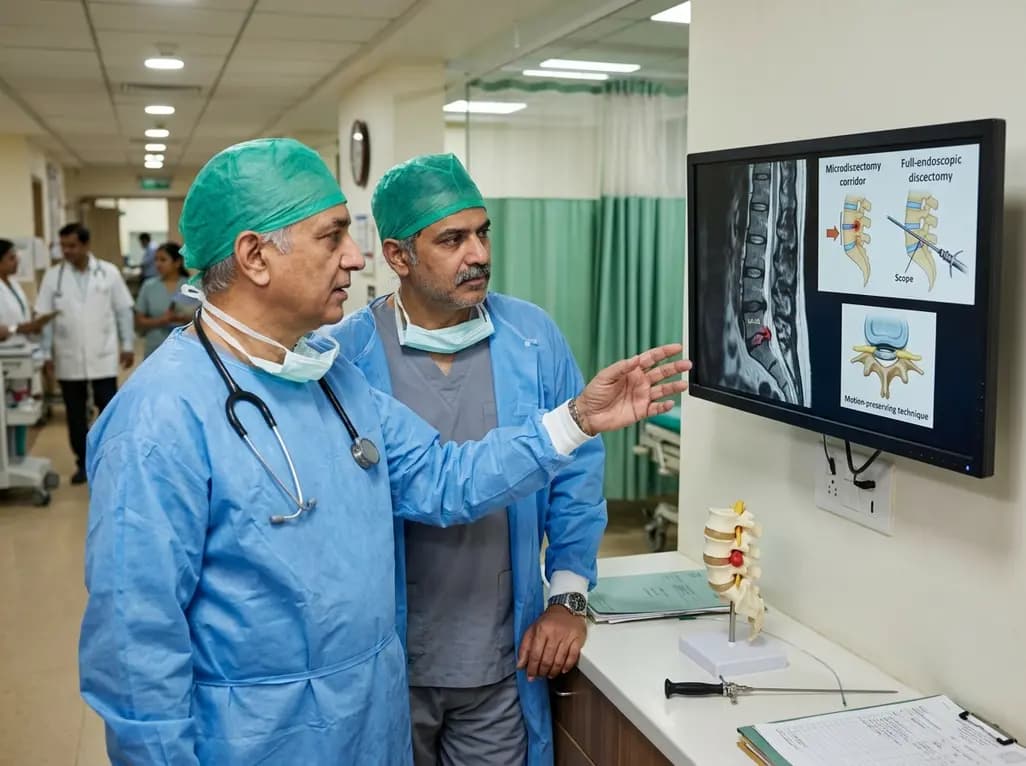
This clinical overview examines recent advancements in lumbar disc herniation surgery, comparing microscopic and full-endoscopic discectomy while highlighting biportal techniques and emerging motion-preserving innovations for spine specialists.
Today

The World Health Organization has issued its first global guidelines for managing child and adolescent obesity. The recommendations strongly endorse family-based dietary interventions, regular physical activity, and behavioral support as frontline therapy, reserving GLP-1 therapies and surgery for select cases.
Today
