.webp&w=384&q=75)

Loading, please wait...
Loading, please wait...

Young female sprinters undergo rapid skeletal growth and hormonal shifts during adolescence. Consequently, these developmental changes often create functional neuromuscular deficits and noticeable lower-limb asymmetry. Integrative neuromuscular training addresses these deficits through a holistic regimen of strength, plyometrics, balance, and core stability. Traditional athletic programs frequently emphasize linear speed and repetitive sprinting drills alone. However, conventional sprint workouts often fail to correct individual side-to-side biomechanical discrepancies. Because track disciplines demand symmetrical force generation, persistent imbalances elevate the risk of non-contact musculoskeletal injuries. For instance, asymmetric loading frequently strains the anterior cruciate ligament, patellofemoral joint, and hamstring complex. Furthermore, unilateral deficits limit an athlete's ability to transfer maximal force during the acceleration phase of a race. To solve these problems, sports physicians and coaches now implement comprehensive neuromuscular interventions. These protocols progressively challenge dynamic postural control and muscular coordination. In addition, targeted exercises teach young runners how to absorb ground reaction forces effectively. Therefore, structured training builds robust athletic foundations before structural imbalances become permanent movement patterns. By addressing these deficits early, clinicians and conditioning specialists protect developing athletes while supporting sustainable athletic progression.
A recent randomized controlled trial evaluated whether an eight-week intervention could improve functional performance in elite junior track competitors. Specifically, investigators recruited twenty-four national second-level adolescent female sprinters between sixteen and eighteen years of age. They subsequently randomized the participants into an experimental group or an active control group. While the control athletes completed traditional sprint-specific training, the experimental group undertook supervised neuromuscular sessions. The researchers assessed multiple performance markers before and after the eight-week intervention period. These outcomes included single-leg hop tests, the star excursion balance test, and three-repetition maximum back squats. Additionally, the investigators evaluated one-hundred-meter sprint times, standing long jump distance, and limb symmetry index values. The post-intervention findings demonstrated meaningful improvements across unilateral and bilateral measures. Most notably, athletes in the intervention cohort achieved significantly greater gains on their nondominant limb during hop testing. Consequently, their limb symmetry index improved substantially compared to baseline measurements. Traditional sprint drills alone did not produce comparable bilateral symmetry in the control cohort. Therefore, these clinical findings establish clear empirical support for incorporating multi-planar conditioning alongside routine sprint practice.
Lower-limb asymmetry frequently arises during adolescent growth spurts because bones lengthen faster than tendons and muscles can adapt. As a result, adolescent female athletes often experience reduced dynamic knee stability and poor joint control. Integrative neuromuscular training directly targets these vulnerabilities through multi-directional movements and progressive resistance. Unilateral exercises, such as single-leg Romanian deadlifts and step-ups, force the weaker limb to generate force independently. Consequently, athletes cannot compensate by relying on their dominant extremity during complex movement patterns. Moreover, plyometric jumping and landing drills enhance sensorimotor feedback and proprioceptive acuity. This heightened neuromuscular awareness teaches the nervous system to recruit stabilizing muscles rapidly during unexpected perturbations. As athletes improve their dynamic balance on the star excursion balance test, knee valgus collapse decreases markedly. Therefore, reducing inter-limb discrepancies directly mitigates the likelihood of anterior cruciate ligament tears and ankle sprains. Furthermore, balanced bilateral power distribution optimizes sprint biomechanics by eliminating unequal ground contact times. Ultimately, these structural adaptations protect joint integrity and allow young sprinters to tolerate high training loads safely throughout competitive athletic seasons.
Clinicians and strength specialists must structure neuromuscular programs carefully to avoid overtraining in developing adolescents. An effective eight-week protocol typically incorporates two to three structured sessions per week lasting thirty to forty-five minutes. Furthermore, coaches should integrate these drills as dynamic warm-ups prior to technical track workouts. A well-rounded regimen begins with dynamic balance exercises, including multi-directional reach tasks and unstable surface holds. Next, athletes perform progressive resistance training utilizing both bilateral back squats and single-leg split squats. These foundational strength exercises enhance hip extensor torque and improve knee extensor recruitment. Additionally, practitioners introduce low-to-moderate intensity plyometrics, emphasizing proper deceleration mechanics and soft landings. Sprint coaches must prioritize movement quality and technical mastery over heavy loads or high repetitions. For example, trainers should correct medial knee displacement immediately during every jump landing. As athletes demonstrate consistent motor control, instructors gradually increase drill complexity and movement velocity. Consequently, this progressive overload fosters robust neuromuscular adaptations without inducing excessive physical fatigue. Thus, thoughtful periodization ensures that adolescent runners remain resilient and structurally prepared for intense competition.
Pediatricians, orthopedic surgeons, and sports medicine physicians play an essential role in guiding adolescent training regimens. When evaluating adolescent track competitors, clinicians should systematically screen for functional movement asymmetries. Simple functional assessments, including single-leg hop tests and reach tests, provide rapid objective data during routine pre-participation examinations. Furthermore, identifying a limb symmetry index below ninety percent signals an elevated risk for athletic injury. Therefore, clinicians must actively counsel young athletes, parents, and athletic coaches regarding targeted corrective strategies. Instead of recommending generic rest or purely sport-specific drills, physicians can prescribe targeted neuromuscular conditioning. This proactive approach bridges the gap between clinical rehabilitation principles and on-field sports performance. Moreover, integrating bilateral strength training with neuromuscular exercises enhances sprint velocity and jumping power simultaneously. Young runners do not have to sacrifice speed to achieve structural durability and joint safety. Consequently, healthcare providers can empower adolescent athletes to pursue high-performance goals with reduced injury anxiety. In summary, adopting evidence-based neuromuscular protocols establishes long-term athletic health, promotes symmetrical movement patterns, and sustains sporting longevity throughout adulthood.
Adolescent female sprinters often develop biomechanical imbalances between their dominant and nondominant legs during rapid growth phases. Integrative neuromuscular training corrects these functional deficits by improving dynamic balance, joint proprioception, and core stability. Furthermore, targeted plyometrics and unilateral strength exercises teach young athletes proper landing mechanics, which substantially decreases knee valgus stress. Consequently, reducing inter-limb asymmetry directly lowers the incidence of anterior cruciate ligament tears, hamstring strains, and patellofemoral pain.
A comprehensive program combines multiple training modalities into progressive, structured workouts. Specifically, it should feature dynamic stabilization drills like the star excursion balance test and single-leg balance holds. Additionally, the regimen incorporates unilateral and bilateral strength movements, such as back squats, lunges, and Romanian deadlifts. Finally, coaches must include multi-directional plyometrics and deceleration drills. These complementary exercises enhance neuromuscular coordination, build muscular symmetry, and reinforce proper movement patterns during high-velocity running.
Clinical trials indicate that adolescent athletes achieve meaningful improvements in neuromuscular control within eight weeks of consistent training. Participating in two to three structured sessions each week produces noticeable gains in single-leg hop distance, postural stability, and lower-body strength. Furthermore, athletes typically demonstrate a more symmetrical limb symmetry index on functional tests after two months. Maintaining these performance benefits requires continuous reinforcement throughout both the competitive season and the off-season period.
Disclaimer: This content is for informational and educational purposes only... Refer to the latest local and national guidelines for clinical practice.
References

Read summarized clinical updates, watch expert medical content, and earn CME certifications right from your smartphone.
Open your smartphone camera to scan and install.





An 8-week integrative neuromuscular training protocol significantly improves unilateral jump symmetry, balance, and squat strength in adolescent female sprinters. By correcting lower-extremity asymmetry, this evidence-based intervention reduces injury risk while optimizing athletic sprint performance.
Today
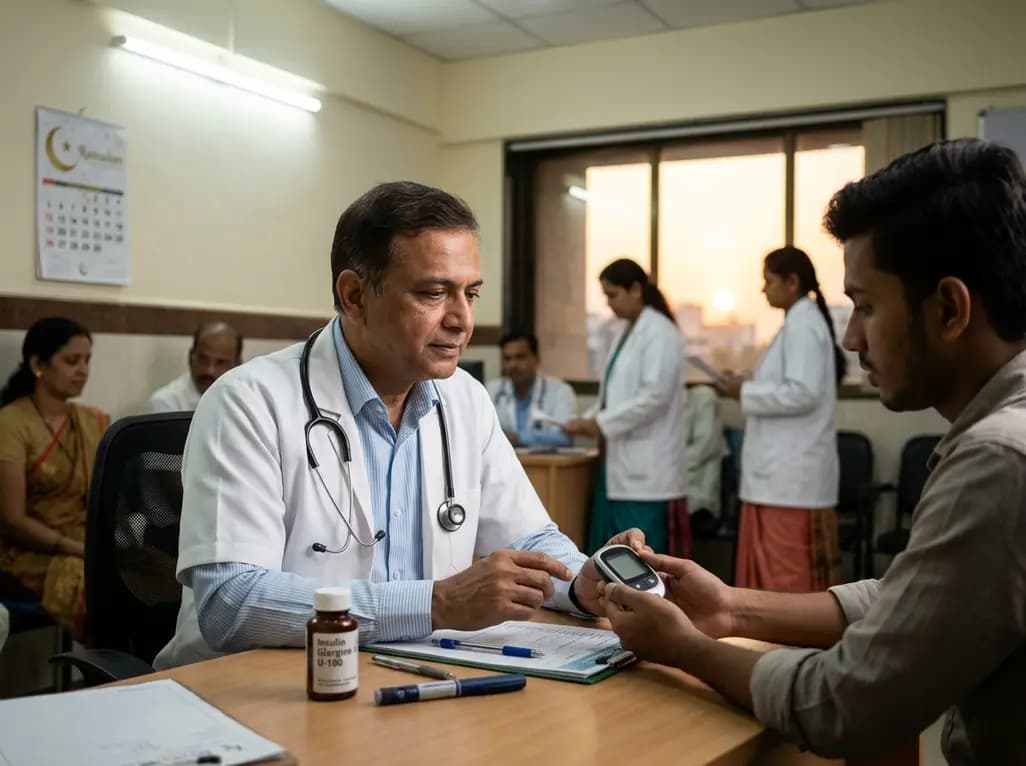
The randomized GLARIF trial evaluated early evening versus bedtime insulin glargine administration in type 1 diabetes during Ramadan. The study showed similar hypoglycemia rates and glycemic metrics between both regimens, highlighting the critical need for proactive monitoring and individualized dose management.
Today
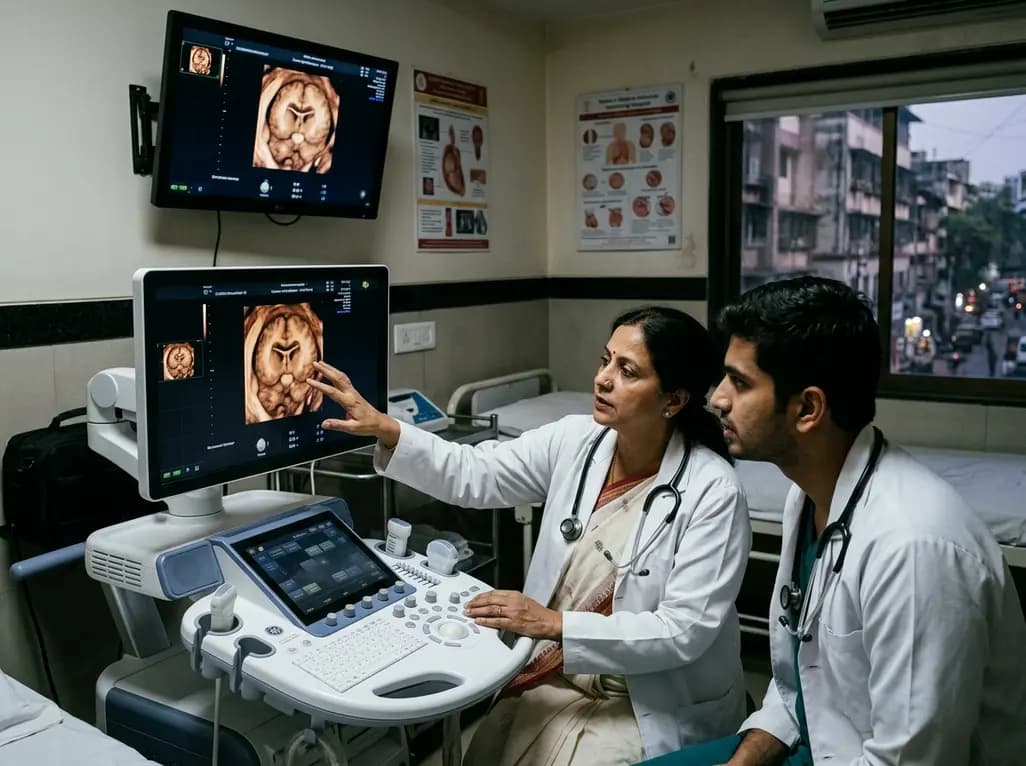
A 3D transvaginal neurosonography study shows the fetal cavum septi pellucidi develops fluid cavitation around 19 weeks and a corpus callosal length of 11.25 mm. These insights help clinicians prevent premature false-positive diagnoses of absent septum pellucidum during second-trimester anomaly scans.
Today

The STADIA-HFpEF trial evaluated whether dapagliflozin improves left ventricular distensibility in phenotypically stratified HFpEF patients without significant myocardial fibrosis. While primary diastolic endpoints were neutral, exploratory improvements in left atrial conduit strain and biomarkers emerged.
Yesterday

A landmark multi-ethnic study of 40,132 participants demonstrates that risk-weighted apoB (RW-apoB) captures coronary risk beyond measured apoB. By integrating the atherogenic potency of triglyceride-rich lipoproteins and Lp(a), RW-apoB improves cardiovascular risk discrimination across diverse populations.
Yesterday
