

Loading, please wait...
Loading, please wait...
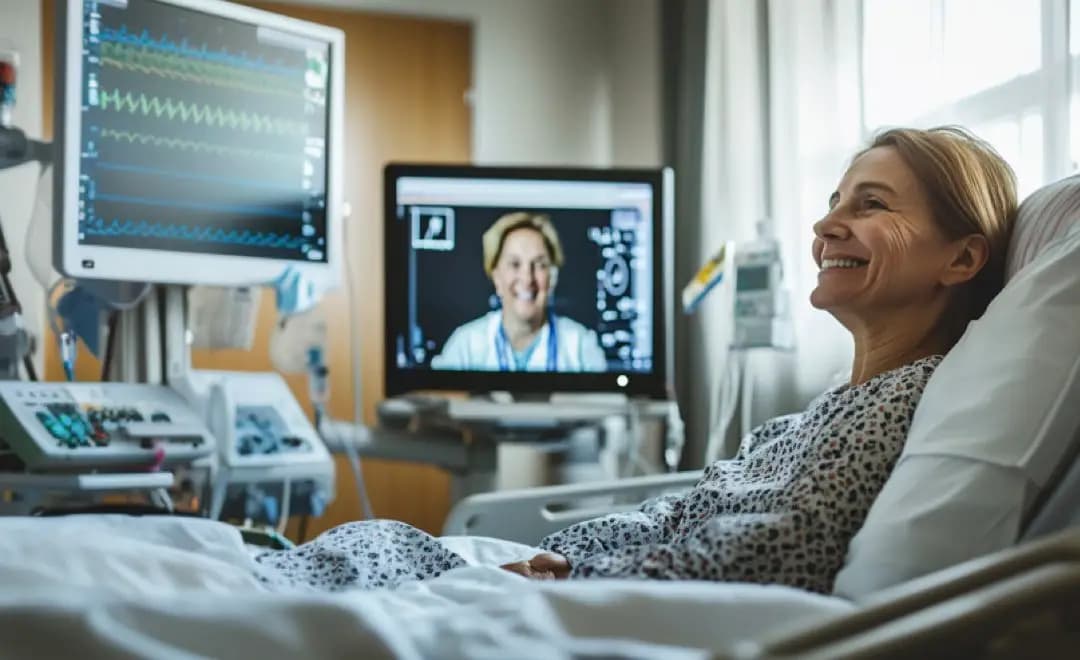
The NeTKoH study evaluated whether integrating specialist neurological teleconsultations into rural general practice could improve the management and referral of patients presenting with neurological symptoms. This stepped-wedge cluster randomized clinical trial was conducted across 41 general practitioner practices in northeast Germany. A total of 986 patients were enrolled, with 983 included in the final analysis: 517 in the intervention phase and 469 in the control phase before exclusions. The intervention enabled general practitioners and patients to consult neurologists through a video-based telemedicine system, allowing immediate specialist assessment and guidance on further management. The proportion of patients managed exclusively within general practice was lower in the teleconsultation group than in the standard-care group (38.3% versus 50.7%; adjusted odds ratio, 0.58; 95% CI, 0.38–0.88). Referrals to neurologists decreased from 41.4% to 36.4%, whereas referrals to other specialists increased from 4.7% to 11.9%, and hospital referrals increased from 2.6% to 12.8%. No significant differences were observed in quality of life or overall health status. The findings indicate that teleneurology may improve specialist-led triage and redirect patients to more appropriate services, particularly in underserved regions, although it did not reduce overall secondary-care utilization.

Read summarized clinical updates, watch expert medical content, and earn CME certifications right from your smartphone.
Open your smartphone camera to scan and install.





The NeTKoH study evaluated whether integrating specialist neurological teleconsultations into rural general practice could improve the management and referral of patients presenting with neurological symptoms. This stepped-wedge cluster randomized clinical trial was conducted across 41 general practitioner practices in northeast Germany. A total of 986 patients were enrolled, with 983 included in the final analysis: 517 in the intervention phase and 469 in the control phase before exclusions. The intervention enabled general practitioners and patients to consult neurologists through a video-based telemedicine system, allowing immediate specialist assessment and guidance on further management. The proportion of patients managed exclusively within general practice was lower in the teleconsultation group than in the standard-care group (38.3% versus 50.7%; adjusted odds ratio, 0.58; 95% CI, 0.38–0.88). Referrals to neurologists decreased from 41.4% to 36.4%, whereas referrals to other specialists increased from 4.7% to 11.9%, and hospital referrals increased from 2.6% to 12.8%. No significant differences were observed in quality of life or overall health status. The findings indicate that teleneurology may improve specialist-led triage and redirect patients to more appropriate services, particularly in underserved regions, although it did not reduce overall secondary-care utilization.
Today

The FRENCHIE-Lp(a) study evaluates the temporal variability of lipoprotein(a) concentrations following acute myocardial infarction. Findings demonstrate practical cut-offs to identify high-risk patients needing targeted therapies during index admission without waiting for outpatient follow-up.
Today
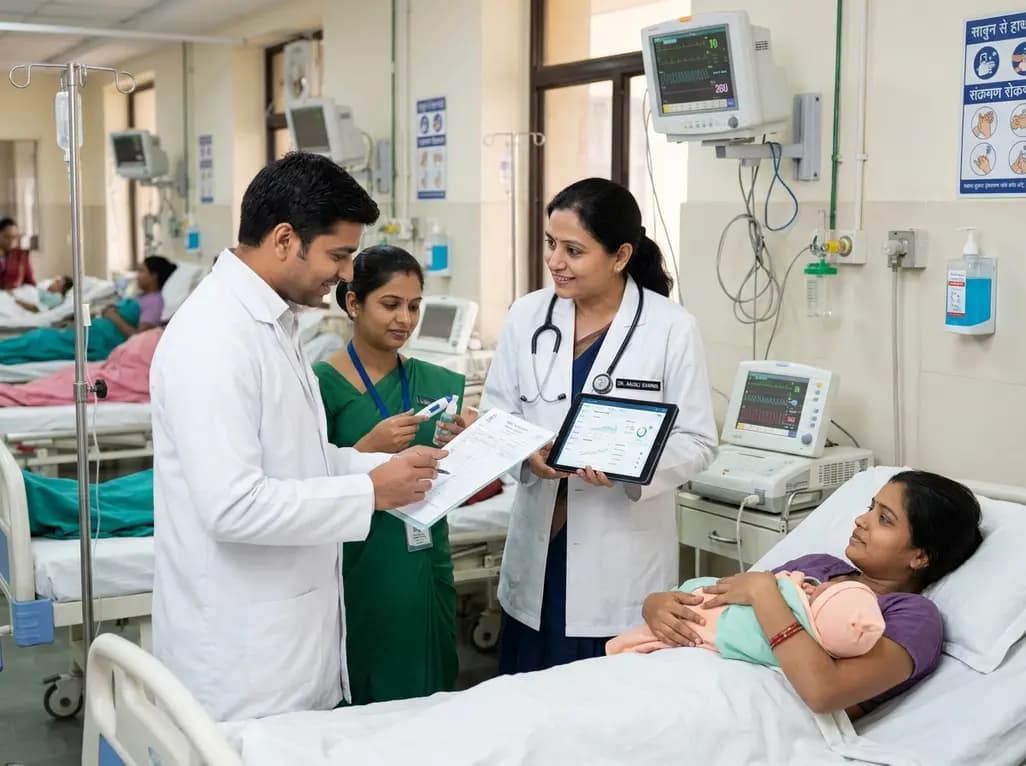
Assam reduced maternal sepsis deaths from 21% to 8% through rigorous infection prevention protocols and digital monitoring. Explore the clinical strategies, sterilization quality checks, early recognition pathways, and antimicrobial stewardship lessons essential for obstetric teams across India.
Today
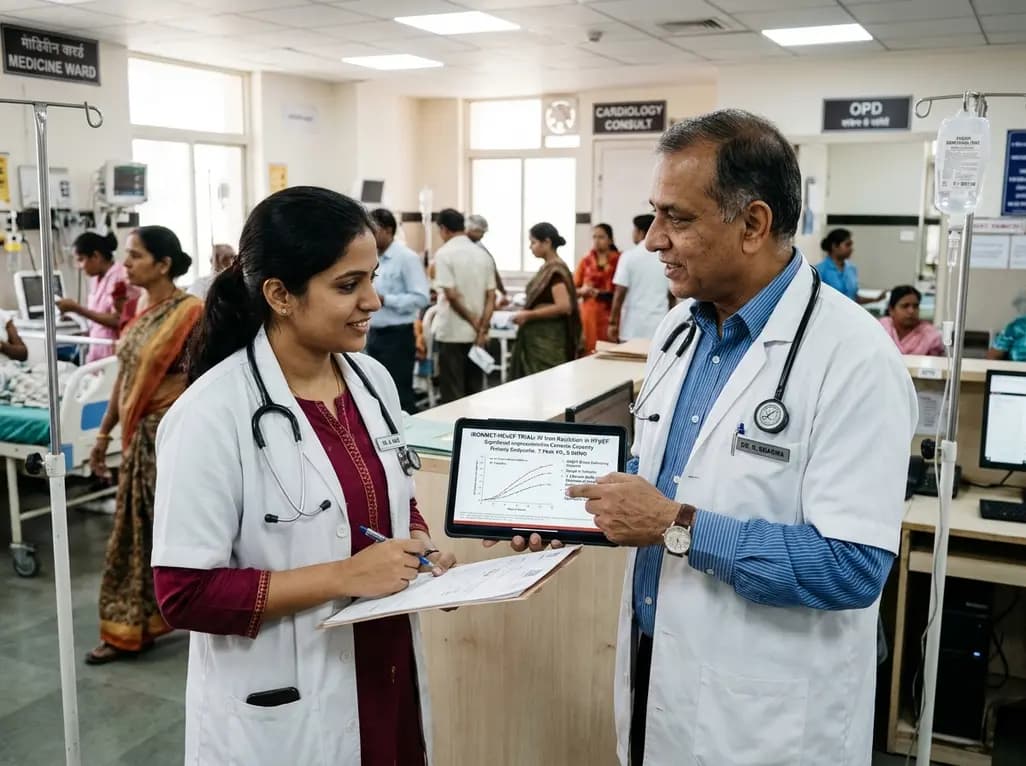
The IRONMET-HFpEF randomized trial demonstrates that a single infusion of intravenous ferric derisomaltose significantly improves peak oxygen uptake and 6-minute walk distance in patients with heart failure with preserved ejection fraction and iron deficiency, establishing a vital new therapeutic pathway.
Today
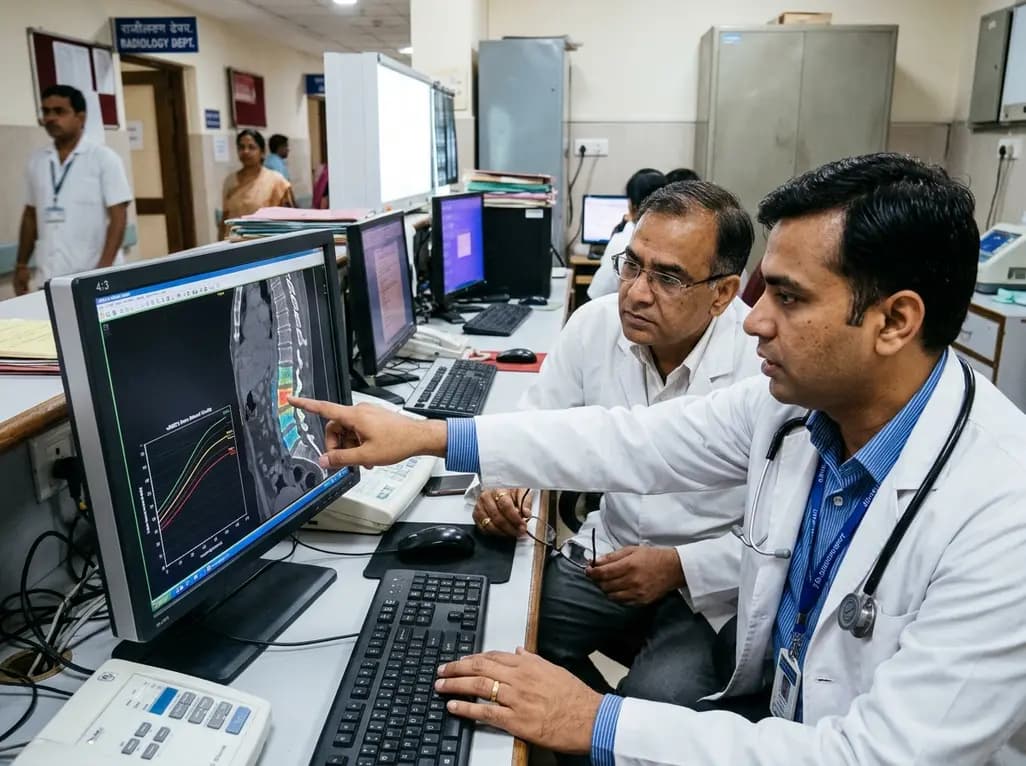
CT-derived volumetric bone mineral density centile curves offer an accurate method for opportunistic osteoporosis screening. This approach identifies high-risk patients who missed routine DXA scans and reliably predicts major osteoporotic fractures, addressing significant diagnostic gaps in clinical practice.
Today
New evidence links altered sex steroids, cortisol elevation, and glycemic stress to natural killer cell dysfunction in type 2 diabetes. Understanding these endocrine-immune pathways provides valuable insights for Indian clinicians managing metabolic inflammation and infection susceptibility in diabetic patients.
Today
