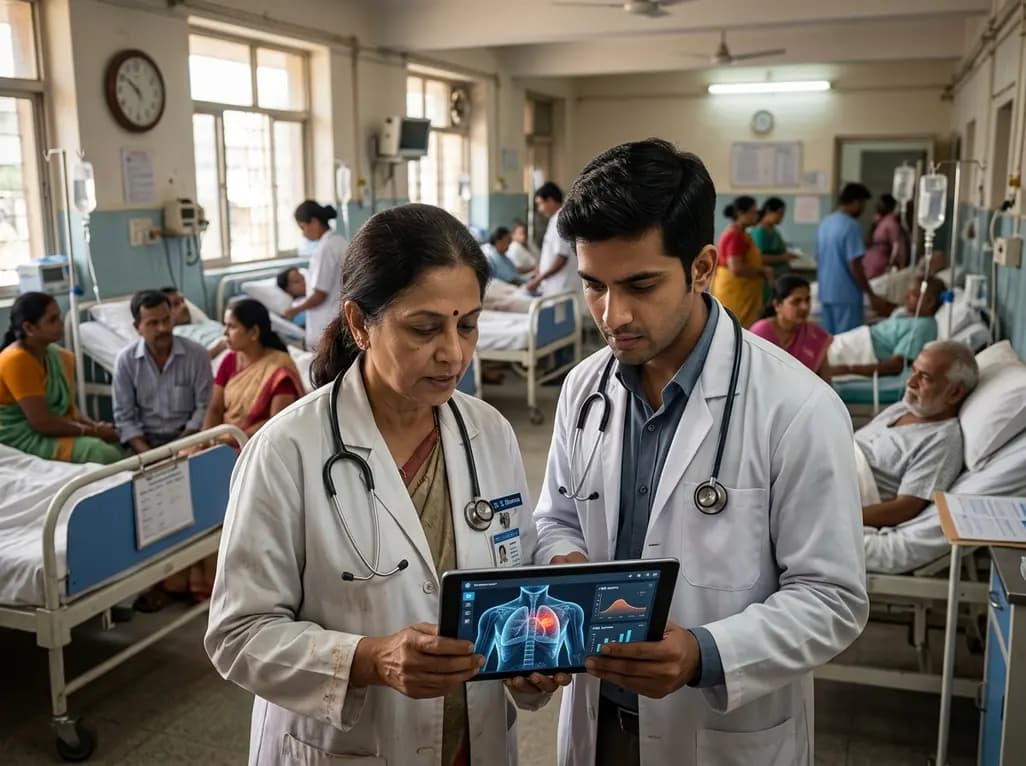
India recently reaffirmed its strong commitment to eliminating AIDS as a public health threat by 2030. At the United Nations High-Level Meeting, Ambassador Harish Parvathaneni delivered this vital national statement. Significantly, the global response to HIV is currently at a critical juncture. Persistent inequalities and financing constraints threaten to undermine decades of progress. However, India actively combats these challenges through robust national initiatives. One key national strategy is the triple elimination of HIV, syphilis, and hepatitis B among pregnant women. This strategy represents a major step forward for maternal and child healthcare in India. Therefore, the country remains focused on building sustainable, community-driven, and equitable healthcare systems. Clinicians and public health experts across the nation must understand these developments to align their practices with national goals.
India's Strategic Approach to the Triple Elimination of HIV
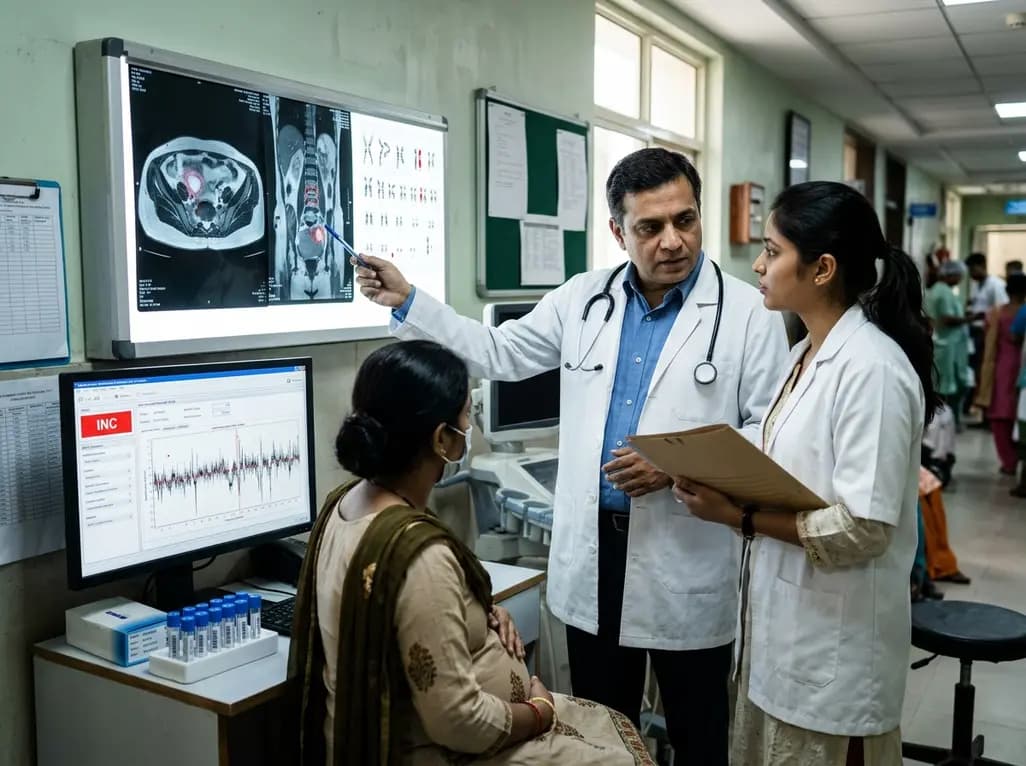
India's domestic strategy emphasizes the health of both mothers and newborns. Consequently, the government has launched the comprehensive Triple Elimination Strategy. This protocol targets the mother-to-child transmission of HIV, syphilis, and hepatitis B. Specifically, the initiative relies on universal antenatal screening for all pregnant women. Healthcare providers must screen expectant mothers during early prenatal visits. Following a positive screening, the system ensures timely linkage to effective antiretroviral therapy. Furthermore, medical teams closely monitor exposed infants to confirm their infection-free status. This integrated care pathway drastically reduces vertical transmission rates. Clinicians play a crucial role in implementing these screening guidelines at the grassroots level. By prioritizing early detection, healthcare workers can successfully protect the next generation. Additionally, this unified approach optimizes maternal health and improves infant survival rates across diverse demographics. Thus, India provides a scalable blueprint for other developing nations striving for similar health targets. Moreover, integrating these three screening protocols saves vital resources within busy clinical environments. Instead of running separate, disjointed tests, clinics now offer a single, bundled screening package. This logical consolidation minimizes patient drop-outs and increases overall program compliance. Ultimately, the systematic rollout of this strategy strengthens maternal and child health outcomes nationwide.
The Pillars of the National AIDS and STD Control Programme
At the core of India’s success lies the National AIDS and STD Control Programme. For decades, this flagship initiative has guided the country’s evidence-based planning and community engagement. Specifically, the program structures its efforts around integrated service delivery. This model ensures that patients receive prevention, testing, and treatment under one coordinated system. Because of sustained domestic investments, India has significantly reduced new HIV infections and AIDS-related deaths. Healthcare facilities have also expanded access to crucial care and support services. Nevertheless, the program must adapt to changing local epidemiologies. National responses must remain flexible and responsive to regional data. Therefore, the government encourages local healthcare authorities to lead implementation efforts. Clinicians must actively participate in these localized programs to ensure effective delivery. When healthcare workers collaborate with local communities, patient trust increases. Consequently, retention in treatment improves, leading to better clinical outcomes. Additionally, the program prioritizes training for healthcare staff to combat stigma within medical settings. This ongoing education fosters a supportive environment for all patients seeking care.
Addressing Global Challenges and Sustainable Financing
The global fight against HIV currently stands at a very critical juncture. While the international community has made remarkable progress, major obstacles remain. Specifically, persistent inequalities, financing constraints, and emerging global challenges threaten these hard-won gains. Many wealthy nations are unfortunately reducing their international health budgets. Consequently, developing nations must find sustainable ways to finance their own domestic healthcare. Ambassador Parvathaneni strongly welcomed the UN declaration’s focus on country ownership. He argued that countries themselves must lead national responses. Furthermore, these programs must secure predictable financing and rely on strengthened health systems. To achieve long-term sustainability, India continues to increase its domestic health allocations. This financial independence allows the country to maintain its prevention and treatment services uninterrupted. Additionally, robust health systems help absorb external shocks like pandemics or economic downturns. Clinicians must advocate for efficient resource allocation within their respective clinical networks. By minimizing waste and optimizing delivery, we can sustain care even during times of economic constraint. Ultimately, collective international solidarity remains essential to cross the 2030 finish line.
Equitable Access to Lifesaving Medicines and TRIPS Flexibilities
A core pillar of India's statement involves securing equitable access to affordable medical products. Specifically, the country emphasizes the critical need for affordable medicines, diagnostics, and emerging healthcare technologies. To guarantee this access, developing nations must leverage the flexibilities within the WTO TRIPS Agreement. These legal flexibilities remain absolutely vital for manufacturing and distributing generic, life-saving medicines. Indeed, many experts call India the pharmacy of the developing world due to its robust generic drug industry. This sector provides cheap, high-quality antiretroviral drugs to millions of patients globally. Consequently, maintaining these patent flexibilities prevents commercial interests from blocking public health needs. Clinicians must recognize how affordable generic drugs directly impact patient adherence and survival. When life-saving therapy is cheap and accessible, treatment retention rates naturally soar. Furthermore, India’s generic manufacturers stand ready to adapt to new therapeutic developments. This readiness ensures that emerging therapies reach patients without unnecessary delays. Therefore, supporting trade flexibilities is not just a policy issue, but a critical healthcare necessity. Globally integrated supply chains must protect these flexibilities to ensure we leave no patient behind.
The Crucial Role of Communities and Integrated Care
No public health strategy can succeed without active community participation and robust civil society organizations. For this reason, Ambassador Parvathaneni strongly called for meaningful stakeholder engagement aligned with national priorities. Communities act as the vital bridge between formal healthcare institutions and vulnerable patient populations. Specifically, they help destigmatize HIV testing, encourage adherence, and provide essential psychosocial support. Additionally, India actively supports integrated clinical responses to co-infections. Patients living with HIV often face high risks of tuberculosis, viral hepatitis, and other opportunistic diseases. Therefore, managing these conditions simultaneously within the primary care setting dramatically improves clinical outcomes. Clinicians should adopt this integrated mindset when managing HIV patients in daily practice. Instead of treating these infections in silos, clinics must provide holistic, patient-centered care. This comprehensive approach not only saves clinical resources but also enhances patient comfort. Ultimately, India remains fully prepared to collaborate with global partners and UNAIDS. By combining domestic dedication with international cooperation, we can successfully eliminate AIDS as a public health threat by 2030.
Frequently Asked Questions
Q1: What is the primary focus of India's Triple Elimination Strategy in maternal care?
India’s Triple Elimination Strategy focuses on ending mother-to-child transmission of HIV, syphilis, and hepatitis B. Specifically, it mandates universal screening for all pregnant women. This early detection allows clinicians to initiate timely, life-saving treatment quickly, protecting exposed infants from vertical transmission. Consequently, this comprehensive approach dramatically improves infant survival rates and strengthens maternal healthcare networks.
Q2: Why does India advocate for the use of WTO TRIPS Agreement flexibilities?
India supports the WTO TRIPS Agreement flexibilities to maintain equitable access to affordable diagnostics and medicines. These patent flexibilities allow developing countries to manufacture cost-effective generic drugs without legal barriers. Therefore, India can continue supplying high-quality generic antiretrovirals globally. Ultimately, cheap life-saving medicines remain crucial because high therapy prices often disrupt patient compliance in low-resource environments.
Q3: How does the National AIDS and STD Control Programme ensure sustainable HIV responses?
The program ensures sustainability by combining evidence-based planning, domestic funding, and community-led initiatives. Specifically, India aligns its national response with local epidemiological data to optimize resource use. Furthermore, integrating HIV services with tuberculosis and hepatitis care reduces program costs. Consequently, strong local ownership decreases reliance on unpredictable foreign aid, securing care delivery beyond the 2030 target.
Disclaimer: This content is for informational and educational purposes only. It does not constitute medical advice or replace professional judgment. Refer to the latest local and national guidelines for clinical practice.
References
- India remains firmly committed to ending AIDS as a public health threat by2030: Permanent Representative to UN Parvathaneni at UN High-Level Meet - ETHealthworld
- World Health Organization. Triple elimination of mother-to-child transmission of HIV, syphilis and hepatitis B virus.
- Clinton Health Access Initiative. Integrated HIV and Syphilis Hepatitis B Testing.
.webp&w=384&q=75)