.webp&w=384&q=75)

Loading, please wait...
Loading, please wait...
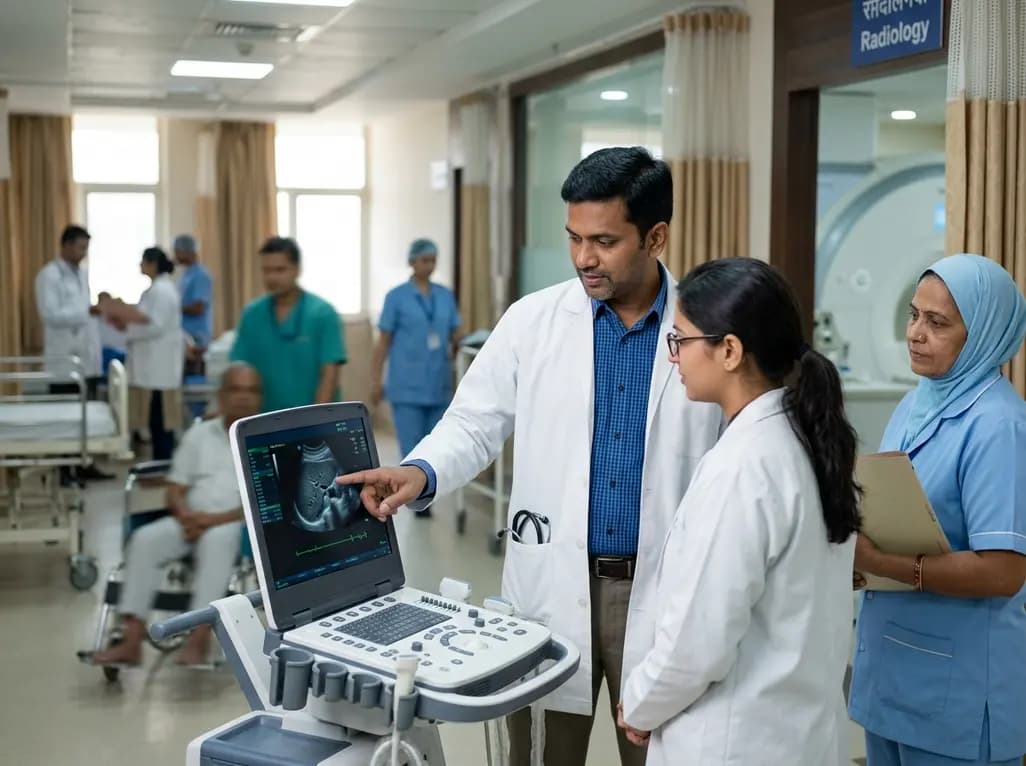
The Union Ministry of Health and Family Welfare has officially amended the Medical Devices Rules, 2017, introducing major regulatory relaxations to foster ease of doing business and enhance patient access to state-of-the-art medical technology. Consequently, these statutory updates address critical bottlenecks in medical device manufacturing, regulatory approvals, and supply chain logistics. For healthcare professionals and hospital administrators across India, these regulatory shifts signal a faster rollout of high-end diagnostic, surgical, and therapeutic devices.
Under the previous regulatory framework, manufacturers without dedicated in-house sterilization facilities had to navigate cumbersome administrative hurdles. Specifically, they were required to apply for and secure an independent loan licence under Rule 25 simply to sterilize finished products at an external site. However, the newly notified amendment to Rule 44 decisively alters this requirement. Manufacturers outsourcing device sterilization to an external facility that holds a valid manufacturing licence under the Medical Devices Rules no longer need a separate loan licence.
Therefore, this pivotal policy shift significantly eliminates procedural duplication, operational red tape, and excessive compliance costs for domestic device manufacturers. By removing redundant licensing protocols, specialized small and medium enterprises can leverage established, high-capacity industrial sterilization units with greater efficiency. In addition, the central government has introduced a six-month transition timeline for manufacturers to adopt updated packaging and labelling standards. This transition window guarantees continuous clinical supply chains while preventing unforeseen inventory bottlenecks across hospitals nationwide.
Beyond sterilization licensing, the central regulatory authority has instituted a critical reform under Rule 63 of the Medical Devices Rules. Historically, when an innovative medical device lacked an approved predicate device in the domestic market, applicants had to conduct local clinical investigations before securing marketing approval. Nevertheless, the regulatory framework permitted specific waivers if the technology had already obtained approval from recognized stringent regulatory authorities.
Previously, this recognized jurisdiction list only comprised five global authorities: the United States, the United Kingdom, Australia, Canada, and Japan. Through the latest official notification, the Ministry has formally added the European Union (EU) to this privileged waiver framework. Consequently, advanced European medical devices carrying valid CE marks can now qualify for expedited local evaluation and clinical trial waivers in India. This strategic expansion substantially accelerates the entry of breakthrough European diagnostic apparatus, interventional cardiovascular devices, and specialized orthopedic implants into Indian clinical practice.
The regulatory recognition of the European Union aligns seamlessly with broader economic and bilateral trade advancements, particularly the recent India-EU Free Trade Agreement. As tariff barriers decrease under reciprocal trade terms, aligning technical standards ensures that regulatory friction does not hinder cross-border technology transfers. Furthermore, senior regulatory and commerce delegations have actively engaged European counterparts to streamline bilateral technical evaluation pathways.
Presently, India maintains a significant import reliance in the specialized healthcare hardware sector, sourcing approximately 80 to 85 percent of advanced medical devices from overseas. In the recent fiscal cycle, imports expanded notably to approximately eighty-nine thousand crore rupees, driven primarily by demand for high-risk, technology-intensive therapeutic solutions. Therefore, harmonizing regulatory norms under the Medical Devices Rules allows Indian healthcare institutions to procure cutting-edge European innovations more quickly, while also encouraging global technology transfer into domestic contract manufacturing ecosystems.
In conjunction with licensing and waiver reforms, the central health ministry has incorporated the Ninth Schedule into the existing regulatory framework. This novel schedule establishes an overarching, uniform fee structure for evaluating and testing medical devices across registered Medical Device Testing Laboratories. Previously, disparate testing centers frequently levied variable charges, creating unpredictable cost escalations and regulatory ambiguities for both domestic manufacturers and authorized importers.
Consequently, establishing statutory, transparent testing fees introduces financial predictability, minimizes administrative disputes, and protects equitable treatment for all MedTech innovators. Moreover, standardized testing protocols bolster overall quality assurance frameworks, ensuring that every batch delivered to hospitals adheres strictly to essential safety and performance benchmarks. Ultimately, this structural consistency fortifies clinician trust in domestic regulatory oversight and elevates patient care standards across diverse clinical environments.
For medical practitioners, surgeons, and healthcare administrators, these strategic revisions provide tangible clinical advantages. First, expediting market entry for novel European hardware ensures Indian clinicians can adopt groundbreaking minimally invasive surgical tools, precision imaging modalities, and intelligent life-support hardware in tandem with global peers. As a result, treatment paradigms for complex cardiovascular, neurological, and oncological disorders will improve considerably.
Second, removing loan licensing hurdles for outsourced sterilization optimizes the supply chain for sterile, single-use surgical instruments and hospital consumables. Therefore, manufacturers can scale up production rapidly during seasonal surges or healthcare emergencies without encountering administrative gridlock. Ultimately, these combined policy improvements under the Medical Devices Rules strengthen healthcare delivery, reduce procedural overheads, and improve clinical outcomes across modern Indian healthcare infrastructure.
Q1: How does the new amendment alter sterilization licensing for medical device manufacturers?
Under the amended provisions, manufacturers outsourcing device sterilization to a licensed facility no longer need a separate loan licence. Provided the outsourced facility holds a valid licence under the Medical Devices Rules, manufacturers avoid duplicate paperwork, excessive compliance fees, and lengthy procedural delays. This reform greatly simplifies operations for small and medium enterprises.
Q2: Why is the inclusion of the European Union under Rule 63 clinically significant?
The European Union joins the list of recognized stringent regulatory jurisdictions alongside the US, UK, Australia, Canada, and Japan. Consequently, advanced European devices without local predicates can receive clinical trial waivers in India. This update drastically accelerates patient access to breakthrough diagnostic, surgical, and therapeutic medical technologies across domestic hospitals.
Q3: What purpose does the newly inserted Ninth Schedule serve in the medical device sector?
The Ninth Schedule introduces a standardized, transparent fee structure for device evaluation across all registered Medical Device Testing Laboratories. By eliminating inconsistent testing charges and procedural ambiguity, this provision ensures predictable operational costs, equitable stakeholder treatment, and robust quality control for devices distributed across Indian healthcare facilities.
Disclaimer: This content is for informational and educational purposes only. It does not constitute medical advice or replace professional judgment. Refer to the latest local and national guidelines for clinical practice.
References

Read summarized clinical updates, watch expert medical content, and earn CME certifications right from your smartphone.
Open your smartphone camera to scan and install.





The Health Ministry has amended the Medical Devices Rules, 2017, eliminating separate loan licences for outsourced sterilization and adding the EU to the clinical waiver list under Rule 63. This reform cuts compliance delays and expedites patient access to cutting-edge medical technologies across Indian hospitals.
last month
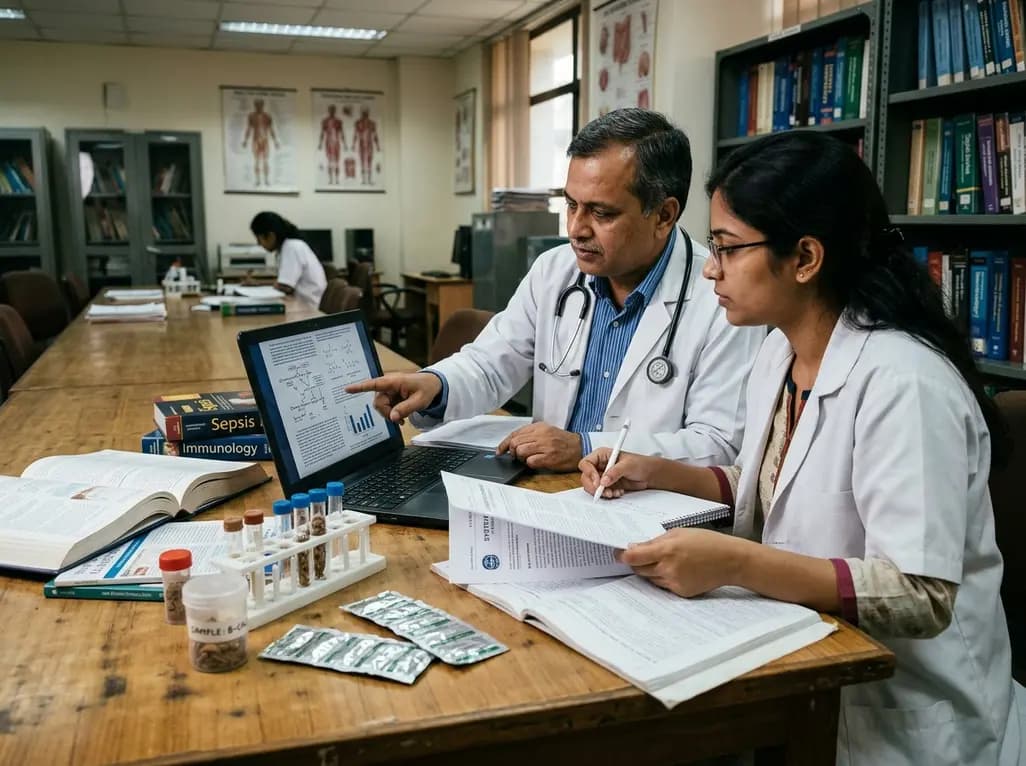
A systematic review of 41 preclinical studies reveals that baicalin dampens systemic inflammation, inhibits NF-κB and NLRP3 pathways, and improves organ preservation in sepsis models. However, substantial study heterogeneity and a complete lack of human clinical trials highlight the need for further translational research.
Today

Discover the crucial distinctions between mesonephric and mesonephric-like proliferations of the female genital tract. Learn the key histomorphologic, immunohistochemical, and molecular differences essential for accurate diagnosis and clinical management.
Today
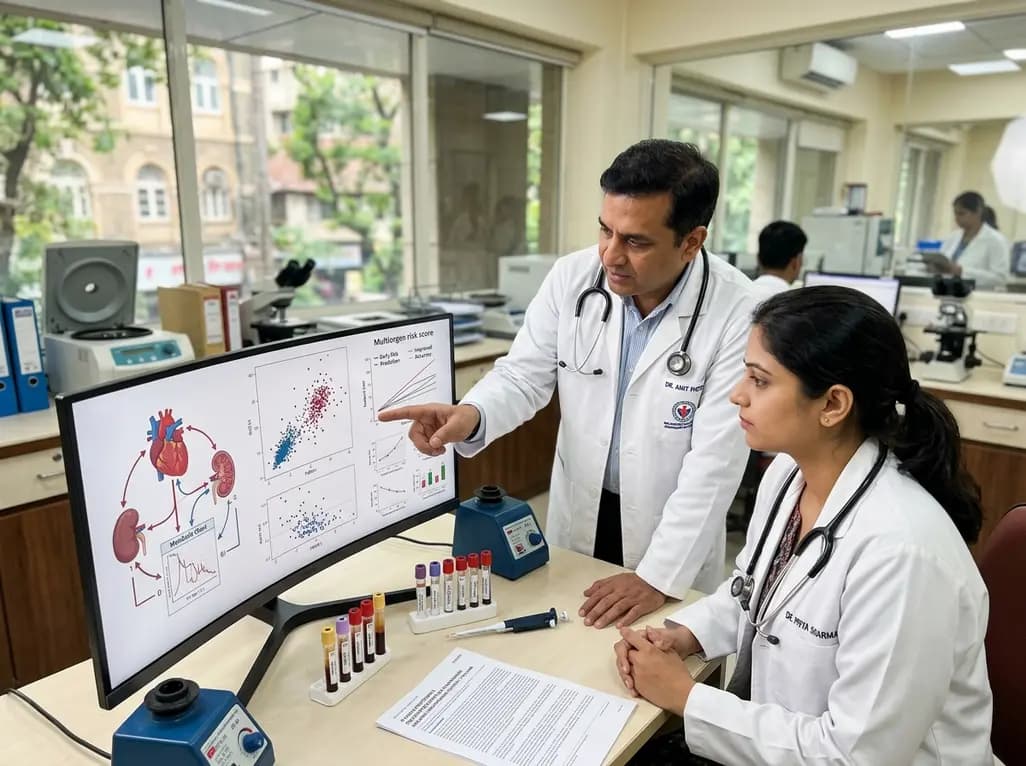
A large UK Biobank study reveals that plasma proteomic signatures capture preclinical organ damage and improve multiorgan risk prediction across early CKM syndrome stages 0 to 2 beyond traditional PREVENT clinical models.
Today
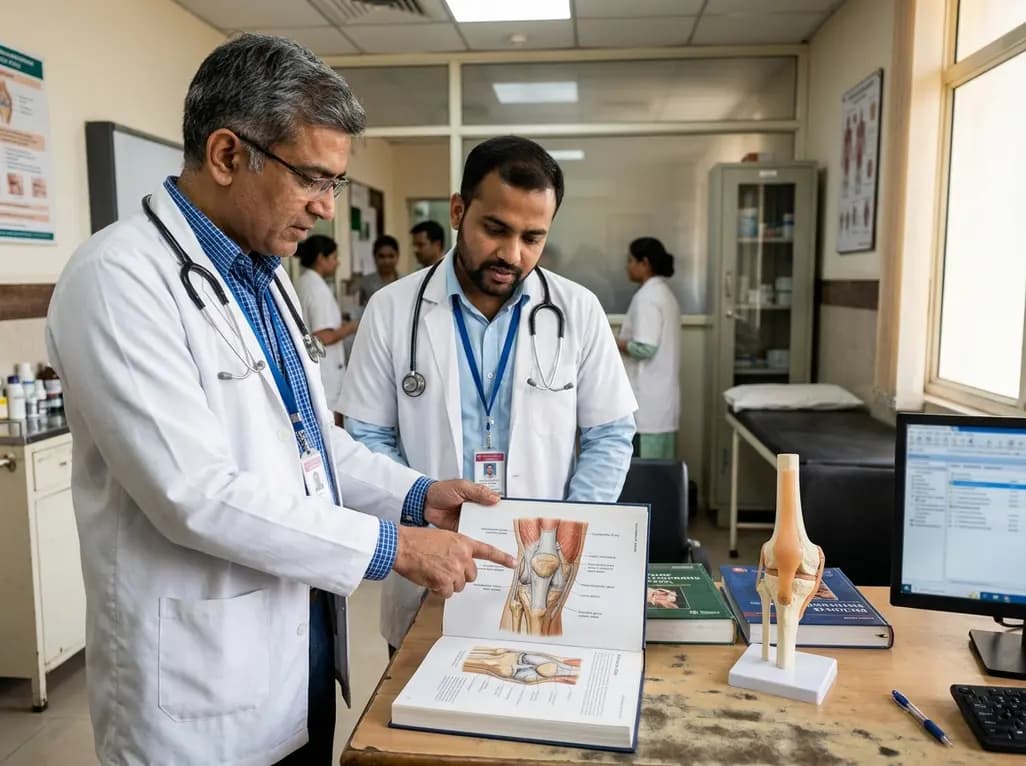
A narrative review investigates whether the articularis genus muscle functions as an independent anatomical entity or blends with the vastus intermedius. We evaluate its morphology, role in retracting the suprapatellar bursa, and direct clinical significance in anterior knee pain and arthroplasty.
Today

A Bayesian multilevel meta-analysis reveals that aerobic training combined with moderate carbohydrate restriction modestly lowers HbA1c in type 2 diabetes. However, sparse data and very low certainty leave incremental benefits over exercise or diet alone unproven, highlighting the need for individualized care.
Today
