.webp&w=384&q=75)

Loading, please wait...
Loading, please wait...
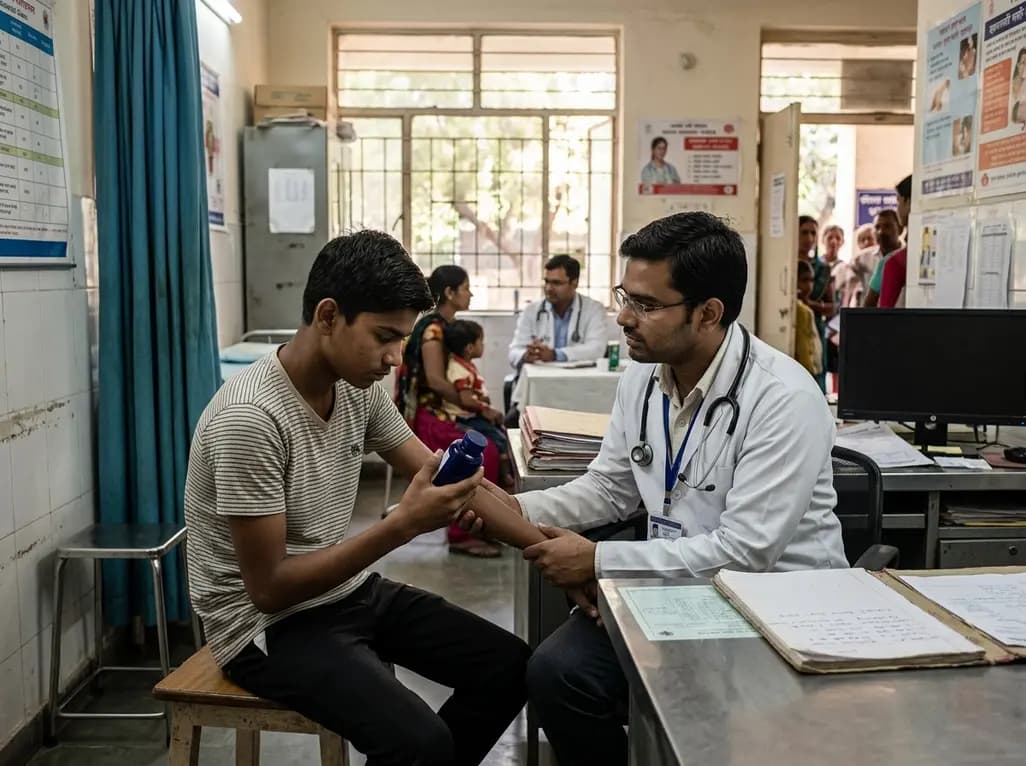
Adolescents with HIV face intricate psychosocial challenges that extend far beyond chronic viral management and pharmacological control. Throughout the crucial transition from childhood to early adulthood, social belonging and peer acceptance remain vital developmental priorities. Unfortunately, societal prejudice and chronic discrimination frequently force these young patients into a persistent state of defensive threat anticipation. Recent behavioral evidence confirms that this chronic anticipation manifests as persistent psychological hypervigilance. Consequently, this heightened vigilance imposes a tremendous burden on psychological well-being, driving social withdrawal, emotional exhaustion, and substantial treatment non-compliance among vulnerable youth.
Hypervigilance represents a state of elevated sensory sensitivity and constant environmental scanning for potential danger. In populations experiencing severe social marginalization, this state operates as a protective coping mechanism against anticipated prejudice. For adolescents with HIV, hypervigilance evolves as a direct response to ambient social stigma and the persistent fear of accidental disclosure. Consequently, young patients continuously monitor their words, physical appearances, and interpersonal environments to conceal their medical diagnosis. Therefore, everyday social scenarios transform into exhausting assessments of exposure risk.
Moreover, chronic alertness places an unyielding burden on the adolescent nervous system. Although vigilance seeks to prevent discrimination, it relentlessly consumes cognitive and emotional bandwidth. As a result, adolescents often experience profound psychological distress, social alienation, and pervasive anxiety. Clinicians working with pediatric and adolescent cohorts must recognize that this constant mental strain directly alters health behaviors. Thus, addressing hypervigilance is fundamental to achieving durable virological suppression and holistic adolescent well-being.
To characterize this psychological phenomenon, researchers conducted a rigorous mixed-methods study exploring the lived experiences of youth. Qualitative in-depth interviews with thirty-nine adolescents revealed four primary thematic domains: the salience of stigma, the embodiment of hypervigilance, hypervigilant monitoring, and subsequent socio-emotional consequences. Together, these domains provide a comprehensive structural framework illustrating how chronic societal prejudice translates into personal distress.
First, the salience of stigma encompasses distinct situational cues that immediately evoke fear of discrimination. Second, the embodiment of hypervigilance reflects how youth perceive HIV as the focal point of all interactions, sparking heightened self-awareness, deep suspicion regarding disclosure, and persistent threat of discovery. Third, hypervigilant monitoring captures the continuous behavioral calculations adolescents use to assess nearby individuals. Finally, socio-emotional consequences emerge, specifically negative self-esteem, intense social avoidance, and severe antiretroviral therapy non-adherence. Hence, these findings clarify the complex internal mechanisms governing adolescent behavior.
Following initial qualitative evaluations, investigators developed a specialized 12-item survey instrument grounded directly in patient narratives. Subsequently, the research team administered this survey to a cohort of 106 adolescents to evaluate its psychometric integrity. Advanced exploratory factor analysis and rigorous reliability assessments demonstrated that the 12-item instrument cleanly loaded onto a single robust factor. Therefore, the scale exhibits high construct validity and exceptional internal consistency for measuring stigma-related alert states.
Furthermore, establishing a validated unidimensional scale provides healthcare providers and behavioral researchers with an objective clinical tool. Previously, clinicians lacked standardized instruments to quantify how acutely an adolescent anticipates discrimination. Because the survey captures core cognitive and behavioral facets of concealment, it allows teams to detect early psychological vulnerability before major clinical decompensation occurs. Consequently, using targeted psychometric screening enhances timely multidisciplinary support.
Quantitative logistic regression analysis demonstrated striking correlations between elevated hypervigilance and adverse clinical outcomes. Specifically, adolescents exhibiting marked hypervigilance experienced an approximate two-fold increase in depressive symptoms (Odds Ratio = 1.75, 95% Confidence Interval: 1.05–2.91). Simultaneously, high hypervigilance nearly doubled the odds of antiretroviral therapy non-adherence (Odds Ratio = 1.83, 95% Confidence Interval: 1.05–3.21). These statistically significant findings confirm that psychological threat anticipation directly impedes medical management.
In addition, these quantitative data bridge the gap between mental health morbidities and clinical pharmacology. When young individuals endure severe depressive symptoms, their motivation and executive functioning decline significantly. Coupled with the fear of being seen taking pills, non-adherence rapidly escalates. Therefore, failure to adhere to prescribed regimens cannot be dismissed as simple forgetfulness; rather, it reflects a deeply rooted psychosocial defense mechanism requiring empathetic clinical intervention.
The socio-emotional cascade triggered by hypervigilance actively dismantles an adolescent's support system. When youth constantly suspect that friends or family might discover their status, they naturally withdraw from meaningful social circles. This self-imposed isolation severely erodes self-esteem and fuels profound loneliness. Over time, chronic alienation compounds depressive affect, leaving adolescents without the emotional resilience needed to navigate lifelong chronic disease management.
Furthermore, the physical act of taking antiretroviral medications represents an immediate threat of exposure to a hypervigilant teen. Carrying pill bottles, swallowing tablets at designated times, or storing medicines at school can trigger severe panic regarding discovery. Consequently, adolescents intentionally skip doses in social or academic settings to prevent unwanted questioning. As missed doses accumulate, viral suppression fails, creating an elevated risk of opportunistic infections and acquired viral drug resistance.
Transforming these empirical insights into clinical practice requires multidisciplinary coordination across infectious disease specialists, pediatricians, psychiatrists, and allied health teams. Healthcare providers must proactively assess the specific situational cues that provoke hypervigilant behavior in school and domestic environments. For example, offering discreet medication packaging, establishing flexible dosing schedules, and utilizing decentralized pharmacy pickups significantly diminish exposure anxiety.
Moreover, integrating trauma-informed cognitive behavioral therapy into routine outpatient visits empowers adolescents to reframe cognitive distortions surrounding disclosure. Group counseling and peer-led navigation networks also normalize the adolescent experience, replacing defensive isolation with community validation. By addressing the psychological roots of stigma, healthcare systems can alleviate depressive distress, safeguard treatment adherence, and dramatically improve long-term survival trajectories for youth.
Hypervigilance forces adolescents with HIV to perceive routine environments as hostile and stigmatizing. Consequently, they constantly fear inadvertent status disclosure during medication administration. When peers, classmates, or relatives are nearby, these young patients actively avoid opening pill containers or taking doses on schedule. This persistent fear triggers social avoidance and deliberate omission of antiretroviral regimens. Over time, recurring concealment behaviors lead to severe treatment non-adherence, viral rebound, and secondary drug resistance.
Clinicians can identify hypervigilance when adolescents exhibit intense anxiety regarding privacy, frequent clinic appointment hesitation, or social withdrawal. Patients often report extreme sensitivity to casual conversations about illness, excessive worry over confidentiality, and heightened self-awareness during routine peer interactions. Furthermore, unexplained drops in antiretroviral adherence, elevated depressive symptoms, and sudden reluctance to discuss medication regimens frequently signal that underlying fear of status discovery is overwhelming the adolescent's emotional coping capacity.
Multidisciplinary teams should integrate routine psychosocial screening, trauma-informed counseling, and peer support programs into adolescent HIV clinics. Clinicians can actively evaluate situational stigma triggers and provide discreet medication packaging or flexible dosing routines. Additionally, psychologists and social workers can guide patients through cognitive reframing strategies and disclosure counseling. Creating affirming, confidential clinical environments diminishes the perceived threat of community discovery and reinforces both emotional resilience and therapeutic adherence.
Disclaimer: This content is for informational and educational purposes only, intended for registered healthcare professionals, and should not replace clinical judgment or institutional protocols. Refer to the latest local and national guidelines for clinical practice.
References

Read summarized clinical updates, watch expert medical content, and earn CME certifications right from your smartphone.
Open your smartphone camera to scan and install.





A mixed-methods study reveals that stigma-induced hypervigilance among adolescents living with HIV significantly elevates depressive symptoms and nearly doubles the odds of ART non-adherence, emphasizing the urgent need for targeted behavioral and psychosocial interventions in adolescent HIV care.
last month

A systematic review of 41 preclinical studies reveals that baicalin dampens systemic inflammation, inhibits NF-κB and NLRP3 pathways, and improves organ preservation in sepsis models. However, substantial study heterogeneity and a complete lack of human clinical trials highlight the need for further translational research.
Today

Discover the crucial distinctions between mesonephric and mesonephric-like proliferations of the female genital tract. Learn the key histomorphologic, immunohistochemical, and molecular differences essential for accurate diagnosis and clinical management.
Today
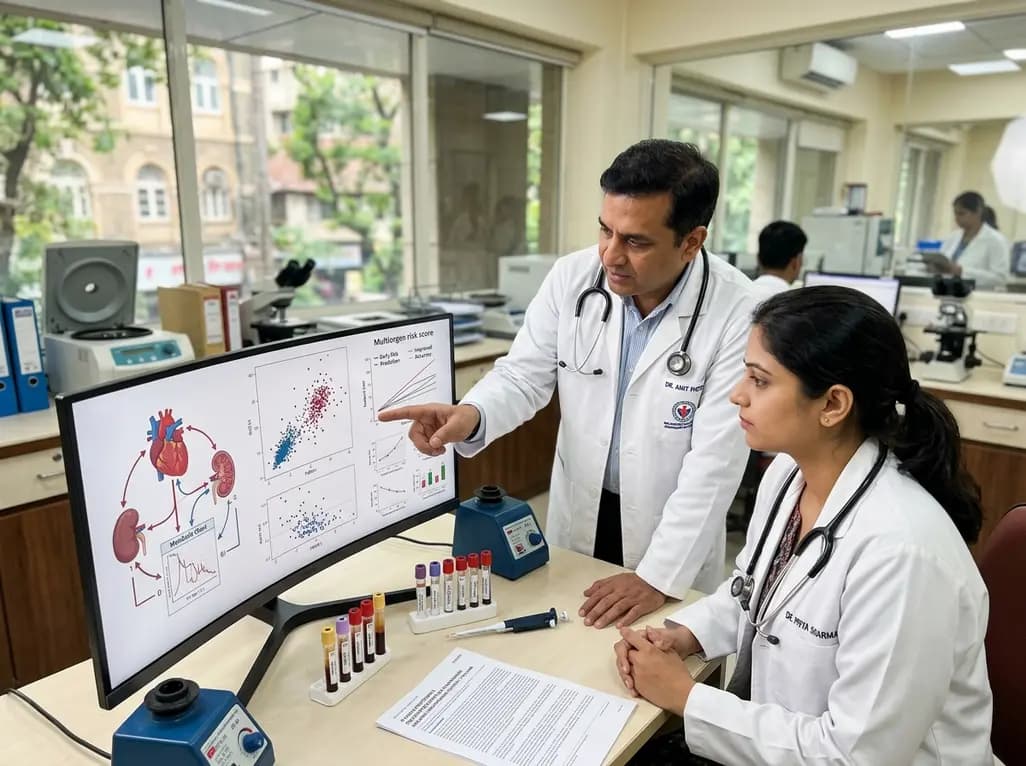
A large UK Biobank study reveals that plasma proteomic signatures capture preclinical organ damage and improve multiorgan risk prediction across early CKM syndrome stages 0 to 2 beyond traditional PREVENT clinical models.
Today

A narrative review investigates whether the articularis genus muscle functions as an independent anatomical entity or blends with the vastus intermedius. We evaluate its morphology, role in retracting the suprapatellar bursa, and direct clinical significance in anterior knee pain and arthroplasty.
Today

A Bayesian multilevel meta-analysis reveals that aerobic training combined with moderate carbohydrate restriction modestly lowers HbA1c in type 2 diabetes. However, sparse data and very low certainty leave incremental benefits over exercise or diet alone unproven, highlighting the need for individualized care.
Today
