.webp&w=384&q=75)

Loading, please wait...
Loading, please wait...
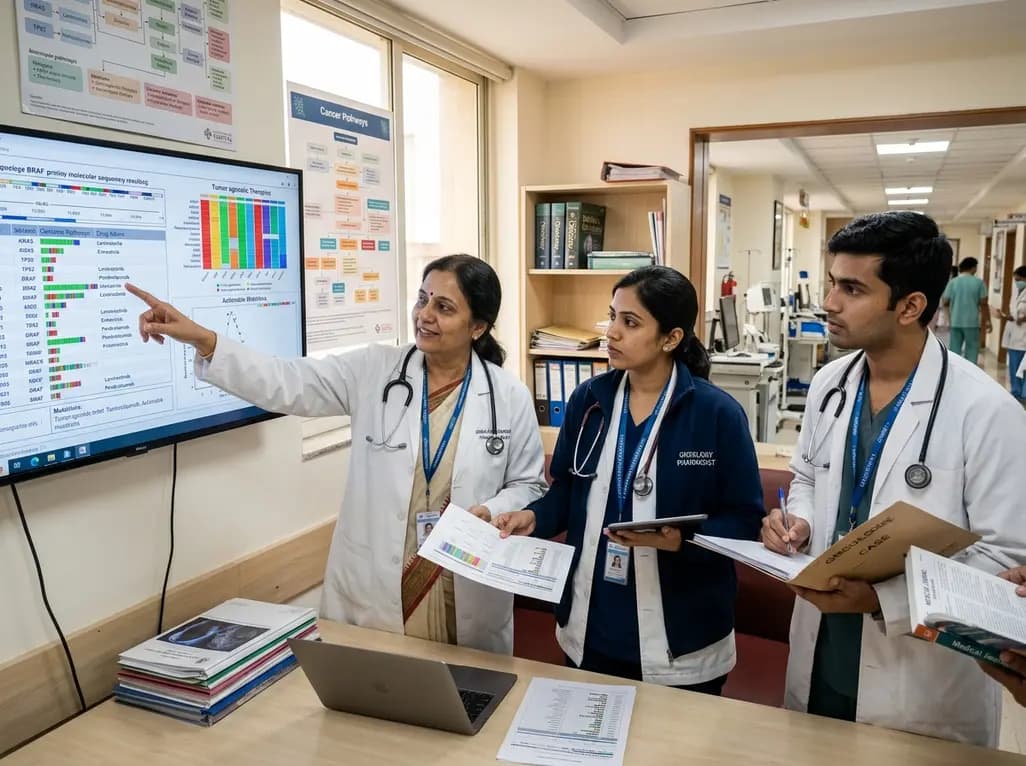
Modern cancer care is undergoing a profound therapeutic transformation. For decades, oncologists classified and managed solid tumors strictly according to primary organ anatomy and tissue histology. However, high-throughput genomic technologies have rewritten this framework by revealing actionable mutations shared across distinct malignancies. Today, the clinical focus has shifted rapidly toward tumor-agnostic therapies, which target defined genomic alterations regardless of where the malignancy originated. By matching therapies directly to cellular vulnerabilities, clinicians can achieve remarkable therapeutic responses in previously refractory settings. This molecular revolution requires significant changes in routine hospital practice. Multidisciplinary healthcare teams, including oncologists, pathologists, and hospital oncology pharmacists, now collaborate closely to operationalize genomic findings. Together, these specialists address access barriers, streamline clinical workflows, and tailor cancer management to individual genomic profiles.
Historically, therapeutic strategies in oncology relied on traditional cytotoxic regimens, surgical resections, and radiation therapy. While these classic modalities remain foundational, they often fail to address the specific biological drivers of disease progression. Consequently, patients with anatomically similar tumors frequently experienced widely divergent clinical outcomes. Over the past decade, advances in next-generation sequencing have dramatically altered clinical practice. Researchers have identified recurring oncogenic mechanisms that drive cellular proliferation across diverse organ types. For instance, alterations in kinase pathways can propel tumor growth identically in gastrointestinal, thoracic, or gynecologic cancers. Therefore, contemporary therapeutic strategies increasingly depend on genomic characterization rather than anatomical origin alone. This conceptual leap allows oncologists to select targeted agents based on shared genetic pathways. As molecular testing becomes more accessible, hyperpersonalized treatment strategies are replacing conventional, uniform chemotherapy protocols. This transition offers renewed hope for patients facing rare tumors or chemoresistant malignancies.
Regulatory agencies worldwide have granted landmark approvals for histology-independent regimens over the past decade. Specifically, the detection of microsatellite instability-high or mismatch repair deficiency opened new avenues for immune checkpoint inhibition across dozens of solid tumor types. Furthermore, neurotrophic tyrosine receptor kinase fusions provided another critical milestone for targeted precision therapy. Agents such as larotrectinib and entrectinib demonstrate profound and durable responses in patients harboring these rare gene rearrangements. Similarly, clinicians now leverage selective inhibitors against rearranged during transfection alterations in diverse advanced cancers. In addition, combined BRAF and MEK inhibition provides robust disease control for tumors harboring BRAF V600E mutations, including biliary tract and anaplastic thyroid cancers. More recently, human epidermal growth factor receptor 2 has emerged as a compelling pan-cancer target. Novel antibody-drug conjugates deliver potent cytotoxic payloads directly to cells exhibiting receptor overexpression across non-breast and non-gastric cancers. Thus, tumor-agnostic therapies have expanded the standard therapeutic armamentarium substantially.
Despite remarkable therapeutic successes, significant biological and operational barriers continue to complicate precision oncology. Cancer biology rarely operates in total isolation from its surrounding tissue architecture. Indeed, the specific tissue of origin still modulates downstream signaling and treatment sensitivity. For example, BRAF V600E inhibitors demonstrate potent single-agent activity in melanoma but require concurrent epidermal growth factor receptor blockade in colorectal cancer. Furthermore, concurrent genetic alterations, such as tumor suppressor loss, can rapidly drive secondary therapeutic resistance. The surrounding tumor microenvironment also impairs drug delivery and blunts antitumor immune responses. Beyond biological complexity, healthcare systems face significant operational bottlenecks. Many community hospitals and regional cancer centers lack immediate access to comprehensive genomic profiling platforms. Moreover, interpreting massive bioinformatics data demands substantial institutional expertise. Communicating complex genomic reports to patients also requires considerable time and clarity. Consequently, oncology teams must establish robust workflows to interpret molecular data accurately and implement timely interventions.
Hospital oncology pharmacists serve as essential catalysts in operationalizing personalized cancer regimens within modern hospital systems. Because genomic profiling yields intricate clinical reports, pharmacists play an active role in institutional molecular tumor boards. They meticulously review next-generation sequencing results to identify actionable molecular targets and match them with appropriate targeted therapies. Furthermore, these clinical specialists evaluate emerging evidence from basket trials and real-world registries to support clinical decision-making. When standard commercial options are unavailable, hospital oncology pharmacists navigate early-access initiatives, compassionate-use protocols, and clinical trial enrollment pathways. This proactive coordination ensures that eligible patients receive cutting-edge molecular therapies without unnecessary logistical delays. Additionally, pharmacists collaborate with clinical pathology laboratories to optimize turnaround times for critical biomarker tests. Their pharmacological expertise bridges the gap between laboratory bioinformatics and bedside patient care. By championing structured genomic workflows, oncology pharmacists substantially expand equitable access to innovative cancer care.
The clinical oversight provided by oncology pharmacists extends far beyond treatment selection. Because many tumor-agnostic agents are administered orally over prolonged periods, maintaining consistent medication adherence is vital for treatment success. Pharmacists conduct comprehensive patient consultations to explain administration schedules, food requirements, and potential missed-dose protocols. Furthermore, they perform exhaustive assessments of potential drug-drug interactions before patients initiate therapy. Many targeted kinase inhibitors utilize cytochrome P450 enzymatic pathways, making them susceptible to interactions with common supportive medications. Concomitant use of acid-suppressive agents, anticonvulsants, or herbal supplements can alter systemic drug bioavailability significantly. Moreover, oncology pharmacists design proactive toxicity management protocols to address unique adverse events, such as interstitial lung disease, cardiotoxicity, or immune-mediated dermatitis. Routine longitudinal follow-up enables early identification of toxicities, allowing timely dose titrations without compromising overall efficacy. Consequently, clinical pharmacy interventions safeguard patient safety and maximize therapeutic persistence throughout long-term treatment.
Key actionable biomarkers guiding these treatments include microsatellite instability-high or mismatch repair deficiency, neurotrophic tyrosine receptor kinase fusions, and rearranged during transfection fusions. Additionally, oncologists regularly evaluate BRAF V600E mutations and human epidermal growth factor receptor 2 alterations across multiple non-traditional tumor sites. Identifying these genomic changes enables clinicians to choose targeted agents or immune checkpoint inhibitors that selectively attack oncogenic pathways irrespective of the original organ histology.
Although tumor-agnostic treatments target specific genomic alterations, the surrounding tissue context profoundly influences therapeutic efficacy. Specifically, local signaling pathways, co-occurring genetic mutations, and immune cell infiltration within the microenvironment can mediate primary or secondary drug resistance. For example, identical mutations may trigger distinct biological feedback loops in colorectal versus thyroid tissues. Therefore, clinicians must consider both the molecular driver and the local microenvironment when predicting durable therapeutic responses.
Hospital oncology pharmacists play pivotal roles in molecular tumor boards by translating genomic findings into feasible pharmacological strategies. Furthermore, they evaluate complex drug-drug interactions, adjust doses for organ dysfunction, and facilitate patient enrollment in compassionate-use or clinical trial protocols. Pharmacists also educate patients regarding strict oral adherence and proactively monitor targeted adverse effects. Consequently, their specialized clinical oversight mitigates preventable toxicities and optimizes overall survival in precision oncology programs.
Disclaimer: This content is for informational and educational purposes only and should not be considered medical advice. Healthcare professionals should exercise their clinical judgment when evaluating patient care. Refer to the latest local and national guidelines for clinical practice.
References

Read summarized clinical updates, watch expert medical content, and earn CME certifications right from your smartphone.
Open your smartphone camera to scan and install.





As oncology shifts from organ-specific models to molecular profiling, tumor-agnostic therapies target specific genomic alterations across cancer types. Hospital oncology pharmacists play a vital role in molecular tumor boards, clinical trials, drug interaction evaluation, toxicity monitoring, and patient adherence.
Today

A nationwide cohort study of 5.3 million older adults in South Korea reveals that chronic exposure to fine particulate matter and ozone modestly elevates the risk of incident Parkinson's disease, highlighting crucial clinical and public health implications for neurodegenerative care.
Today
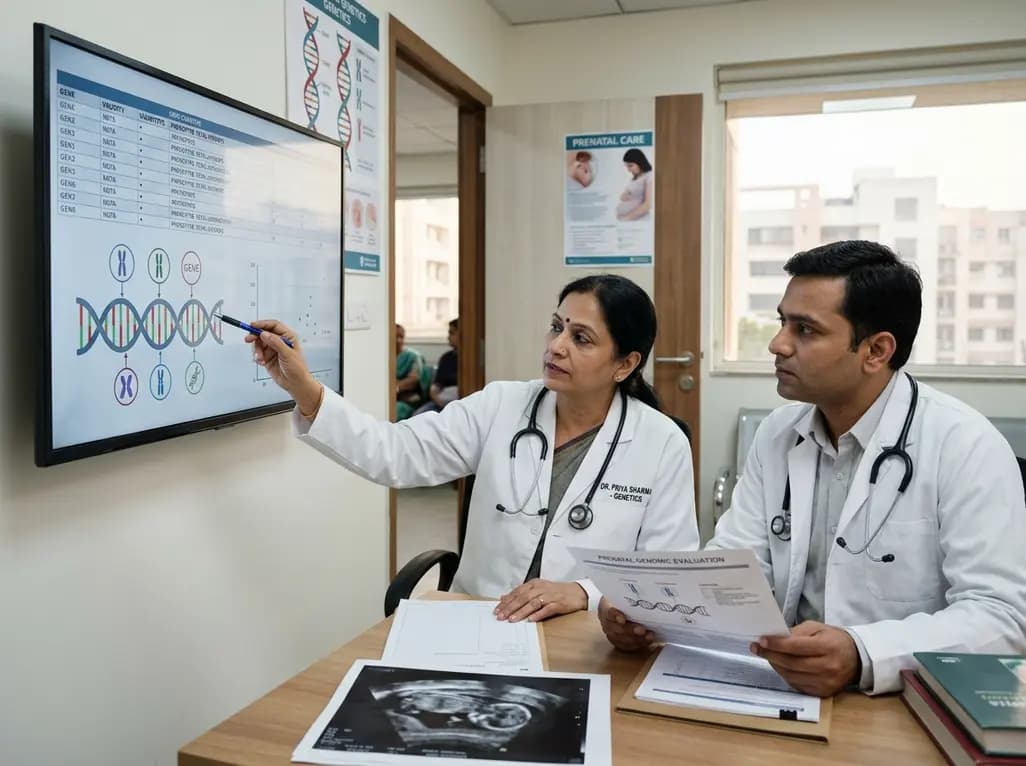
The ClinGen Prenatal Gene Curation Expert Panel evaluated 63 disease relationships across 61 genes, establishing clinical validity for severe fetal phenotypes like hydrops and stillbirth to enhance prenatal genomic interpretation and clinical care.
Today
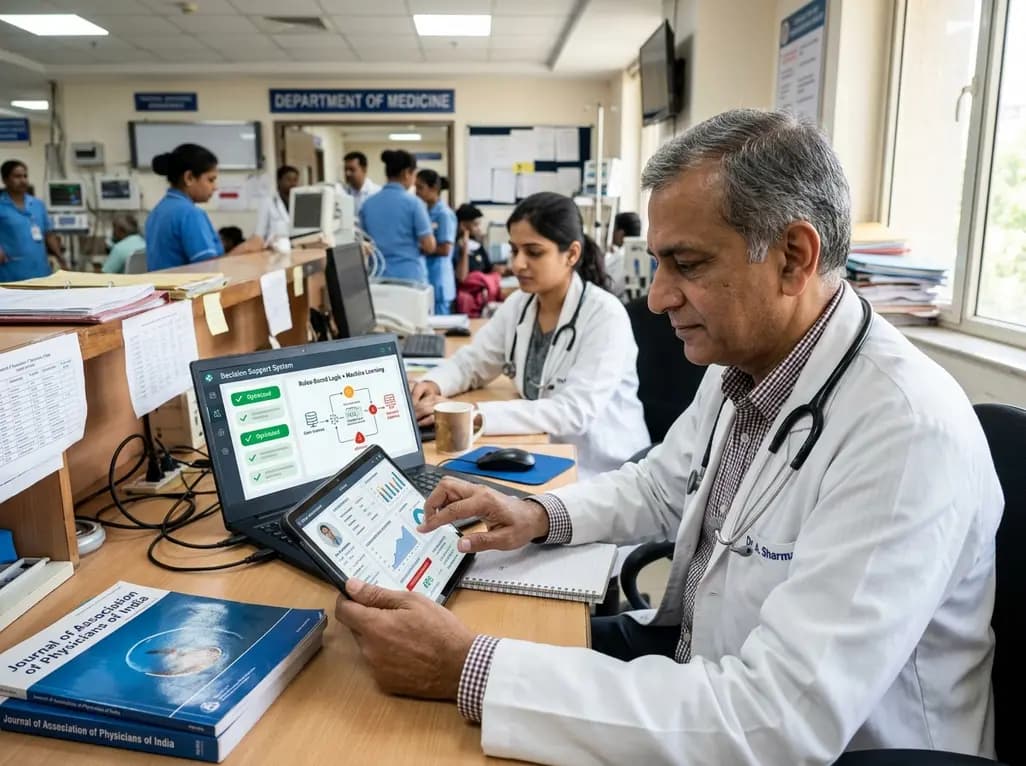
A multicenter study validates a hybrid clinical decision support system combining rule-based logic and machine learning to optimize anticoagulant prescription reviews, reducing alert fatigue and intercepting prescribing errors.
Today
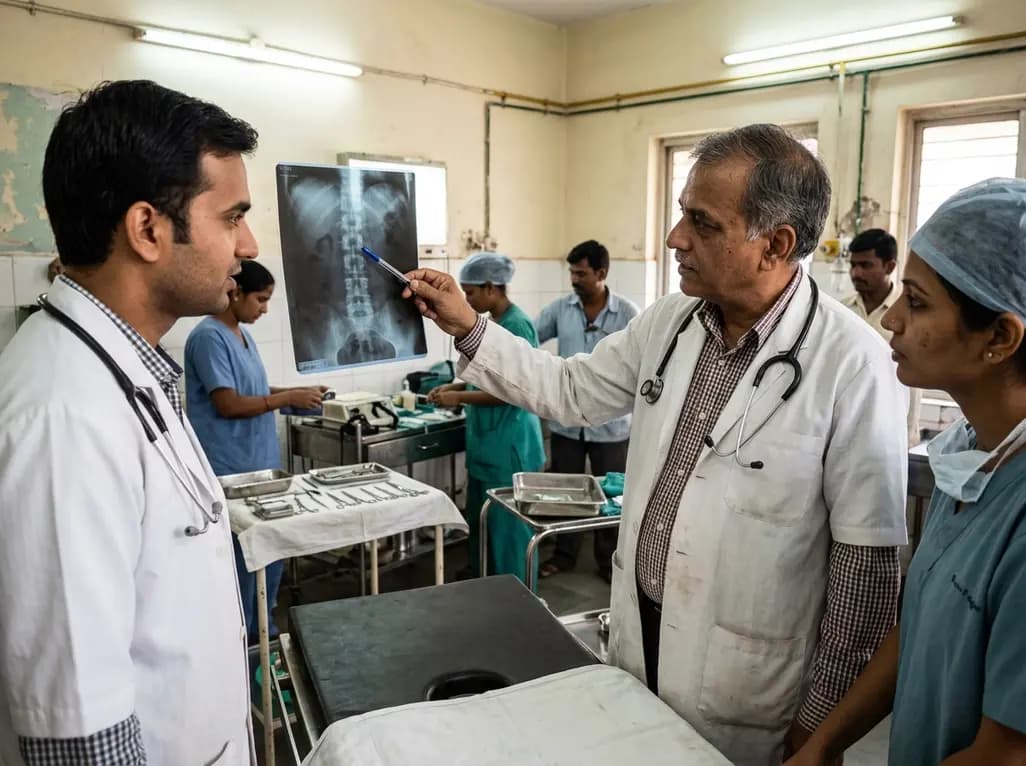
Spine surgery missions in low-resource settings bridge global healthcare gaps when executed with ethical rigor, meticulous logistics, and sustained local partnerships. Learn key practical strategies for financial planning, equipment procurement, patient selection, and bilateral surgical education.
Today

Clinical guidelines rely heavily on isolated biomarkers like IGF-1 and HbA1c. However, portal insulin delivery fundamentally gates hepatic growth hormone sensitivity. This physiological continuum unites type 1 and type 2 diabetes, obesity, cirrhosis, and acromegaly, challenging conventional treatment strategies.
Today
