.webp&w=384&q=75)

Loading, please wait...
Loading, please wait...

Hyperinsulinemia and Gastric Cancer represent a critical intersection between metabolic dysfunction and oncogenesis. For over two decades, extensive research has highlighted how elevated insulin levels act as a potent growth factor for tumor cells. Specifically, this metabolic state provides the necessary stimuli and chemical energy for malignant cells to thrive and survive. This review synthesizes current evidence to explore the biochemical pathways involved and evaluates clinical management strategies to mitigate these risks for patients.
The link between these conditions involves the direct activation of the PI3K/AKT and MAPK/ERK signaling cascades. These pathways are frequently dysregulated in gastric cancer through the overexpression of insulin receptor isoform A. Furthermore, oncogenic mutations in key regulatory proteins amplify these signals significantly. Consequently, the tumor microenvironment experiences increased cell proliferation, enhanced angiogenesis, and a heightened resistance to standard therapies. These changes make the cancer more aggressive and harder to treat.
Additionally, the intricate crosstalk between these cascades and other pathways, such as NF-kB and JAK/STAT, fosters a pro-inflammatory milieu. This inflammatory environment promotes a mesenchymal phenotype and drives tumor microenvironment remodeling. Therefore, clinicians must recognize hyperinsulinemia not merely as a diabetic precursor, but as a direct biochemical driver of gastric malignancy progression. Addressing insulin resistance early may be vital in preventing cancer development.
Management strategies focus on modulating these metabolic stimuli through both dietary interventions and pharmacological approaches. Notably, recent clinical evidence suggests that metformin significantly alters the course of the disease. A comprehensive meta-analysis indicates that metformin use correlates strongly with a reduced risk of gastric cancer, showing a Hazard Ratio (HR) of 0.67. Moreover, patients taking metformin often experience better clinical outcomes, including lower recurrence rates (HR: 0.61). These findings emphasize the clinical importance of insulin-sensitizing therapies in modern oncology care.
Hyperinsulinemia promotes gastric cancer by activating specific signaling pathways like PI3K/AKT and MAPK/ERK. These pathways increase cell proliferation and tumor survival by providing metabolic energy and growth signals to malignant cells.
Metformin significantly reduces the risk of developing gastric cancer and lowers the likelihood of recurrence after treatment. It achieves this by sensitizing tissues to insulin and inhibiting the oncogenic signaling pathways that drive tumor growth.
Disclaimer: This content is for informational and educational purposes only. It does not constitute medical advice or a substitute for professional diagnosis or treatment. Clinicians should use their professional judgment and consider individual patient factors. Refer to the latest local and national guidelines for clinical practice.
References
Laurenziello P et al. A sweet danger: the silent link between hyperinsulinemia and gastric cancer. Mol Cancer. 2026 May 25. doi: 10.1186/s12943-026-02693-8. PMID: 42185920.
Tseng CH. Metformin and gastric cancer risk in patients with type 2 diabetes mellitus. World J Gastroenterol. 2016;22(4):1666-1673.
Wang H et al. Hyperinsulinemia and its role in cancer development and progression. Endocr-Relat Cancer. 2020.

Read summarized clinical updates, watch expert medical content, and earn CME certifications right from your smartphone.
Open your smartphone camera to scan and install.





Explore how hyperinsulinemia drives gastric cancer via metabolic signaling and the protective potential of metformin in clinical oncology....
4 months ago

Explore vital recurrent stroke predictors in lacunar stroke patients managed with intensive blood pressure lowering. This analysis examines trial findings from SPS3 to uncover residual vascular risks, metabolic factors, and targeted secondary prevention strategies for high-risk neurological patients.
Today
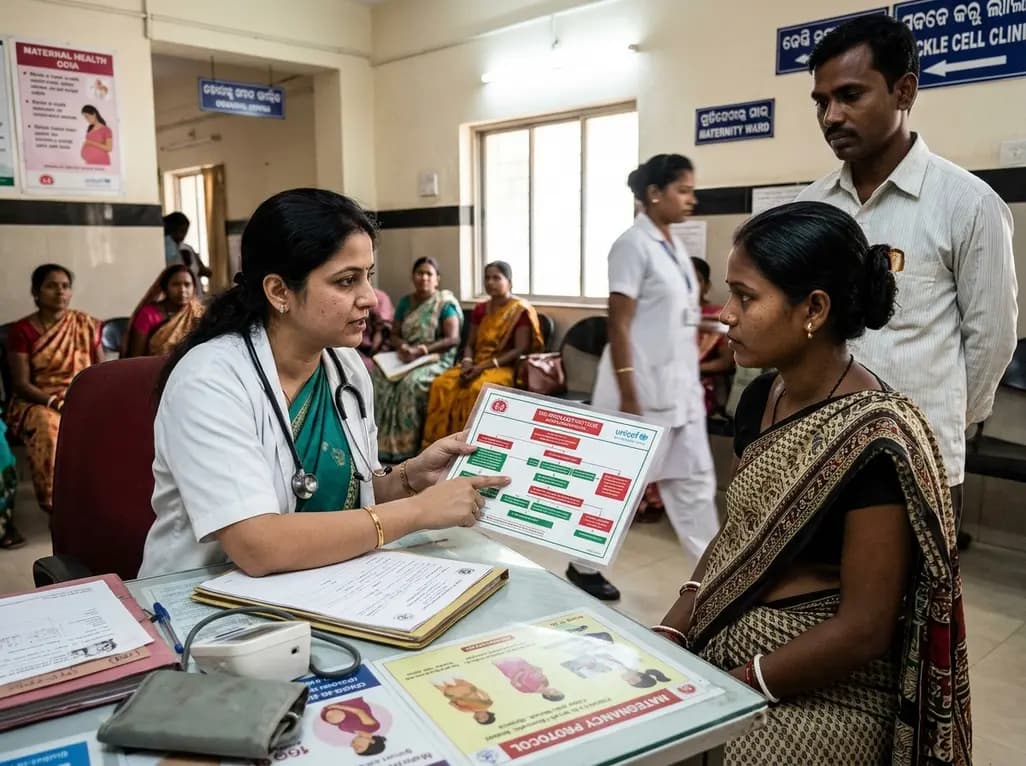
Odisha has established India's first state-level clinical protocol specifically tailored for pregnant women with sickle cell disease. Developed with NHM and UNICEF, the framework provides structured antenatal screening, crisis mitigation, standardized referral pathways, and specialized interdisciplinary care.
Today

The Directorate General of Health Services directs Indian states to halt the hazardous reuse and reprocessing of single-use medical devices. Discover regulatory implications under the Drugs and Cosmetics Act, critical infection risks, legal liabilities, and operational changes required across clinical specialties.
Today
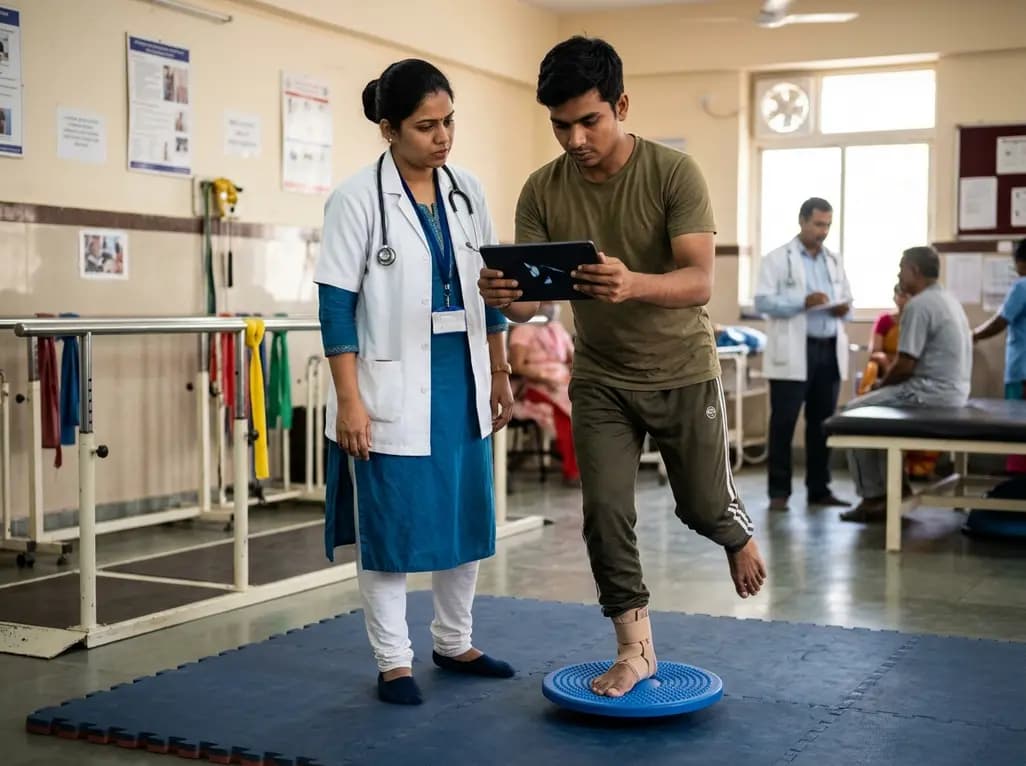
A randomized controlled trial demonstrates that an eight-week dual-task training intervention significantly improves static and dynamic postural control over standard balance exercises in individuals with chronic ankle instability, addressing critical neurocognitive deficits during athletic and daily activities.
Today

India is advancing preventive healthcare by integrating genomics, artificial intelligence, and quantum technologies. With the SANGAM programme sequencing one million Indian genomes, clinicians can unlock personalized therapies, detect cardiometabolic risks early, and curb the burden of diabetes and heart disease.
Today
