

Loading, please wait...
Loading, please wait...
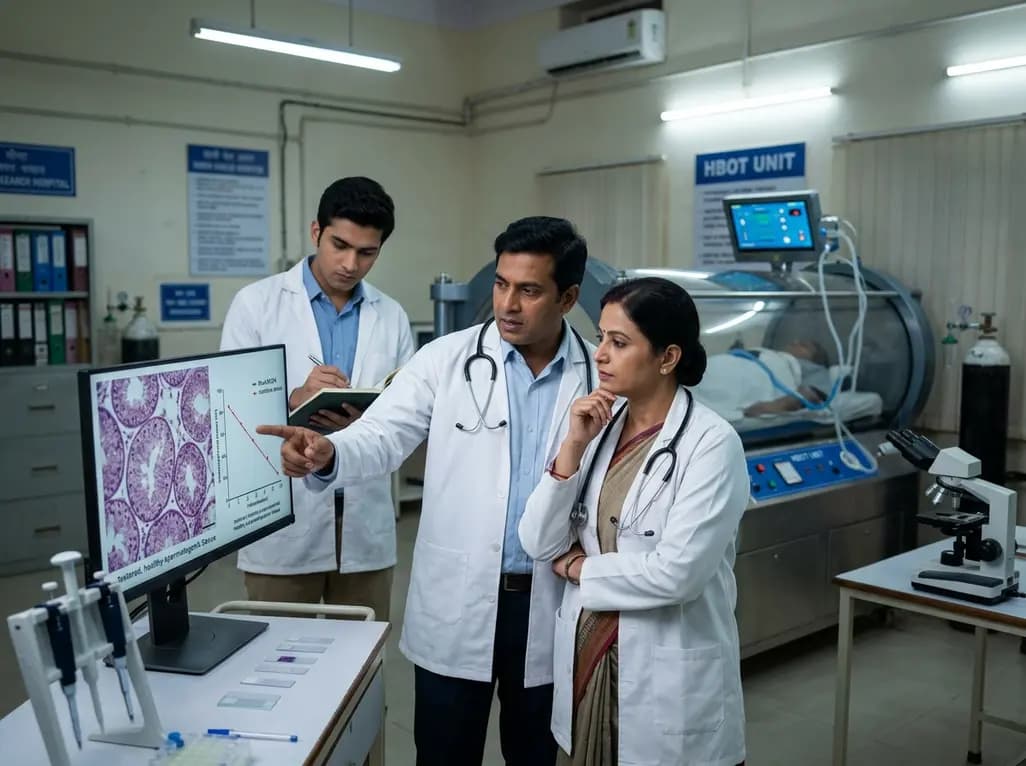
Cyclophosphamide remains an indispensable alkylating agent widely prescribed in clinical oncology, hematology, and rheumatology. However, systemic chemotherapy often triggers severe gonadal toxicity, presenting a critical concern for young male patients. Recent experimental research demonstrates that hyperbaric oxygen therapy significantly alleviates cyclophosphamide-induced testicular injury. By delivering 100 percent pure oxygen under elevated atmospheric pressures, this modality enhances systemic tissue oxygenation and counteracts cellular hypoxia. Chemotherapy generates reactive oxygen species, which subsequently damage germ cells, deplete spermatogonial stem cells, and trigger Sertoli cell apoptosis. Consequently, affected individuals frequently experience irreversible oligozoospermia or complete azoospermia. Preclinical researchers administered hyperbaric oxygen therapy at 2.5 atmospheres absolute for 60 minutes daily, five days weekly over two weeks, following high-dose cyclophosphamide regimens in murine models. The investigators observed notable histological and functional recovery across all treated subjects. Therefore, hyperbaric oxygen therapy provides a compelling, non-invasive therapeutic candidate to preserve male gonadal health during aggressive cytotoxic regimens. Understanding these protective molecular pathways is crucial for expanding oncofertility preservation strategies in modern reproductive oncology.
The Ras homolog gene family member A (RhoA) and its downstream effector, Rho-associated coiled-coil containing protein kinase (ROCK), govern vital cellular processes. Specifically, the RhoA/ROCK signaling axis coordinates actin cytoskeleton organization, junction assembly, apoptosis, and inflammatory cascades. Under pathological exposure to cyclophosphamide, testicular tissue exhibits robust overactivation of the RhoA/ROCK pathway. This aberrant molecular activation destabilizes the blood-testis barrier, alters tight junction protein distribution, and promotes widespread apoptosis among dividing spermatocytes. Furthermore, overstimulated ROCK signaling accelerates mitochondrial dysfunction, precipitating cell death within the seminiferous epithelium. Notably, the administration of hyperbaric oxygen therapy markedly downregulates RhoA and ROCK protein expression levels in testicular tissue. To validate this molecular dependency, scientists analyzed RhoA knockout mice exposed to identical cytotoxic protocols. Interestingly, genetic depletion of RhoA replicated the profound cytoprotective effects achieved with oxygen chambers. Both genetic disruption and atmospheric oxygen treatment effectively prevented apoptotic cell loss, maintained cellular architecture, and preserved junctional integrity. Consequently, targeted suppression of the RhoA/ROCK pathway represents the primary biochemical mechanism through which hyperbaric interventions counteract chemotherapeutic gonadal injury.
Cyclophosphamide exposure precipitates dramatic declines in essential semen quality metrics and endocrine parameters. In untreated chemotherapy cohorts, animals exhibited marked oligospermia, decreased progressive motility, and elevated morphological anomalies. In contrast, post-chemotherapy hyperbaric oxygen therapy restored functional reproductive parameters to near-physiological levels. Most impressively, the treatment increased total epididymal sperm count by 80.95 percent compared with chemotherapy exposure alone. In addition, treated cohorts showed marked improvements in progressive motility alongside substantial decreases in abnormal sperm morphology. Beyond cellular improvements, cyclophosphamide severely compromises Leydig cell steroidogenesis, leading to precipitously reduced serum testosterone concentrations and disrupted gonadotropin feedback. Hyperbaric oxygen therapy successfully reversed this endocrine deficit by preserving Leydig cell viability and stimulating testosterone synthesis. Furthermore, the therapy normalized circulating luteinizing hormone and follicle-stimulating hormone profiles, restoring hypothalamic-pituitary-gonadal axis equilibrium. Consequently, these synchronized hormonal and cellular recoveries underscore the comprehensive systemic efficacy of hyperbaric chambers in mitigating drug-induced subfertility.
Oxidative stress constitutes the fundamental cytotoxic driver underlying cyclophosphamide-induced gonadal destruction. Hepatic metabolism of cyclophosphamide yields toxic metabolites like acrolein, which exhaust intracellular glutathione stores and trigger profound lipid peroxidation in testicular membranes. Testicular tissue remains exceptionally vulnerable to free radical damage because of its high polyunsaturated fatty acid content and rapid mitotic turnover. However, hyperbaric oxygen therapy substantially elevates key antioxidant enzymes, including superoxide dismutase, catalase, and glutathione peroxidase. Concurrently, the therapy dramatically curtails malondialdehyde concentrations, indicating diminished peroxidative damage. Histopathological examination of the testes revealed that hyperbaric exposure successfully preserved seminiferous tubule diameter, epithelial thickness, and germ cell layers. In addition, the therapy maintained the structural integrity of the basement membrane, preventing tubular atrophy and interstitial fibrosis. By quenching intracellular free radicals and suppressing inflammatory cytokine production, hyperbaric oxygen shields both germinal and somatic cells from oxidative annihilation. Therefore, hyperbaric therapy creates an optimal cellular microenvironment that supports ongoing spermatogenesis despite severe initial chemotherapeutic insult.
Preserving long-term fertility represents an essential facet of modern comprehensive survivorship care for adolescents and adult male cancer patients. While sperm cryopreservation remains the standard fertility preservation strategy, prepubertal boys or critically ill patients often cannot produce viable semen samples prior to emergency chemotherapy. Therefore, pharmacological and physiological interventions that actively protect gonadal architecture against cytotoxic insults address a critical unmet medical necessity. Hyperbaric oxygen therapy enjoys extensive regulatory safety data, given its established use in treating radiation necrosis, diabetic foot ulcers, and refractory hemorrhagic cystitis. Integrating hyperbaric oxygen sessions into post-chemotherapy recovery protocols could provide a practical, non-pharmacological adjunct to protect spermatogonia and Leydig cell reservoirs. Nevertheless, translating these murine findings into human reproductive medicine mandates rigorous clinical trials. Clinicians must establish standardized hyperbaric dosing protocols, optimal treatment timing, and long-term genomic safety in human gametes. Ultimately, targeting the RhoA/ROCK axis via hyperbaric oxygen therapy introduces an innovative, biologically sound avenue to safeguard reproductive health in male oncology patients.
Hyperbaric oxygen therapy delivers elevated atmospheric oxygen to hypoxic tissues, thereby attenuating oxidative stress and suppressing toxic cellular pathways. Specifically, it stimulates endogenous antioxidant enzyme activity, preserves blood-testis barrier integrity, and downregulates the apoptotic RhoA/ROCK signaling pathway. Consequently, the therapy protects both developing germ cells and hormone-producing Leydig cells from chemotherapeutic destruction.
The RhoA/ROCK pathway regulates actin cytoskeleton dynamics, intercellular junctions, and apoptotic programming within testicular tissue. Cytotoxic drugs provoke pathologically elevated RhoA/ROCK activity, which disrupts the blood-testis barrier, impairs spermatogenesis, and triggers widespread apoptosis among germ cells. Suppressing this signaling cascade effectively halts cellular degeneration and preserves normal testicular architecture.
Hyperbaric oxygen therapy cannot currently replace standard sperm cryopreservation, which remains the definitive gold standard for male fertility preservation. Although preclinical evidence proves highly encouraging, human clinical trials must first establish safety, optimal dosing, and long-term efficacy. Therefore, hyperbaric treatment should be regarded as a promising complementary investigative approach rather than an established substitute.
Disclaimer: This content is for informational and educational purposes only... Refer to the latest local and national guidelines for clinical practice.
References
Ma L et al. Hyperbaric oxygen therapy ameliorates cyclophosphamide-induced spermatogenic impairment by suppressing the RhoA/ROCK signaling pathway in mice. Toxicol Mech Methods. 2026 Oct 19. doi: 10.1080/15376516.2026.2750253. PMID: 42894968.
Elangovan N, Chiou TJ, Tzeng WF, Chu ST. Cyclophosphamide treatment causes impairment of sperm and its fertilizing ability in mice. Toxicology. 2006;222(1-2):60-70.
Li Y, et al. Hyperbaric oxygen therapy for male infertility: a systematic review and meta-analysis on improving sperm quality and fertility outcomes. Front Endocrinol (Lausanne). 2025;16:1502441.

Read summarized clinical updates, watch expert medical content, and earn CME certifications right from your smartphone.
Open your smartphone camera to scan and install.





A preclinical study reveals that hyperbaric oxygen therapy significantly ameliorates cyclophosphamide-induced spermatogenic impairment and testicular injury by suppressing the RhoA/ROCK pathway and mitigating oxidative stress, offering novel insights for male fertility preservation.
Today
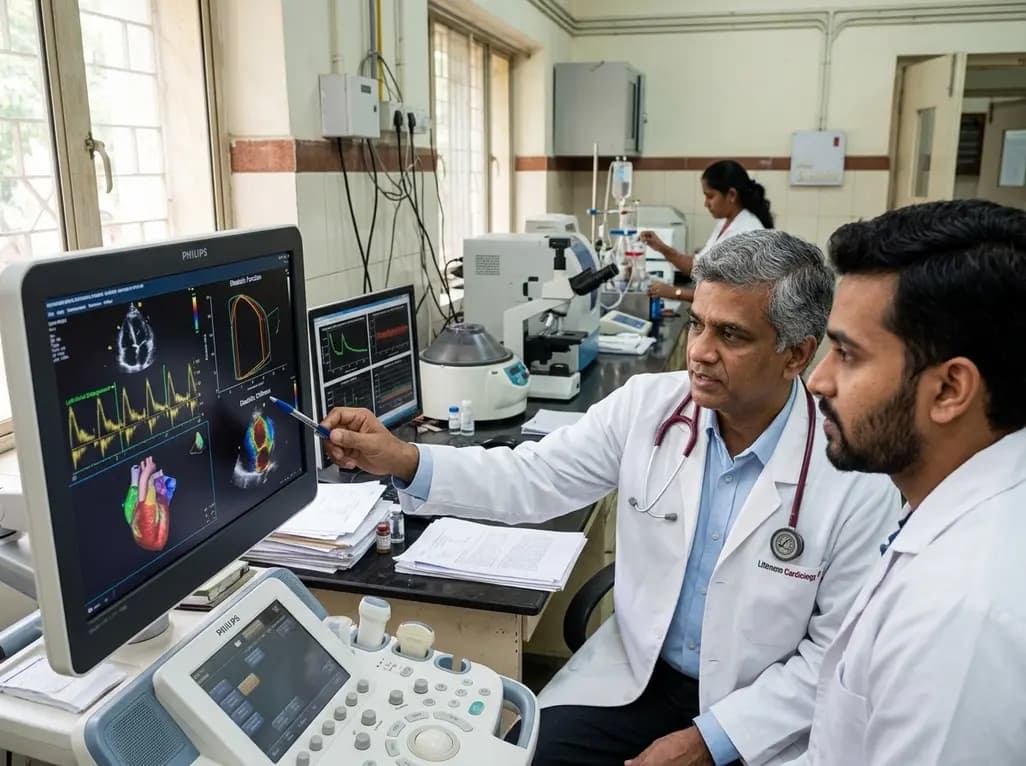
A study evaluates a cardiometabolic HFpEF model combining metabolic stress with chronic mineralocorticoid excess. The findings reveal profound diastolic stiffness, endothelial dysfunction, and pulmonary hypertension, illuminating key pathophysiological mechanisms for targeted cardiopulmonary therapies.
Today
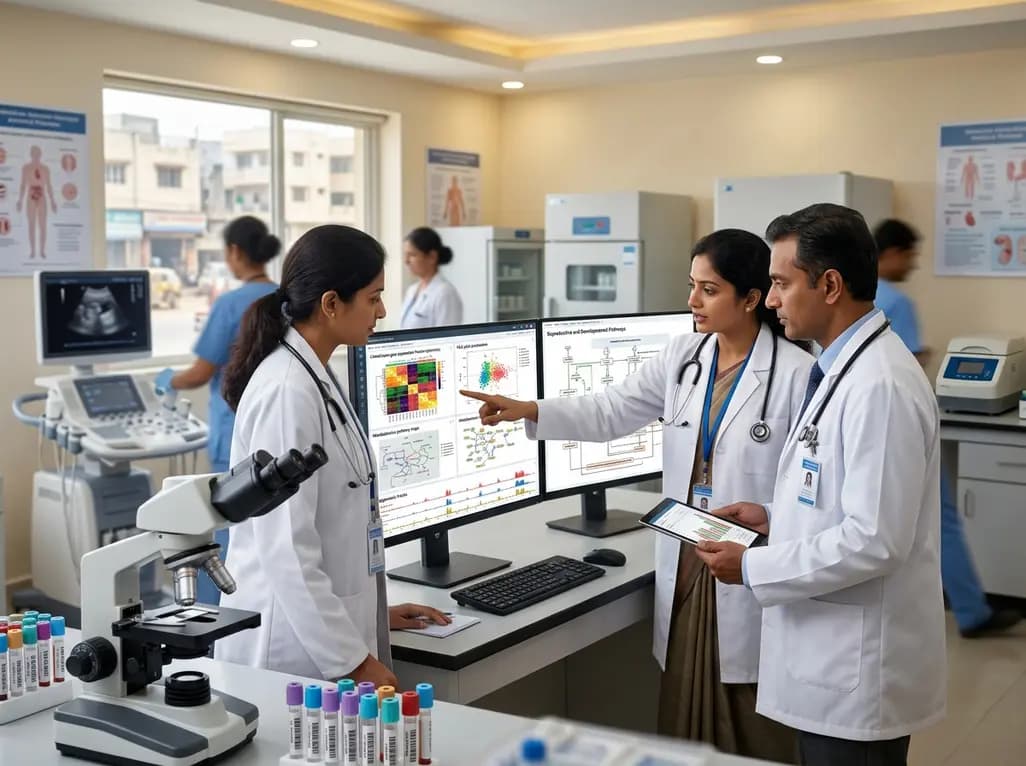
The Human Reproduction and Development Database (HRD) consolidates bulk and single-cell transcriptomics, epigenomics, metabolomics, proteomics, and clinical trial records into a unified platform to advance reproductive health research.
Today

Partial heart transplantation offers living, growth-capable cardiac valve replacements for children. While orthotopic heart transplantation faces severe logistical barriers in low-resource settings, partial transplantation presents lower graft ischemia sensitivity and simplified immunosuppression protocols.
Today
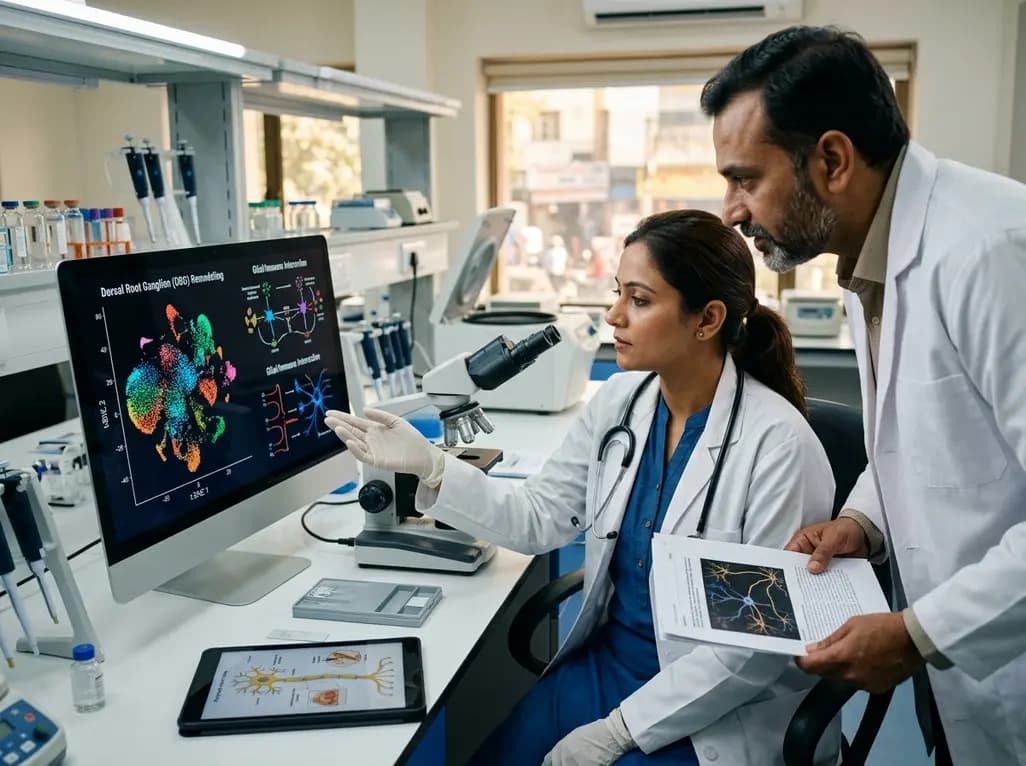
A single-cell transcriptomic atlas reveals how peripheral nerve injuries cause dorsal root ganglion remodeling. By evaluating proximal nerve crush and resection, researchers identify distinct glial and immune programs that resolve neuropathic pain and promote regeneration.
Today
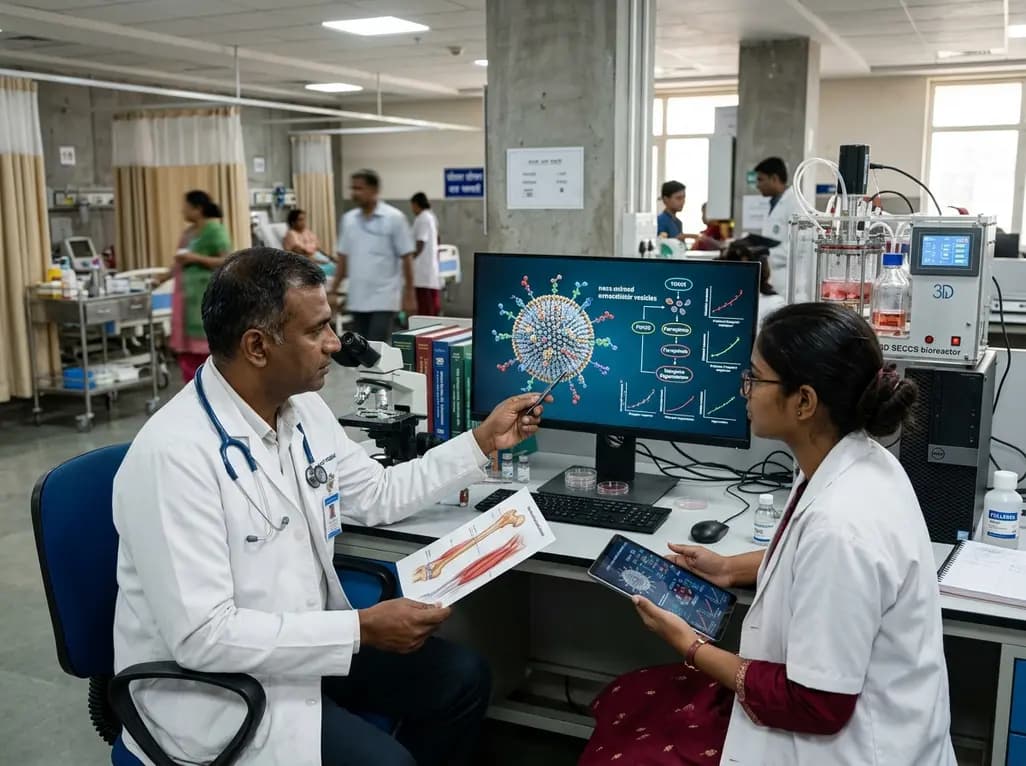
A breakthrough study demonstrates that fullerol-primed extracellular vesicles generated in a 3D SECCS bioreactor attenuate ferroptosis and restore myogenic regeneration in diabetes via the FOXO3 pathway, offering a cell-free therapeutic strategy for diabetic musculoskeletal degeneration.
Today
