.webp&w=384&q=75)

Loading, please wait...
Loading, please wait...

Human-centered design in healthcare is essential for creating digital platforms that truly meet the needs of medical professionals. Traditionally, curative and occupational health care in many countries operate in separate sectors. This fragmentation often leads to poor communication and hindered patient outcomes. However, digital collaborative care platforms can bridge this gap effectively. For example, a recent study by Zipfel et al. explored how involving Dutch doctors in the design phase can improve these tools.
Researchers found that health care professionals are highly motivated to participate in the design process. They want to improve practice and address current bottlenecks. For instance, participants in the study highlighted that an open atmosphere encourages honest feedback. Moreover, the use of platform mock-ups provides a practical foundation for discussion. Therefore, iterative involvement ensures that the final digital tool aligns with real-world clinical workflows.
Despite the benefits, several barriers can impede professional engagement. Limited session time and the constraints of virtual interactions often stifle deep collaboration. Furthermore, uncertainty about the commercial context can make some doctors hesitant to share input. To solve this, organizers should provide clear goals and better preparation materials. Consequently, well-guided discussions help participants feel that their contributions are meaningful.
Ultimately, the study suggests that the way design sessions are facilitated determines their success. In addition, providing opportunities for multidisciplinary co-creation helps build a more robust system. As digital health continues to evolve, using human-centered design in healthcare will remain a foundational strategy for reducing fragmentation and improving clinician satisfaction.
Human-centered design (HCD) is a development approach that prioritizes the needs, behaviors, and experiences of users. In healthcare, it involves clinicians and patients throughout the design process to ensure technology is usable, safe, and effective for real-world practice.
Effective collaboration ensures that patients returning from long-term sick leave receive continuous support. Integrating these sectors helps streamline communication between general practitioners and occupational physicians, which ultimately improves the transition back to work for the patient.
Disclaimer: This content is for informational and educational purposes only. It does not constitute medical advice or a professional relationship. Always consult a qualified healthcare provider for personal health concerns. Refer to the latest local and national guidelines for clinical practice.
References
Zipfel N et al. Involving Health Care Professionals in the Human-Centered Design of a Digital Platform for Work-Focused Health Care: Lessons From a Mixed Methods Study. JMIR Form Res. 2026 Apr 17. doi: 10.2196/83212. PMID: 41996691.
Human-Centered Design and Development in Digital Health: Approaches, Challenges, and Emerging Trends. PMC. June 2025. https://www.ncbi.nlm.nih.gov/pmc/articles/PMC11202476/

Read summarized clinical updates, watch expert medical content, and earn CME certifications right from your smartphone.
Open your smartphone camera to scan and install.





A study explores how involving health professionals through human-centered design can create better digital platforms for collaborative work-focused care....
4 months ago
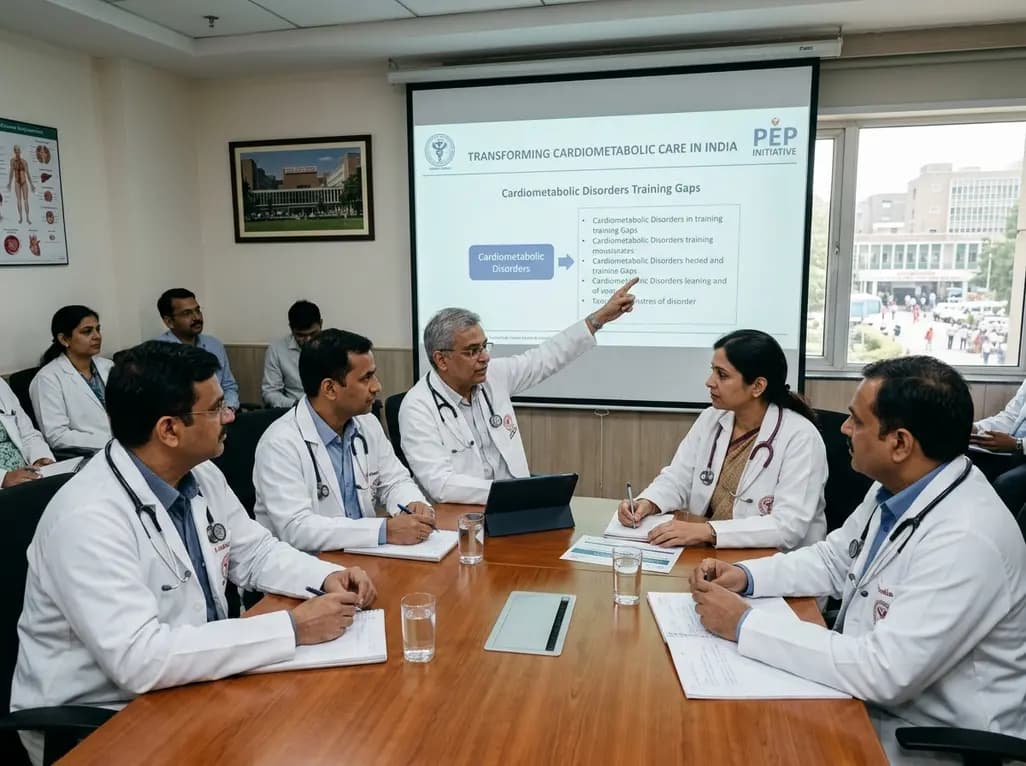
The All India Institute of Medical Sciences has convened national health experts, policymakers, and state nodal officers to transform medical training for cardiometabolic disorders. This collaborative effort under the PEP initiative addresses training gaps to elevate chronic disease care across Indian healthcare.
Today

A recent qualitative study examines how college students seek digital sexual health information under persistent uncertainty. Discover the concept of functional trust, the clinical hazards of search abandonment, and evidence-based approaches clinicians can adopt to guide youth toward verified reproductive healthcare.
Today
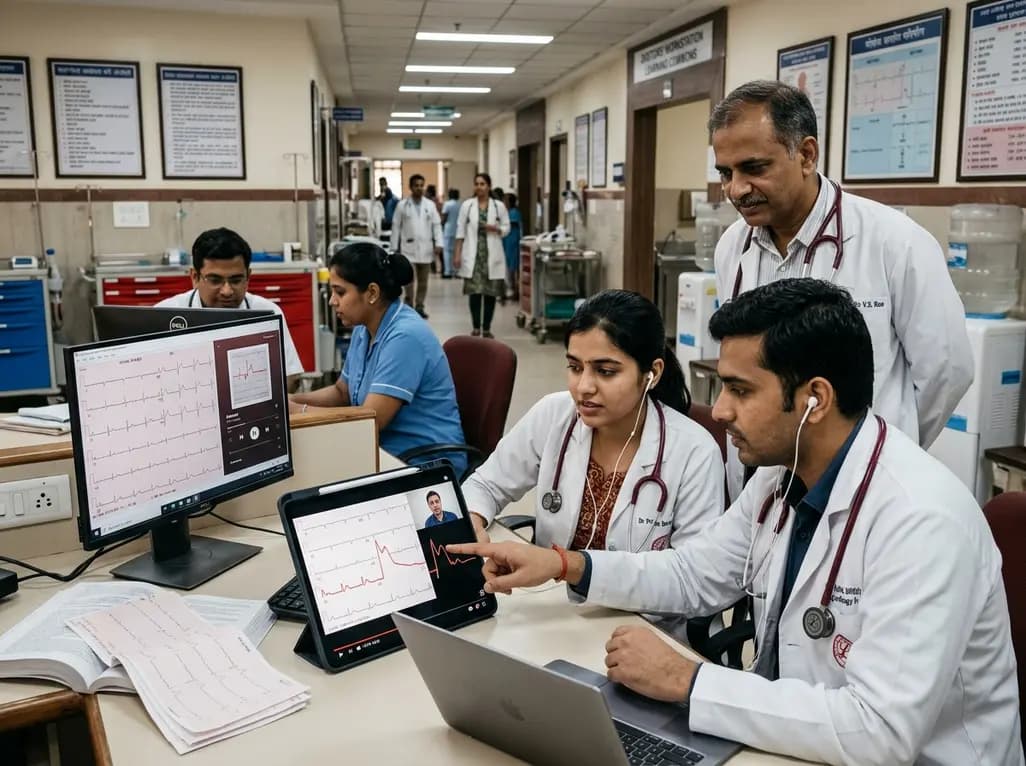
A randomized controlled trial demonstrates that curated FOAMed videos and podcasts produce superior gains in high-risk ECG interpretation and acute coronary syndrome clinical decision-making compared with print-based materials among interprofessional emergency care teams.
Today
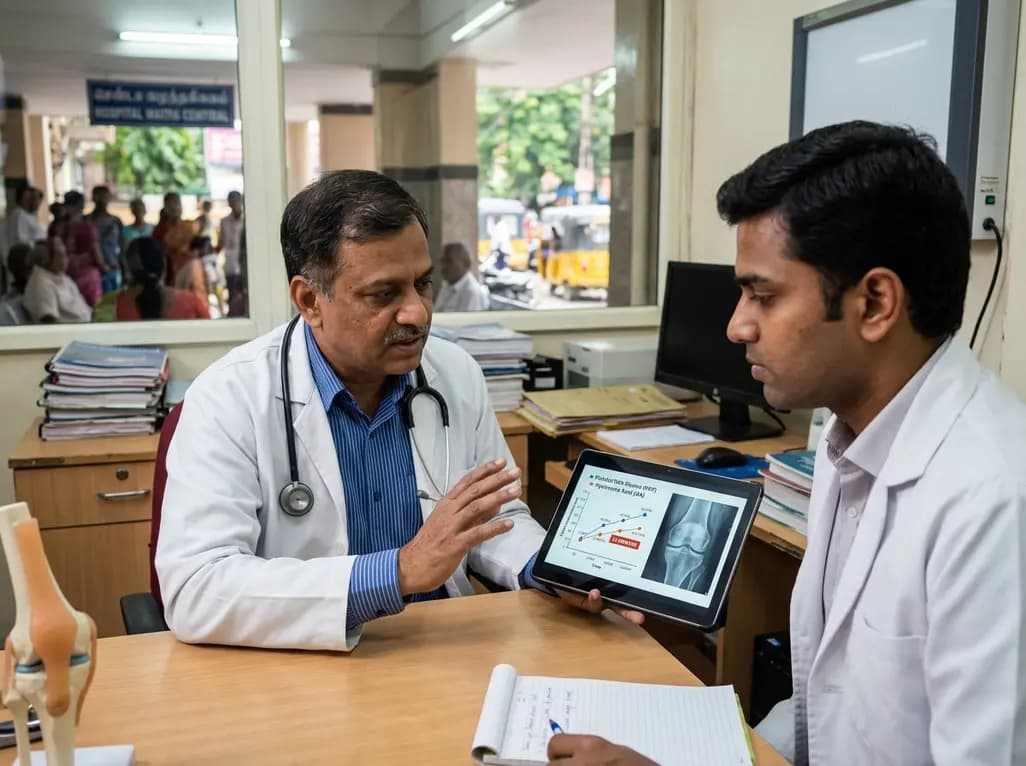
A systematic review and meta-analysis of 21 RCTs reveals that platelet-rich plasma provides small but statistically superior pain relief and functional improvements compared to hyaluronic acid at 12 months in knee osteoarthritis, influenced by platelet concentration and leukocyte enrichment.
Today

A multicenter real-world prospective study in Taiwan demonstrates that liraglutide effectively reduces body weight and BMI standard deviation score in adolescents with obesity. The therapy shows a favorable safety profile with mild gastrointestinal adverse events and zero treatment discontinuations due to intolerance.
Today
