.webp&w=384&q=75)

Loading, please wait...
Loading, please wait...

Aster DM Healthcare has recently unveiled a massive plan for hospital expansion in India. Specifically, the company earmarks Rs 4,000 crore to add 4,080 beds across several key states. This development follows the final shareholder approval for a merger with Quality Care India Ltd (QCIL). Consequently, the healthcare provider expects to complete the merger process in the upcoming quarter. Furthermore, the new entity will focus on becoming a future-ready platform for medical excellence.
The merger between Aster DM and QCIL represents a significant shift in the private healthcare sector. Moreover, the partnership combines Aster’s clinical depth with the institutional strength of Blackstone. Under the new structure, Aster promoters and Blackstone will hold equal board representation. Additionally, independent directors will constitute half of the board to ensure transparency. This governance framework aims to serve millions of patients more effectively. Notably, Azad Moopen will continue as the Executive Chairman of the merged entity.
The planned additions target high-demand regions to improve patient access. In Bengaluru, the company will build two new hospitals on Sarjapur Road and in Yeshwanthpur. Meanwhile, Kerala will see a substantial increase in capacity through projects in Kasaragod and Kochi. Furthermore, the 454-bed greenfield Aster Capital Hospital in Thiruvananthapuram is currently underway. These initiatives will eventually increase the total bed capacity to over 14,710 beds. Consequently, this scale allows for better operational strength across the country.
Infrastructure growth is not limited to general medicine. Specifically, the company plans a 300-bed Women & Children’s Hospital in Hyderabad. In addition, capacity expansions are scheduled for Aster Ramesh in Ongole and Aster Whitefield. These specialized centers address the growing need for focused maternal and pediatric care. Furthermore, the 263-bed Aster Kasaragod Hospital already began operations in late 2025. Therefore, the phased rollout ensures that clinical services reach patients without unnecessary delays.
Q1: What is the primary goal of the Aster DM Healthcare and QCIL merger?
The merger aims to build a scaled healthcare platform with enhanced clinical depth and operational strength to serve patients across India.
Q2: How many total beds will the merged entity eventually manage?
Over the coming years, the merged entity aims to expand its total capacity to over 14,710 beds.
Q3: Where are the new hospitals in Bengaluru located?
The expansion includes two new hospitals in Bengaluru: a 430-bed facility on Sarjapur Road and a 500-bed facility in Yeshwanthpur.
Disclaimer: This content is for informational and educational purposes only. It does not constitute medical advice or replace professional judgment. Refer to the latest local and national guidelines for clinical practice.
References

Read summarized clinical updates, watch expert medical content, and earn CME certifications right from your smartphone.
Open your smartphone camera to scan and install.





Aster DM Healthcare to invest Rs 4,000 crore for 4,080 new beds through a merger with Quality Care India, targeting major growth across Karnataka and Kerala...
7 months ago
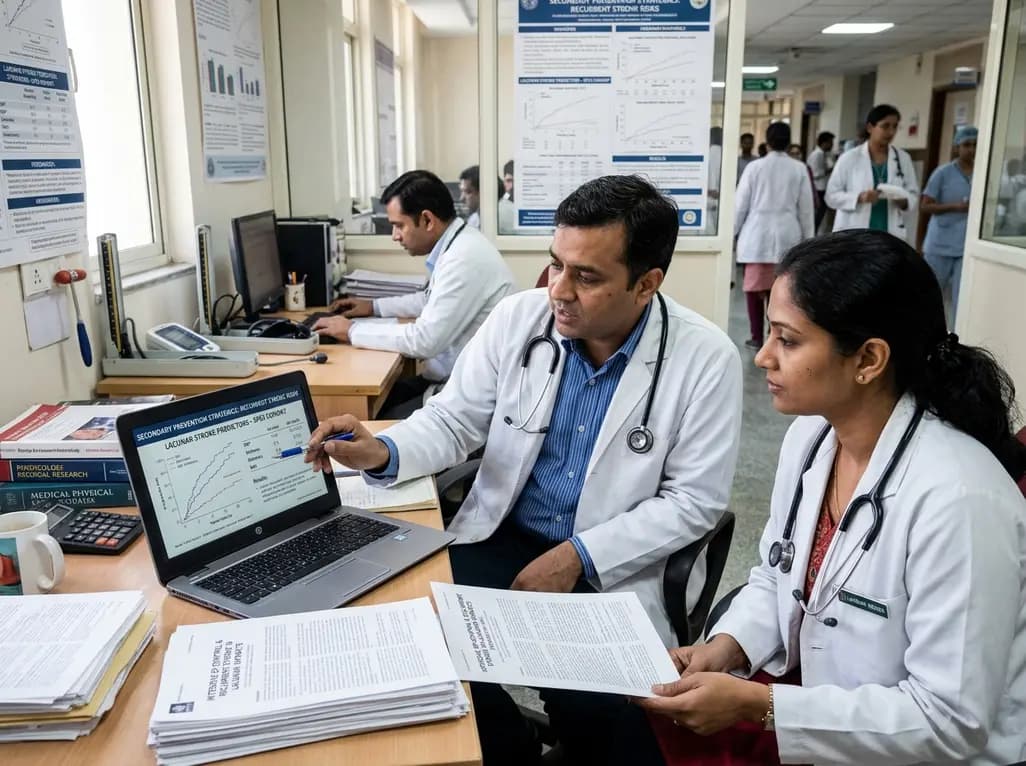
Explore vital recurrent stroke predictors in lacunar stroke patients managed with intensive blood pressure lowering. This analysis examines trial findings from SPS3 to uncover residual vascular risks, metabolic factors, and targeted secondary prevention strategies for high-risk neurological patients.
Today
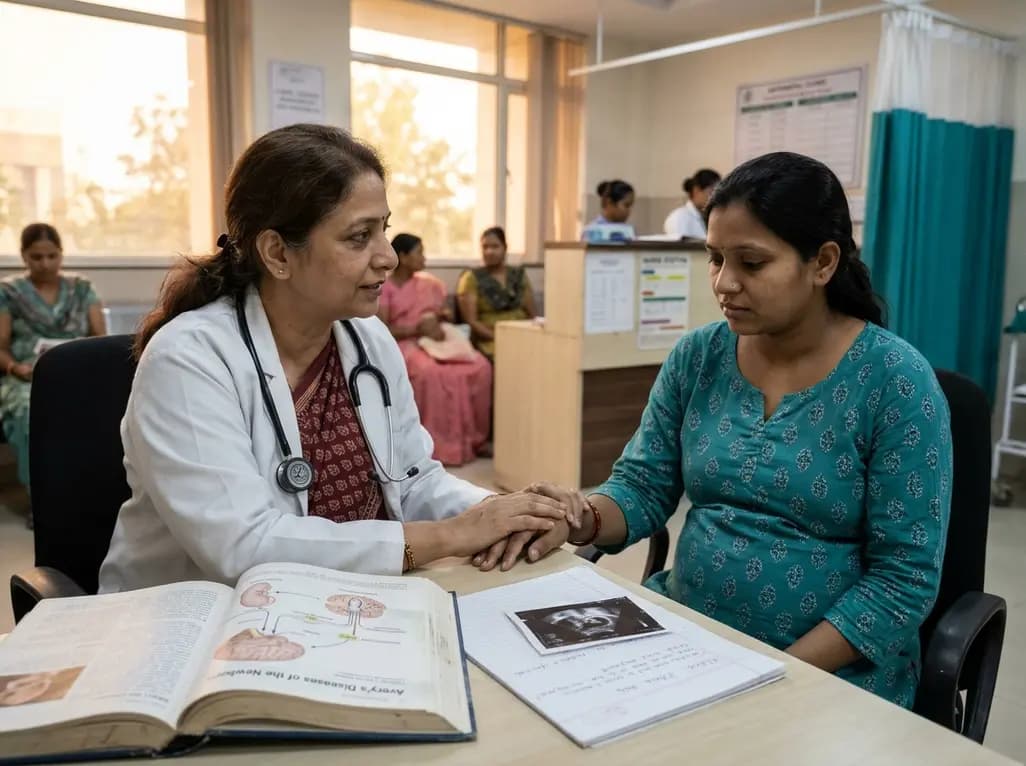
A comprehensive scoping review synthesises evidence linking prenatal maternal mental health to long-term offspring neurodevelopment, evaluating neuroendocrine, inflammatory, and epigenetic pathways while highlighting clinical screening and future research priorities.
Today
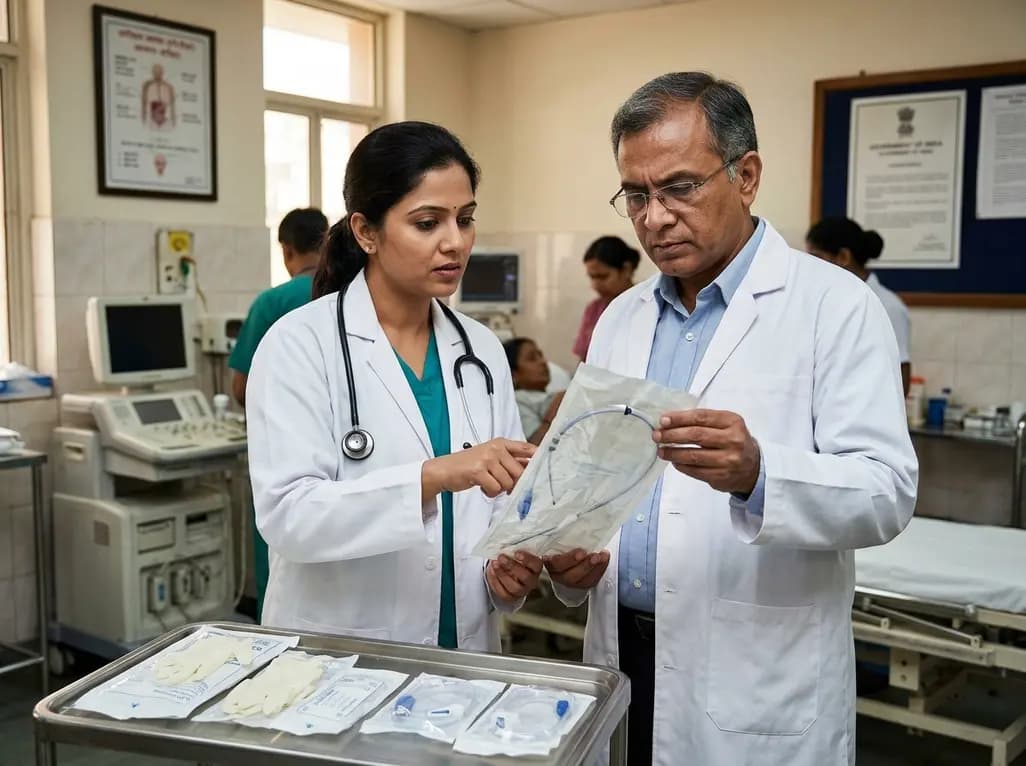
The Directorate General of Health Services directs Indian states to halt the hazardous reuse and reprocessing of single-use medical devices. Discover regulatory implications under the Drugs and Cosmetics Act, critical infection risks, legal liabilities, and operational changes required across clinical specialties.
Today
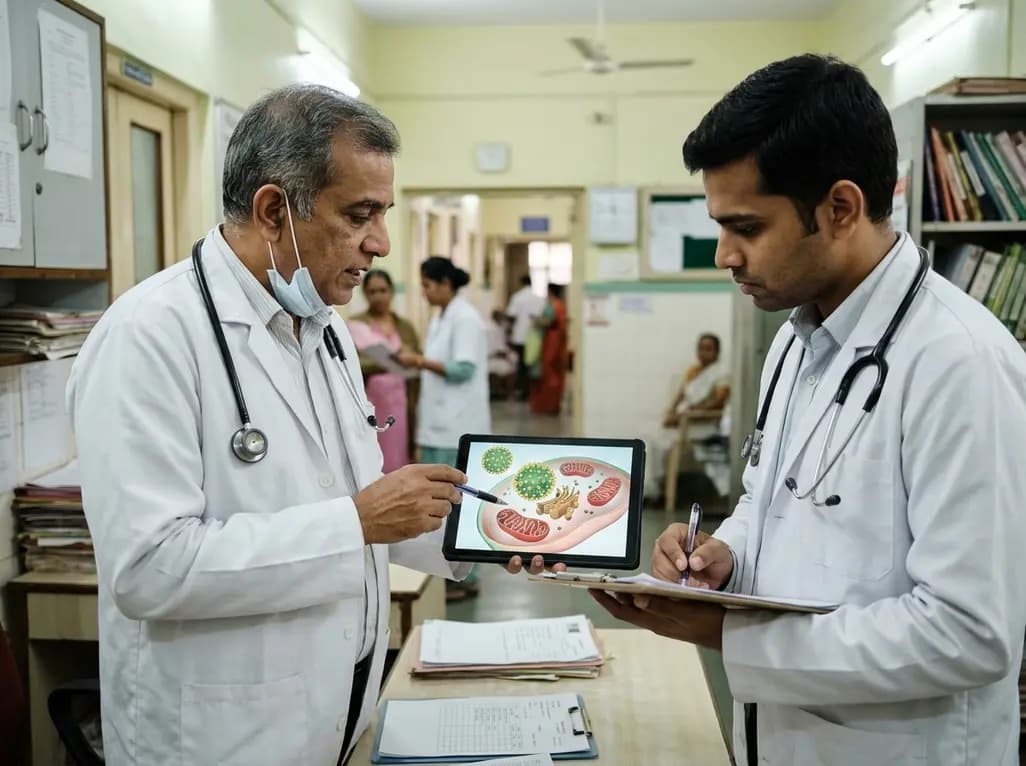
Mitochondria-targeted nanoparticles self-assembled from EGCG and L-glutamic acid effectively restore mitochondrial homeostasis, suppress synovial inflammation, and attenuate chondrocyte senescence in osteoarthritis, offering a promising disease-modifying nanotherapy.
Today

India is advancing preventive healthcare by integrating genomics, artificial intelligence, and quantum technologies. With the SANGAM programme sequencing one million Indian genomes, clinicians can unlock personalized therapies, detect cardiometabolic risks early, and curb the burden of diabetes and heart disease.
Today
