.webp&w=384&q=75)

Loading, please wait...
Loading, please wait...
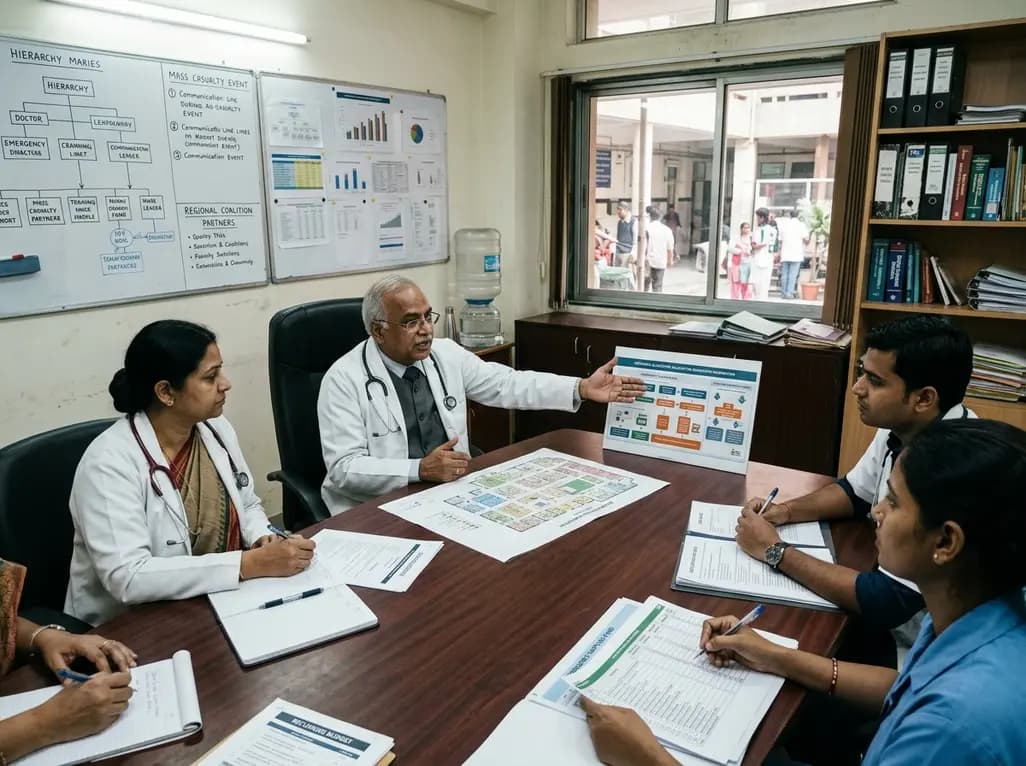
Healthcare facilities face immense operational pressure during mass casualty incidents, natural disasters, and infectious disease outbreaks. Maintaining uninterrupted clinical services during crises requires robust infrastructure, surge capacity, and disciplined leadership. However, conventional operational budgets rarely cover the ongoing costs of disaster readiness. Leaders frequently view crisis readiness as an unpredictable expense rather than an essential operating standard. Sustainable hospital emergency preparedness demands an institutional paradigm shift from reactive spending to proactive financial planning. Healthcare executives and clinical administrators must treat disaster readiness as an ongoing investment in institutional survival and community resilience. Consequently, hospitals must develop structured financing mechanisms that align internal capital allocation with regional safety frameworks and statutory disaster management standards.
Routine operating funds frequently neglect disaster planning because preparedness investments compete directly with immediate revenue-generating clinical services. However, deferred preparedness spending creates devastating financial and clinical deficits when severe emergencies strike. Hospital leaders must therefore integrate dedicated budget lines for disaster management within annual operational expenditures. This financing model requires systematic lifecycle planning for critical utility backups, oxygen generation units, and physical plant modifications. Furthermore, clinical leaders must establish clear cost-benefit metrics that demonstrate the long-term value of readiness investments. Proactive equipment maintenance and continuous facility hardening prevent catastrophic system failures during severe weather events or mass trauma surges. Consequently, administrative boards should allocate non-lapsing funds to maintain reserve capacity across high-acuity zones, including intensive care units and trauma resuscitation bays.
A resilient healthcare facility relies fundamentally on a skilled and adaptable clinical workforce. Emergency responses frequently strain existing medical personnel through extended shifts, psychological burnout, and acute staffing shortages. Therefore, sustainable financing must support recurring clinical training, mass casualty simulation drills, and cross-departmental upskilling. Healthcare leaders must establish clear workforce redeployment protocols that allow rapid mobilization of surgical, pediatric, and critical care teams into frontline disaster triage roles. In addition, hospitals need formalized locum tenens networks and pre-negotiated auxiliary staffing contracts to manage sudden patient influxes. Financial leaders should also budget for dedicated psychological support programs and family assistance services during prolonged crises. By prioritizing workforce welfare and continuous operational education, hospitals protect their staff while ensuring uninterrupted clinical delivery during complex mass emergencies.
Global disruptions repeatedly expose critical vulnerabilities in lean, just-in-time healthcare supply chain models. While just-in-time purchasing minimizes holding costs during normal operations, it creates acute shortages of life-saving consumables during major crises. Hospital leadership must therefore transition toward a hybrid procurement strategy that combines standard ordering with strategic stockpiling. Facilities must finance rotating inventories of essential pharmaceuticals, personal protective equipment, blood products, and emergency surgical trays. Consequently, materials management teams must regularly rotate reserve supplies into daily clinical use to prevent shelf-life expiration and financial loss. Furthermore, capital budgeting must prioritize independent energy microgrids, dedicated water reservoirs, and redundant telecommunication infrastructure. These critical infrastructure safeguards ensure that emergency departments and operative suites maintain baseline operational capacity even if municipal public utilities fail entirely.
No single medical facility can manage a regional catastrophic surge entirely on its own. Preparedness benefits extend far beyond the hospital walls that fund them, creating a classic public goods dilemma. Therefore, healthcare systems must actively participate in regional healthcare coalitions that coordinate resource distribution, patient transfers, and standardized triage criteria. Public-private partnerships and regional coordination agreements enable neighboring institutions to share expensive specialized equipment, such as mobile decontamination units and extra-corporeal life support systems. Moreover, public health authorities must provide dedicated grants to support shared regional communication networks and centralized bed tracking systems. Collaborative regional agreements reduce individual institutional costs while strengthening community-wide disaster resilience. Thus, leadership must align internal disaster operational frameworks with regional protocols and national disaster management directives.
During an active crisis, standard bureaucratic procurement procedures can cause fatal delays in resource delivery. Executive leadership must therefore establish emergency governance protocols that grant authorized incident commanders rapid financial authority. These governance frameworks outline predefined spending thresholds for immediate equipment acquisition, emergency hiring, and infrastructure reconfiguration without customary administrative delays. Additionally, hospitals should secure contingency credit lines and maintain rapid-access reserves to absorb initial emergency expenditures before insurance or government relief funds arrive. Risk management committees must also implement real-time audit procedures to ensure transparent financial governance during rapid fund deployment. By establishing sound emergency financing policies beforehand, hospital administrators empower clinical response teams to act swiftly and decisively to preserve human lives.
Routine hospital funding primarily covers day-to-day operating costs, specialized personnel salaries, and immediate patient care supplies. Consequently, standard operational revenue models rarely generate sufficient surplus to finance redundant power systems, reserve consumable stockpiles, emergency drill simulations, and standby surge facilities. Without dedicated budgetary allocations and public financing mechanisms, hospitals struggle to balance immediate clinical costs with recurring, non-revenue-generating disaster preparedness investments.
Regional healthcare coalitions allow independent hospitals and public facilities to pool financial, technical, and operational resources across geographic boundaries. By establishing regional sharing agreements for costly specialized equipment, centralized medical stockpiles, and coordinated patient transfer networks, coalitions reduce financial duplication. This collaborative approach enhances overall community surge capacity while lowering the individual preparedness expenditure required from each participating medical institution.
Emergency spending authority empowers designated clinical incident commanders to bypass standard bureaucratic procurement protocols during acute disasters. This operational flexibility ensures immediate acquisition of life-saving medical supplies, auxiliary staffing, and facility modifications without administrative delays. Pre-approved emergency financial governance structures ensure that frontline clinicians receive necessary resources rapidly while maintaining structured accountability and transparent post-incident financial auditing.
Disclaimer: This content is for informational and educational purposes only. It should not be used as a substitute for professional medical advice, diagnosis, or treatment. Refer to the latest local and national guidelines for clinical practice.
References

Read summarized clinical updates, watch expert medical content, and earn CME certifications right from your smartphone.
Open your smartphone camera to scan and install.





Explore leadership and financing models for hospital emergency preparedness. Learn how recurring budgeting, supply continuity, and regional coalitions sustain clinical readiness during catastrophic mass casualty events.
last month
A Bayesian multilevel meta-analysis reveals that aerobic training combined with moderate carbohydrate restriction modestly lowers HbA1c in type 2 diabetes. However, sparse data and very low certainty leave incremental benefits over exercise or diet alone unproven, highlighting the need for individualized care.
Today

Findings from Project Viva indicate that sustained postpartum weight retention, rather than excessive gestational weight gain alone, directly worsens women's mid-life cardiovascular health, degrading blood pressure and glycemic parameters decades after delivery.
Today
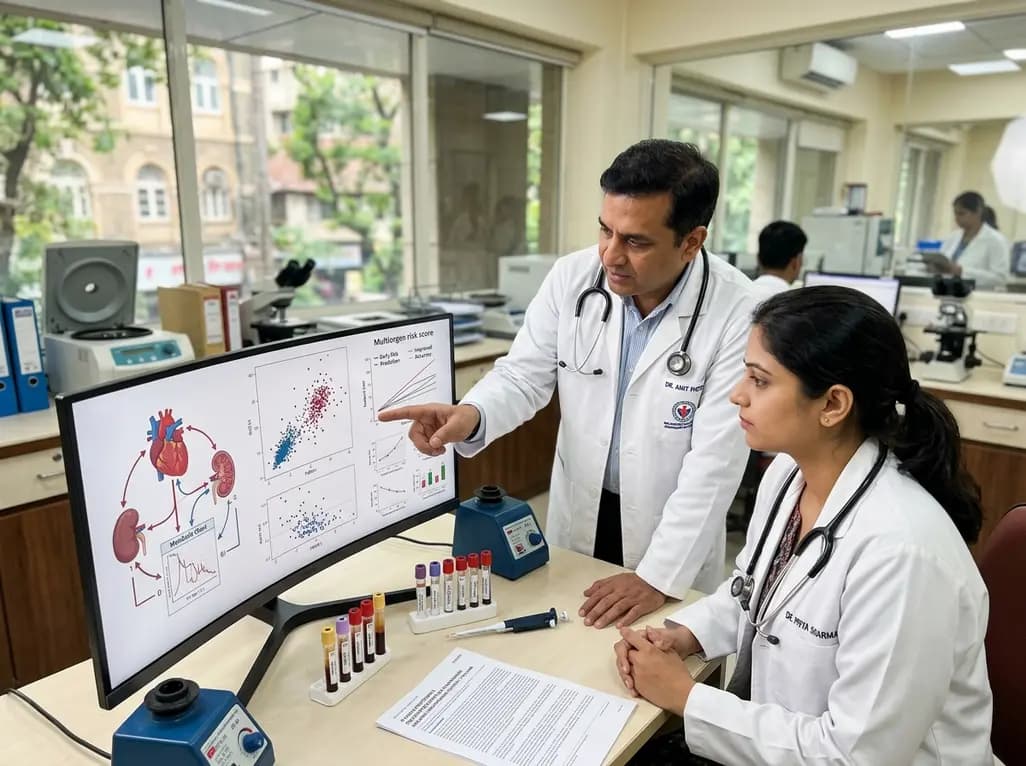
A large UK Biobank study reveals that plasma proteomic signatures capture preclinical organ damage and improve multiorgan risk prediction across early CKM syndrome stages 0 to 2 beyond traditional PREVENT clinical models.
Today

A retrospective CBCT study reveals that superior TMJ space asymmetry correlates moderately with occipital condyle-atlas-axis asymmetry in unilateral TMJ osteoarthritis, highlighting an imaging correlate between jaw biomechanics and upper cervical alignment rather than a standalone diagnostic marker.
Today
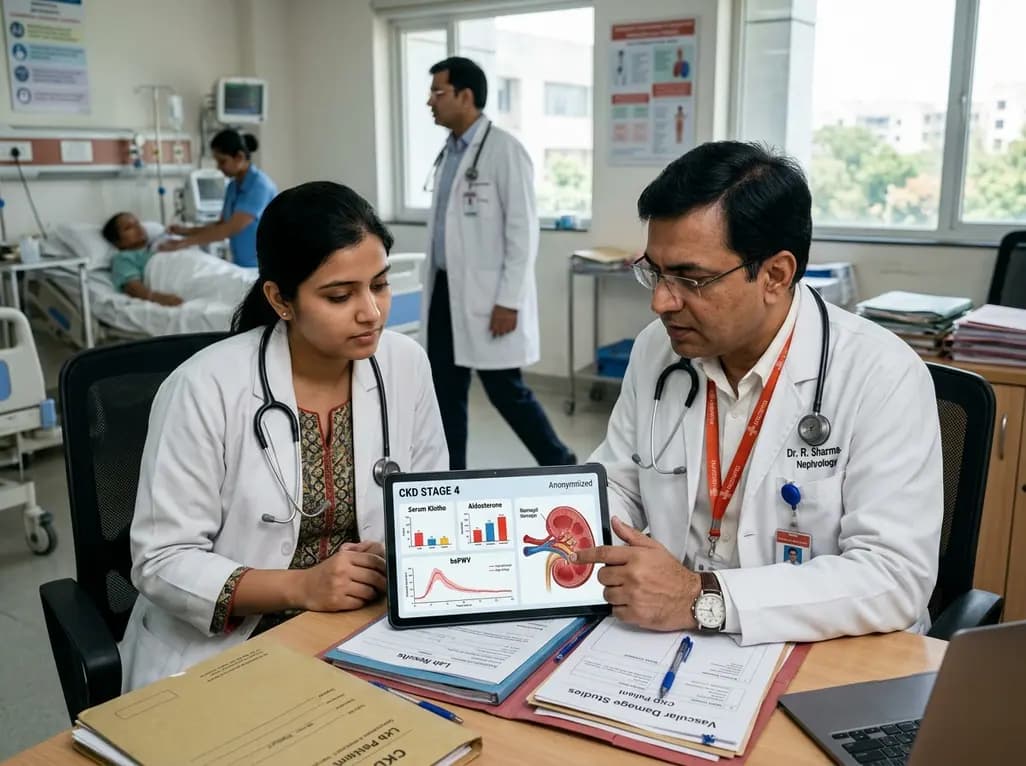
A cross-sectional investigation highlights the complex pathophysiological links between serum Klotho deficiency, secondary hyperaldosteronism, and vascular damage in CKD. Discover key insights into non-invasive vascular stiffness markers and targeted therapeutic pathways for cardiorenal protection.
Today
