.webp&w=384&q=75)

Loading, please wait...
Loading, please wait...

Rapid diagnostic access remains a fundamental pillar in controlling respiratory viral outbreaks across community and outpatient healthcare settings. During the height of the pandemic, expanding decentralized diagnostic resources became necessary to mitigate viral transmission and alleviate systemic clinical burdens. Recent epidemiological investigations highlight how structured home-delivery programs significantly influenced diagnostic behavior during pandemic surges. Specifically, the implementation of nationwide direct-to-household initiatives facilitated timely SARS-CoV-2 testing among recipients, enabling earlier detection and prompt self-isolation. Clinicians and public health authorities frequently advocate for low-barrier diagnostic tools because delayed testing worsens household transmission and postpones therapeutic intervention. When individuals have immediate access to point-of-care lateral flow assays, they can promptly assess acute respiratory symptoms without navigating crowded outpatient facilities. Furthermore, direct test distribution eliminates logistical friction, such as transportation constraints and long appointment waiting intervals. Consequently, evaluating the real-world uptake and diagnostic yield of direct-to-consumer testing programs provides vital lessons for managing future viral respiratory epidemics. As healthcare systems continually refine decentralized diagnostic pathways, analyzing the exact clinical trajectory and behavioral response of recipients offers crucial insights into public health preparedness.
A comprehensive national cohort investigation examined the precise impact of direct-to-household test kit provision on overall diagnostic behaviors. Using rigorous difference-in-differences statistical modeling across 4,549 adults, researchers estimated the average treatment effect on treated populations. The study demonstrated that receiving free home-delivered kits generated a 13.8-percentage-point increase in testing rates during March 2022. Importantly, this initial surge represented the primary statistically robust effect when subjected to pretrend sensitivity adjustments. However, the data revealed that these pronounced testing increases attenuated over subsequent months as baseline community transmission and public urgency shifted. Moreover, researchers observed that the initial intervention period coincided with critical viral surges, where rapid testing availability was paramount for immediate clinical triage. In addition, individuals who received physical test packages demonstrated higher immediate diagnostic compliance when experiencing mild respiratory illness compared to non-recipients. Therefore, the physical presence of point-of-care assays within the domestic setting directly lowered the psychological and operational barrier to testing. These empirical results emphasize that active supply-side distribution can temporarily accelerate testing adoption during high-consequence phases of an infectious disease outbreak.
Although direct-to-household delivery markedly expanded diagnostic access across general cohorts, significant health equity disparities persisted throughout program execution. Specifically, epidemiological analyses revealed lower overall participation and order rates among populations facing substantial health risks and socioeconomic access barriers. Vulnerable groups, including individuals with limited digital connectivity, language barriers, and lower baseline health literacy, experienced reduced engagement with web-based distribution portals. Consequently, the reliance on digital ordering mechanisms created an unintended digital divide, disproportionately excluding marginalized communities that carry higher chronic disease burdens. Furthermore, rural populations and low-income households often encountered geographic delivery delays or informational gaps regarding kit availability. Public health experts emphasize that equitable outbreak response requires multichannel distribution frameworks rather than singular digital models. Therefore, future public health initiatives must incorporate community health workers, local clinics, and physical distribution hubs to bridge these systemic divides. In addition, targeted educational outreach in multiple languages can reassure underserved populations regarding test reliability and interpretation. By addressing these persistent structural inequities, health systems can ensure that vital diagnostic resources reach high-risk patients who need them most.
Point-of-care rapid antigen tests offer indispensable diagnostic value within outpatient and ambulatory medical workflows. When patients perform rapid testing at home, clinicians receive timely diagnostic data to guide early therapeutic interventions, including oral antivirals. Furthermore, rapid identification of positive cases prevents unnecessary in-person clinic exposures, thereby safeguarding vulnerable patients and frontline healthcare personnel. Clinicians recognize that rapid antigen tests exhibit high diagnostic specificity, meaning that positive results reliably confirm acute infectiousness during peak viral shedding. In addition, serial antigen testing effectively mitigates potential false-negative results during the initial incubation phase of viral illness. Thus, educating patients on the proper technique for sample collection and result interpretation remains an essential clinical responsibility. Moreover, decentralized testing empowers patients to make informed decisions regarding workplace attendance, social distancing, and timely isolation protocols. When primary care physicians integrate home-based testing reports into electronic triage workflows, they can streamline prescription pathways and reduce diagnostic turnaround times. Ultimately, accessible diagnostic kits serve as an effective frontline barrier that prevents secondary household transmission and supports broader epidemic containment.
The empirical findings from large-scale test distribution programs provide vital architectural blueprints for managing future respiratory pathogens. First, health authorities must recognize that free diagnostic distribution produces the most substantial behavioral effect during peak viral surges. Therefore, stockpiling and rapid deployment mechanisms must be established before infection waves overwhelm clinical capacity. Second, policymakers should avoid relying solely on passive, web-based request systems to ensure diagnostic equity across vulnerable demographics. In addition, public health communication must continuously emphasize the clinical utility of testing even during periods of declining national incidence. Furthermore, healthcare agencies should integrate point-of-care diagnostics with streamlined digital reporting and telehealth consultation pathways. When patients seamlessly link positive test results to clinical guidance and therapeutic access, the overall public health utility multiplies significantly. Meanwhile, continuous surveillance of diagnostic test sensitivity against emerging viral variants ensures ongoing clinical reliability. Consequently, developing flexible, rapid-response manufacturing and supply networks represents a non-negotiable priority for national pandemic preparedness frameworks worldwide.
Primary care physicians and family practice specialists occupy a pivotal position in translating public testing initiatives into clinical efficacy. When patients possess home testing kits, general practitioners can easily guide symptomatic individuals through remote telehealth evaluations. Consequently, physicians can expedite the administration of targeted therapeutics within the critical five-day therapeutic window. Furthermore, routine clinical discussions regarding home diagnostic readiness encourage patients to maintain testing supplies before seasonal viral surges commence. Practitioners should also educate patients on distinguishing between viral respiratory syndromes using multiplex home testing platforms where available. Moreover, primary care teams can actively distribute test kits during routine preventive visits to bridge accessibility gaps among high-risk patients. Thus, integrating direct home diagnostics into everyday ambulatory care strengthens physician-patient communication and enhances chronic disease management during acute illnesses. Ultimately, institutionalizing decentralized diagnostic strategies ensures that medical communities remain resilient, responsive, and prepared for emerging infectious threats.
At-home rapid antigen tests demonstrate high clinical specificity and reliable sensitivity during periods of high viral shedding. Consequently, these point-of-care assays accurately identify acute infectious individuals experiencing symptomatic respiratory illness. Although molecular tests offer superior analytic sensitivity, serial antigen testing within forty-eight hours reliably detects evolving infections. Therefore, rapid antigen tests provide an efficient, practical diagnostic tool for guiding immediate isolation protocols and outpatient clinical decision-making during community outbreaks.
Testing uptake naturally attenuated because baseline community transmission declined and public perception of acute risk diminished over time. In addition, many recipient households retained unused diagnostic kits for future potential symptomatic exposures rather than testing immediately. Furthermore, shifting public health guidelines and reduced mandatory testing requirements in workplaces and schools influenced routine diagnostic behavior. Consequently, the initial surge in test usage stabilized as individuals reserved home kits for severe symptom onset.
Public health authorities can improve diagnostic equity by combining online portals with physical distribution at local community clinics, pharmacies, and public transit centers. Furthermore, deploying bilingual community health workers facilitates direct outreach to digitally marginalized and elderly populations. In addition, providing simplified pictorial instructional materials helps overcome baseline health literacy barriers. Therefore, establishing diverse, multichannel access pathways ensures that vulnerable populations receive essential diagnostic tools promptly during emerging respiratory disease surges.
Disclaimer: This content is for informational and educational purposes only. It is not intended to be a substitute for professional medical advice, diagnosis, or treatment. Always seek the advice of your physician or other qualified health provider with any questions you may have regarding a medical condition. Refer to the latest local and national guidelines for clinical practice.
References

Read summarized clinical updates, watch expert medical content, and earn CME certifications right from your smartphone.
Open your smartphone camera to scan and install.





A nationwide cohort study demonstrates that direct-to-household test kit distribution significantly increased SARS-CoV-2 testing uptake during viral surges, though disparities in access persisted among high-risk populations.
last month
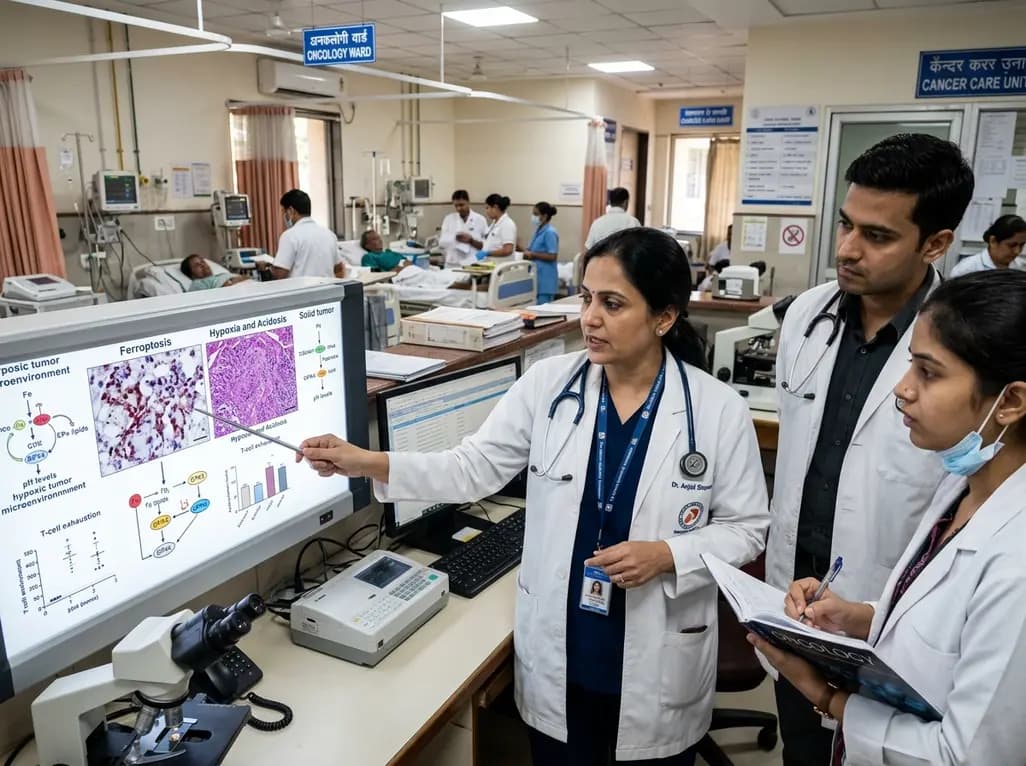
Targeting ferroptosis provides a compelling strategy to dismantle hypoxia- and acidosis-driven immunosuppression in solid tumors, enhancing response to modern immunotherapy.
Today

Findings from Project Viva indicate that sustained postpartum weight retention, rather than excessive gestational weight gain alone, directly worsens women's mid-life cardiovascular health, degrading blood pressure and glycemic parameters decades after delivery.
Today
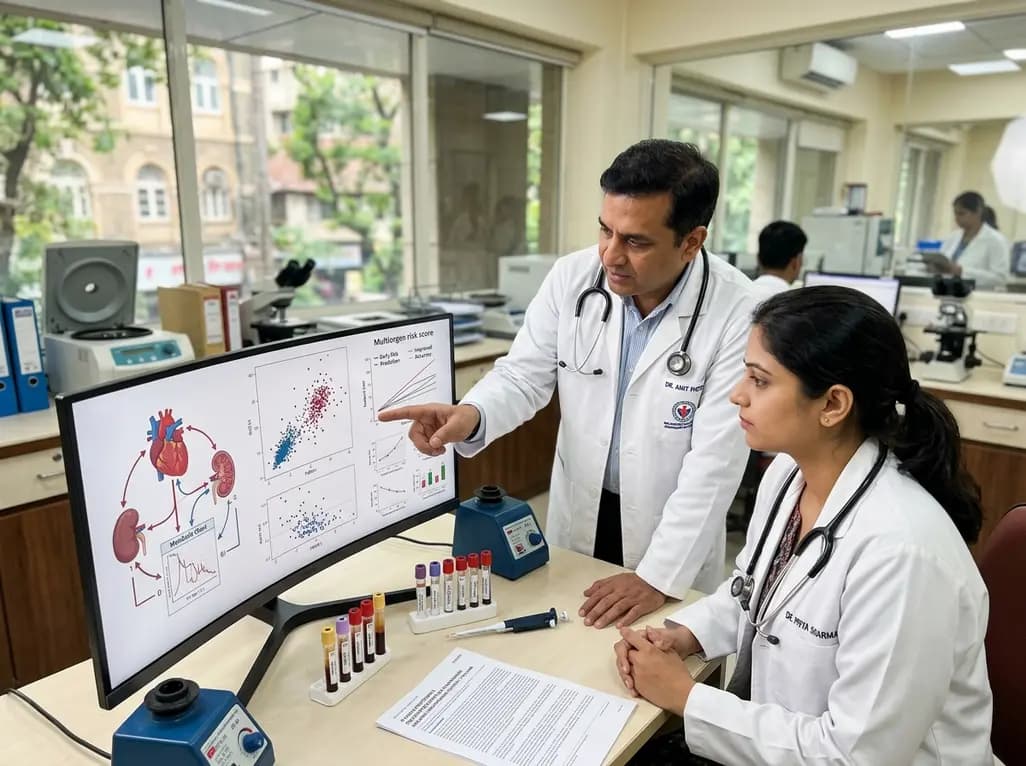
A large UK Biobank study reveals that plasma proteomic signatures capture preclinical organ damage and improve multiorgan risk prediction across early CKM syndrome stages 0 to 2 beyond traditional PREVENT clinical models.
Today

A retrospective CBCT study reveals that superior TMJ space asymmetry correlates moderately with occipital condyle-atlas-axis asymmetry in unilateral TMJ osteoarthritis, highlighting an imaging correlate between jaw biomechanics and upper cervical alignment rather than a standalone diagnostic marker.
Today

A Bayesian multilevel meta-analysis reveals that aerobic training combined with moderate carbohydrate restriction modestly lowers HbA1c in type 2 diabetes. However, sparse data and very low certainty leave incremental benefits over exercise or diet alone unproven, highlighting the need for individualized care.
Today
