.webp&w=384&q=75)

Loading, please wait...
Loading, please wait...

Neonatal jaundice affects a significant majority of newborn infants worldwide during their initial days of life. Fortunately, home phototherapy has emerged as a compelling, family-centered alternative to prolonged hospital admissions. This novel approach allows physiologically stable neonates with uncomplicated hyperbilirubinemia to receive light therapy within the comfort of their home environment. Furthermore, keeping mothers and newborns together significantly strengthens maternal-infant bonding and promotes sustained breastfeeding success. In addition, treating infants outside hospital wards helps relieve pressure on neonatal units and reduces healthcare expenditure. However, delivering medical care outside supervised hospital environments demands robust quality standards. A recent cross-country comparative study evaluated twenty institutional protocols across Australia, the Netherlands, and Sweden to examine contemporary clinical practices. The researchers thoroughly examined patient eligibility, educational pathways, care delivery workflows, and safety governance. Although all three countries successfully manage infants at home, their guidelines demonstrate considerable variation in execution. Consequently, establishing an internationally aligned framework is crucial for safeguarding patient outcomes. Pediatricians and neonatologists worldwide must carefully evaluate these international lessons to develop safe, standardized home treatment strategies within their own regional healthcare ecosystems.
Patient selection serves as the fundamental cornerstone of safe ambulatory neonatal care. Across international protocols, clinicians identify distinct criteria to ensure that only low-risk infants transition to domestic settings. Most protocols require neonates to reach at least 36 weeks of completed gestation and achieve a postnatal age of forty-eight hours or older. Moreover, infants must demonstrate clinical stability, vigorous suckling, adequate weight retention, and active hydration. Importantly, clinicians exclude any infants exhibiting neurotoxicity risk factors, sepsis, or suspected hemolytic conditions. For instance, direct antiglobulin test positivity and rapid bilirubin increments strictly preclude outpatient management. Total serum bilirubin levels must remain well below the established thresholds for exchange transfusion. In fact, many programs require bilirubin levels to fall within narrow therapeutic ranges near phototherapy cutoffs before approving home discharge. Furthermore, clinicians re-evaluate borderline cases thoroughly prior to hospital discharge to confirm metabolic stability. Therefore, robust risk stratification ensures that neonates with escalating disease severity remain under intensive inpatient supervision. By maintaining these strict clinical boundaries, pediatric teams protect infants from neurological harm while facilitating home treatment for appropriately selected low-risk candidates.
Operational delivery models for outpatient neonatal care reflect the unique structural organization of individual national healthcare systems. For example, Swedish centers frequently rely on specialized hospital-led outreach services to manage families directly. In contrast, protocols in the Netherlands often employ midwife-led and community nurse programs that integrate smoothly with established postnatal primary care. Australian health services utilize a flexible combination of specialized outreach teams and hospital ambulatory clinics. Regardless of the exact infrastructure, reliable logistics remain vital for treatment success. Specifically, facilities must deliver calibrated LED phototherapy devices and custom protective equipment directly to the family's residence without delay. Additionally, healthcare professionals must conduct in-person home assessments daily to evaluate clinical progress and infant well-being. During these routine visits, clinicians inspect skin condition, track hydration, verify equipment positioning, and collect mandatory blood samples for laboratory analysis. Moreover, modern teleconsultation platforms increasingly assist community providers by providing rapid access to hospital-based neonatology specialists when unexpected concerns arise. Consequently, seamless coordination between hospital discharge units, equipment suppliers, and community nursing teams ensures continuous patient safety. Strong institutional infrastructure enables diverse health systems to deliver equitable home-based interventions effectively.
Parental empowerment and structured health education are essential components of safe domestic neonatal phototherapy. Because parents assume primary responsibility for continuous phototherapy exposure, thorough bedside training is non-negotiable. Qualified neonatal nurses deliver standardized instructional modules before families leave the healthcare facility. Specifically, educators teach parents how to operate phototherapy devices properly, maintain ambient room temperature, and securely position protective eye shields. Furthermore, parents learn to calculate diaper breaks precisely so that interruptions do not exceed acceptable clinical thresholds. In addition, instruction covers early warning signs of acute illness, such as feeding intolerance, decreased urine output, lethargy, or deepening jaundice. Clinicians also provide comprehensive written instructions and direct emergency phone contacts to reduce parental anxiety. Notably, protocols mandate daily monitoring of total serum bilirubin levels through dedicated home blood draws or rapid hospital laboratory visits. This consistent laboratory oversight provides an objective safety net, allowing clinicians to verify the therapeutic efficacy of home treatment continuously. Consequently, comprehensive caregiver training significantly minimizes technical errors and enhances overall compliance throughout the entire treatment course. Therefore, rigorous parental education transforms caregivers into competent partners in their infant's clinical management.
Despite the clear benefits of home-based management, the recent international comparative study revealed significant variability regarding clinical escalation criteria. In fact, only twenty-five percent of reviewed institutional protocols contained explicitly defined parameters for hospital readmission or urgent clinical escalation. This concerning discrepancy underscores an urgent need for standardized clinical governance across the global pediatric community. Clear protocols must specify exact bilirubin escalation thresholds, rates of bilirubin increase, and clinical deterioration triggers that demand immediate hospital transfer. For instance, neonates displaying inadequate bilirubin decline after twenty-four hours of treatment require urgent inpatient re-evaluation. Similarly, signs of dehydration or abnormal neurological behavior necessitate immediate cessation of home phototherapy. To address these existing gaps, international experts recommend conducting structured Delphi consensus studies involving multidisciplinary teams of neonatologists, pediatricians, midwives, and community nurses. By establishing universally accepted eligibility benchmarks, escalation pathways, and educational curricula, health systems can mitigate clinical risk effectively. Furthermore, harmonized guidelines will assist regulatory authorities in developing clear operational frameworks that protect vulnerable newborns everywhere. Ultimately, global standardization will support the safe expansion of ambulatory phototherapy programs across diverse healthcare settings, including resource-limited environments.
Clinicians reserve home phototherapy for well-appearing neonates born at thirty-six weeks of gestation or greater who have reached at least forty-eight hours of life. In addition, eligible infants must feed vigorously, maintain normal body temperature, and demonstrate stable hydration. Most importantly, candidates must not have hemolytic disease or clinical neurotoxicity risk factors. Total serum bilirubin concentrations must stay safely below exchange transfusion levels and remain within manageable institutional threshold boundaries.
International protocols uniformly mandate daily monitoring of total serum bilirubin concentrations throughout the duration of home phototherapy. Trained community healthcare providers typically visit the home to perform capillary or venous blood sampling, or families visit a nearby laboratory clinic. Furthermore, clinicians track these daily laboratory values closely to assess therapeutic responsiveness. If bilirubin concentrations fail to decrease or continue to rise despite adequate irradiance, clinicians promptly initiate escalation protocols for hospital readmission.
Families must seek immediate hospital readmission if an infant develops signs of clinical deterioration, including extreme lethargy, poor feeding, weak suckling, vomiting, or persistent temperature instability. In addition, an upward trajectory in total serum bilirubin levels or a failure to decrease after twenty-four hours necessitates urgent inpatient transfer. Furthermore, equipment malfunctions, parental exhaustion, or the onset of suspected hemolytic disease also warrant immediate termination of home therapy and rapid hospital evaluation.
Disclaimer: This content is for informational and educational purposes only and should not be considered medical advice. Always consult a qualified healthcare professional regarding any medical condition or treatment. Refer to the latest local and national guidelines for clinical practice.
References

Read summarized clinical updates, watch expert medical content, and earn CME certifications right from your smartphone.
Open your smartphone camera to scan and install.





A comparative study of home phototherapy protocols across Australia, the Netherlands, and Sweden highlights critical eligibility criteria, care delivery models, and parental education while emphasizing the need for standardized global guidelines to ensure neonatal safety.
Today
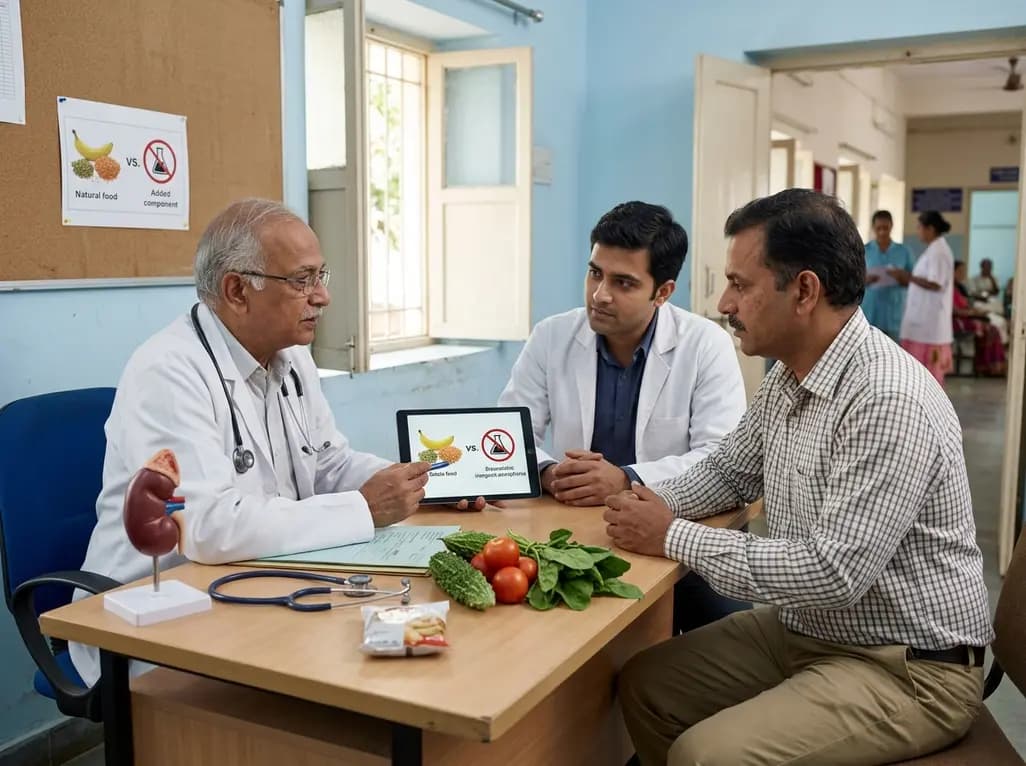
Modern renal nutrition is shifting toward additive-aware dietary guidance. This paradigm differentiates between intrinsic nutrients in whole foods and hyper-bioavailable inorganic additives, offering practical strategies to mitigate additive stacking and toxicity without restricting nutritious whole foods.
Today

A multiparametric MRI approach combining quantitative T2 shading, apparent diffusion coefficient (ADC) measurements, and morphological signs provides superior diagnostic accuracy over subjective evaluation to differentiate ovarian endometriomas from benign hemorrhagic cysts.
Today
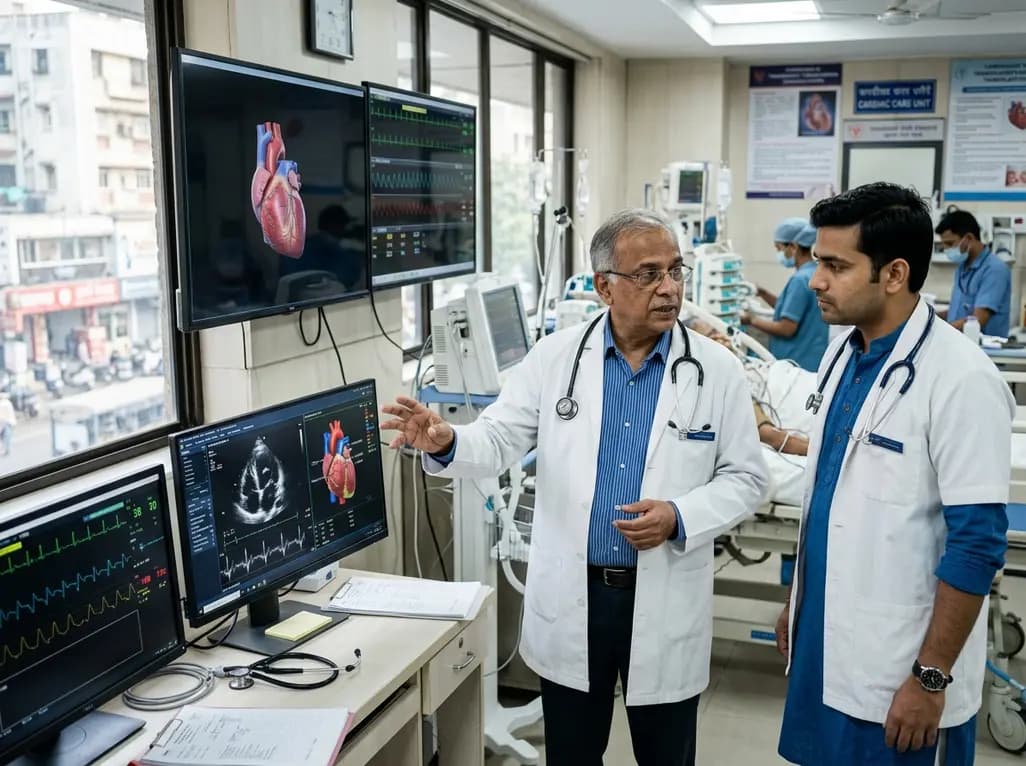
A landmark case report reveals a donor heart beating for a century in a 63-year-old recipient, challenging conventional age limits in cardiac transplantation and offering critical lessons on organ longevity, donor selection, and long-term graft survival.
Today
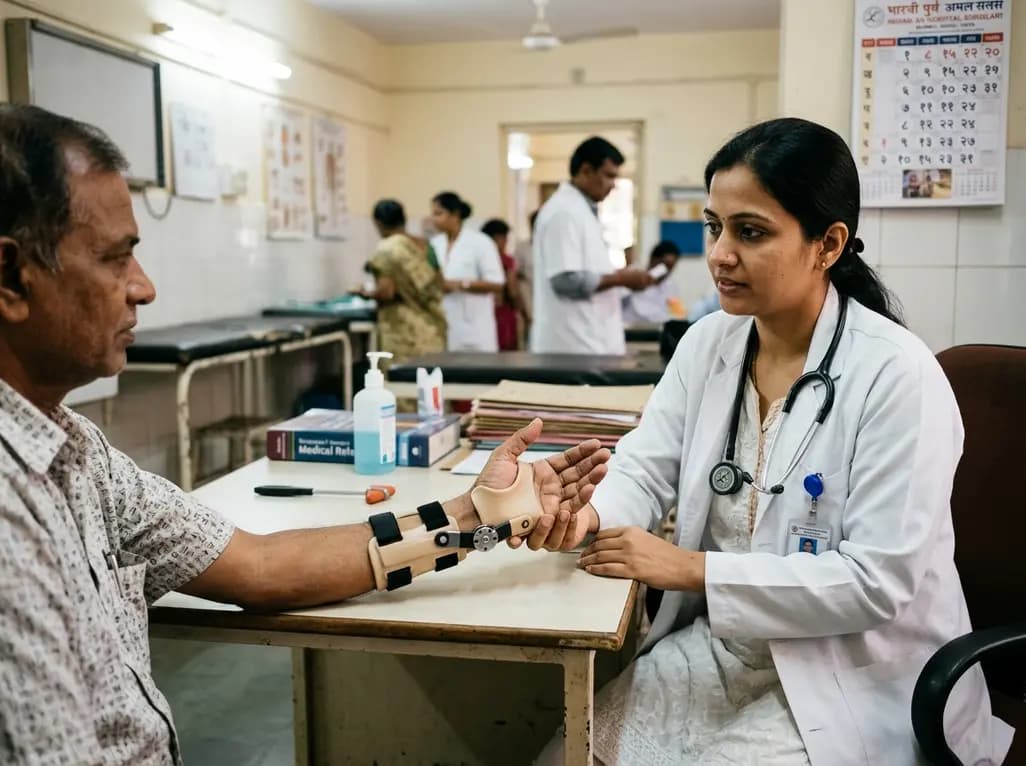
A new randomized crossover trial reveals that a hinged ulnar gutter orthosis significantly improves hand function and weight-bearing tolerance compared to standard volar splints in patients with degenerative triangular fibrocartilage complex lesions, supporting functionally permissive orthotic designs.
Today
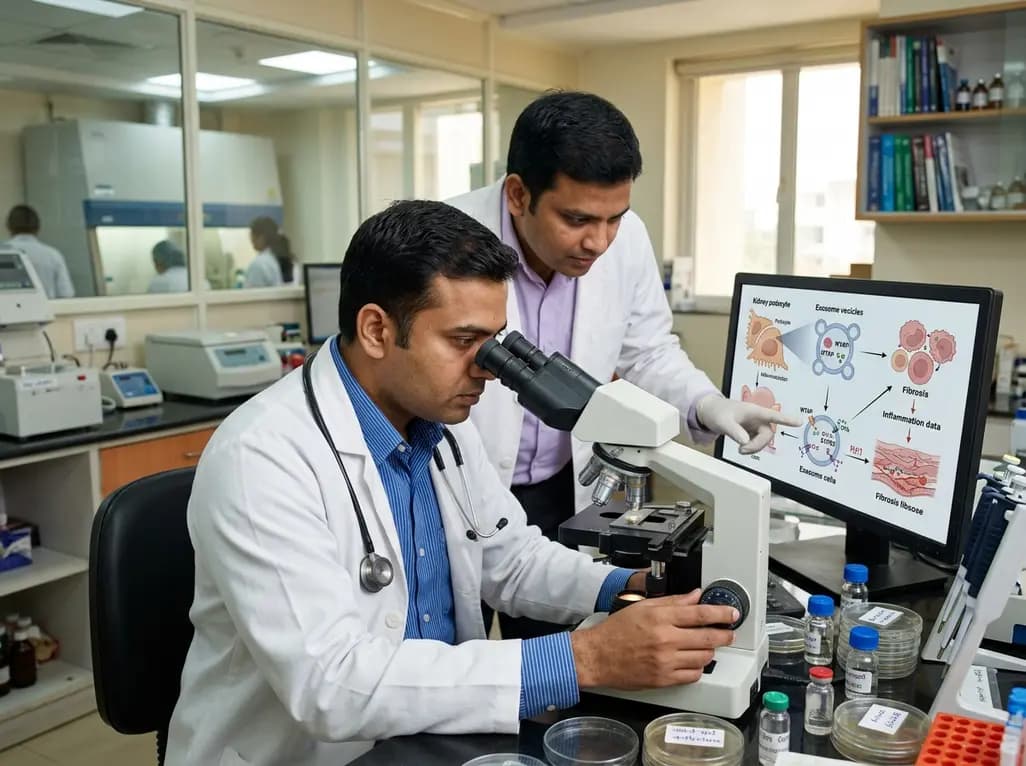
New research reveals that M1 macrophage-derived exosomes aggravate diabetic nephropathy by transferring WTAP to stabilize S1PR2 mRNA. Silencing WTAP in these vesicles attenuates endothelial injury and renal fibrosis, pointing toward innovative nanomedicine therapies.
Yesterday
