.webp&w=384&q=75)

Loading, please wait...
Loading, please wait...

Modern **Hindi OCR technology** is essential for digital health initiatives in India. Specifically, it helps convert physical documents and prescriptions into searchable, structured data. Consequently, researchers have developed a powerful deep learning framework called CRNN-ResNet50. Furthermore, this model improves the robustness of Devanagari script recognition in real-world scenarios. However, script heterogeneity and font variability often present major challenges for standard systems. Therefore, the study by Kumar S. and colleagues addressed these deficiencies by using advanced training methods.
Notably, the research team used innovative data augmentation to simulate image degradation and complex conjuncts. Because of these techniques, the CRNN model achieved a remarkably low error rate on the test set. In fact, the Character Error Rate (CER) was only 2.14%. In addition, the Word Error Rate (WER) reached 7.96%, which is a significant improvement over previous ResNet-50 benchmarks. Since many medical records remain paper-based, accurate OCR is vital for clinical documentation. Ultimately, improved data recognition enhances patient safety and streamlines healthcare workflows across India.
Doctors frequently manage handwritten or printed notes in regional languages. This new architecture ensures that such documents integrate flawlessly into Electronic Health Records (EHR). Moreover, the ability to recognize complex Hindi conjuncts reduces the risk of misinterpretation in digital databases. As a result, healthcare facilities can better support the Ayushman Bharat Digital Mission (ABDM) by ensuring high-quality data interoperability. This technological leap supports more effective medical auditing and long-term patient history tracking.
The CRNN model achieved a Character Error Rate of 2.14%, whereas the ResNet-50 model reached 3.27%. This demonstrates that the CRNN architecture is significantly more effective at handling complex characters and conjuncts in the Hindi language.
Data augmentation creates variability-rich training data by simulating real-world document deterioration. This process makes the OCR system more robust against poor image quality often found in scanned medical records and older patient files.
Disclaimer: This content is for informational and educational purposes only and does not constitute medical advice. It is intended to inform healthcare professionals about technological advancements in medical documentation. Refer to the latest local and national guidelines for clinical practice.
References

Read summarized clinical updates, watch expert medical content, and earn CME certifications right from your smartphone.
Open your smartphone camera to scan and install.





A recent study highlights how the CRNN-ResNet50 model improves Hindi OCR accuracy, a key development for digitizing medical records in India....
5 months ago

A multicenter study reveals that a significant proportion of HCV antibody-positive ophthalmic surgical patients remain untreated and eligible for direct-acting antivirals. Stratifying antibody titers and streamlining referral pathways can optimize hepatitis C micro-elimination efforts.
Today
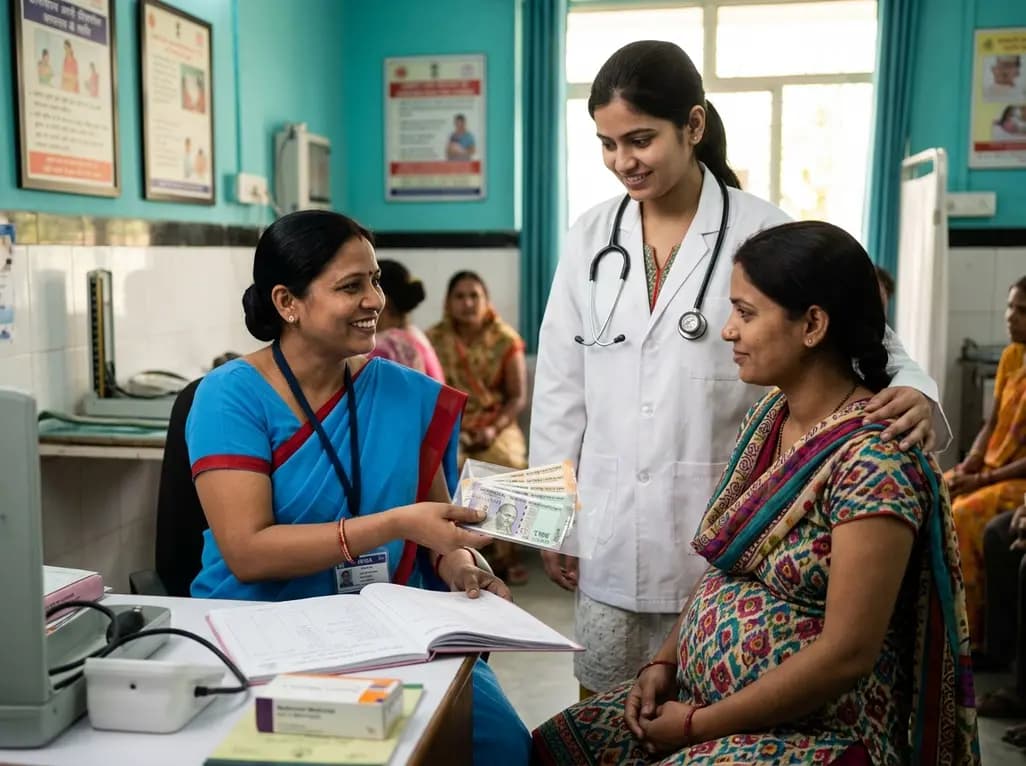
The Delhi Cabinet has approved a key policy revision doubling the fixed monthly allowance for accredited social health activists. This financial enhancement bolsters grassroots maternal and child healthcare delivery, strengthens urban public health surveillance, and improves frontline community health worker retention.
Today
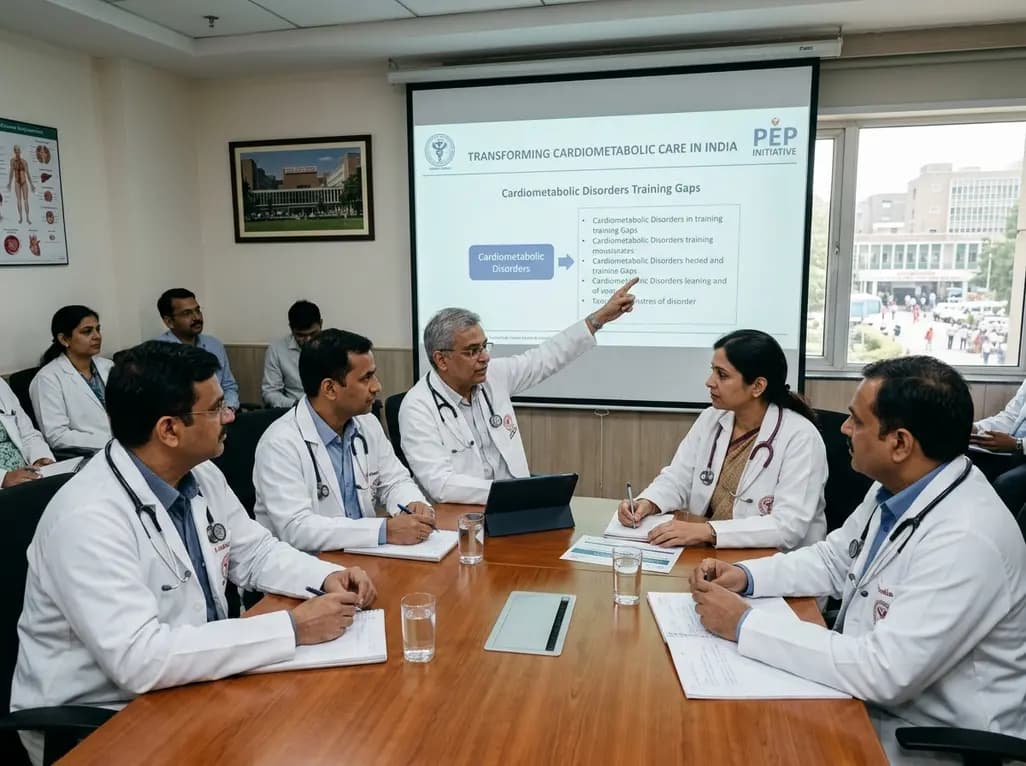
The All India Institute of Medical Sciences has convened national health experts, policymakers, and state nodal officers to transform medical training for cardiometabolic disorders. This collaborative effort under the PEP initiative addresses training gaps to elevate chronic disease care across Indian healthcare.
Today
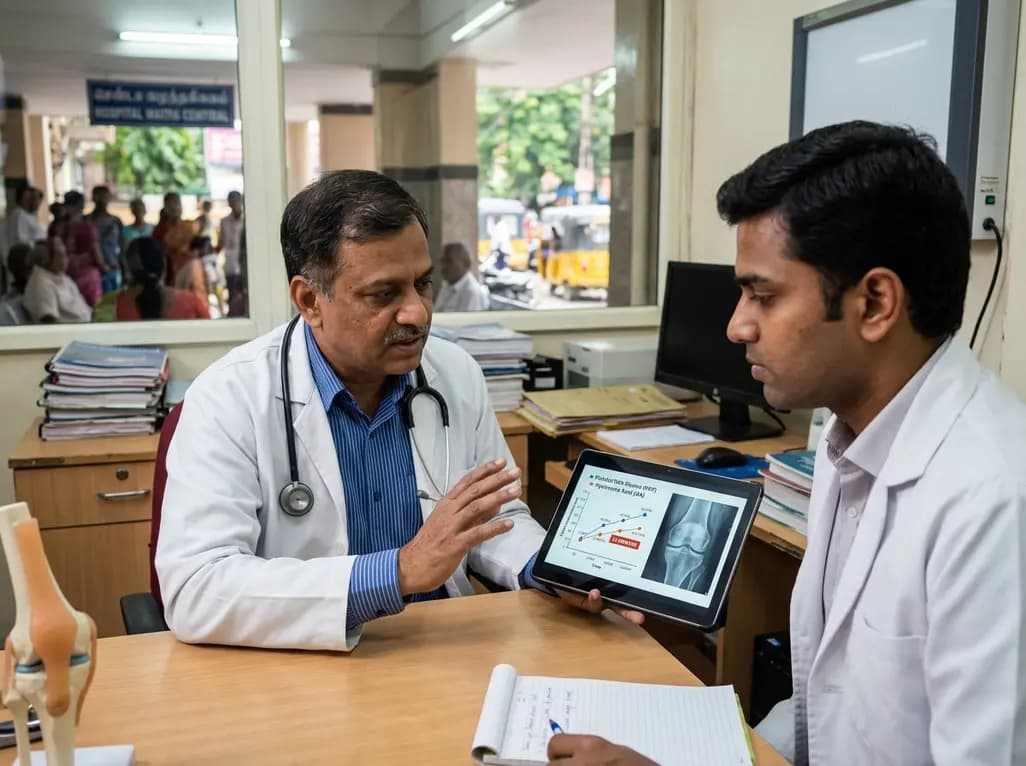
A systematic review and meta-analysis of 21 RCTs reveals that platelet-rich plasma provides small but statistically superior pain relief and functional improvements compared to hyaluronic acid at 12 months in knee osteoarthritis, influenced by platelet concentration and leukocyte enrichment.
Today
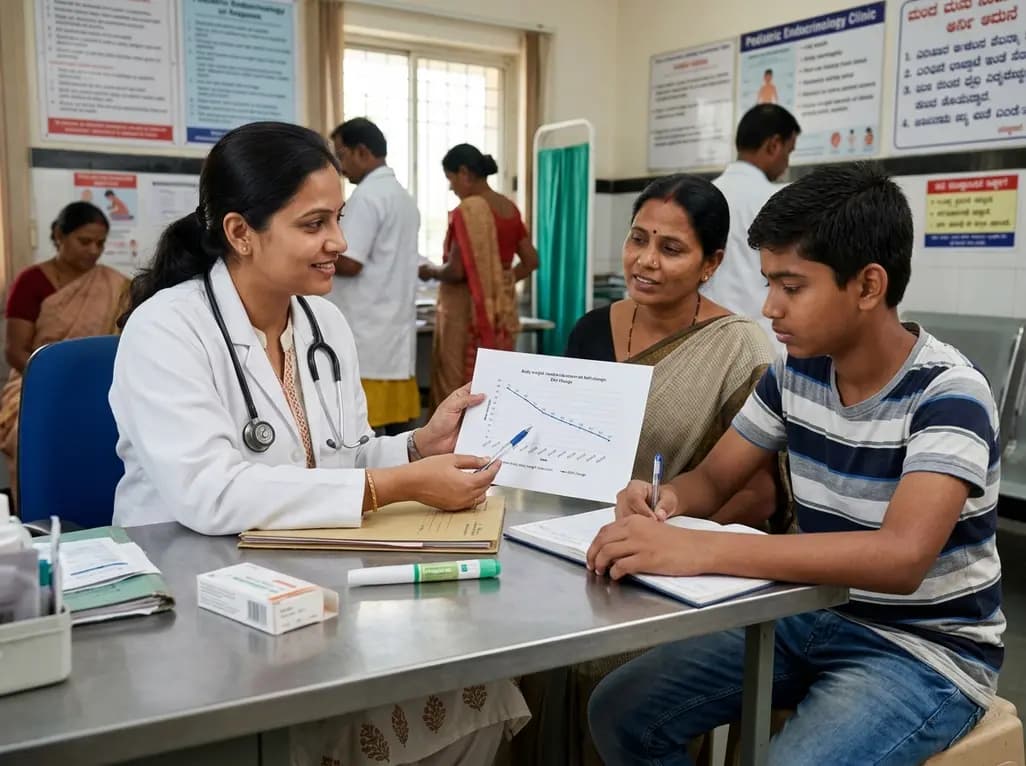
A multicenter real-world prospective study in Taiwan demonstrates that liraglutide effectively reduces body weight and BMI standard deviation score in adolescents with obesity. The therapy shows a favorable safety profile with mild gastrointestinal adverse events and zero treatment discontinuations due to intolerance.
Today
