.webp&w=384&q=75)

Loading, please wait...
Loading, please wait...

Because recurrent aphthous ulcers heritability is high, therefore, specifically, doctors must check family history. Furthermore, consequently, notably, genetic factors dictate recurrence patterns. Since many patients suffer, similarly, however, clinicians need insights. Although trauma triggers ulcers, nevertheless, thus, genetics remain primary. Moreover, additionally, inheritance shapes long-term outcomes.
Moreover, since monozygotic twins share DNA, consequently, therefore, they show high concordance. Additionally, notably, because researchers analyzed 890 pairs, therefore, the results are strong. Thus, similarly, the genetic link became undeniable. However, eventually, specifically, we must find exact genes. Furthermore, although research continues, nevertheless, we understand heritability now.
Specifically, consequently, therefore, genetic awareness improves management. Furthermore, notably, since early cases are genetic, similarly, they need care. Finally, eventually, thus, research will yield drugs. Although current tools are limited, nevertheless, consequently, we progress. Additionally, moreover, history-taking remains essential.
Family history is a major predictor because children with two affected parents have a significantly higher risk. Therefore, genetics play a foundational role in susceptibility.
Although genetics provide the blueprint for susceptibility, environmental triggers like stress or trauma often initiate the actual ulcer formation. However, the frequency remains heavily influenced by heritability.
Currently, no specific genetic test is used in routine clinical practice for RAU. However, identifying familial patterns through history taking remains the most effective way to assess genetic risk today.
Disclaimer: This content is for informational and educational purposes only. It does not constitute medical advice or establish a doctor-patient relationship. Refer to the latest local and national guidelines for clinical practice.
References

Read summarized clinical updates, watch expert medical content, and earn CME certifications right from your smartphone.
Open your smartphone camera to scan and install.





A UK twin study demonstrates that recurrent aphthous ulcers have a high heritability, suggesting that genetics play a primary role in patient susceptibility...
5 months ago
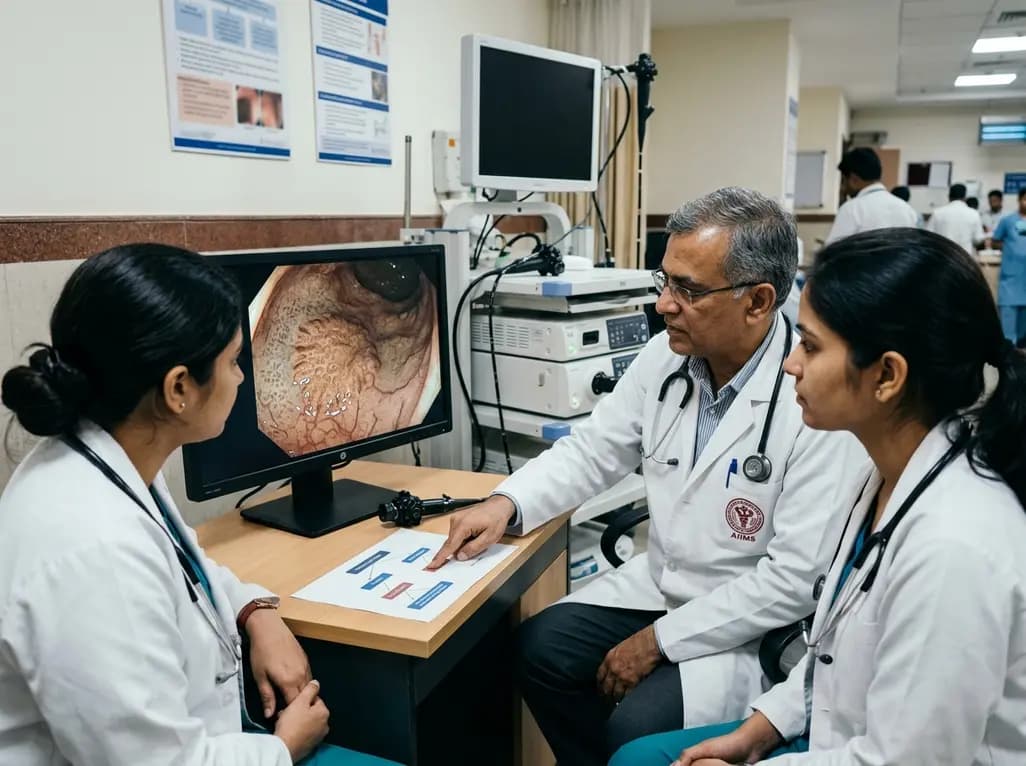
A post hoc decision tree analysis examined JNET Type 1 classification of serrated colorectal lesions. Experts prioritized ruling out anti-Type 1 features with low diagnostic entropy, whereas non-experts relied on mucosal spot patterns, highlighting key training targets for magnifying narrow-band imaging.
Today
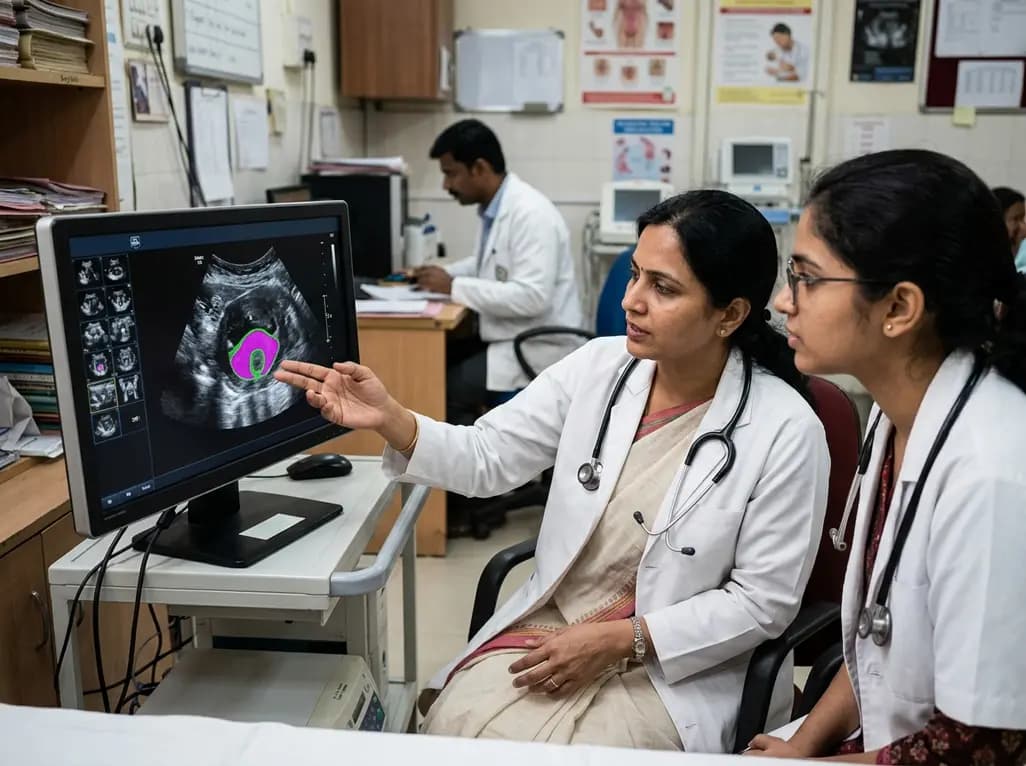
New evidence evaluates MoUNets, a static-weighted ensemble of UNet experts for automated levator hiatus segmentation in pelvic floor ultrasound. Learn how deep learning architectures perform in pelvic organ prolapse diagnostics and clinical practice.
Today

Mitochondrial deubiquitinases regulate organelle turnover by editing ubiquitin tags on damaged mitochondria. Discover how targeting these enzymes, notably USP30, offers therapeutic strategies for neurodegenerative, cardiovascular, and metabolic disorders.
Today

Investigating the influence of walking speed on mechanosensitive joint biomarkers reveals how gait velocity modulates COMP, MMP-3, IL-6, and lubricin kinetics. These findings provide vital physiological insights for orthopedics and sports medicine to personalize exercise prescriptions and preserve joint health.
Today

A cross-sectional study reveals that elevated METS-IR is independently associated with higher myopia odds in adolescents, showing biological synergy with obesity and highlighting the need for metabolic screening in pediatric eye care.
Today
