.webp&w=384&q=75)

Loading, please wait...
Loading, please wait...

Hepatocellular carcinoma (HCC) remains a formidable challenge for global health systems, particularly within populations suffering from chronic liver disease. Consequently, researchers are increasingly focusing on Hepatocellular carcinoma detection algorithms to improve early diagnosis and patient survival. Currently, traditional surveillance methods like ultrasound and alpha-fetoprotein (AFP) testing often exhibit limited sensitivity, especially in patients with obesity or cirrhosis. However, the integration of multiple serum biomarkers with demographic data offers a promising alternative. Furthermore, the recent study by Jeong IH and colleagues highlights how advanced models can transform clinical workflows by providing objective risk assessments. Moreover, these non-invasive tools provide a more robust assessment of cancer risk than traditional solo-marker tests. Notably, the development of the ASAP and GAAD scores represents a significant milestone in modern oncology. Therefore, understanding their comparative performance is essential for hepatologists and internal medicine specialists aiming to refine surveillance strategies and optimize therapeutic interventions.
The ASAP and GAAD models function as integrated diagnostic frameworks that leverage specific patient data to calculate risk. Specifically, the ASAP model incorporates age, sex, AFP, and protein induced by vitamin K absence or antagonist-II (PIVKA-II). Similarly, the GAAD algorithm utilizes gender, age, AFP, and des-gamma-carboxyprothrombin (DCP), which is another term for PIVKA-II. While the biological components are nearly identical, the primary technical difference lies in the diagnostic platforms used for measurement. For instance, the ASAP model typically relies on Abbott analyzers, whereas the GAAD model is often calibrated for Roche diagnostic systems. Despite these differing laboratory standards, both models aim to provide a quantitative score that reflects the likelihood of malignancy. Furthermore, by adjusting for demographic factors like age and sex, these algorithms account for biological variations that often confound solo-marker interpretations. Consequently, clinicians can obtain a more personalized risk profile for each patient under surveillance, facilitating timely decision-making and potentially reducing the burden of unnecessary imaging.
In the recent evaluation of a Korean cohort, both models demonstrated exceptional diagnostic accuracy. Specifically, the ASAP model achieved an area under the ROC curve (AUROC) of 0.945, while the GAAD model yielded a slightly higher AUROC of 0.950. Notably, the statistical analysis revealed no significant difference between these two values, suggesting that both platforms are equally reliable. The ASAP model showed a sensitivity of 81.8% and a specificity of 93.4% at a cutoff of 0.404. In comparison, the GAAD model provided a sensitivity of 85.6% and a specificity of 93.6% with a cutoff of 1.34. Furthermore, these results indicate that multi-marker algorithms significantly outperform the traditional use of AFP alone. Moreover, the high specificity of both models is crucial because it minimizes false-positive results, which can cause significant patient anxiety and lead to costly follow-up procedures. Therefore, the consistent performance across different analyzers reinforces the clinical validity of these mathematical models in real-world settings where laboratory equipment may vary.
One of the most significant findings in recent research is the consistent performance of these algorithms across different liver disease etiologies. Whether a patient has hepatitis B virus (HBV), hepatitis C virus (HCV), or alcohol-related liver disease, the ASAP and GAAD models maintain high diagnostic integrity. Specifically, the Korean study found no statistically significant variations in AUROC across these subgroups. Consequently, these tools serve as versatile diagnostic aids in diverse clinical environments. This universality is particularly important because the underlying cause of liver damage can often influence biomarker levels independently of cancer presence. However, by incorporating multiple data points, these algorithms mitigate the noise associated with chronic inflammation and cirrhosis. Furthermore, the robust nature of these models across etiologies ensures that clinicians do not need to utilize different screening protocols for different patient types. Consequently, this streamlines the screening process and ensures a high standard of care for all high-risk individuals, regardless of their specific medical history.
Detecting malignancy at an early stage is the most critical factor in improving HCC outcomes, as it allows for curative options like surgical resection or liver transplantation. Fortunately, both the ASAP and GAAD models excel in this area, demonstrating high performance even for modified stage I or II cases. Specifically, the study reported an AUROC of 0.911 for ASAP and 0.916 for GAAD in early-stage detection. These values remain significantly higher than those typically reported for ultrasound alone in surveillance programs. Furthermore, the high sensitivity for early-stage tumors means that fewer cancers go undetected during routine check-ups. Moreover, these non-invasive blood tests can be performed more frequently and more conveniently than specialized imaging. Consequently, integrating these algorithms into standard practice could fill the diagnostic gap left by the inherent limitations of radiological techniques. By providing a reliable early warning system, these tools empower clinicians to intervene when the cancer is most treatable, ultimately leading to better long-term survival rates for patients with chronic liver disease.
The relevance of these algorithms to the Indian healthcare landscape cannot be overstated, given the high prevalence of chronic liver disease in the region. Specifically, India faces a significant burden of both HBV and the rising tide of metabolic-associated steatotic liver disease (MASLD). Consequently, implementing robust Hepatocellular carcinoma detection algorithms could provide a cost-effective method for large-scale surveillance. Furthermore, since these models rely on serum biomarkers and demographic data, they are well-suited for clinics that may have limited access to high-end imaging equipment. Moreover, the comparability between the ASAP and GAAD models allows Indian hospitals to utilize whichever platform—Abbott or Roche—is already present in their laboratory infrastructure. Therefore, adopting these validated tools could significantly enhance the detection of early-stage HCC across both urban and rural healthcare settings. Notably, this shift toward objective, biomarker-based risk stratification aligns with global trends in precision medicine. By leveraging these non-invasive tools, Indian clinicians can improve diagnostic precision and ensure that patients receive the most appropriate care at the earliest possible opportunity.
Traditional AFP testing often lacks sufficient sensitivity for early cancer detection and can yield false positives due to liver inflammation. In contrast, the ASAP and GAAD models integrate AFP with patient age, gender, and the PIVKA-II biomarker. This multi-factorial approach provides a more accurate risk score, significantly reducing false results while identifying smaller tumors that might be missed by a single-marker test or basic ultrasound imaging alone.
The primary difference between the two models lies in the specific laboratory platforms used for measurement rather than their clinical accuracy. ASAP is generally optimized for Abbott diagnostic analyzers, whereas GAAD is designed for Roche systems. Despite these technical variations, clinical studies show that both algorithms offer comparable diagnostic performance and high AUROC values, allowing facilities to choose the model that fits their existing laboratory equipment without sacrificing reliability.
Yes, research indicates that both ASAP and GAAD are highly effective across various etiologies, including hepatitis B, hepatitis C, and alcohol-related liver disease. The algorithms maintain high diagnostic accuracy regardless of the underlying cause of chronic liver disease. This consistency makes them ideal surveillance tools for diverse patient populations, ensuring that the risk assessment remains reliable whether the primary liver damage is viral, metabolic, or toxin-induced.
Disclaimer: This content is for informational and educational purposes only. It does not constitute medical advice or establish a doctor-patient relationship. Clinicians should always exercise their professional judgment and cross-reference clinical information with other diagnostic tests. Refer to the latest local and national guidelines for clinical practice.
References
Jeong IH et al. Comparative Evaluation of the ASAP and GAAD Algorithms for Hepatocellular Carcinoma Detection in a Chronic Liver Disease Cohort in Korea. Ann Lab Med. 2026 Jun 25. doi: 10.3343/alm.2025.0716. PMID: 42343147.
Johnson P, et al. A blood-based multi-marker test for hepatocellular carcinoma screening. Cancer Epidemiol Biomarkers Prev. 2024;33(4):512-520.
Yang JD, et al. Global burden of primary liver cancer and its risks. Hepatology. 2025;81(2):450-465.

Read summarized clinical updates, watch expert medical content, and earn CME certifications right from your smartphone.
Open your smartphone camera to scan and install.





A comparative analysis of the ASAP and GAAD algorithms for hepatocellular carcinoma (HCC) detection demonstrates high diagnostic accuracy. Both models utilize age, sex, AFP, and PIVKA-II to improve early cancer detection in chronic liver disease cohorts, regardless of underlying etiology.
3 months ago
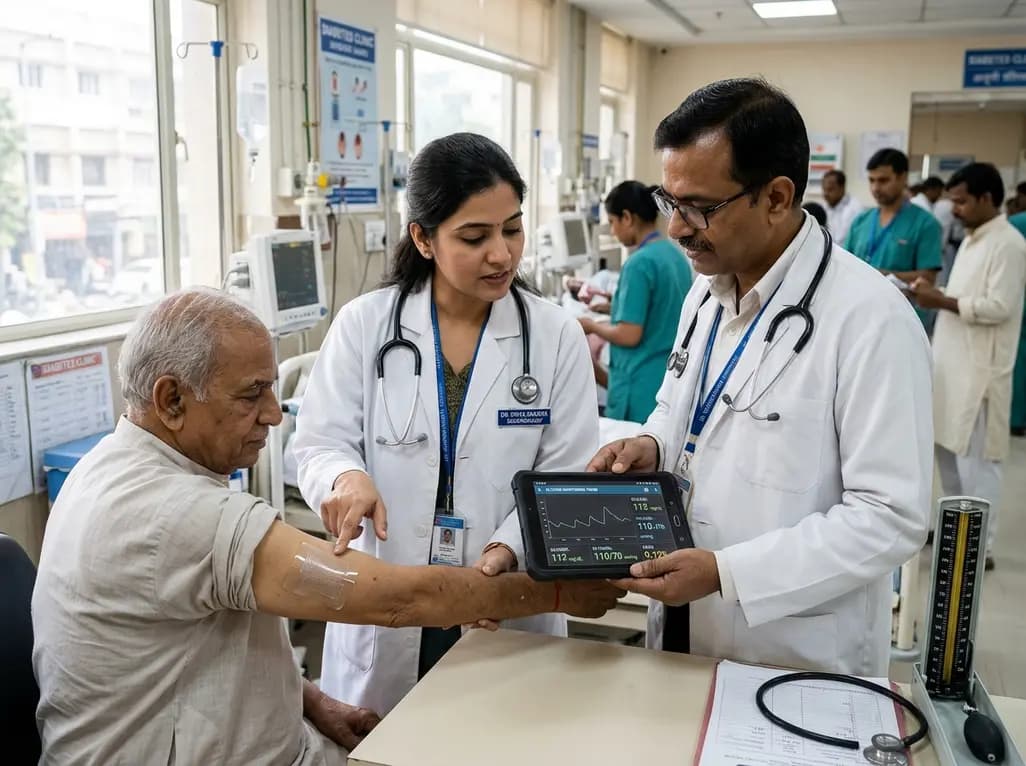
A breakthrough ultrathin multimodal sensor decouples physical hemodynamic monitoring from disposable electrochemical calibration, achieving long-term wearable glucose prediction with 81.36% accuracy and a 9.12% MARD. This offers a robust, drift-free solution for outpatient metabolic surveillance.
Today

Demanding exhaustive hormonal profiling can inadvertently discourage clinical studies involving females. Methodological standards must align with the specific scientific question to expand, not restrict, equitable evidence for women.
Today
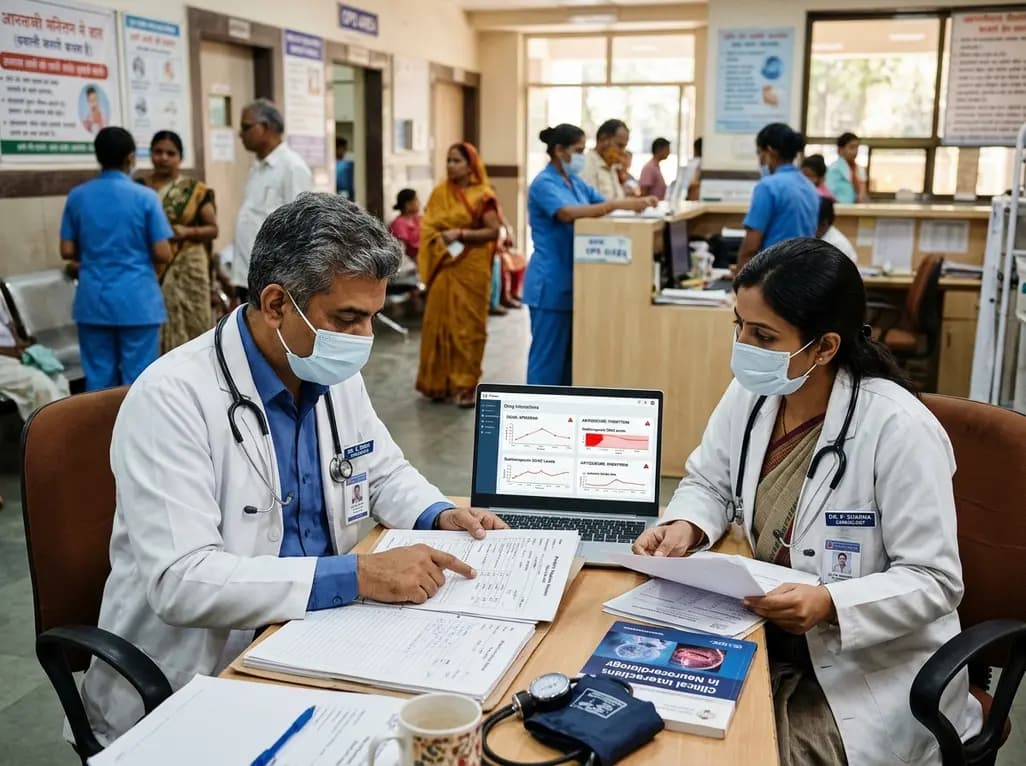
Co-administering antiseizure medications and DOACs frequently causes pharmacokinetic interactions, subtherapeutic drug levels, and thromboembolic failures. This review highlights enzyme induction risks, unpredictable outcomes with levetiracetam, and the vital role of therapeutic drug monitoring.
Today
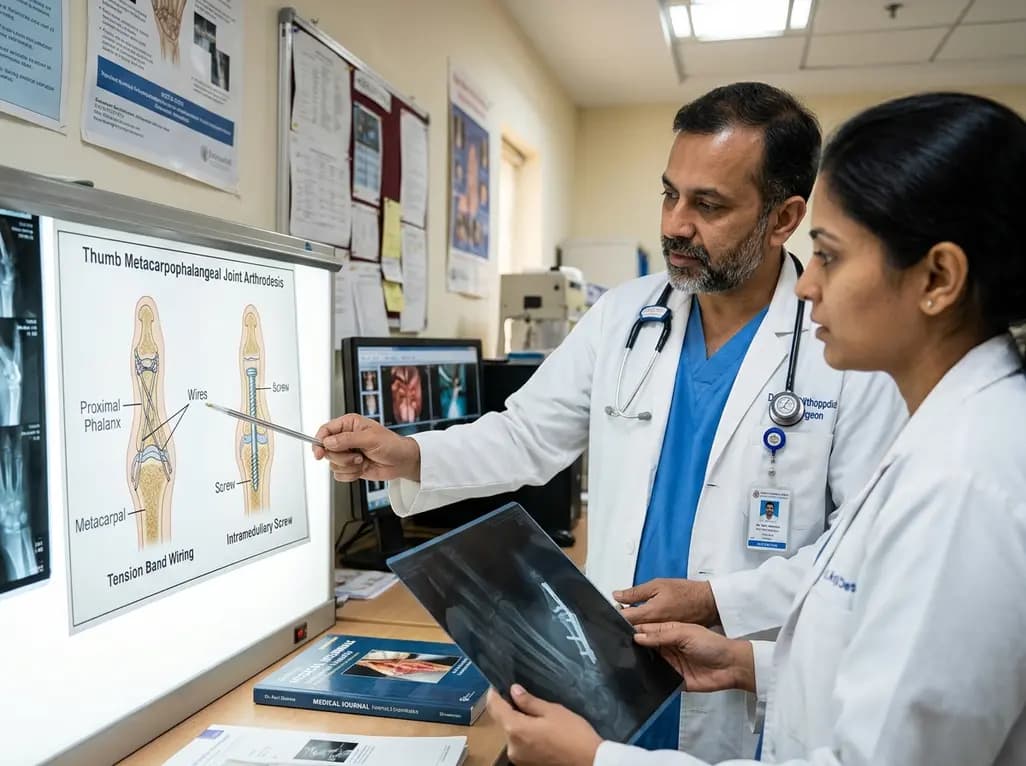
A comparative review of tension band wiring and intramedullary screw fixation in thumb metacarpophalangeal arthrodesis, evaluating union rates, hardware complications, and clinical outcomes.
Today

Following regulatory scrutiny from FSSAI regarding promotional representations and lean muscle preservation claims, Dr. Reddy's Laboratories and Nestlé Health Science are currently reviewing the branding and marketing strategy for their joint nutritional supplement Celevida GLP+.
Today
