.webp&w=384&q=75)

Loading, please wait...
Loading, please wait...
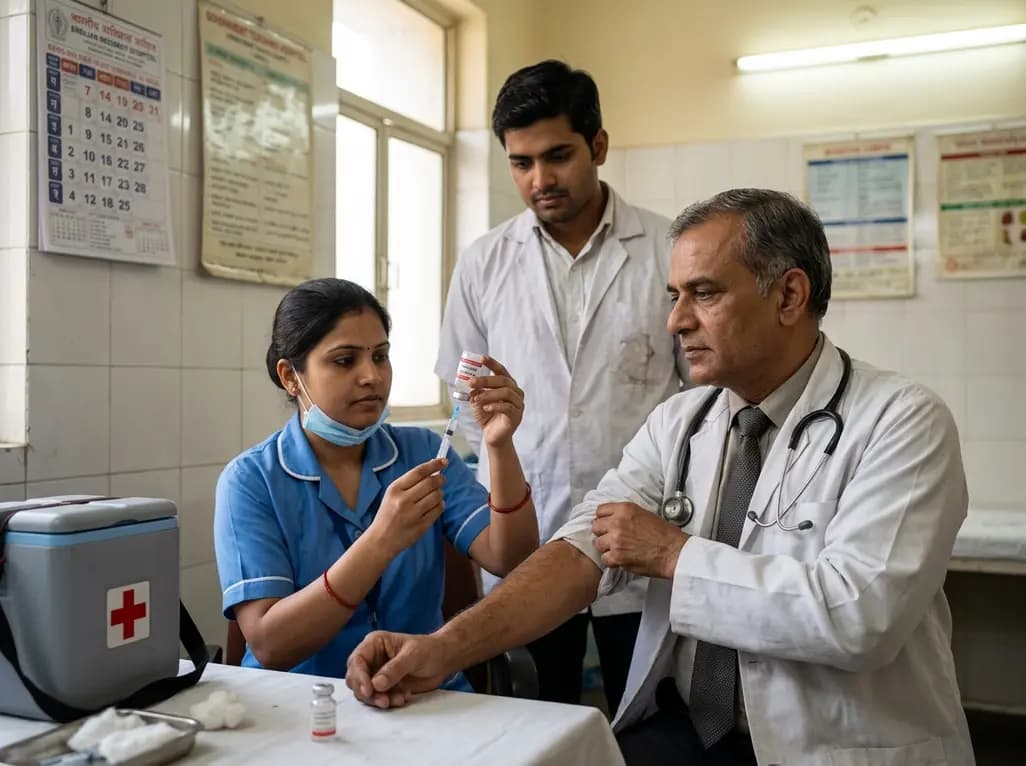
Hepatitis B virus (HBV) remains a formidable occupational threat to clinical personnel across global healthcare ecosystems. Despite the availability of highly protective recombinant vaccines, empirical data demonstrate that Hepatitis B vaccination uptake among auxiliary and volunteer staff remains critically low. Frontline medical cadres frequently handle contaminated sharps, phlebotomy devices, and infectious bodily fluids without adequate baseline immunity. Consequently, evaluating vaccine adherence and identifying socioeconomic predictors among under-supported healthcare workers offers crucial guidance for hospital administrators, infectious disease specialists, and public health authorities.
Recent epidemiological assessments investigate the real-world coverage of HBV immunization among volunteer healthcare workers. These clinical helpers perform essential triage, wound management, and bedside assistance in resource-constrained environments. However, investigators observed striking disparities in primary series completion among these caregivers. A substantial proportion of volunteers failed to receive even a single dose of the vaccine. Furthermore, very few completed the three-dose regimen necessary to achieve protective surface antibody titers.
Statistical modeling confirms that systemic neglect significantly diminishes coverage. In addition, health workers without formal employment contracts frequently miss routine institutional wellness campaigns. Multivariate analyses show that prior occupational safety training and institutional endorsements directly correlate with higher vaccination rates. Conversely, volunteers lacking structured orientation programs exhibit the lowest rates of vaccine completion. Therefore, institutional health programs must acknowledge volunteer cadres as equal stakeholders in hospital infection prevention frameworks.
Hepatitis B virus is highly infectious and resilient. It survives on ambient environmental surfaces for days. Healthcare personnel face persistent exposure through percutaneous inoculation, mucosal splashes, and micro-abrasions sustained during routine patient handling. Without baseline anti-HBs protection, accidental needle-stick injuries from HBeAg-positive sources transmit infection in up to thirty percent of exposures. Consequently, unimmunized workers face substantial risks of acute hepatic inflammation, progressive chronic hepatitis, cirrhosis, and hepatocellular carcinoma.
Moreover, auxiliary health staff frequently operate without optimal personal protective equipment. Volunteer workers often handle high-risk waste disposal and emergency resuscitation when full staffing is unavailable. Consequently, their actual biological exposure mirrors that of fully employed nursing and surgical staff. Routine pre-exposure prophylaxis represents the most cost-effective defensive barrier against nosocomial transmission. Failure to immunize every clinical team member jeopardizes institutional safety and compromises the overall containment of blood-borne pathogens.
Financial barriers represent the primary impediment preventing comprehensive vaccine adoption among volunteer health workers. Because these workers operate without regular salaries or comprehensive health benefits, out-of-pocket expenses for multi-dose vaccine series prove prohibitive. In addition, logistical complexities, including inconvenient clinic hours and distant vaccination centers, further suppress completion rates. Many workers initiate the first dose but default on subsequent booster appointments due to competing economic responsibilities.
Furthermore, cognitive and perceptual gaps compromise vaccine acceptance. Misconceptions regarding personal susceptibility, adverse vaccine reactions, and vaccine effectiveness persist among auxiliary personnel. Several workers mistakenly assume that standard surface hygiene sufficiently mitigates viral transmission risks. Additionally, inadequate institutional tracking systems fail to remind workers when secondary and tertiary doses are due. Thus, eliminating financial outlays and establishing automated dose-tracking systems remain essential steps for improving completion metrics across health facilities.
These findings from international cohorts closely mirror public health realities observed within the Indian healthcare infrastructure. In India, community health workers, auxiliary nurse midwives, hospital attendants, and informal caregivers form the backbone of rural and peri-urban medical delivery. Although the National Viral Hepatitis Control Program advocates universal immunization for healthcare personnel, implementation gaps persist across public and private tiers. Many contract workers and trainees continue to provide direct bedside care without confirmed seroprotection.
Similarly, Indian healthcare facilities report variable HBV vaccine coverage among sanitary attendants and phlebotomy technicians. While senior clinical staff often maintain adequate immunity, lower-tier cadres experience frequent needle-stick injuries without protective antibody titers. Therefore, Indian medical administrators must expand free institutional vaccination drives. Ensuring that every hospital employee, regardless of contractual status, receives comprehensive vaccination aligns directly with national viral hepatitis elimination milestones.
Healthcare facilities must establish robust, standardized occupational health protocols. First, hospitals should mandate baseline pre-employment HBV screening and offer cost-free immunization to all joining staff. Clinicians recommend the standard three-dose intramuscular schedule administered at zero, one, and six months. Following the primary series, facilities should perform quantitative anti-HBs testing within one to two months. Titers exceeding 10 mIU/mL confirm clinical seroprotection.
Moreover, healthcare centers must maintain rapid post-exposure prophylaxis protocols. When an unimmunized worker sustains a sharp injury from an HBsAg-positive source, clinicians must administer Hepatitis B immune globulin alongside the initial vaccine dose within twenty-four hours. Delayed intervention drastically reduces prophylactic efficacy. Furthermore, institutional leaders should introduce non-punitive incident reporting mechanisms. Encouraging transparent reporting ensures that exposed staff receive immediate clinical evaluation, counseling, and timely prophylactic treatment without fear of workplace reprimand.
Achieving universal HBV coverage across diverse clinical teams requires coordinated policy reforms and educational initiatives. Health ministries should integrate all hospital personnel, including volunteers and community workers, into national immunization databases. Hospital infection control committees must organize mandatory, recurring workshops explaining viral transmission physics, safe injection practices, and vaccine safety profiles. Clear communication dispels hesitancy and fosters a culture of shared safety.
Additionally, medical administrators should implement decentralized point-of-care vaccination stations during shift handovers. Providing on-site vaccination eliminates transportation costs and minimizes work disruptions. Mobile digital reminders can alert staff to impending booster appointments, thereby curbing series dropouts. Ultimately, protecting frontline health workers safeguards the broader community. Valuing and immunizing every caregiver strengthens health system resilience and accelerates global hepatitis elimination targets.
Healthcare personnel should receive the standard three-dose recombinant Hepatitis B vaccine series. Clinicians administer the vaccine intramuscularly into the deltoid muscle at zero, one, and six months. For accelerated protection in high-risk environments, an alternative four-dose schedule at zero, one, two, and twelve months is clinically acceptable. Immunocompromised individuals or non-responders may require high-dose formulations or an additional revaccination series to establish protective antibody titers.
Clinicians assess immunity by measuring quantitative anti-HBs surface antibody levels one to two months after the final dose of the primary vaccine series. A serum anti-HBs concentration equal to or greater than 10 mIU/mL indicates adequate seroprotection. Individuals with titers below 10 mIU/mL are non-responders and require a second complete three-dose series followed by repeat serological testing to confirm eventual immune conversion.
Healthcare workers must immediately wash the puncture site thoroughly with soap and running water without squeezing the wound. Next, the worker must report the incident to the occupational health supervisor immediately. Clinicians evaluate the source patient's HBsAg status and the worker's anti-HBs titers. Unvaccinated exposed workers must receive Hepatitis B immune globulin and initiate the vaccine series within twenty-four hours for optimal post-exposure prophylaxis.
Disclaimer: This content is for informational and educational purposes only, and should not be taken as professional medical advice. While we strive to provide accurate, up-to-date information, the field of medicine is constantly evolving, and new developments may alter clinical practice. Healthcare professionals and patients should always consult primary literature, expert clinical guidelines, and certified medical practitioners for diagnostic and treatment decisions. The authors and publishers are not liable for any direct, indirect, or consequential damages resulting from the use or misuse of the information provided. Refer to the latest local and national guidelines for clinical practice.
References
1. Sovi K et al. The Uncared-for Carers: A Cross-Sectional Study of Hepatitis B Vaccination Uptake and Predictors Among Volunteer Healthcare Workers in Zambia: HBV Vaccination Uptake Among Volunteer HCWs. Health Sci Rep. 2026 Aug undefined. doi: 10.1002/hsr2.73059. PMID: 42609506.
2. World Health Organization. Guidelines for the Prevention, Care and Treatment of Persons with Chronic Hepatitis B Infection. Geneva: World Health Organization; 2024.
3. Ministry of Health and Family Welfare, Government of India. National Viral Hepatitis Control Program (NVHCP): Operational Guidelines. New Delhi: National Health Mission; 2023.
4. Centers for Disease Control and Prevention. Prevention of Hepatitis B Virus Infection in the United States: Recommendations of the Advisory Committee on Immunization Practices. MMWR Recomm Rep. 2018;67(1):1-31.

Read summarized clinical updates, watch expert medical content, and earn CME certifications right from your smartphone.
Open your smartphone camera to scan and install.





Occupational exposure to Hepatitis B virus remains a severe threat to frontline healthcare workers. Evaluating vaccination uptake and predictors highlights systemic barriers and underscores the urgent need for institutional immunization programs.
last month
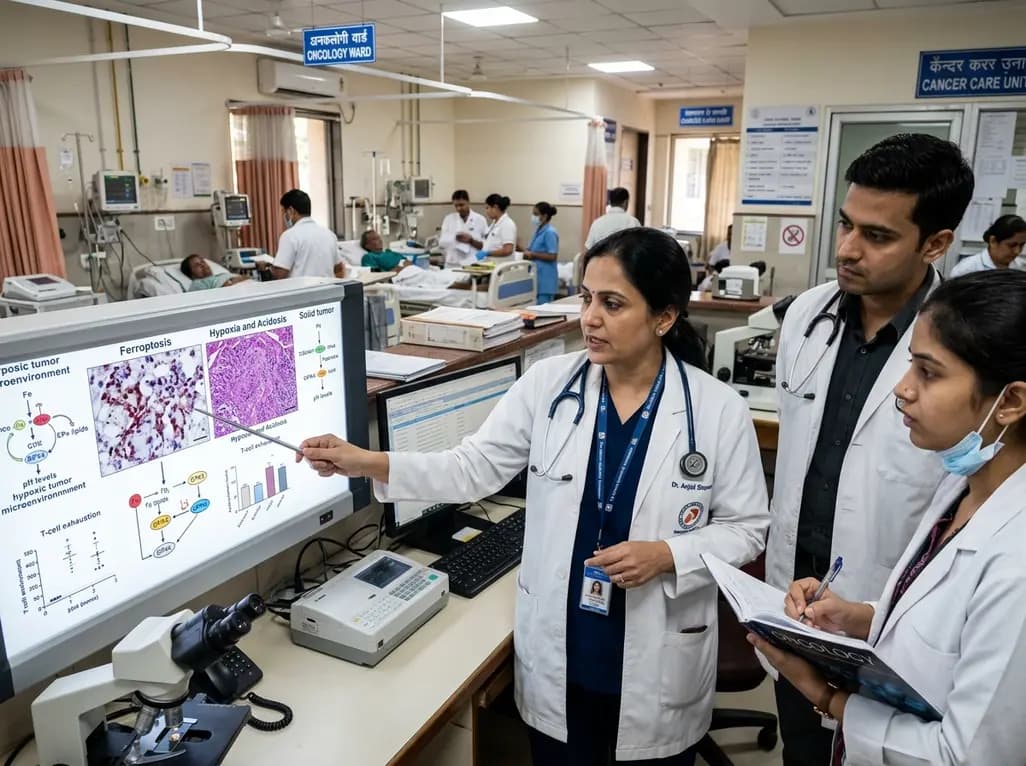
Targeting ferroptosis provides a compelling strategy to dismantle hypoxia- and acidosis-driven immunosuppression in solid tumors, enhancing response to modern immunotherapy.
Today

Findings from Project Viva indicate that sustained postpartum weight retention, rather than excessive gestational weight gain alone, directly worsens women's mid-life cardiovascular health, degrading blood pressure and glycemic parameters decades after delivery.
Today
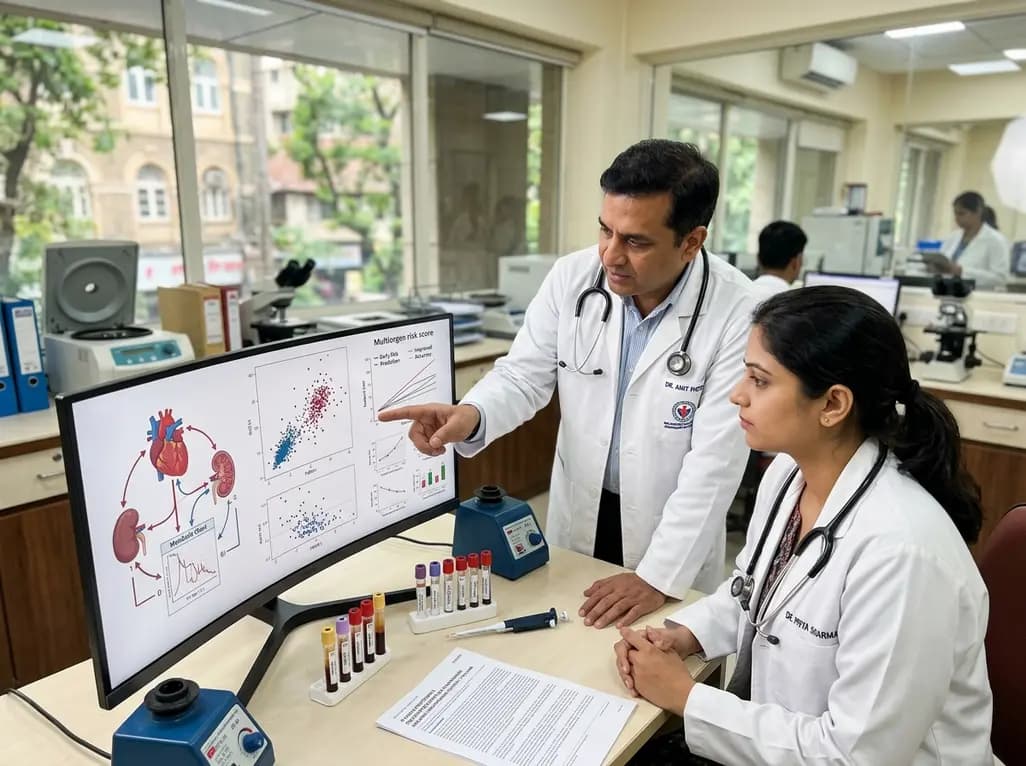
A large UK Biobank study reveals that plasma proteomic signatures capture preclinical organ damage and improve multiorgan risk prediction across early CKM syndrome stages 0 to 2 beyond traditional PREVENT clinical models.
Today

A retrospective CBCT study reveals that superior TMJ space asymmetry correlates moderately with occipital condyle-atlas-axis asymmetry in unilateral TMJ osteoarthritis, highlighting an imaging correlate between jaw biomechanics and upper cervical alignment rather than a standalone diagnostic marker.
Today

A Bayesian multilevel meta-analysis reveals that aerobic training combined with moderate carbohydrate restriction modestly lowers HbA1c in type 2 diabetes. However, sparse data and very low certainty leave incremental benefits over exercise or diet alone unproven, highlighting the need for individualized care.
Today
