.webp&w=384&q=75)

Loading, please wait...
Loading, please wait...

Recent data from the CONCORD-3 study provides a comprehensive look at hematopoietic malignancy survival trends. Researchers analyzed data from adult patients in Japan between 2000 and 2014. They discovered that five-year net survival improved significantly for both myeloid and lymphoid malignancies. This progress highlights the effectiveness of evolving clinical strategies and therapeutic advancements. Consequently, monitoring these trends is essential for improving global cancer control policies and patient care benchmarks.
The study observed remarkable gains in the myeloid category, particularly among younger patients. For instance, survival for those aged 15-44 jumped from 57.3% to 72.3%. Similarly, patients in the 45-54 age bracket saw an increase from 41.9% to 61.3%. However, the improvement for older patients was less pronounced across most subtypes. Furthermore, specific subtypes like myeloproliferative neoplasms and classic Hodgkin\'s lymphoma showed survival increases exceeding 10%. In contrast, diffuse B-cell lymphoma and acute myeloid leukemia showed more moderate improvements. Therefore, age remains a critical factor in determining long-term prognosis and survival outcomes in these patients.
Interestingly, these Japanese trends mirror global efforts to enhance hematological care. The introduction of targeted therapies and improved supportive care has reshaped the prognosis for many patients. Nevertheless, the disparity in outcomes for the elderly suggests a need for tailored geriatric oncology approaches. Clinicians should prioritize early detection and the use of age-appropriate treatment protocols to further bridge these survival gaps. Additionally, population-based registries continue to serve as a vital tool for assessing the real-world impact of medical innovations.
The study found significant improvements in 5-year net survival for myeloid malignancies, especially in patients aged 15-54. Specifically, those under 45 saw survival rates rise by 15% over the study period.
Younger patients generally tolerate intensive treatments, such as stem cell transplants and high-dose chemotherapy, better than older adults. Older patients often present with more comorbidities, which can limit treatment intensity and affect overall survival.
Myeloproliferative neoplasms, classic Hodgkin\'s lymphoma, and follicular lymphoma exhibited the most significant survival gains, with improvements of 10% or more during the 2000-2014 period.
Disclaimer: This content is for informational and educational purposes only and does not constitute medical advice or a professional relationship. Always seek the advice of a qualified healthcare provider regarding any medical condition. Refer to the latest local and national guidelines for clinical practice.
References
Yoshida I et al. Trends in survival for adult patients with hematopoietic malignancies in Japan, 2000-14 (CONCORD-3). Jpn J Clin Oncol. 2026 Mar 20. doi: 10.1093/jjco/hyaf145. PMID: 41859889.
Allemani C, et al. Global surveillance of trends in cancer survival 2000-14 (CONCORD-3): analysis of individual records for 37,513,025 patients diagnosed with one of 18 cancers from 322 population-based registries in 71 countries. Lancet. 2018 Jan 30;391(10125):1023-1075.
Indian Council of Medical Research. Report of National Cancer Registry Programme 2020. Bengaluru, India: ICMR-NCDIR; 2020.
"
Read summarized clinical updates, watch expert medical content, and earn CME certifications right from your smartphone.
Open your smartphone camera to scan and install.





New data from the CONCORD-3 study reveals significant 5-year survival improvements for adult hematopoietic malignancies in Japan, particularly in younger gr...
7 months ago

India is advancing preventive healthcare by integrating genomics, artificial intelligence, and quantum technologies. With the SANGAM programme sequencing one million Indian genomes, clinicians can unlock personalized therapies, detect cardiometabolic risks early, and curb the burden of diabetes and heart disease.
Today
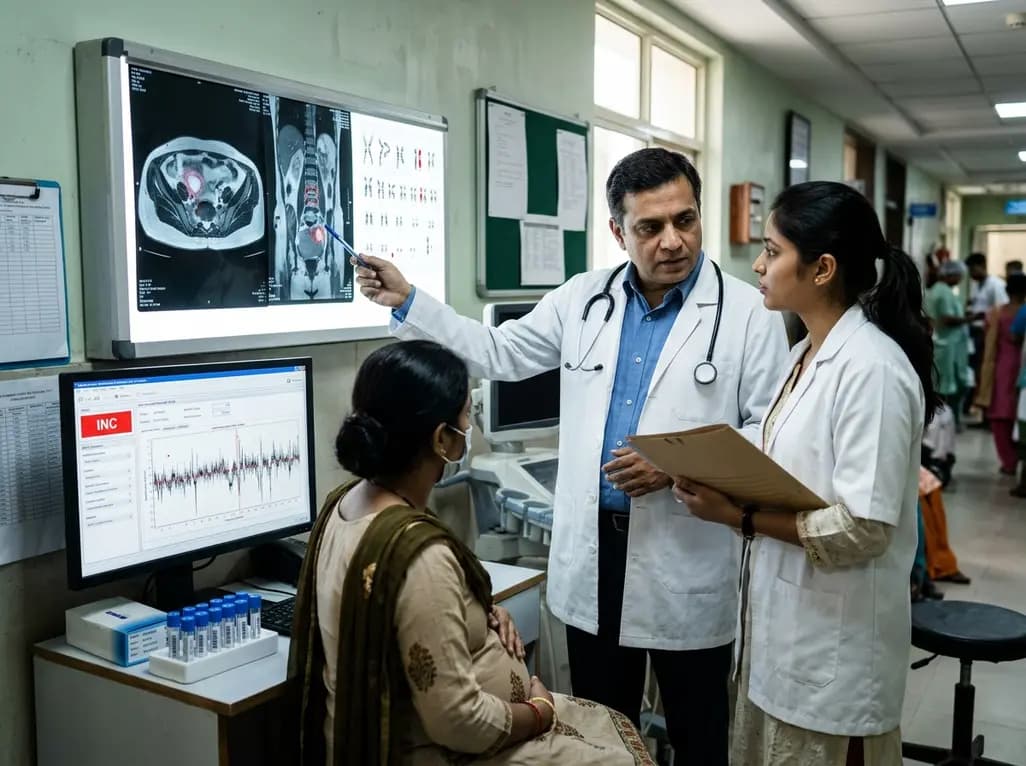
Occult maternal malignancy accounts for 3.82% of persistent unreportable NIPT results with genomic noise. Multiple chromosomal aberrations, notably on chromosome 18, warrant thorough oncological evaluation and whole-body MRI to ensure timely maternal diagnosis while preserving fetal care.
Today

This article reviews the forensic and clinical complexities of acute myocarditis arising on left ventricular hypertrophy in children, highlighting early diagnostic red flags and multidisciplinary postmortem autopsy protocols.
Today
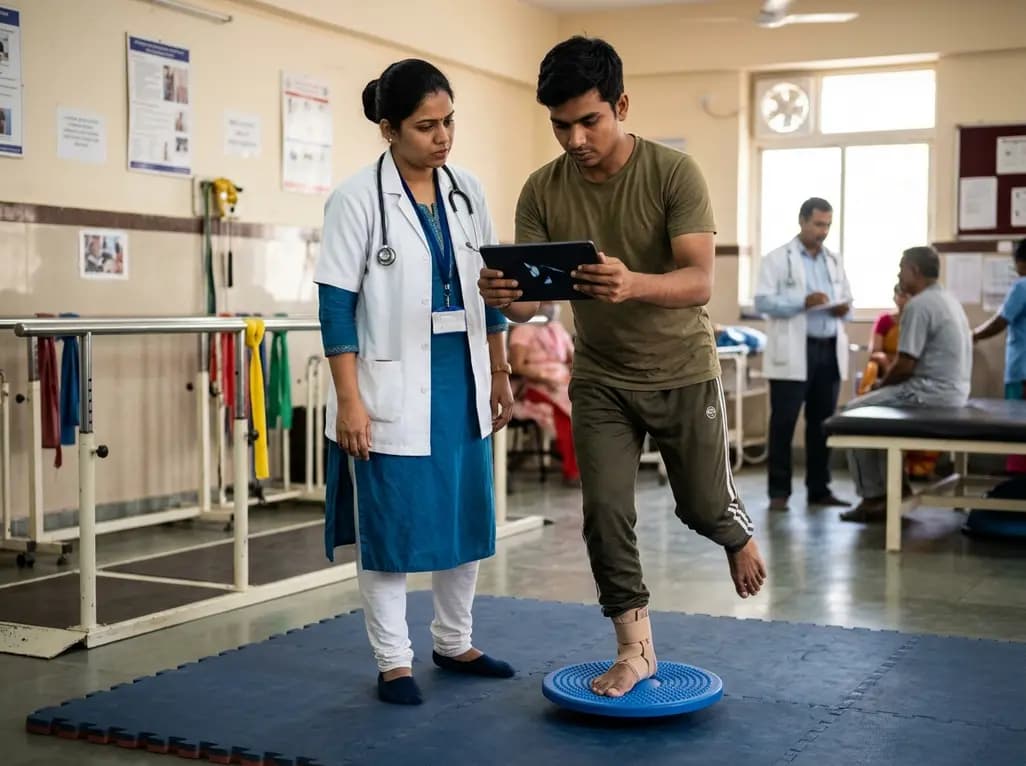
A randomized controlled trial demonstrates that an eight-week dual-task training intervention significantly improves static and dynamic postural control over standard balance exercises in individuals with chronic ankle instability, addressing critical neurocognitive deficits during athletic and daily activities.
Today

A retrospective cohort study of 7,716 ICU patients from the MIMIC-IV database demonstrates that Gradient Boosting Decision Trees significantly outperform traditional SOFA scores in predicting in-hospital mortality among patients with sepsis and diabetes, with SHAP analysis providing clinical interpretability.
Today
