.webp&w=384&q=75)

Loading, please wait...
Loading, please wait...
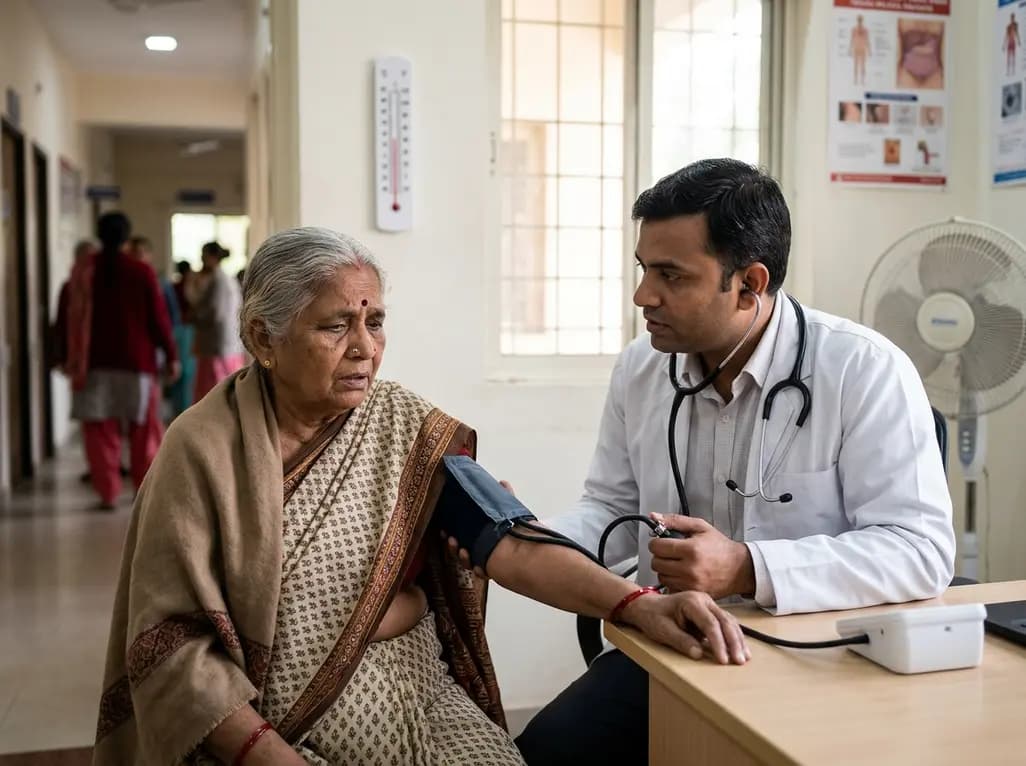
Global climate patterns continue to break historical records across South Asia and the globe. Consequently, medical practitioners must re-evaluate environmental health risks for geriatric populations. Recent landmark findings published in The Lancet Planetary Health highlight an alarming reality regarding heat vulnerability in older adults. Previous physiological frameworks assumed that thermal danger thresholds were identical across all age demographics. However, emerging clinical evidence demonstrates that seniors experience uncompensable thermal stress at substantially lower ambient temperatures and humidity levels than younger cohorts. Therefore, healthcare systems must rapidly update their risk stratification protocols to protect vulnerable aging individuals.
Recent research from Stanford University and Pennsylvania State University challenges traditional heat tolerance assumptions. Historically, public health agencies established critical environmental thresholds using physiological data gathered predominantly from healthy young adults. Consequently, these outdated metrics significantly underestimated the population at risk from rising global temperatures. In fact, authors estimate that earlier projections missed more than half of the truly vulnerable geriatric population.
Furthermore, the investigation established empirical uncompensable heat limits across three distinct age groups: 15 to 39 years, 40 to 59 years, and 60 years and older. The findings demonstrate that seniors face dangerous physiological stress under just 1.5 degrees Celsius of global warming. Remarkably, this risk profile exceeds what young adults would experience even at 4 degrees Celsius of warming. Middle-aged individuals also experience accelerated vulnerability, although older adults remain the most severely compromised group. In addition, persistent day and night heat waves compound this biological distress over consecutive weeks. Therefore, clinicians must recognize that ambient conditions considered tolerable for young people can quickly precipitate organ failure in elderly patients.
The human body relies on complex neurovascular mechanisms to maintain thermal homeostasis during ambient heat stress. However, normal aging brings progressive physiological declines that markedly reduce heat dissipation capacity. For instance, older adults exhibit significant structural changes in cutaneous blood vessels, leading to impaired peripheral vasodilation. Consequently, warm blood cannot reach the skin surface efficiently for evaporative cooling.
Additionally, sweat gland output and sweat gland sensitivity decrease markedly with advancing age. As a result, older individuals produce substantially less sweat under identical thermal challenges compared to younger individuals. Meanwhile, cardiac workload rises dramatically during thermal stress to compensate for reduced vascular responsiveness. The aging myocardium must work significantly harder to pump blood through compromised vascular beds, which sharply increases myocardial oxygen demand. Moreover, older individuals frequently suffer from blunted thirst perception. Therefore, dehydration develops rapidly and silently without the patient feeling thirsty. When these age-related declines combine with chronic cardiovascular, metabolic, or renal comorbidities, the risk of acute decompensation escalates exponentially during sudden temperature surges.
The geographic distribution of thermal risk presents an extraordinary public health challenge across South Asia. Specifically, researchers project that warming exceeding three degrees Celsius will affect over 1.5 billion people in India, China, Pakistan, and Bangladesh. These four nations account for nearly 73 percent of the entire global population facing extreme heat danger. Furthermore, regions like the Indo-Gangetic Plain and the Persian Gulf face protracted thermal anomalies where dangerous conditions persist day and night.
Unfortunately, high environmental exposure frequently coincides with lower socioeconomic resources in many Indian communities. For example, millions of older adults live in non-air-conditioned households with poorly insulated roofs and limited urban green cover. Additionally, frequent electrical grid failures during peak summer months eliminate basic fans or coolers when patients need them most. In rural regions, older agricultural workers often continue outdoor physical labor despite oppressive conditions. Therefore, primary care clinicians and rural healthcare workers operate on the frontlines of this emerging environmental health crisis. Developing localized early-warning protocols and community cooling shelters is now essential to reduce avoidable geriatric morbidity and mortality across vulnerable districts.
Polypharmacy and chronic diseases severely amplify thermal hazards among aging patients. For instance, clinicians routinely prescribe antihypertensive drugs, diuretics, and beta-blockers to manage common chronic conditions. However, diuretics accelerate intravascular volume depletion and electrolyte derangements during hot weather. Similarly, beta-blockers limit compensatory heart rate elevations, impairing cutaneous vasodilation and heat dissipation.
Furthermore, medications with anticholinergic properties directly suppress sweat gland secretion. Antipsychotics, tricyclic antidepressants, and antihistamines all disrupt central thermoregulatory processing in the hypothalamus. Consequently, patients taking these pharmacotherapies lose their remaining physiological defenses against heat stroke. In addition, underlying comorbidities such as congestive heart failure, chronic kidney disease, and diabetic neuropathy independently degrade homeostatic resilience. Diabetic patients, for example, often suffer from peripheral autonomic neuropathy that directly blunts microvascular sweating. Therefore, physicians must conduct proactive medication reviews before seasonal heat waves begin. Dose adjustments, electrolyte monitoring, and patient counseling regarding hydration are critical preventive measures that save lives in high-risk geriatric cohorts.
Effective clinical management requires rapid diagnosis and aggressive preventive interventions before irreversible tissue injury occurs. When an older adult presents with heat exhaustion or classical non-exertional heat stroke, clinicians must act immediately. Symptoms often appear atypically in seniors, presenting as acute delirium, lethargy, syncope, or worsening heart failure rather than obvious hyperthermia. Therefore, physicians must maintain a high index of suspicion during warmer seasons.
Immediate management focuses on prompt evaporative cooling, continuous core temperature tracking, and judicious intravenous rehydration. Clinicians should avoid overzealous fluid administration, which can precipitate pulmonary edema in patients with compromised left ventricular function. In addition, hospitals must establish dedicated cool wards and rapid-response triage pathways for heat-vulnerable individuals. Beyond hospital walls, outpatient clinicians should educate caregivers on recognizing early warning signs such as reduced urine output, dizziness, and sudden confusion. Providing practical advice on seeking air-conditioned public spaces, taking regular cool showers, and maintaining scheduled fluid intake provides substantial protection. Ultimately, bridging clinical vigilance with community outreach creates a robust safety net for aging populations facing escalating environmental heat.
Q1: Why do older adults experience heat-related illness at lower temperatures than younger people?
Aging diminishes several natural thermoregulatory defenses, making older adults highly vulnerable to thermal stress. Their sweat glands produce less sweat, and peripheral blood vessels dilate more slowly, which severely limits evaporative and radiative cooling. Additionally, their cardiovascular systems experience greater strain when attempting to circulate blood to the skin. Consequently, the core body temperature rises rapidly even at moderate ambient temperatures, especially during humid weather conditions.
Q2: Which common medications increase the danger of heat stress in elderly individuals?
Multiple commonly prescribed geriatric medications disrupt normal thermoregulation during hot weather. Diuretics promote severe volume depletion and electrolyte disturbances, while beta-blockers prevent appropriate compensatory heart rate increases. Furthermore, drugs with anticholinergic properties, including certain antipsychotics, antihistamines, and bladder medications, directly suppress perspiration. Clinicians should regularly review patient drug regimens before heat waves occur, adjusting dosages and advising appropriate hydration strategies where clinically appropriate.
Q3: What atypical symptoms should doctors look for when evaluating heat exhaustion in seniors?
Older patients often present without classic signs like heavy sweating or obvious distress. Instead, heat-related illness frequently manifests as acute confusion, sudden lethargy, dizziness, worsening cognitive deficits, or unprovoked falls. In addition, thermal stress can trigger acute decompensation of underlying chronic conditions, presenting as exacerbations of congestive heart failure, renal impairment, or severe hypotension. Clinicians must promptly assess core temperature, hydration status, and serum electrolytes whenever seniors deteriorate unexpectedly during warm spells.
Disclaimer: This content is for informational and educational purposes only. It does not constitute medical advice or replace professional judgment. Refer to the latest local and national guidelines for clinical practice.
References

Read summarized clinical updates, watch expert medical content, and earn CME certifications right from your smartphone.
Open your smartphone camera to scan and install.





A landmark Lancet Planetary Health study reveals that older adults suffer dangerous heat stress at much lower temperatures than previously estimated. In South Asia, over 1.48 billion people face severe exposure risks, highlighting the urgent need for tailored clinical monitoring and community cooling strategies.
last month

A review of incidental intestinal parasitic infections detected during colonoscopy, highlighting diagnostic morphology, the absence of peripheral eosinophilia, and tailored antihelminthic treatment.
Today

A nationwide South Korean study shows underreporting of smoking among women dropped from 57.4% to 36.4% between 2008 and 2021. However, over one-third of female smokers still conceal their habit, highlighting the critical role of cotinine verification in clinical risk assessment.
Today

PepsiCo and Monster Beverage have challenged the FSSAI ban on the energy drink label in Indian courts. While companies highlight supply disruptions, regulatory actions spotlight severe cardiovascular and metabolic risks associated with excessive caffeine, sugar, and taurine consumption, especially in adolescents.
Today
Persistent and recurrent musculoskeletal pain in youth athletes is often dismissed as simple growing pains. A developmentally informed biopsychosocial framework is essential to guide return-to-sport decisions, addressing biological vulnerabilities, psychological appraisals, and sociocultural expectations.
Today

A Bayesian multilevel meta-analysis reveals that aerobic training combined with moderate carbohydrate restriction modestly lowers HbA1c in type 2 diabetes. However, sparse data and very low certainty leave incremental benefits over exercise or diet alone unproven, highlighting the need for individualized care.
Yesterday
