.webp&w=384&q=75)

Loading, please wait...
Loading, please wait...

Youth sports participation has grown exponentially over recent years. Consequently, clinical presentations of persistent and recurrent pain in young athletes have surged. Historically, clinicians evaluated these injuries through a narrow biomechanical framework. However, tissue healing alone does not guarantee a safe athletic recovery. Therefore, managing young competitors requires a comprehensive biopsychosocial approach.
For decades, youth athletic culture has normalized physical suffering under slogans such as 'no pain, no gain.' Consequently, young competitors often conceal persistent soreness or recurrent microtrauma to avoid losing playing time. Furthermore, clinicians often categorize pediatric discomfort as simple growing pains or acute overuse strain. This reductionist approach overlooks how recurring discomfort reshapes an athlete's nervous system and behavioral patterns. Persistent discomfort alters movement mechanics, degrades performance, and creates protective motor adaptations. In addition, focusing solely on radiological healing causes clinicians to miss subtle signs of ongoing functional impairment. Adolescent athletes frequently present with recurrent symptoms at the apophysis, joint margins, or spinal segments. These complaints persist even when static clinical examinations appear normal. Therefore, medical providers must recognize that recurring symptoms represent an active barrier to athletic progress rather than a secondary complaint. Clinicians must thoroughly evaluate how symptoms alter daily activity, emotional state, and training capacity. Shifting away from a purely injury-centered focus enables clinicians to identify lingering neurophysiological sensitization early. Ultimately, embracing this broader perspective allows multidisciplinary teams to develop protective interventions before secondary injuries occur.
The pediatric skeleton possesses distinct anatomical features that increase vulnerability to repetitive mechanical loads. For instance, open physis plates and cartilaginous apophyses represent mechanical weak links during rapid pubertal growth spurts. Furthermore, skeletal expansion often outpaces muscular flexibility and neuromuscular coordination during peak height velocity. As a result, repetitive traction forces generate chronic traction apophysitis, such as Osgood-Schlatter or Sinding-Larsen-Johansson disease. In addition, year-round single-sport specialization deprives young tissues of diversified loading patterns. When young athletes train excessively without adequate rest intervals, microdamage accumulates within bone, cartilage, and tendons. Consequently, biological recovery fails to keep pace with mechanical stress, triggering chronic inflammatory signaling and peripheral sensitization. Over time, recurring nociceptive input can induce central sensitization, causing amplified pain responses to innocuous sporting movements. Clinical evaluation must therefore encompass training volume, sleep hygiene, nutritional support, and growth trajectory. Clinicians should recognize that structural tissue healing does not automatically reset altered neuromuscular motor programs. If rehabilitation programs ignore compensatory movement patterns, athletes face heightened risks of recurrent injury upon returning to competition. Multidisciplinary assessments must evaluate movement quality and biomechanical symmetry alongside standard tissue healing markers.
Musculoskeletal discomfort generates psychological repercussions that significantly dictate rehabilitation trajectories. For example, fear of reinjury and kinesiophobia frequently emerge when young athletes experience unpredictable pain episodes. Consequently, young competitors develop hypervigilance, constantly scanning their bodies for unpleasant physical sensations during routine drills. This heightened vigilance amplifies perceived symptom intensity and reinforces maladaptive avoidance behaviors. Moreover, negative cognitive appraisals elevate systemic stress hormones, which directly impairs tissue repair. Furthermore, pain catastrophizing magnifies feelings of helplessness, convincing youth that discomfort signals permanent damage. In contrast, some athletes exhibit maladaptive over-adherence, pushing through severe symptoms due to intense fear of losing athletic standing. Both extremes disrupt optimal tissue remodeling and undermine functional rehabilitation. Similarly, depressive symptoms often surface when prolonged physical limitation separates athletes from their peer group. Therefore, sports medicine teams must formally screen for emotional distress, athletic anxiety, and low self-efficacy. Validated pediatric screening tools help clinicians distinguish constructive athletic resilience from dangerous symptom suppression. When providers address fear-avoidance beliefs through graded exposure, young competitors regain physical confidence safely. In addition, teaching youth coping strategies enhances their perceived control over fluctuating symptoms. Integrating cognitive-behavioral techniques directly into physical conditioning reduces anxiety and promotes sustainable long-term recovery.
The interpersonal environment surrounding young athletes powerfully influences how they interpret and report physical distress. Specifically, expectations from coaches, parents, and teammates create powerful incentives to conceal symptoms. In highly competitive settings, adolescent athletes often tie their self-worth directly to athletic performance and team inclusion. Consequently, removing them from competition feels like an existential crisis, prompting them to downplay chronic soreness. Furthermore, coaches sometimes misinterpret persistent complaints as poor mental toughness, inadvertently reinforcing unhealthy play-through-pain mentalities. Parents also experience emotional and financial investments that exert subtle, unintended pressure on young competitors. As a result, young players often delay reporting recurring symptoms until functional disability becomes severe. Clinicians must therefore actively engage the entire support network to dismantle these destructive sociocultural dynamics and protect long-term joint health. Medical teams should educate coaches and family members regarding the physiological risks of unresolved pain syndromes. Moreover, fostering open communication channels allows adolescent players to express discomfort without fearing social isolation or benching. When support networks celebrate sensible symptom management, athletes embrace conservative treatment plans more readily. Therefore, changing social norms within youth athletic programs remains essential for safeguarding developing competitors.
Modern sports medicine guidelines emphasize that clearing young athletes for competition requires more than biological healing. Specifically, return to sport decision-making must utilize a developmentally informed biopsychosocial framework. Traditional clearance criteria rely on static range of motion, manual muscle strength, and symmetrical limb power. However, these physical metrics fail to capture how ongoing symptom flares impair complex game-speed reactions. Therefore, clinicians must implement structured, criterion-based rehabilitation pathways that gradually escalate physical and cognitive demands. First, athletes must demonstrate pain-free execution of foundational motor skills in controlled environments. Subsequently, therapists introduce reactive agility drills, dual-task scenarios, and sport-specific contact drills under controlled fatigue. Furthermore, multidisciplinary teams must assess psychological readiness using validated sports confidence and anxiety questionnaires. Clinicians should ensure that young competitors trust their bodies before authorizing full competitive clearance. In addition, post-clearance monitoring protocols should track symptom fluctuations, training loads, and sleep patterns. When flare-ups occur, providers should modify acute workloads rather than enforcing complete physical rest. Consequently, collaborative decision-making between athletes, parents, physiotherapists, and coaches produces superior athletic longevity. Ultimately, this comprehensive strategy ensures safer transitions, minimizes reinjury risks, and fosters sustainable athletic careers.
Benign post-exercise soreness typically resolves within 48 to 72 hours following physical exertion. In contrast, persistent or recurrent pain persists beyond normal physiological recovery windows and localizes near apophyses or joints. Furthermore, pathological pain alters running mechanics, impairs daily activities, and worsens during subsequent athletic sessions. Therefore, clinicians must conduct detailed functional evaluations when soreness recurs repeatedly or lingers throughout rest periods.
Parents and coaches heavily influence an adolescent athlete's emotional appraisal of physical discomfort. Consequently, their expectations can create intense psychological pressure to resume play prematurely. When clinicians actively involve coaches and parents in educational discussions, they foster a supportive rehabilitation environment. Furthermore, this collaborative approach reinforces realistic recovery timelines, promotes transparent symptom reporting, and prevents premature clearance that could lead to devastating reinjury.
Safe sports clearance requires passing comprehensive objective milestones rather than relying on arbitrary timelines. First, the athlete must achieve symmetrical muscular strength and normal movement patterns without joint effusion. Furthermore, the individual should demonstrate psychological readiness, minimal fear of movement, and high self-efficacy during sport-specific drills. Finally, passing simulated competition testing without post-activity pain flares confirms that the youth can safely tolerate athletic demands.
Disclaimer: This content is for informational and educational purposes only... Refer to the latest local and national guidelines for clinical practice.
References

Read summarized clinical updates, watch expert medical content, and earn CME certifications right from your smartphone.
Open your smartphone camera to scan and install.





Persistent and recurrent musculoskeletal pain in youth athletes is often dismissed as simple growing pains. A developmentally informed biopsychosocial framework is essential to guide return-to-sport decisions, addressing biological vulnerabilities, psychological appraisals, and sociocultural expectations.
Today
A review of incidental intestinal parasitic infections detected during colonoscopy, highlighting diagnostic morphology, the absence of peripheral eosinophilia, and tailored antihelminthic treatment.
Today
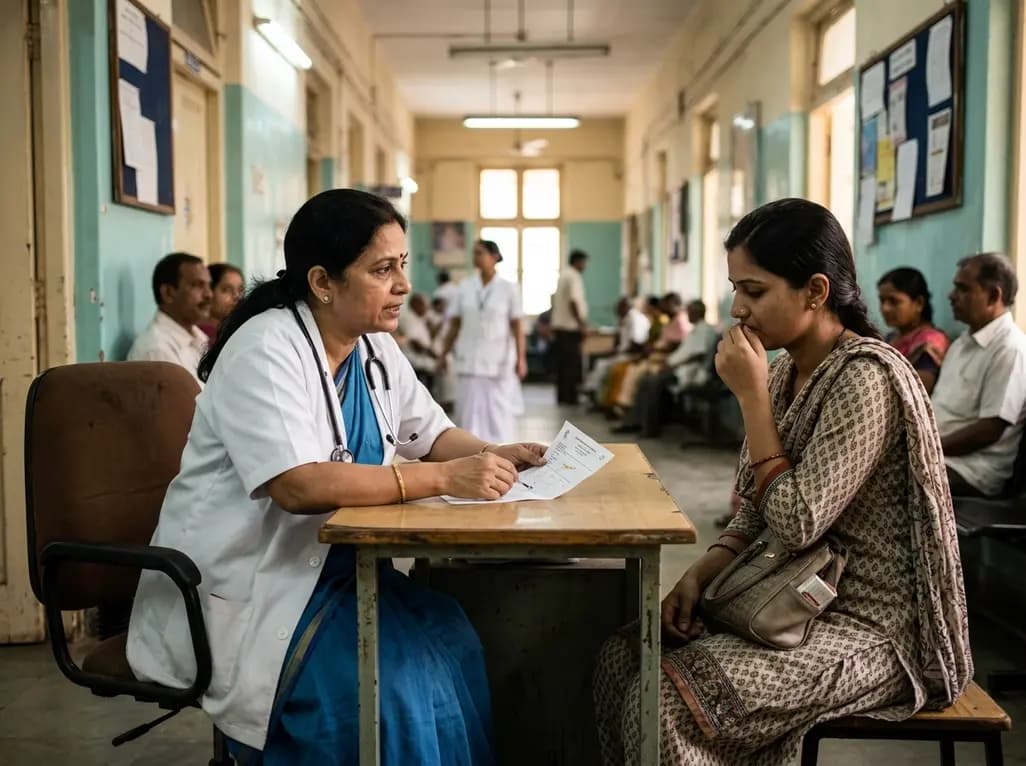
A nationwide South Korean study shows underreporting of smoking among women dropped from 57.4% to 36.4% between 2008 and 2021. However, over one-third of female smokers still conceal their habit, highlighting the critical role of cotinine verification in clinical risk assessment.
Today
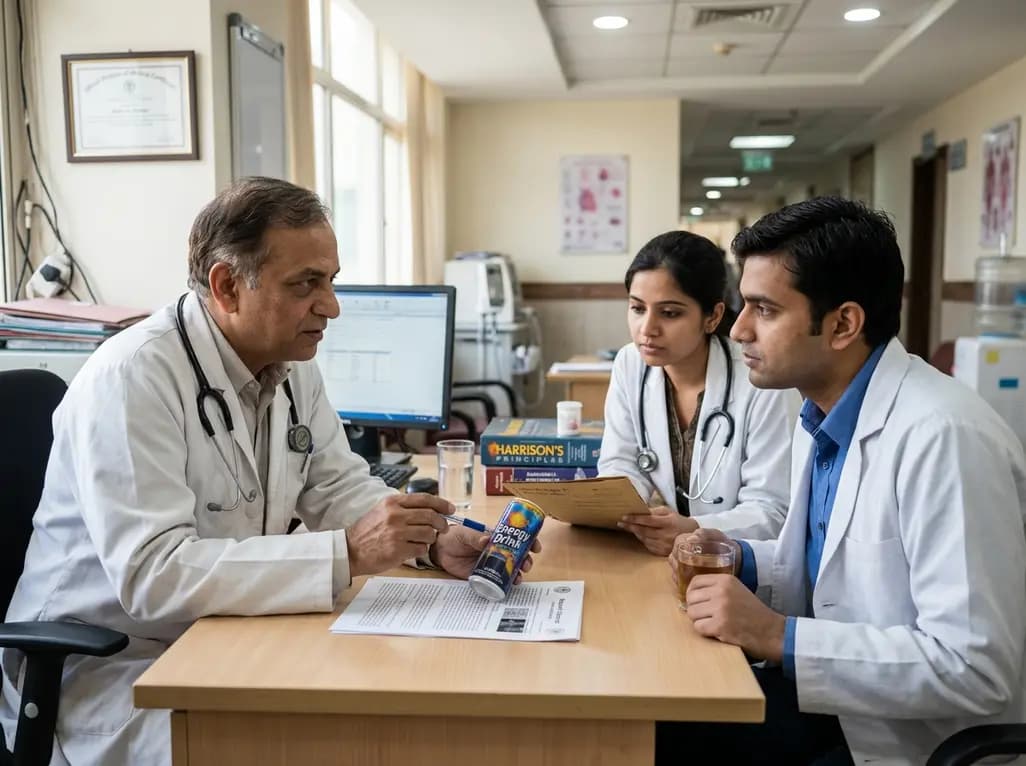
PepsiCo and Monster Beverage have challenged the FSSAI ban on the energy drink label in Indian courts. While companies highlight supply disruptions, regulatory actions spotlight severe cardiovascular and metabolic risks associated with excessive caffeine, sugar, and taurine consumption, especially in adolescents.
Today
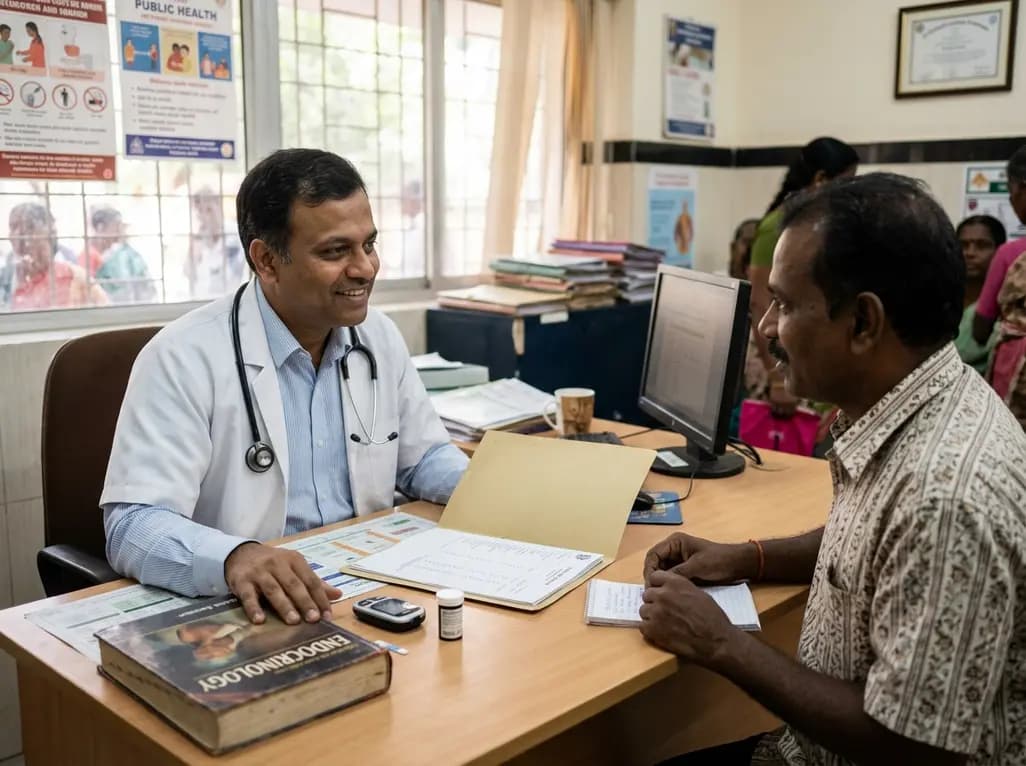
A Bayesian multilevel meta-analysis reveals that aerobic training combined with moderate carbohydrate restriction modestly lowers HbA1c in type 2 diabetes. However, sparse data and very low certainty leave incremental benefits over exercise or diet alone unproven, highlighting the need for individualized care.
Yesterday
