.webp&w=384&q=75)

Loading, please wait...
Loading, please wait...
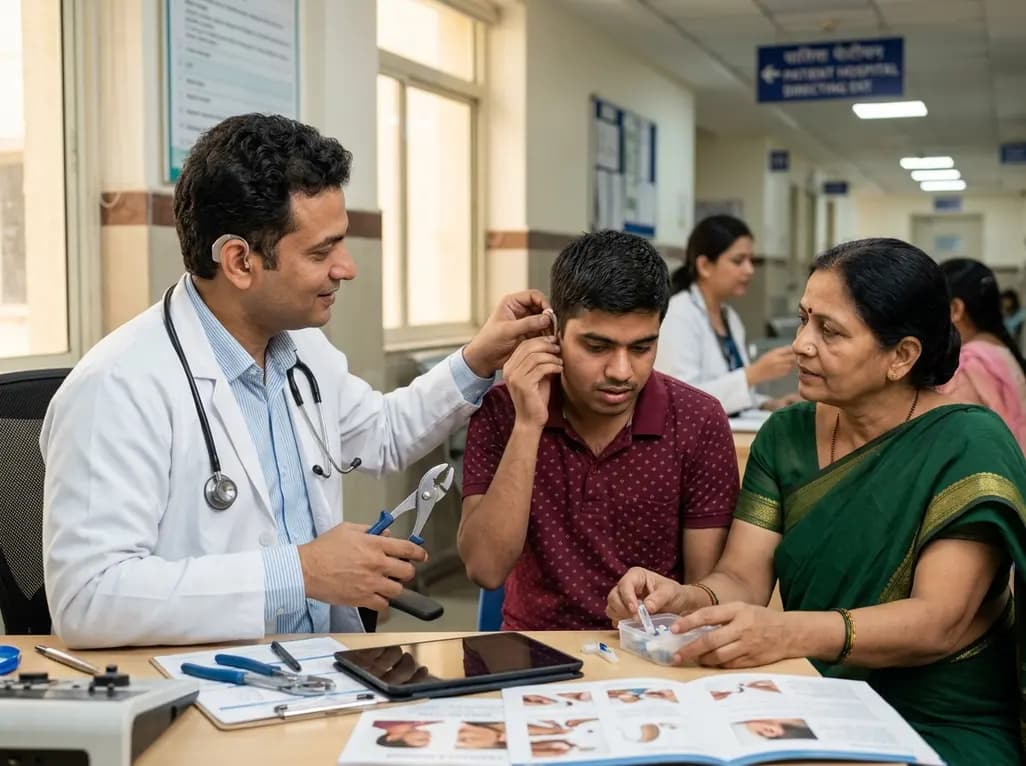
Many adults and children with intellectual disabilities experience significant sensory deficits that clinicians frequently overlook. Consequently, untreated hearing impairment compounds cognitive and developmental challenges, severely limiting personal autonomy. Recent investigations highlight critical hearing aid support needs among this population following initial auditory intervention. Furthermore, diagnostic overshadowing frequently delays early audiologic intervention in primary and secondary healthcare settings. Diagnostic delays happen because healthcare professionals often attribute communication struggles solely to cognitive limitations. Therefore, routine hearing screenings remain essential across residential facilities and specialized care centers. When clinicians identify sensory deficits promptly, auditory amplification can dramatically enhance social interaction and cognitive engagement. However, simply prescribing and fitting an amplification device does not guarantee sustained functional improvement. In fact, individuals with intellectual disabilities encounter distinct hurdles that require specialized post-fitting support. Accordingly, multidisciplinary teams must recognize that audiologic rehabilitation demands sustained follow-up rather than a single clinical encounter. By proactively identifying these unique challenges, clinicians can establish structured protocols that promote successful adaptation and daily device utilization. Moreover, speech therapists and audiologists must collaborate closely with primary care providers to monitor auditory progress over extended periods.
A pivotal participatory pilot study evaluated individuals with intellectual disabilities to determine post-fitting intervention requirements. Researchers conducted problem-centered interviews using plain language to ensure direct, authentic feedback from device users. Simultaneously, facility employees completed structured questionnaires regarding daily usage barriers and institutional challenges. The findings revealed extensive and persistent gaps, particularly concerning device handling and maintenance routines. Specifically, participants struggled with inserting ear molds correctly, changing tiny zinc-air batteries, and cleaning delicate acoustic components. Residential facility staff echoed these exact concerns, reporting that device manipulation created significant daily frustration. Consequently, many participants abandoned their amplification devices without consistent supervision and compassionate guidance. Furthermore, unexpected acoustic feedback and improper volume settings frequently overwhelmed individuals with sensory processing sensitivities. Therefore, comprehensive user education must directly target manual dexterity constraints and tactile familiarity. When rehabilitation programs integrate simplified, step-by-step handling protocols, users develop greater confidence and operational competence. Ultimately, addressing these tactile and technical hurdles forms the cornerstone of effective post-provision management. In addition, clinicians must select durable hearing instruments with intuitive controls to minimize accidental setting modifications during daily activities.
Independent device management remains an aspirational goal, yet complete self-sufficiency is not always feasible for every user. Therefore, an effective post-provision support program must actively incorporate family members, key workers, and residential staff. The pilot study emphasized that facility employees recognize user vulnerabilities and desire systematic training. Unfortunately, many direct care workers receive minimal instruction on troubleshooting hearing aids or recognizing device failure. Consequently, staff members often struggle to assist residents when microphones become occluded or tubes harden. Furthermore, high caregiver turnover within residential institutions regularly disrupts established maintenance routines. To counteract this issue, healthcare teams must implement standardized educational modules for institutional caregivers. For example, hands-on workshops can teach staff how to inspect ear canals, sanitize molds, and replace wax guards safely. Moreover, clear visual checklists posted in residential suites can reinforce daily device checks each morning. As a result, trained caregivers can provide prompt assistance, preserving device functionality and boosting patient comfort. Collaborating with significant others ensures continuous acoustic access and prevents device abandonment across diverse residential environments.
Standard audiology counseling materials often rely on complex technical jargon that alienates individuals with intellectual disabilities. Thus, clinicians must transition toward plain-language communication and accessible multimodal educational strategies. In the participatory pilot investigation, researchers demonstrated that plain-language interviews enabled participants to express genuine preferences effectively. Similarly, clinicians should utilize illustrated guides, pictograms, and color-coded components during counseling sessions. For instance, color-coded left and right hearing aids immediately reduce orientation errors during insertion. Furthermore, tactile practice sessions allow users to manipulate realistic models before placing actual devices into their ears. Auditory rehabilitation must also proceed at an individualized pace rather than following rigid clinical schedules. Specifically, audiologists should introduce amplification gradually in quiet environments before exposing users to noisy common rooms. Consequently, this gradual acclimatization minimizes sensory overload and fosters positive emotional associations with sound. In addition, routine follow-up consultations should incorporate empathetic check-ins to evaluate comfort and address emergent concerns. By redesigning rehabilitation pathways around inclusive communication, providers empower patients to participate actively in their sensory care. Moreover, positive reinforcement techniques significantly increase patient motivation during initial device adaptation phases.
Integrating comprehensive hearing healthcare into disability services requires coordinated action across medical disciplines. Otolaryngologists, audiologists, psychiatrists, and primary care physicians must establish cohesive referral networks to streamline patient journeys. In India and worldwide, individuals with intellectual disabilities face substantial barriers to accessing specialized otolaryngologic evaluations. Therefore, healthcare systems must develop targeted training programs for primary healthcare workers and community rehabilitation personnel. Community health workers can screen individuals for cerumen impaction, otitis media, and overt hearing impairment during routine home visits. Furthermore, institutional policies must mandate periodic auditory reviews instead of treating hearing aid fitting as a terminal event. When clinics provide accessible follow-up appointments, clinicians can adjust acoustic gain and inspect acoustic couplings effectively. Additionally, audiologists should consider modern rechargeable hearing aids to eliminate the dexterity challenges associated with miniature zinc-air batteries. Such technological accommodations reduce mechanical failures and simplify charging routines for both users and caregivers. Ultimately, systemic improvements in service delivery ensure equitable sensory rehabilitation for historically marginalized populations. Consequently, continuous interprofessional collaboration improves clinical outcomes and enhances overall quality of life for vulnerable individuals.
Individuals with intellectual disabilities often discontinue hearing aid use due to physical discomfort, sensory overload, and complex device maintenance. Inserting ear molds and replacing tiny batteries demand fine motor skills that many users lack. Furthermore, caregivers frequently lack technical training to troubleshoot whistling or occluded sound bores. Without structured handling instruction, consistent supervision, and gradual acclimatization protocols, minor operational difficulties quickly lead to permanent device abandonment.
Caregivers can support users by establishing consistent daily routines for device insertion, inspection, and cleaning. They should inspect ear canals regularly for cerumen impaction and check battery voltage or charging status every morning. Additionally, caregivers must learn to recognize nonverbal signs of discomfort or acoustic feedback. By utilizing simplified visual schedules and providing gentle encouragement, caregivers foster familiarity and help users build long-term confidence with their amplification devices.
Clinicians can enhance compliance by prescribing rechargeable hearing aids, which eliminate the frustration of manipulating tiny disposable batteries. Custom soft silicone ear molds improve retention and physical comfort while reducing acoustic whistling. Furthermore, audiologists can activate volume locks and automated environmental adaptations to prevent accidental misconfigurations. Incorporating bright color-coding for left and right ears and using tamper-resistant battery doors also significantly reduces handling errors and device damage.
Disclaimer: This content is for informational and educational purposes only... Refer to the latest local and national guidelines for clinical practice.
References

Read summarized clinical updates, watch expert medical content, and earn CME certifications right from your smartphone.
Open your smartphone camera to scan and install.





People with intellectual disabilities experience high rates of hearing loss but encounter significant barriers when handling hearing aids. Structured post-fitting support programs targeting both patients and caregivers are essential to ensure device compliance, communication efficacy, and independent living.
Today
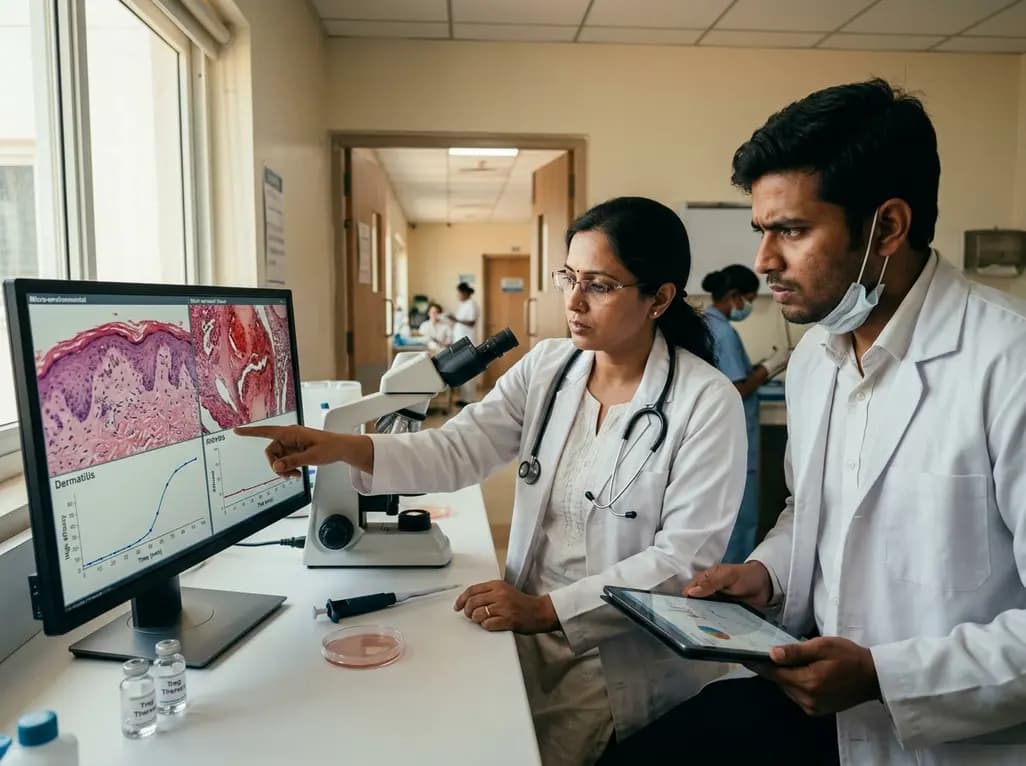
A recent preclinical study reveals that regulatory T cell therapy effectively cures chronic dermatitis but shows limited efficacy in chronic arthritis, driven by distinct tissue microenvironments and molecular pathway responses.
Today
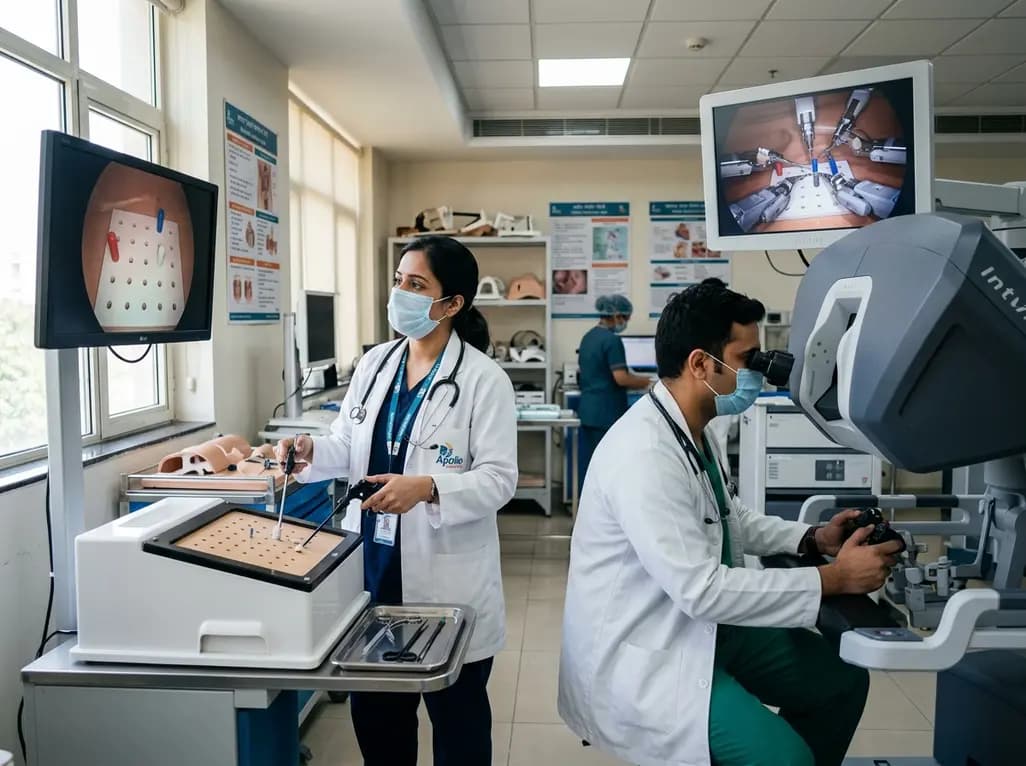
A randomized crossover study demonstrates that conventional and robotic laparoscopy require distinct neuropsychological and psychomotor skills. While trainees master conventional laparoscopy faster, robotic proficiency demands individualized, adaptive curricula tailored to specific learner profiles.
Today
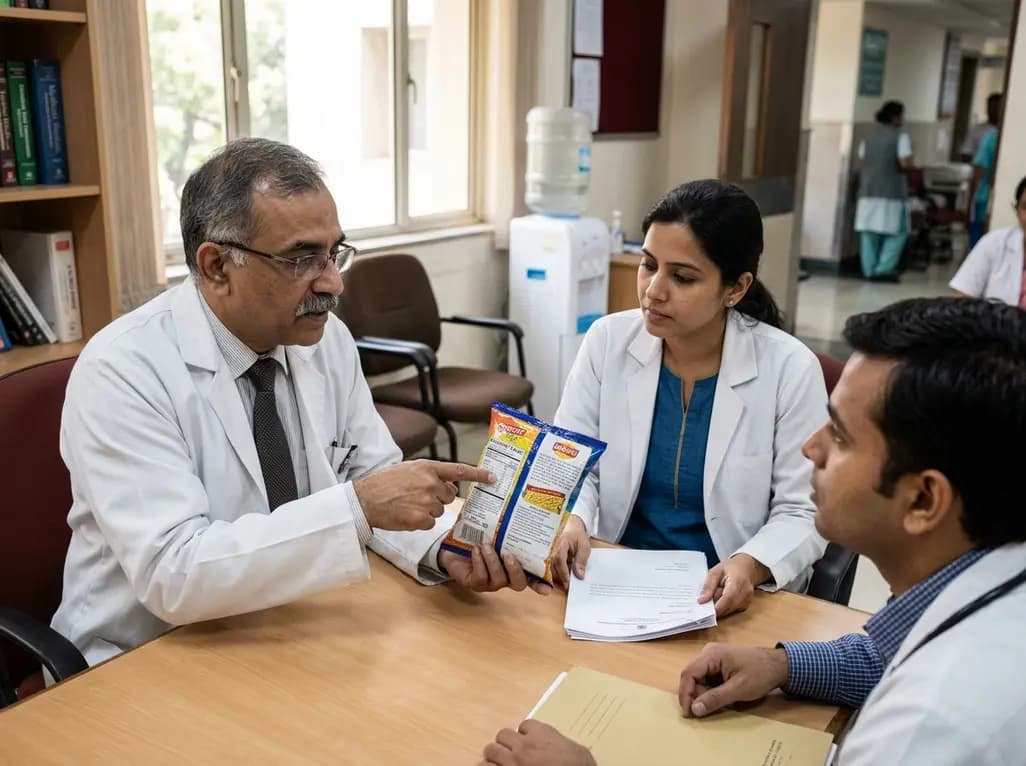
The Supreme Court has reserved its judgment on FSSAI's proposed front-of-pack nutritional warning labels for packaged foods. With debates over compliance timelines, added versus total sugars, and ultra-processed food definitions, this landmark decision carries profound public health implications for India.
Today

A scoping review of 51 studies reveals that spinal manual therapy on the lumbo-pelvic area is commonly used for isolated lower extremity pain, predominantly knee conditions. While thrust manipulation is frequent, reporting deficits highlight the need for standardized technique descriptions to guide practice.
Today
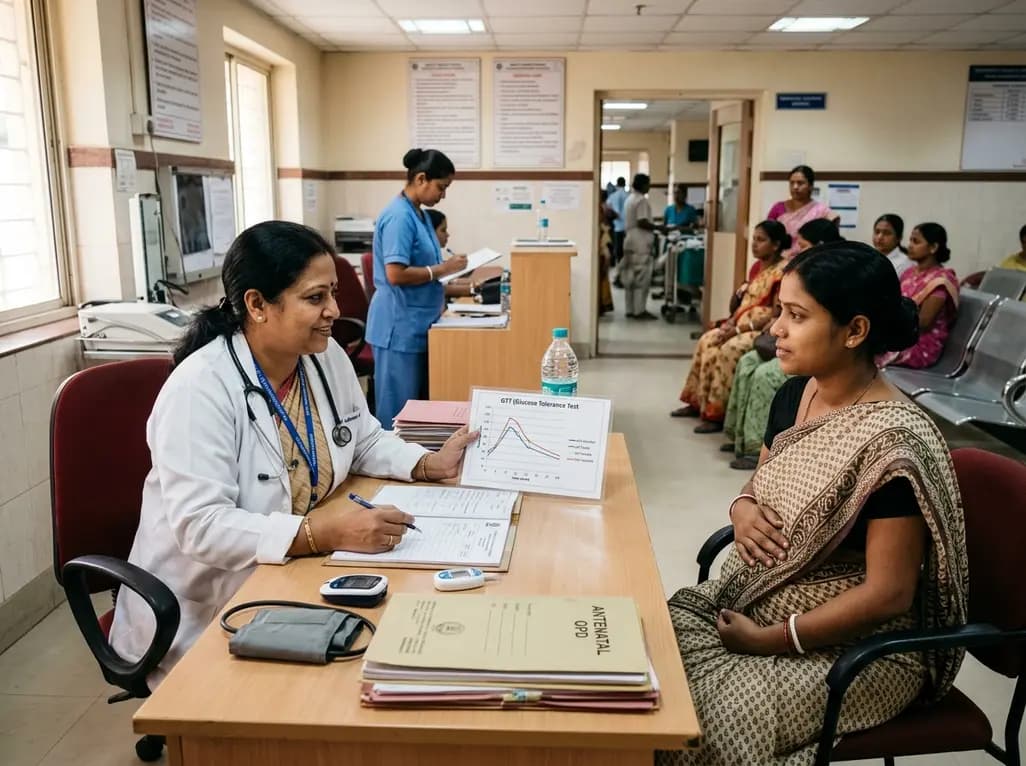
A comprehensive scoping review reveals a 23.24% prevalence of gestational diabetes mellitus in Vietnam alongside heightened risks in diaspora communities, underscoring urgent needs for standardized screening and culturally tailored metabolic interventions.
Today
