.webp&w=384&q=75)

Loading, please wait...
Loading, please wait...

The momentum behind healthcare consolidation India is reaching unprecedented heights as leading corporate hospital networks and global private equity firms pursue aggressive expansion strategies. Recent market developments indicate that Advent International and Blackstone-backed Aster DM Quality Care are negotiating to acquire a controlling stake in Yatharth Hospitals and Trauma Care Services. This potential transaction highlights the intensifying consolidation across the domestic hospital landscape. While Yatharth leadership has formally denied active sale discussions, the broader trend underscores how hospital platforms are actively seeking operational scale, enhanced clinical depth, and regional diversification to address the surging demand for advanced tertiary care.
Major healthcare networks are continually looking to expand their clinical footprint into underserved yet economically vibrant regions. Aster DM Quality Care, which formed following the consolidation of Aster DM Healthcare and Quality Care India, operates approximately 40 hospitals across 27 cities. However, the entity still seeks a formidable presence in northern and central India. Yatharth Hospitals provides an attractive geographical gateway because it operates over 2,800 beds across Noida, Greater Noida, Jhansi-Orchha, and Faridabad. Consequently, an acquisition offers an immediate operational platform in high-density corridors. Furthermore, acquiring established facilities allows hospital operators to circumvent lengthy greenfield gestation cycles, thereby accelerating time-to-market and rapidly optimizing bed deployment across core medical hubs.
Global private equity sponsors have become pivotal catalysts in reshaping Indian tertiary healthcare delivery over the past decade. Financial investors such as Blackstone and Advent International recognize the durable fundamentals supporting Indian medical infrastructure. Consequently, substantial private equity capital continues to flow into scalable hospital platforms. These sponsors provide substantial balance sheet flexibility, enabling portfolio networks to execute strategic buyouts and invest heavily in advanced diagnostic equipment. Moreover, institutional investors prioritize healthcare assets that display strong revenue visibility and disciplined cost structures. The continuous influx of institutional capital also drives corporatization, introducing robust governance models and standardized clinical workflows across acquired regional hospital chains.
Beyond financial expansion, hospital mergers generate substantial clinical synergies by scaling high-acuity therapeutic specialties across patient populations. Aster DM Quality Care has established recognized centers of excellence in cardiology, oncology, organ transplantation, neurosciences, and complex pediatrics. Similarly, Yatharth Hospitals has focused its capital expenditure on robotic surgical systems, oncology infrastructure, and solid organ transplant programs. Integrating these clinical teams enables shared expertise, improved physician recruitment, and cross-pollination of complex surgical protocols. In addition, consolidated tertiary chains can negotiate standardized procurement pricing for costly medical consumables, surgical implants, and advanced robotic platforms. Ultimately, these clinical and operational alignments improve patient access to sophisticated quaternary treatments in regional settings.
The robust financial metrics reported across leading hospital networks justify increasing enterprise valuations and heightened deal activity. For instance, Yatharth reported strong quarterly revenue expansion exceeding 50% year-on-year, alongside healthy average revenue per occupied bed and robust operational margins. Industry-wide data compiled by healthcare analytics groups shows that major hospital operators consistently sustain occupancy rates between 60% and 75%. Furthermore, average revenue per occupied bed continues to grow at near double-digit rates across the sector. This continuous revenue expansion is primarily driven by rising case complexity, increased surgical volumes, and broader health insurance penetration. Therefore, strong unit economics continue to provide acquirers with confidence during strategic due diligence processes.
As the momentum around healthcare consolidation India continues to accelerate, the country is witnessing the rise of dominant national healthcare chains. Industry projections indicate that major hospital networks plan to add tens of thousands of beds over the next three to five years through combined greenfield and brownfield projects. Strategic consolidation allows regional hospital clusters to integrate seamlessly into organized referral networks. Moreover, tier-2 and tier-3 cities stand to gain significantly from corporate investments, as consolidated groups expand advanced super-specialty capabilities beyond metropolitan hubs. Consequently, ongoing merger and acquisition activity will likely define the structural evolution of Indian private healthcare delivery for the coming decade.
Q1: Why are corporate hospital chains aggressively expanding their bed capacity in northern India?
Corporate hospital chains are targeting northern India to bridge the gap between high patient demand and limited tertiary infrastructure. Expanding into these dense population corridors allows networks to capture growing medical volumes, increase specialized clinical offerings, and build comprehensive regional referral pipelines that enhance long-term operational efficiency.
Q2: How does private equity investment influence clinical infrastructure in Indian hospitals?
Private equity investments provide hospitals with necessary capital to acquire cutting-edge medical technologies, such as robotic surgery consoles and advanced radiation therapy equipment. Furthermore, institutional backing supports physician recruitment, upgrades clinical governance standards, and accelerates the expansion of complex quaternary care programs like organ transplantation.
Q3: What key operational metrics attract strategic buyers during hospital acquisitions?
Strategic buyers prioritize hospital networks demonstrating stable inpatient occupancy rates between 60% and 75%, strong average revenue per occupied bed growth, and expanding EBITDA margins. Additionally, a favorable payer mix, a high proportion of high-acuity specialties, and scalable regional brand equity significantly elevate valuation attractiveness.
Disclaimer: This content is for informational and educational purposes only. It does not constitute medical advice or replace professional judgment. Refer to the latest local and national guidelines for clinical practice.
References

Read summarized clinical updates, watch expert medical content, and earn CME certifications right from your smartphone.
Open your smartphone camera to scan and install.





Aster DM Quality Care and Advent International are exploring acquisition opportunities in Yatharth Hospitals, reflecting rapid corporate expansion, rising private equity interest, and multi-specialty capacity growth across India.
last month

A landmark study demonstrates that RIPK1 activation in the subacute phase of intracerebral hemorrhage drives inflammation, blood-brain barrier leakage, and cognitive impairment in males but not females, highlighting essential sex differences for precision neuroprotective clinical trials.
Today

A pharmacometric and machine learning study reveals that specific vaginal bacteria alter cervical antiretroviral exposure, highlighting the need for precision HIV PrEP strategies.
Today
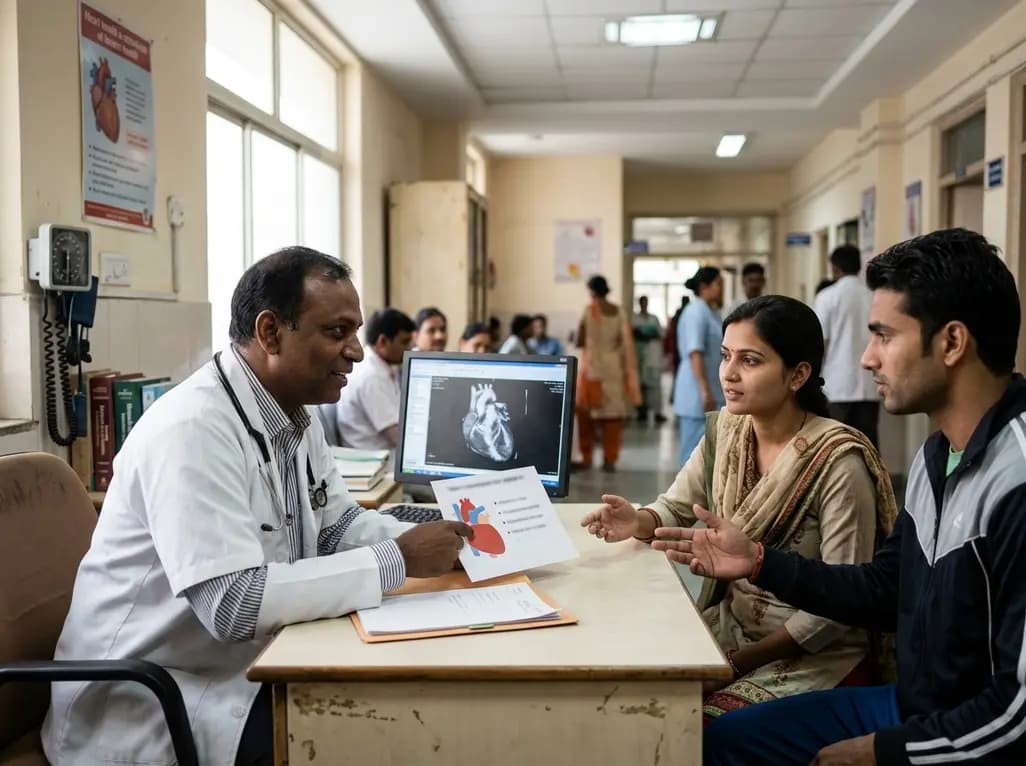
New clinical evidence demonstrates a shift away from strict exercise restrictions in genetic heart disease. While patients with channelopathies engage in more vigorous activity than those with cardiomyopathies, shared decision-making and individualized risk assessments ensure safe, beneficial exercise participation.
Today
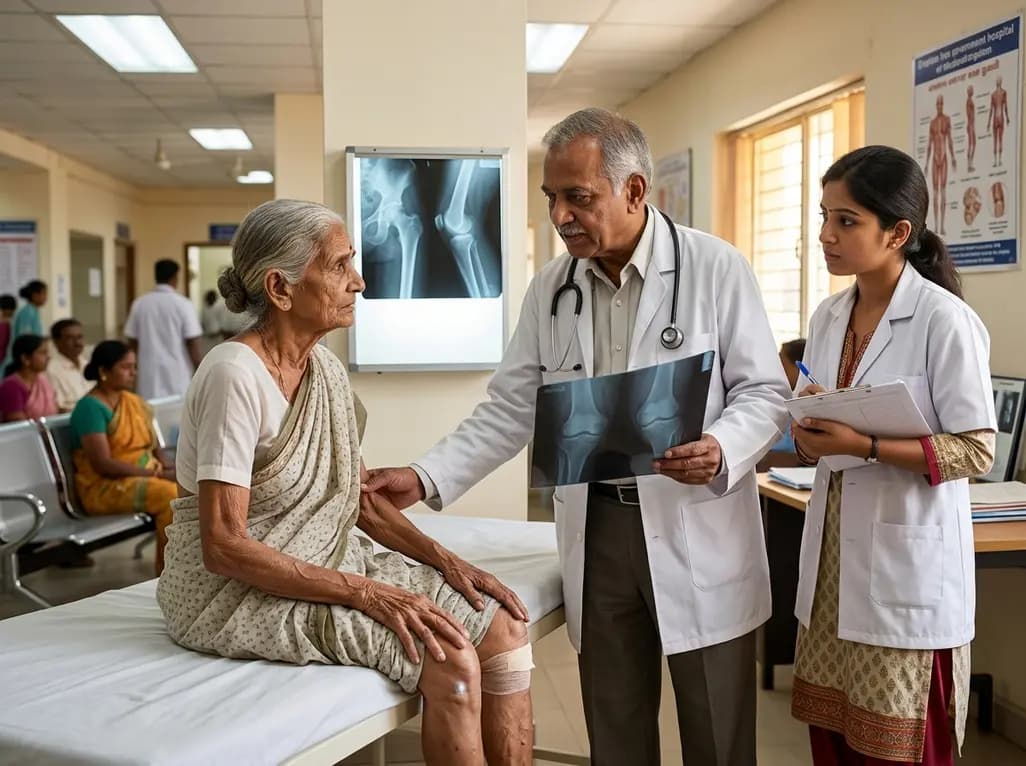
Sarcopenia significantly impairs functional independence and amplifies fracture risks in patients with osteoarthritis and osteoporosis. Learn about modern diagnostic strategies, GLP-1 therapy considerations, and evidence-based non-pharmacological management across multidisciplinary clinical settings.
Today
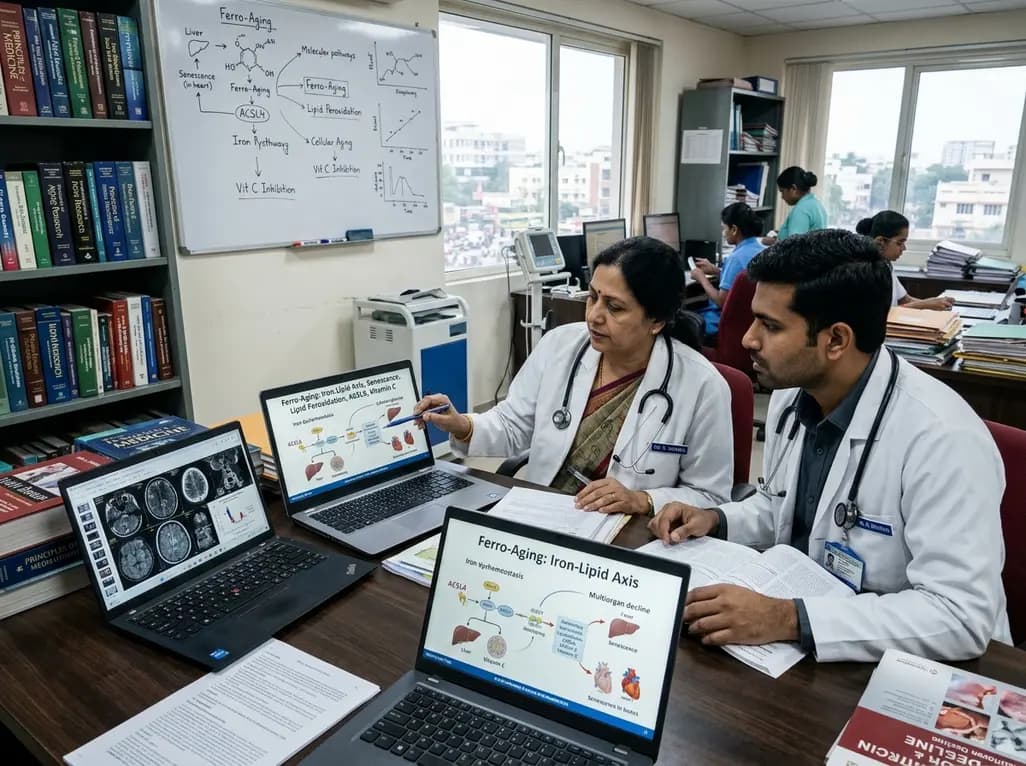
Recent research defines ferro-aging as a conserved iron-lipid axis driving organ decline across primates. Age-related iron dyshomeostasis stimulates ACSL4-mediated lipid peroxidation, promoting cellular senescence. Notably, vitamin C directly inhibits ACSL4, suppressing phospholipid oxidation and multi-organ decay.
Today
