

Loading, please wait...
Loading, please wait...

Hand and finger pain frequently impairs manual dexterity, functional independence, and overall quality of life in older adults. Despite its widespread prevalence, routine outpatient clinical encounters often overlook these complaints. Effective hand osteoarthritis management requires proactive screening, functional staging, and early non-pharmacological care. However, primary care physicians often face heavy time constraints, creating substantial diagnostic gaps. Consequently, elderly patients experience progressive joint stiffness and physical disability without receiving evidence-based interventions. Addressing these barriers is essential for geriatric care.
Recent audit data from Danish primary care practices underscore the extensive burden of digital joint symptoms among older individuals. Specifically, investigators evaluated 348 consecutive patients aged 70 years and older across 16 community medical clinics. The results revealed that 42 percent of these older adults experienced chronic hand or finger pain and swelling. Moreover, 64 percent of symptomatic patients reported significant pain during active joint usage, while 39 percent suffered from morning stiffness.
Importantly, clinical examination demonstrated characteristic signs of nodal or interphalangeal osteoarthritis in 61 percent of symptomatic participants. In addition, 41 percent of affected individuals experienced measurable declines in their ability to perform daily activities. Tasks such as opening jars and writing presented substantial challenges. Furthermore, chronic digital pain impairs grip strength, which elevates the risk of domestic accidents. Therefore, clinicians must recognize that persistent digital discomfort represents a major contributor to functional impairment in aging adults.
Although hand symptoms produce measurable disability, patients frequently underreport their pain to primary care practitioners. For example, the Danish audit demonstrated that only 50 percent of symptomatic patients had ever discussed hand issues with their family doctor. This reluctance often stems from the misconception that digital joint wear is an inevitable, untreatable consequence of aging. Consequently, many seniors quietly accept persistent stiffness and functional decline.
Similarly, healthcare professionals often prioritize competing cardiovascular or metabolic conditions during short clinic visits. As a result, subtle joint deformities, such as Heberden and Bouchard nodes, frequently escape clinical detection. In addition, clinicians rarely administer formal functional assessments or grip evaluations in routine outpatient consultations. However, physical inspection of interphalangeal and carpometacarpal joints requires less than two minutes during wellness visits. Therefore, general practitioners must incorporate brief musculoskeletal hand screenings into routine geriatric assessments to encourage early patient disclosure.
Current real-world clinical patterns highlight widespread discordance between everyday clinical habits and international guidelines. Specifically, comprehensive hand osteoarthritis management demands early non-pharmacological care combined with judicious pharmacotherapy. However, the Danish clinical audit revealed that conservative interventions remain profoundly underutilized in community practice. For instance, only 7.5 percent of symptomatic older adults utilized assistive ergonomic devices to support daily living.
Furthermore, general practitioners referred remarkably few patients to occupational therapists or physical rehabilitation specialists. Instead, clinicians predominantly relied on systemic analgesics, which 33 percent of symptomatic patients consumed regularly. Although oral analgesics provide temporary pain relief, they fail to correct underlying mechanical joint stress. In addition, systemic nonsteroidal anti-inflammatory drugs introduce serious gastrointestinal, renal, and cardiovascular risks for older patients. Thus, an over-reliance on medication monotherapy exposes seniors to avoidable toxicity without restoring manual function. Primary care teams must actively bridge this treatment gap.
International rheumatology consensus guidelines strongly emphasize non-pharmacological therapies as the foundation of digital joint care. First, clinicians should educate every patient on joint biomechanics, activity pacing, and ergonomic principles. For example, using wide-grip utensils, electric jar openers, and specialized key turners dramatically decreases mechanical stress on small finger joints. In addition, occupational therapists can fabricate custom thumb base splints or provide prefabricated interphalangeal orthoses.
Consequently, dynamic orthotic supports stabilize painful joints, align deformities, and reduce mechanical strain during manual tasks. Moreover, structured home exercise regimens significantly improve hand mobility and preserve intrinsic muscle strength. These therapeutic routines should include active range-of-motion drills and gentle isometric strengthening exercises. Furthermore, applying local heat before exercise softens stiff periarticular tissues and enhances overall movement. Therefore, structured physical modalities deliver durable functional benefits without creating any pharmacological side effects. Clinicians should recommend these non-pharmacological tools during early consultations.
When non-pharmacological measures provide insufficient relief, physicians must carefully select targeted medical therapies. Importantly, international guidelines recommend topical nonsteroidal anti-inflammatory drugs as the preferred initial pharmacological choice for superficial hand joints. Topical formulations achieve meaningful anti-inflammatory concentrations in periarticular tissues while minimizing systemic drug absorption. Consequently, topical agents offer an outstanding safety profile for older adults with cardiovascular or renal comorbidities.
In contrast, physicians should reserve oral analgesics for intermittent symptom exacerbations at the lowest effective dose. Furthermore, clinicians can consider localized intra-articular corticosteroid injections for acute, severely inflamed interphalangeal or trapeziometacarpal joints. Most importantly, successful management relies on coordinated care delivered by an integrated multidisciplinary team. Primary care doctors must establish direct referral pathways with occupational therapists, physiotherapists, and rheumatologists. Thus, collaborative care ensures timely access to specialized splinting, tailored rehabilitation, and advanced medical therapies. This multidisciplinary strategy substantially improves long-term outcomes for aging individuals.
Many older adults consider hand discomfort an unavoidable consequence of aging, which discourages them from reporting symptoms to their doctors. Furthermore, primary care physicians often face heavy time constraints and prioritize life-threatening cardiovascular or endocrine conditions during brief visits. Consequently, subtle digital joint stiffness, nodal swelling, and functional declines rarely receive formal physical examination. Routine musculoskeletal inquiries during geriatric visits are essential to identify these overlooked symptoms early.
Clinicians should always initiate care with comprehensive patient education focusing on joint protection and activity pacing. Additionally, prescribing assistive devices, such as wide-grip utensils and jar openers, significantly decreases strain on interphalangeal joints. Occupational therapists can also fit custom or prefabricated splints to stabilize painful thumb base joints. Furthermore, daily range-of-motion and isometric strengthening exercises preserve manual dexterity and alleviate stiffness without causing adverse drug events.
Primary care physicians should refer patients to occupational therapists whenever digital pain compromises daily activities, grip strength, or manual dexterity. Additionally, allied health professionals provide indispensable expertise in customizing thumb orthoses and teaching adaptive motor strategies. Early referral is particularly valuable before irreversible joint deformities occur. Furthermore, when patients experience persistent inflammation refractory to conservative interventions, clinicians should promptly refer them to a rheumatologist for advanced diagnostic and therapeutic evaluation.
Disclaimer: This content is for informational and educational purposes only. It is not intended to provide medical advice, diagnosis, or treatment. Healthcare professionals should make clinical decisions based on their judgment and individual patient assessments. Refer to the latest local and national guidelines for clinical practice.
References

Read summarized clinical updates, watch expert medical content, and earn CME certifications right from your smartphone.
Open your smartphone camera to scan and install.





A Danish clinical audit of older adults in primary care reveals that 42% suffer from hand symptoms and functional decline, yet diagnostic discussions, allied health referrals, and non-pharmacological therapies remain markedly underutilized.
Today
Current physical activity guidelines focus on movement volume, often overlooking the physical capacity required for safe participation. Integrating functional mobility bridges this gap by evaluating joint mobility, strength, balance, and motor control to optimize health outcomes across the lifespan.
Today
Researchers have engineered a sensitive electrochemiluminescent sandwich immunosensor utilizing silver nanoparticles and quantum dots to quantify placental growth factor, paving the way for rapid, accurate, and accessible early preeclampsia screening in clinical practice.
Today
Treating severe aortic stenosis alongside a membranous septal aneurysm requires meticulous TAVR planning. Learn how tailored valve sizing, controlled recapture, and prompt conduction defect management optimize procedural safety and hemodynamic outcomes in anatomically complex landing zones.
Today
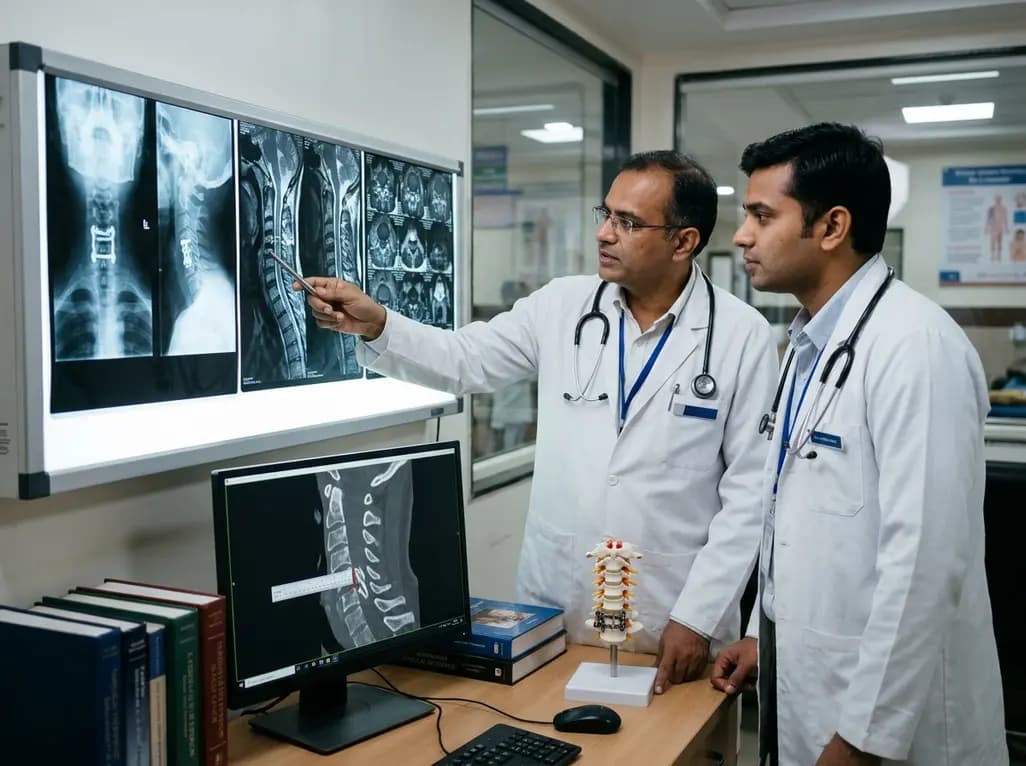
A retrospective study identifies C6 canal diameter and C3 cord-canal ratio as key predictors of secondary single-door laminoplasty after anterior cervical surgery, with progressive adjacent segment disease as the primary cause.
Today

As lifestyle diseases surge across India, clinicians face rising challenges from dietary misinformation and unmonitored therapies. Prioritising structured nutrition therapy, evidence-based self-care, and robust regulatory oversight offers a sustainable pathway to counter metabolic dysfunction and enhance patient health.
Today
