.webp&w=384&q=75)

Loading, please wait...
Loading, please wait...
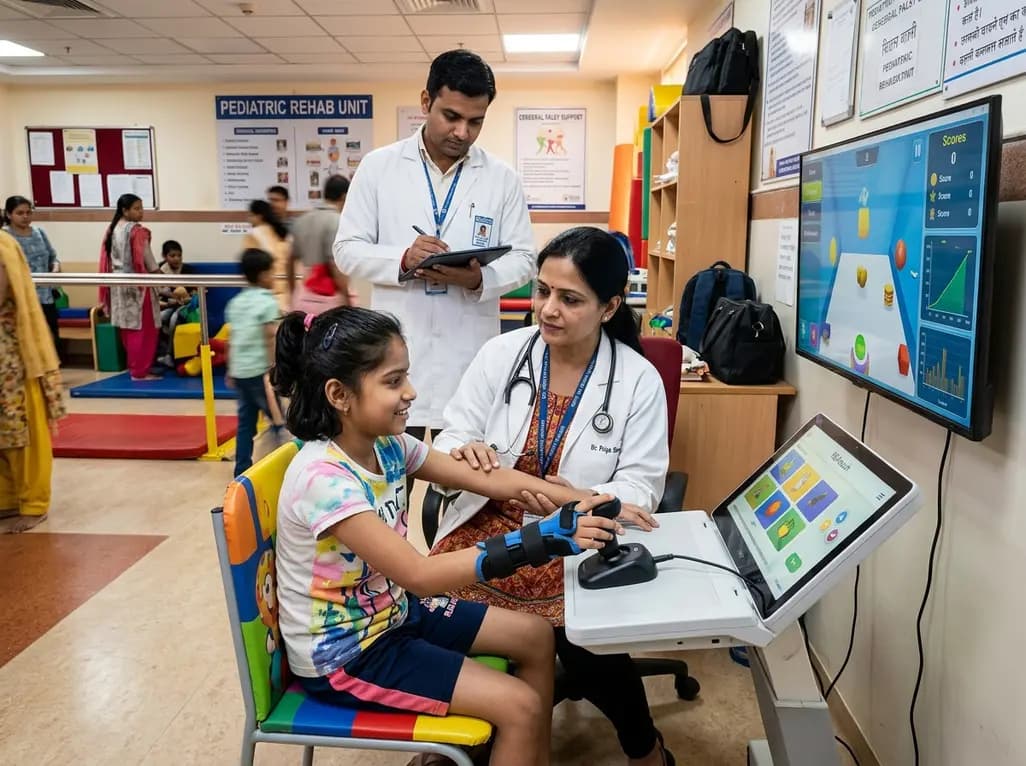
Intensive neurorehabilitation protocols offer significant functional benefits for pediatric motor disorders. Specifically, implementing HABIT-ILE bilateral cerebral palsy protocols helps children enhance both bimanual upper limb coordination and postural trunk control. However, delivering intensive camps that demand extensive one-on-one therapist involvement remains challenging in routine clinical practice. As digital health technologies expand, clinicians frequently explore interactive virtual devices to increase accessibility and facilitate potential home-based therapy. A recent randomized controlled non-inferiority trial evaluated whether integrating the semi-immersive interactive virtual device REAtouch into standard Hand-Arm Bimanual Intensive Therapy Including Lower Extremities (HABIT-ILE) produces equivalent clinical outcomes in children with bilateral cerebral palsy. The study provides crucial insights regarding the role of technology in pediatric motor learning.
Hand-Arm Bimanual Intensive Therapy Including Lower Extremities represents a comprehensive motor skill learning intervention. Unlike conventional therapy, HABIT-ILE combines intense bimanual arm tasks with concurrent postural and lower extremity coordination. Therapists design structured, child-friendly activities that continuously challenge the motor control systems of the participant. Consequently, children practice repetitive, goal-directed tasks that promote neuroplasticity across both upper and lower limb circuits. Clinical trials consistently prove that this high-dose paradigm significantly improves gross motor function, manual dexterity, and daily activities of daily living. Nevertheless, the substantial time commitment and direct therapist supervision create geographical and logistical barriers for many families. Therefore, introducing technological aids like interactive touchscreens seeks to maintain high treatment intensity while potentially reducing logistical burdens.
To assess technological integration, investigators conducted a rigorous randomized controlled non-inferiority trial involving thirty children with bilateral cerebral palsy. Researchers randomized participants into two distinct cohorts: standard HABIT-ILE or REAtouch-integrated HABIT-ILE. Both groups completed an intensive sixty-five-hour intervention protocol delivered over two consecutive weeks. In the experimental arm, children utilized the interactive REAtouch device for half of their one-to-one intervention time. Meanwhile, children in the control arm engaged exclusively in traditional therapist-led motor tasks. Clinicians evaluated outcomes at baseline, immediately post-intervention, and during structured follow-up assessments. The primary outcome measures included the Gross Motor Function Measure-66 and the ABILHAND-Kids questionnaire. Additionally, investigators evaluated secondary motor and functional parameters using the Jebsen-Taylor Test of Hand Function.
The statistical analyses yielded important clinical distinctions between functional improvement and statistical non-inferiority. Notably, both intervention cohorts achieved statistically significant improvements in primary gross motor and secondary manual skill measures. These findings confirm that intensive motor skill training consistently drives positive neurodevelopmental adaptation regardless of modality. However, non-inferiority testing revealed that replacing half of the therapist-led intervention with REAtouch failed to demonstrate non-inferiority across most primary and secondary outcomes. In fact, non-inferiority reached statistical significance only for the ABILHAND-Kids score and the Jebsen-Taylor Test of Hand Function for the more-affected hand immediately post-intervention. Consequently, investigators concluded that the virtual device group did not achieve equivalent overall therapeutic gains compared to standard therapy.
These trial results provide clear practical lessons for pediatric rehabilitation teams. Interactive virtual devices clearly engage pediatric patients and encourage targeted movements during motor training sessions. However, tactile feedback, three-dimensional physical constraints, and real-time postural adjustments provided by physical therapists remain difficult to duplicate on digital interfaces. Therefore, virtual devices should function as complementary tools rather than complete replacements for evidence-based hands-on therapy. When clinicians design telerehabilitation or home-based programs, they must recognize that virtual tools support practice between structured therapy sessions. Thus, combining technological motivation with regular physical therapist interaction ensures optimal functional recovery without compromising therapeutic intensity or movement quality.
Implementing intensive motor protocols in diverse healthcare environments like India requires practical adaptations. Many families travel long distances to access specialized pediatric neurorehabilitation centers, making two-week intensive hospital camps difficult to attend. Clinicians can utilize interactive digital tools and home-based training modules to maintain motor practice after initial clinic-based shaping. Furthermore, therapists should educate parents on structuring bimanual functional activities during daily routines at home. By utilizing hybrid models, clinicians can deliver essential hands-on guidance while empowering families with structured digital home exercises. Consequently, this balanced approach maximizes functional independence, expands treatment reach, and ensures sustainable neurodevelopmental care for children with cerebral palsy across resource-diverse clinical settings.
Researchers integrated the REAtouch virtual device into HABIT-ILE to evaluate whether digital tools could deliver non-inferior motor improvements while overcoming accessibility barriers. Because standard intensive therapy requires substantial therapist resources, investigators tested whether interactive touchscreen devices could streamline therapy delivery and support future telerehabilitation programs without reducing overall clinical effectiveness.
The virtual device protocol failed to demonstrate overall non-inferiority because digital interactions cannot fully replace the complex, three-dimensional physical handling and postural cues provided by a therapist. Although children improved their motor skills, standard therapist-led therapy provided superior real-world coordination, whole-body integration, and functional movement shaping across primary gross motor endpoints.
Clinicians should utilize virtual rehabilitation devices as complementary tools rather than standalone replacements for hands-on therapy. Devices like REAtouch provide engaging, repetitive practice that motivates children during training. By combining digital tools with therapist-guided motor learning, clinicians can enhance home-based practice, monitor progress remotely, and maintain high treatment adherence.
Disclaimer: This content is for informational and educational purposes only and does not constitute medical advice or establish a doctor-patient relationship. Qualified healthcare professionals should make all clinical decisions based on individual patient assessments and current clinical judgment. Refer to the latest local and national guidelines for clinical practice.
References
1. Kilcioglu S et al. Efficacy of Integrating the Interactive Virtual Device (REAtouch®) into HABIT-ILE for Children with Bilateral Cerebral Palsy: A Randomized Controlled Non-Inferiority Trial. Neurorehabil Neural Repair. 2026 Aug 15. doi: 10.1177/15459683261469065. PMID: 42603855.
2. Saussez G, Bailly R, Araneda R, et al. Efficacy of integrating a semi-immersive virtual device in the HABIT-ILE intervention for children with unilateral cerebral palsy: a non-inferiority randomized controlled trial. J Neuroeng Rehabil. 2023;20(1):98.
3. Bleyenheuft Y, Gordon AM. Hand-Arm Bimanual Intensive Therapy Including Lower Extremities (HABIT-ILE) for Children with Cerebral Palsy. Phys Occup Ther Pediatr. 2014;34(4):390-403.

Read summarized clinical updates, watch expert medical content, and earn CME certifications right from your smartphone.
Open your smartphone camera to scan and install.





A randomized controlled trial assessed integrating the interactive virtual device REAtouch into HABIT-ILE for children with bilateral cerebral palsy. While children showed motor gains, virtual therapy did not achieve non-inferiority across all metrics, showing it complements rather than replaces hands-on care.
last month
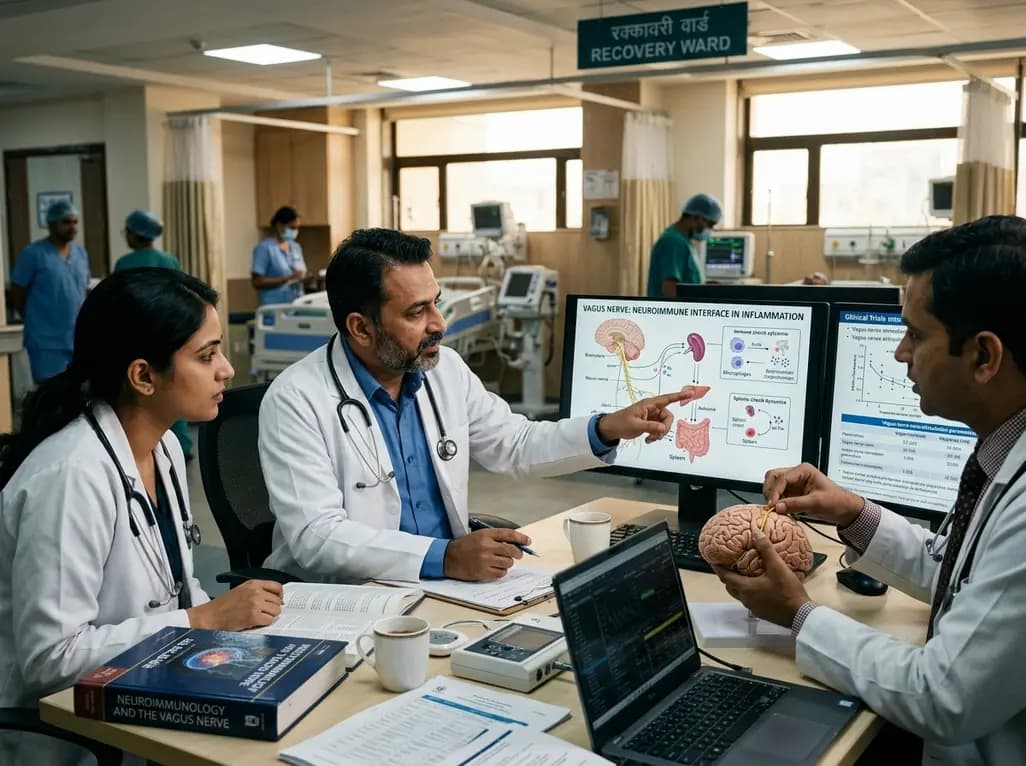
A review examines how vagal neuroimmune circuits link the brain and immune system, sensing cytokine surges and dampening peripheral inflammation. Bioelectronic medicine harnesses these pathways to provide targeted, non-pharmacological therapies for chronic inflammatory and autoimmune diseases.
Today

Explore the crucial link between dietary protein and immunocompetence. This review examines how low-protein nutrition shifts metabolic resources away from pathogen defense toward early reproduction, compromising host survival and immunity against severe bacterial infections.
Today

A post hoc analysis of the PARM-T2D study shows pemafibrate exerts baseline-dependent effects on LDL-C and particle size in type 2 diabetes and hypertriglyceridemia. It lowers triglycerides and remnants while favorably remodeling atherogenic LDL particles based on initial lipid control status.
Today
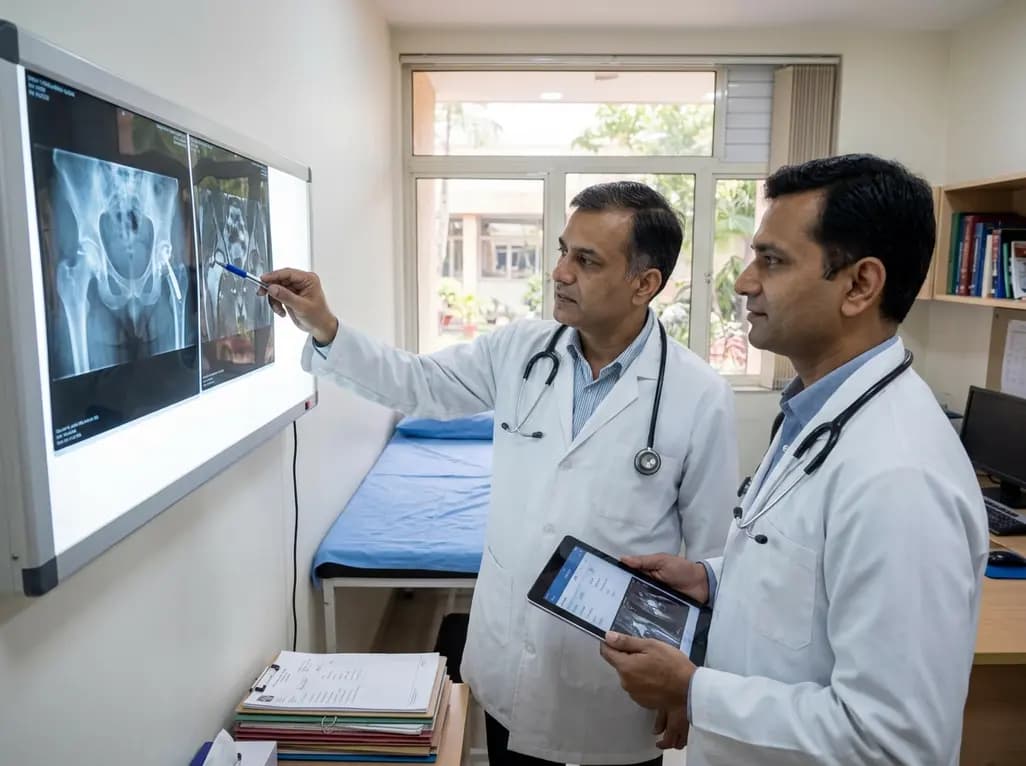
A longitudinal study reveals that patients undergoing staged bilateral hip arthroscopy experience progressive contralateral labral deterioration during surgical intervals. However, structural degradation does not compromise 2-year postoperative clinical outcomes or patient-reported satisfaction scores.
Today

New immunological research reveals how PTPN22 forms a delayed inhibitory signaling complex to restrain T cell activation, explaining how the autoimmune-linked R620W variant disrupts feedback control and promotes persistent inflammation in conditions like rheumatoid arthritis and type 1 diabetes.
Today
