.webp&w=384&q=75)

Loading, please wait...
Loading, please wait...
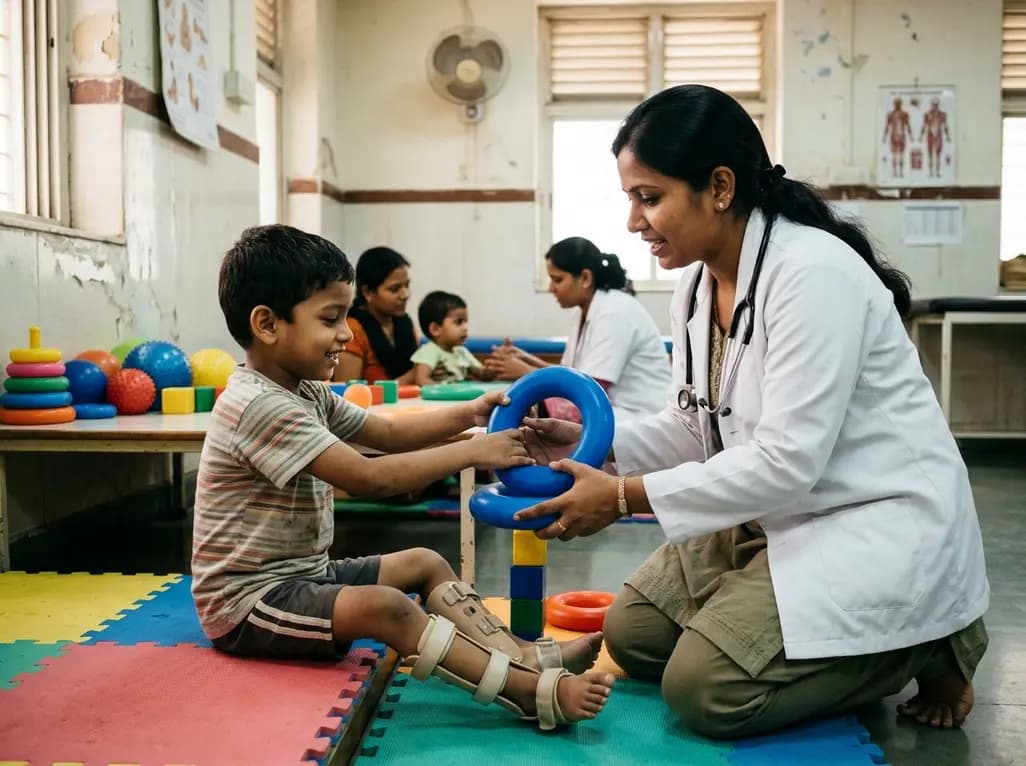
Managing motor impairment in young children with bilateral cerebral palsy requires evidence-based and structured neurorehabilitation strategies. While conventional physical therapy remains standard practice, intensive motor training models offer distinct neurodevelopmental advantages. A recent randomized controlled trial examined whether Hand-Arm Bimanual Intensive Therapy Including Lower Extremities (HABIT-ILE) provides superior motor gains compared to dose-matched conventional physiotherapy. The study focused on preschool-aged children with bilateral cerebral palsy in Benin, highlighting crucial insights into therapy content and functional rehabilitation outcomes.
HABIT-ILE represents an innovative rehabilitation framework that coordinates bimanual hand training with simultaneous lower-extremity tasks. Traditional therapy often targets isolated limbs or single functional movements. In contrast, HABIT-ILE integrates trunk balance, lower-limb stability, and bilateral upper-extremity coordination during engaging, play-based activities.
This therapeutic approach relies heavily on motor skill learning principles. Therapists structure repetitive, goal-directed tasks that require continuous postural adjustments and fine manual control. Furthermore, therapists progressively elevate task complexity to challenge the child's neuromuscular system. Because young neural pathways exhibit high neuroplasticity, early intensive intervention can effectively restructure motor cortical networks.
Consequently, clinicians increasingly explore HABIT-ILE for children with bilateral cerebral palsy who experience substantial limitations in both posture and manual dexterity. By linking arm movements to postural control, the therapy mirrors real-world activities. Children learn to maintain sitting or standing balance while reaching, grasping, and manipulating objects with both hands. Ultimately, this comprehensive engagement fosters greater functional independence in everyday home environments.
Researchers conducted a rigorous randomized controlled trial in Benin to evaluate HABIT-ILE against conventional physiotherapy. The trial enrolled 32 children aged 2 to 4 years diagnosed with bilateral cerebral palsy. All participants presented with moderate to severe functional impairment, falling into Gross Motor Function Classification System (GMFCS) levels III and IV.
Investigators randomly allocated the children into two distinct cohorts: an experimental HABIT-ILE group and a high-dosage conventional physiotherapy group. Both groups participated in a structured two-week camp where therapists administered equal total therapy hours. Therefore, the trial isolated the specific impact of therapy content while controlling strictly for total intervention time.
Blinded evaluators assessed participants at baseline, immediately post-intervention, and at a two-month follow-up. They utilized standardized assessment batteries to measure broad motor domains. The primary outcome tools included the Gross Motor Function Measure (GMFM) and the Both Hands Assessment (BoHA). In addition, clinicians evaluated functional independence using the Canadian Occupational Performance Measure (COPM) and the West African version of the Activity Limitations Questionnaire (ACTIVLIM-CP-WA).
The trial demonstrated significant motor and functional advantages favoring the intensive HABIT-ILE group. Specifically, statistical analysis revealed a significant group-by-time interaction for gross motor performance. Children receiving HABIT-ILE achieved substantial improvements in GMFM scores immediately following the two-week camp. Importantly, these gross motor gains persisted at the two-month follow-up assessment.
In comparison, children in the conventional physiotherapy group demonstrated only modest motor improvements at follow-up. Regarding occupational performance, both groups showed positive changes on the COPM, but the HABIT-ILE cohort achieved noticeably larger gains. Caregivers reported marked improvements in daily individualized goals, reflecting meaningful home functional progress.
Interestingly, neither group exhibited statistically significant changes on the Both Hands Assessment. Bimanual coordination metrics remained stable across the study timeline. In addition, parent-reported daily activity limitations measured by ACTIVLIM-CP-WA improved similarly over time in both cohorts. These nuanced findings indicate that while overall functional execution improved rapidly, fine bimanual capacity requires extended time to reflect structural changes.
These trial results carry profound implications for pediatricians, neurologists, and physiotherapists managing motor disorders. Most importantly, the study proves that therapy content matters as much as therapy dosage. Administering high-dosage conventional physical therapy failed to replicate the extensive motor gains produced by HABIT-ILE.
Therefore, rehabilitation protocols should move away from passive stretching or non-specific exercises. Instead, clinicians must design active, task-oriented therapies that simultaneously challenge multiple motor systems. Combining upper-limb bimanual coordination with postural and lower-limb balance creates synergistic motor learning. This dual-action approach trains functional motor synergies that children utilize during daily activities.
Furthermore, initiating intensive motor training during the preschool years takes optimal advantage of early brain plasticity. Children at GMFCS levels III and IV often face severe mobility restrictions. Targeted early intervention can improve their trunk control, dynamic sitting, and supported standing abilities. As a result, early structured rehabilitation significantly reduces secondary musculoskeletal complications and improves long-term developmental trajectories.
A major strength of this clinical trial is its successful execution in Benin, a low- and middle-income country. In resource-limited healthcare environments, access to specialized rehabilitation equipment and sustained therapy sessions is often scarce. However, this study demonstrated that intensive camp-based protocols can be delivered effectively using accessible materials and group settings.
Camp-style delivery optimizes professional resources by allowing therapists to supervise several children simultaneously in structured environments. Moreover, group settings foster peer motivation and social interaction, which enhances child participation. Caregivers also gain practical skills by observing therapy sessions, enabling them to sustain motor facilitation techniques at home.
Consequently, healthcare systems in developing countries can adapt the HABIT-ILE framework to overcome systemic barriers. Rather than relying on sporadic, weekly therapy visits that yield minimal progress, concentrated two-week therapy blocks provide robust functional benefits. Developing regional therapy camps offers a scalable model for low-resource settings, ensuring children receive evidence-based neurorehabilitation.
HABIT-ILE combines structured bimanual upper-extremity training with simultaneous postural and lower-extremity motor control tasks. By engaging children in continuous, goal-directed functional play, the intervention leverages activity-dependent neuroplasticity. Therapists progressively grade task difficulty while providing immediate sensory feedback. Consequently, children learn to coordinate both hands alongside trunk stability and walking movements. This comprehensive approach ensures that motor learning directly translates into meaningful daily functional independence.
In young children with bilateral cerebral palsy, functional motor gains often manifest first in gross motor and trunk control. The Gross Motor Function Measure captures whole-body changes, such as sitting and standing balance. Conversely, isolated bimanual dexterity assessed via the Both Hands Assessment requires more prolonged neuromuscular adaptation. Furthermore, two weeks of intensive practice might prioritize postural foundation before fine manual dexterity shows measurable statistical shifts.
Clinicians can organize group-based therapy camps utilizing local community spaces and low-cost play equipment. By training caregivers alongside children, therapists establish a sustainable support network that reinforces home-based practice. Moreover, peer modeling among children enhances motivation and compliance during long training hours. Delivering high-dosage protocols over short two-week blocks also minimizes transport expenses and family disruption, making evidence-based neurorehabilitation feasible in low- and middle-income healthcare systems.
Disclaimer: This content is for informational and educational purposes only. It is not intended to be medical advice, diagnosis, or treatment. Always seek the advice of your physician or other qualified health provider with any questions you may have regarding a medical condition. Refer to the latest local and national guidelines for clinical practice.
References
Sogbossi ES et al. HABIT-ILE in young children with bilateral cerebral palsy in Benin: A randomized controlled trial. Dev Med Child Neurol. 2026 Aug 21. doi: 10.1111/dmcn.70414. PMID: 42625525.
Sogbossi ES, Adon SS, Adjagodo L, Dossou S, Dakè H, Ebner-Karestinos D, et al. Efficacy of hand-arm bimanual intensive therapy including lower extremities (HABIT-ILE) in young children with bilateral cerebral palsy (GMFCS III-IV) in a low and middle-income country: protocol of a randomised controlled trial. BMJ Open. 2021;11(10):e050958.
Bleyenheuft Y, Arnould C, Brandão MB, Bleyenheuft C, Gordon AM. Hand and arm bimanual intensive therapy including lower extremities (HABIT-ILE) for children with cerebral palsy. Phys Occup Ther Pediatr. 2015;35(2):114-130.

Read summarized clinical updates, watch expert medical content, and earn CME certifications right from your smartphone.
Open your smartphone camera to scan and install.





A randomized controlled trial in Benin demonstrates that HABIT-ILE significantly improves gross motor and occupational performance compared to dose-matched conventional physiotherapy in young children with bilateral cerebral palsy.
last month

Red blood cell transfusion is critical in sickle cell disease management but brings significant immunological complexity, including alloimmunisation and iron overload. Extended RBC phenotyping and tailored protocols optimize clinical safety.
Today
Discover the crucial distinctions between mesonephric and mesonephric-like proliferations of the female genital tract. Learn the key histomorphologic, immunohistochemical, and molecular differences essential for accurate diagnosis and clinical management.
Today
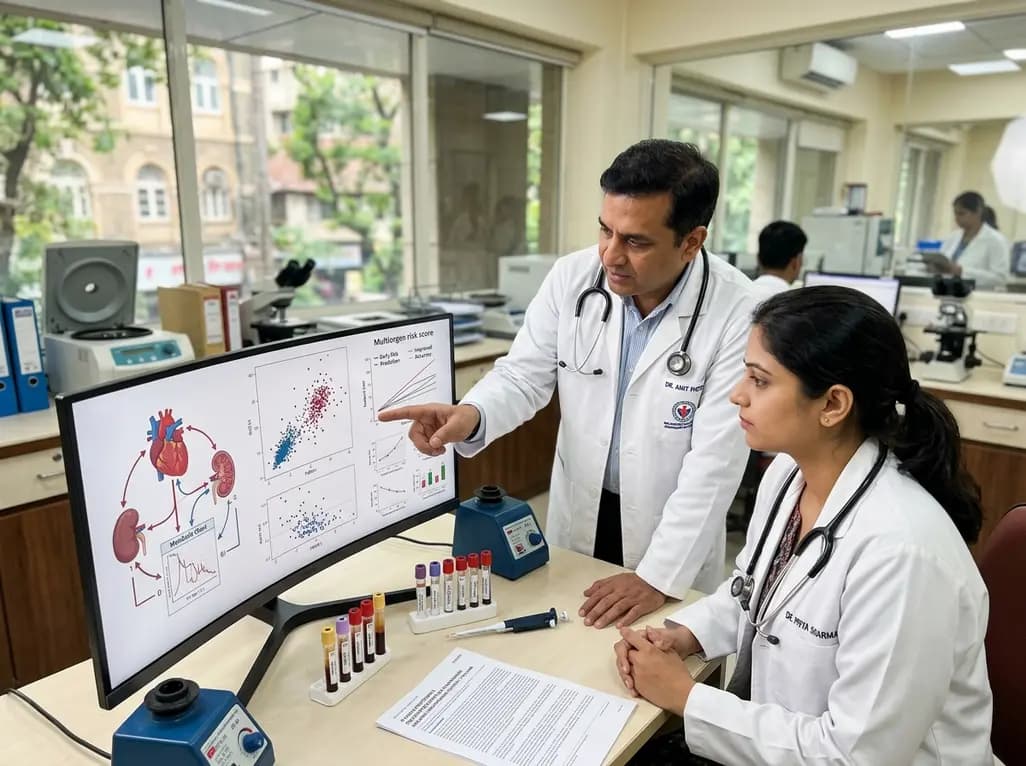
A large UK Biobank study reveals that plasma proteomic signatures capture preclinical organ damage and improve multiorgan risk prediction across early CKM syndrome stages 0 to 2 beyond traditional PREVENT clinical models.
Today
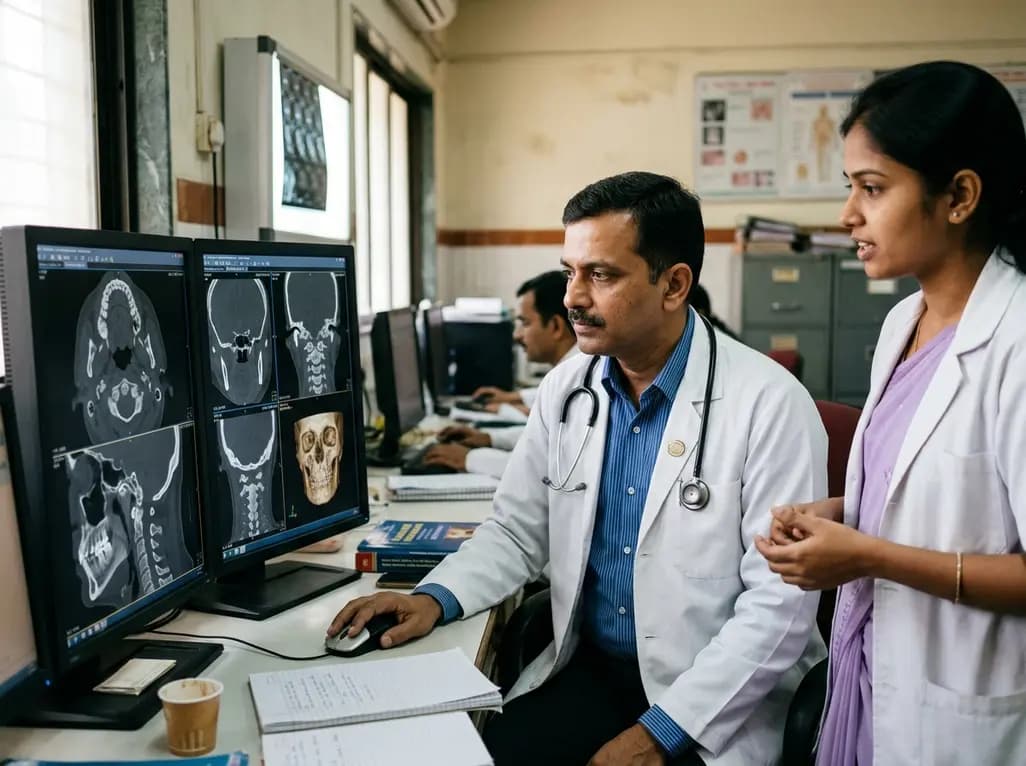
A retrospective CBCT study reveals that superior TMJ space asymmetry correlates moderately with occipital condyle-atlas-axis asymmetry in unilateral TMJ osteoarthritis, highlighting an imaging correlate between jaw biomechanics and upper cervical alignment rather than a standalone diagnostic marker.
Today

A Bayesian multilevel meta-analysis reveals that aerobic training combined with moderate carbohydrate restriction modestly lowers HbA1c in type 2 diabetes. However, sparse data and very low certainty leave incremental benefits over exercise or diet alone unproven, highlighting the need for individualized care.
Today
