.webp&w=384&q=75)

Loading, please wait...
Loading, please wait...
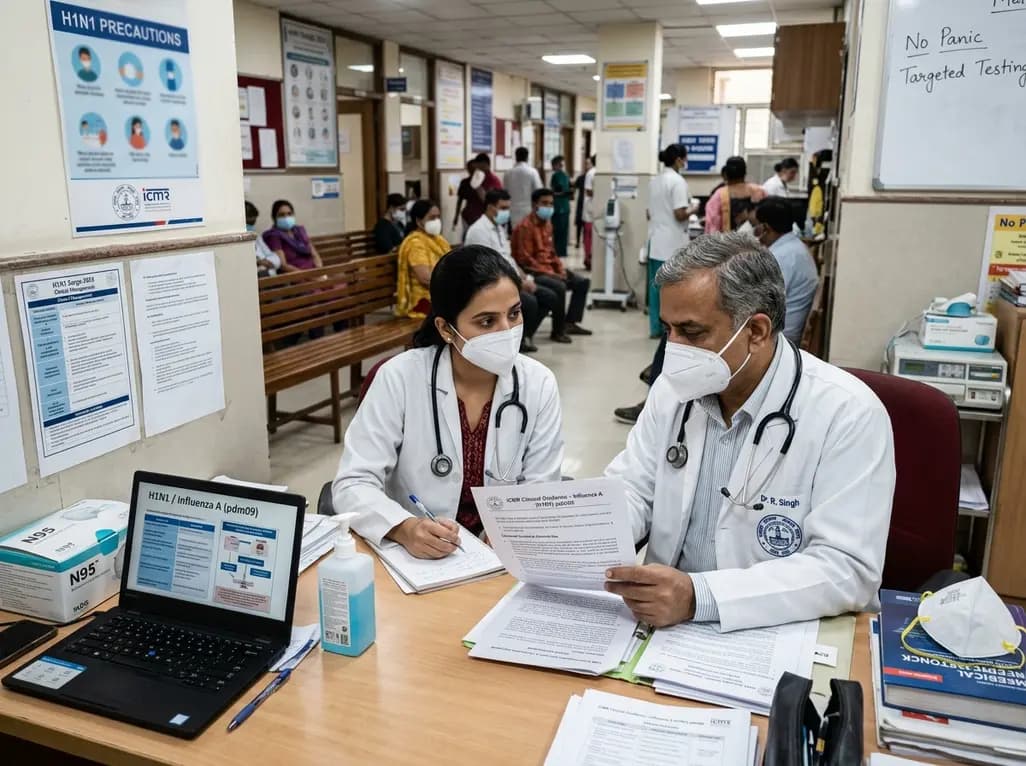
Health authorities across India are actively tracking respiratory pathogen trends as monsoon patterns drive seasonal flu transmission. Addressing recent public health concerns, the Indian Council of Medical Research (ICMR) clarified that the current H1N1 influenza surge does not represent an emerging threat or novel viral mutation. Instead, surveillance confirms the ongoing circulation of the familiar seasonal influenza A (H1N1) pdm09 lineage. Clinicians must understand the epidemiological context, diagnostic indications, and therapeutic boundaries to optimize outpatient management and prevent irrational drug use.
Seasonal influenza in India typically exhibits a bimodal distribution across different geographic regions. Consequently, healthcare facilities frequently observe distinct spikes during the post-monsoon months and the colder winter season. Recent surveillance data indicate that Influenza A subtypes constitute the vast majority of active respiratory viral isolates. Specifically, the H1N1 pdm09 strain accounts for nearly 98% of all subtyped Influenza A detections, while H3N2 accounts for only 2% to 3%. Furthermore, clinicians frequently identify concurrent transmission of COVID-19 and other seasonal respiratory pathogens.
Importantly, ICMR Director General Dr. Rajiv Bahl emphasized that rising case numbers alone do not indicate an impending public health crisis. Respiratory viral infections routinely follow a predictable epidemic trajectory where case counts rise, achieve a plateau, and subsequently decline over several weeks. Therefore, health systems must evaluate epidemiological risk based on hospitalisation trends, intensive care requirements, and mortality metrics rather than raw infection volumes. Because current disease patterns demonstrate low severe disease rates, health authorities urge clinical vigilance without unwarranted panic.
Continuous genomic characterization provides reassuring evidence regarding circulating viral genetics. Genomic analysis confirms that the prevailing isolates belong to the A/Missouri/11/2025 (H1N1) pdm09-like lineage, mapped under genetic clade 6B.1A.5a2a and subclade D.3.1.1. Notably, this specific viral lineage has circulated across India and international regions since 2025. Molecular surveillance confirms that observed genetic variations represent expected minor antigenic drift rather than a sudden antigenic shift.
Because minor antigenic drift occurs naturally during seasonal influenza transmission, it does not alter underlying viral virulence. Furthermore, the circulating isolates demonstrate robust alignment with current seasonal influenza vaccine compositions approved for the Northern Hemisphere. Existing commercial real-time polymerase chain reaction (RT-PCR) panels and multiplex molecular assays continue to detect these viruses with high analytical sensitivity. Consequently, clinicians can rely on standard diagnostic platforms without concern for diagnostic evasion or novel phenotypic virulence.
India maintains a multi-tiered laboratory network to track community transmission and identify emerging genomic variants. The integrated surveillance framework evaluates respiratory specimens from 73 designated sentinel hospital sites. In addition, an expanded network of 167 Virus Research and Diagnostic Laboratories (VRDLs) performs routine molecular diagnostics for multiple pathogens, including Influenza A and B, respiratory syncytial virus (RSV), human metapneumovirus, and SARS-CoV-2.
From a clinical standpoint, ICMR emphasizes that healthcare practitioners should not order universal diagnostic testing for every patient presenting with mild upper respiratory symptoms. Because seasonal influenza remains self-limiting for most immunocompetent individuals, empirical supportive care suffices for uncomplicated cases. Clinicians should reserve definitive molecular testing primarily for hospitalized patients, individuals with severe acute respiratory infections (SARI), or high-risk patients when confirmation directly alters therapeutic decision-making. Limiting indiscriminate testing preserves critical diagnostic resources and reduces unnecessary financial burden on families.
Most individuals infected with seasonal H1N1 experience a mild illness featuring acute fever, non-productive cough, sore throat, myalgia, and malaise. Clinicians should manage these uncomplicated infections with oral hydration, antipyretics such as paracetamol, and adequate physical rest. However, practitioners must proactively identify high-risk populations vulnerable to secondary pulmonary complications. These vulnerable cohorts include adults aged 65 and above, children under five years, pregnant women, and patients with chronic cardiorespiratory, renal, or immunosuppressive comorbidities.
When clinicians encounter severe illness or patients with established risk factors, they should initiate approved neuraminidase inhibitors promptly. Administering oseltamivir within 48 hours of symptom onset significantly shortens illness duration and decreases complication risks. Crucially, ICMR reiterated that antibacterial agents have no therapeutic efficacy against primary viral influenza. Healthcare providers must avoid routine empirical prescribing of macrolides or beta-lactams unless objective clinical markers confirm secondary bacterial pneumonia. Strict antibiotic stewardship remains essential to curtail escalating antimicrobial resistance rates across community settings.
Influenza vaccination serves as an effective preventive intervention for reducing severe morbidity in targeted clinical groups. Currently, seasonal influenza vaccination is not part of India's universal immunization program. Nevertheless, medical experts advise high-risk individuals, including elderly patients and immunosuppressed persons, to consult their physicians regarding annual immunization. Licensed trivalent and quadrivalent influenza vaccines offer protective antibody responses that closely match prevailing circulating strains.
Alongside targeted immunization, public health measures play a crucial role in curbing transmission in outpatient and home settings. Healthcare workers should instruct symptomatic patients to maintain strict hand hygiene, practice proper cough etiquette, and isolate at home during acute illness. While universal community masking is not currently mandatory, symptomatic individuals and vulnerable contacts benefit substantially from wearing well-fitted surgical masks in crowded indoor environments. Promoting clear, evidence-based hygiene advice empowers communities while preventing unnecessary panic.
Q1: Does the current rise in H1N1 cases represent a new or dangerous mutant virus?
No, ICMR genomic surveillance confirms that the circulating virus belongs to the established Influenza A (H1N1) pdm09 lineage. The detected genetic changes represent routine seasonal antigenic drift rather than a dangerous antigenic shift. The virus causes familiar seasonal flu symptoms, and disease severity remains consistent with past seasonal outbreaks.
Q2: Should every patient with fever and cough undergo molecular testing for H1N1?
No, universal molecular testing is unnecessary for uncomplicated influenza-like illness. Most patients recover uneventfully with supportive home care. Clinicians should reserve diagnostic testing for hospitalized patients, individuals with severe acute respiratory infection, or high-risk patients whose clinical management and antiviral therapy depend on confirmed laboratory results.
Q3: What is the recommended role of antiviral drugs and antibiotics during this seasonal surge?
Antiviral medications such as oseltamivir are indicated for severe infections and high-risk patients when initiated within 48 hours of symptom onset. In contrast, antibiotics provide no therapeutic benefit against viral influenza and clinicians should strictly avoid prescribing them unless clear evidence confirms secondary bacterial infection.
Disclaimer: This content is for informational and educational purposes only. It does not constitute medical advice or replace professional judgment. Refer to the latest local and national guidelines for clinical practice.
References

Read summarized clinical updates, watch expert medical content, and earn CME certifications right from your smartphone.
Open your smartphone camera to scan and install.





Indian Council of Medical Research (ICMR) Director General Dr. Rajiv Bahl clarified that the current rise in influenza cases represents the seasonal H1N1 pdm09 strain. Health authorities emphasize targeted diagnostic testing, rational antiviral use, and standard precautions without unnecessary public panic.
last month

The CARE study protocol introduces a multilingual, RAG-powered conversational interface designed by IIT Bombay to support tobacco cessation in India. Evaluating feasibility and behavioral outcomes across three cessation centers, this digital health initiative aims to enhance quitting support for diverse users.
Today

A large UK cohort study of 1.4 million women shows that pregnancy complications, including gestational diabetes, hypertension, and preterm birth, substantially raise long-term risks for hypertension, chronic kidney disease, type 2 diabetes, and cardiovascular events, highlighting early postpartum intervention needs.
Today
A cross-sectional study reveals that hypertension knowledge, illness perceptions, depression, and substance use significantly predict self-care behaviors. Addressing mental health and cognitive beliefs in primary care is crucial for optimal blood pressure control and cardiovascular disease prevention.
Today
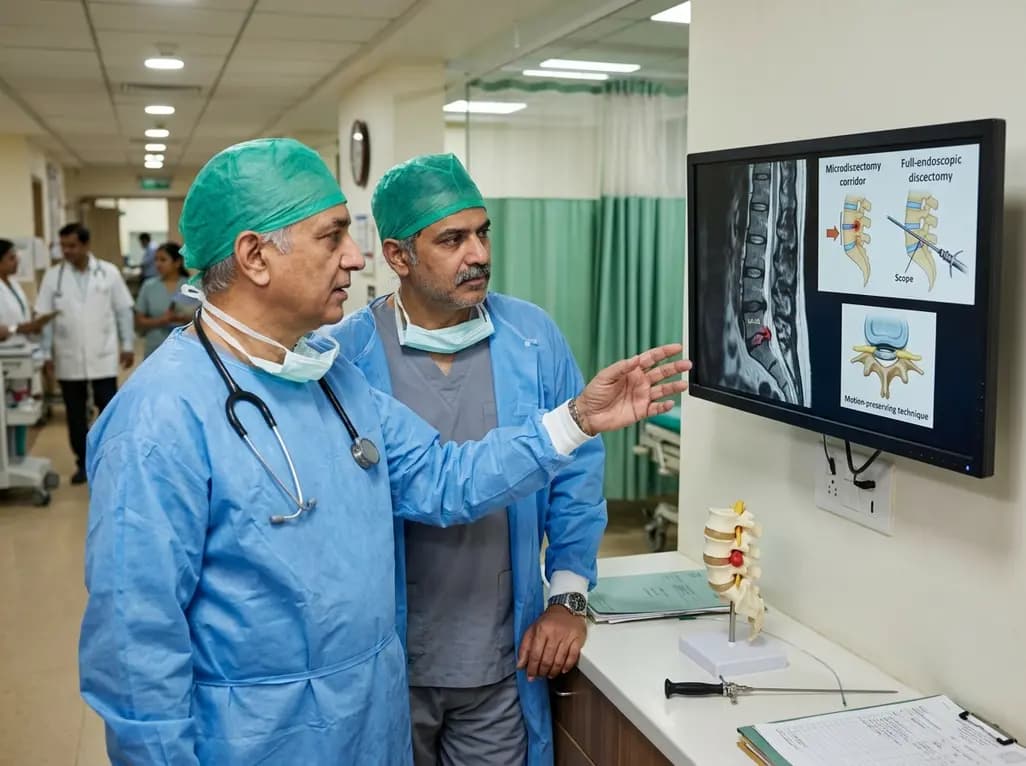
This clinical overview examines recent advancements in lumbar disc herniation surgery, comparing microscopic and full-endoscopic discectomy while highlighting biportal techniques and emerging motion-preserving innovations for spine specialists.
Today

Small interfering RNA (siRNA) therapeutics harness RNA interference to degrade disease-causing messenger RNA. By delivering hepatocyte-targeted, durable gene silencing, agents targeting PCSK9, LPA, and angiotensinogen offer potent cardiovascular risk reduction with infrequent, biannual dosing schedules.
Today
