.webp&w=384&q=75)

Loading, please wait...
Loading, please wait...
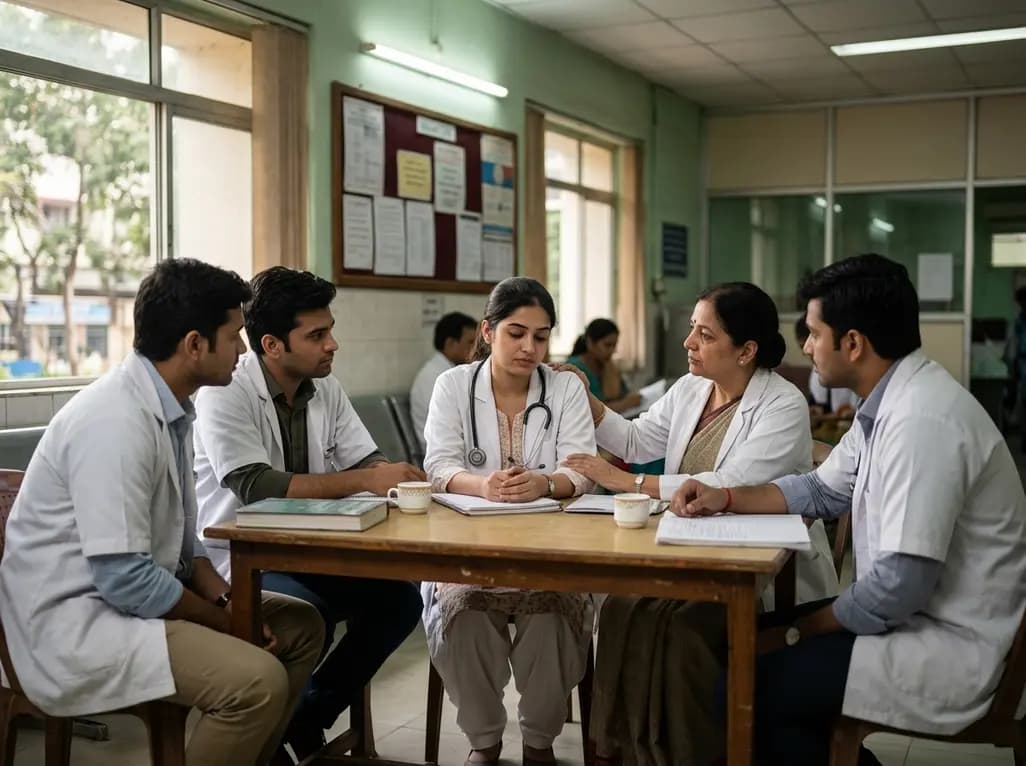
Navigating the academic landscape after a global health crisis presents unique hurdles. A recent study highlights that graduate student mental health remains a critical focal point for academic institutions worldwide. Therefore, identifying the specific stressors that impact students today is the first step toward creating a more supportive environment.
Specifically, a comprehensive climate survey conducted across seven universities involved 437 participants. Most students were female, younger than 35, and enrolled in STEM programs. Regression analyses identified significant associations with depression, imposter phenomenon, and social isolation. While financial threat appeared univariately linked to health outcomes, the social and academic stressors dominated the findings in multivariable models.
The study suggests that traditional student services are no longer sufficient to address these multi-dimensional challenges. Academic institutions must transition toward providing robust structural support. This involves addressing the interconnected academic and cultural environments that students navigate daily. Consequently, a holistic approach is necessary to mitigate stress and foster overall well-being.
Moreover, the dose-response relationship observed between financial threat and mental health indicates that even perceived economic instability can worsen student outcomes. However, when universities bolster structural support, they create a safety net that protects students from these pressures. Thus, institutional focus should remain on systemic improvements rather than just individual interventions.
Graduate students frequently experience depression, stress, social isolation, and the imposter phenomenon. These issues are often exacerbated by the high-pressure nature of post-pandemic academic environments.
Institutions should provide structural support that integrates academic and cultural environmental changes. This supplements traditional counseling services by addressing the root causes of stress in the academic setting.
Disclaimer: This content is for informational and educational purposes only. It is not intended to be a substitute for professional medical advice, diagnosis, or treatment. Refer to the latest local and national guidelines for clinical practice.
References
Coombs NC et al. Unveiling challenges and successes for graduate students in a post-pandemic era. J Am Coll Health. 2026 May 31. doi: 10.1080/07448481.2026.2674283. PMID: 42218794.
Lipson SK et al. Mental Health Today: A Trends Report on Graduate Students. Journal of Student Affairs Research and Practice. 2025.
Eisenberg D et al. The Healthy Minds Study: 2025-2026 Data Report. University of Michigan News. 2026.

Read summarized clinical updates, watch expert medical content, and earn CME certifications right from your smartphone.
Open your smartphone camera to scan and install.





New research highlights challenges like depression and imposter phenomenon among graduate students, urging universities to provide structural support....
3 months ago
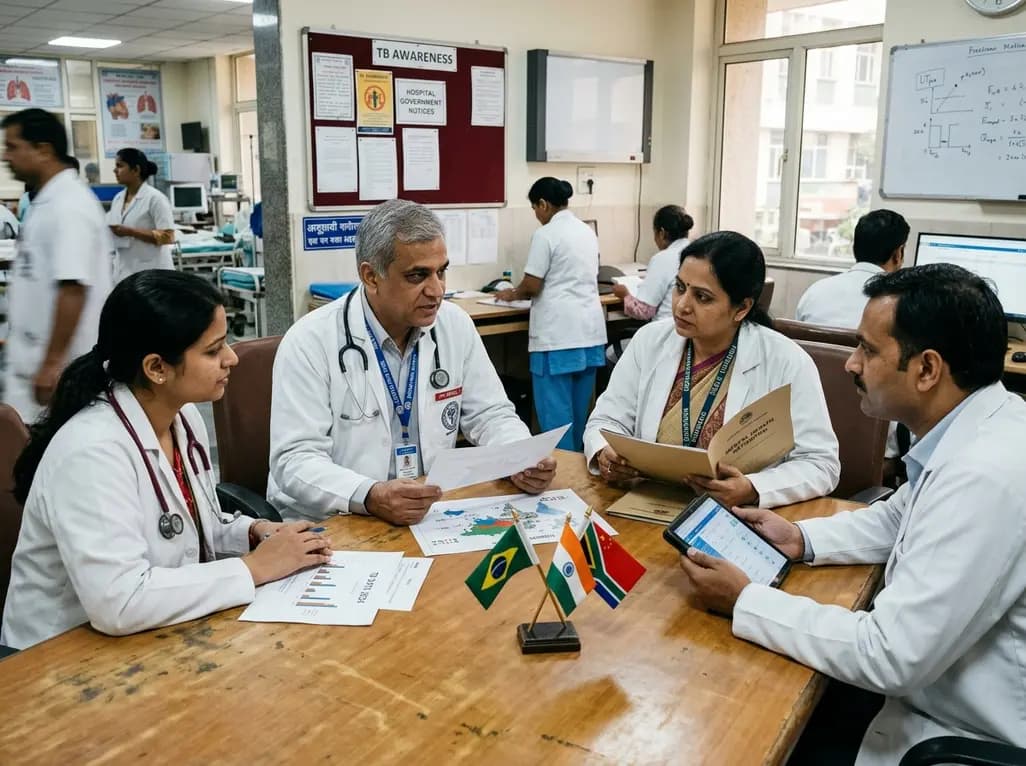
At the New Delhi Summit, BRICS leaders adopted a landmark declaration committing member nations to united action against tuberculosis, non-communicable diseases, and future pandemic threats. Key actions include NIMHANS-led mental health networks, digital health architectures, and evidence-based integrative medicine.
Today
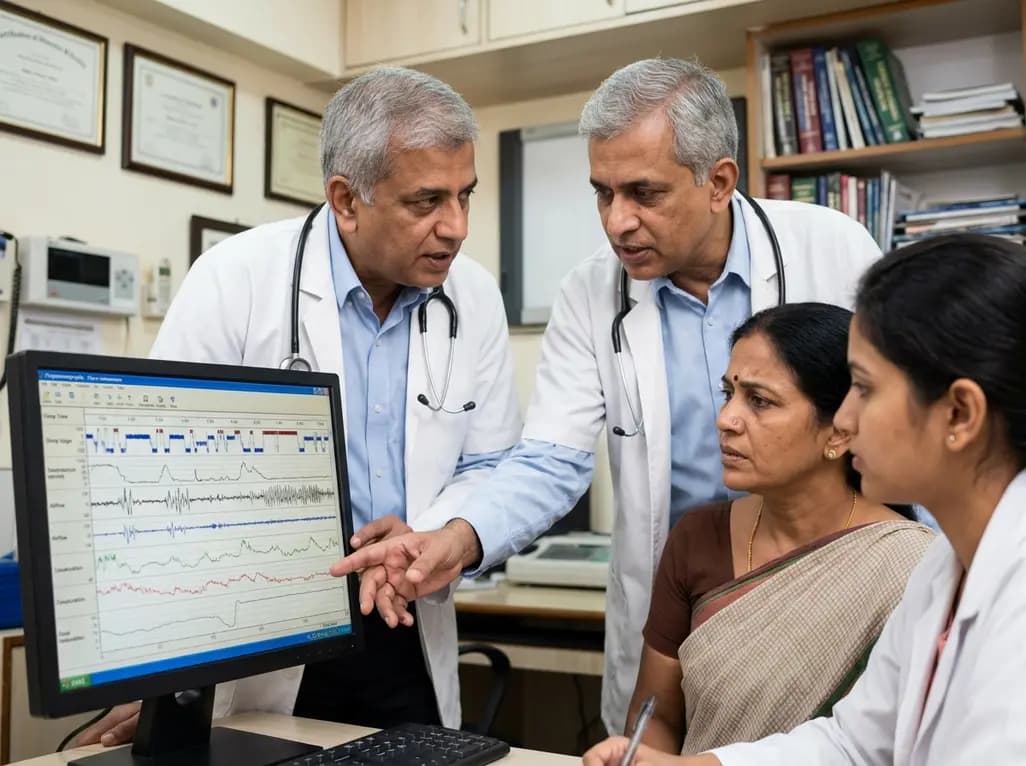
Perimenopausal obstructive sleep apnea often goes undetected due to atypical polysomnographic presentations and symptom overlap with menopause. This review details its neurocognitive mechanisms, polysomnography markers, and precision management strategies.
Today
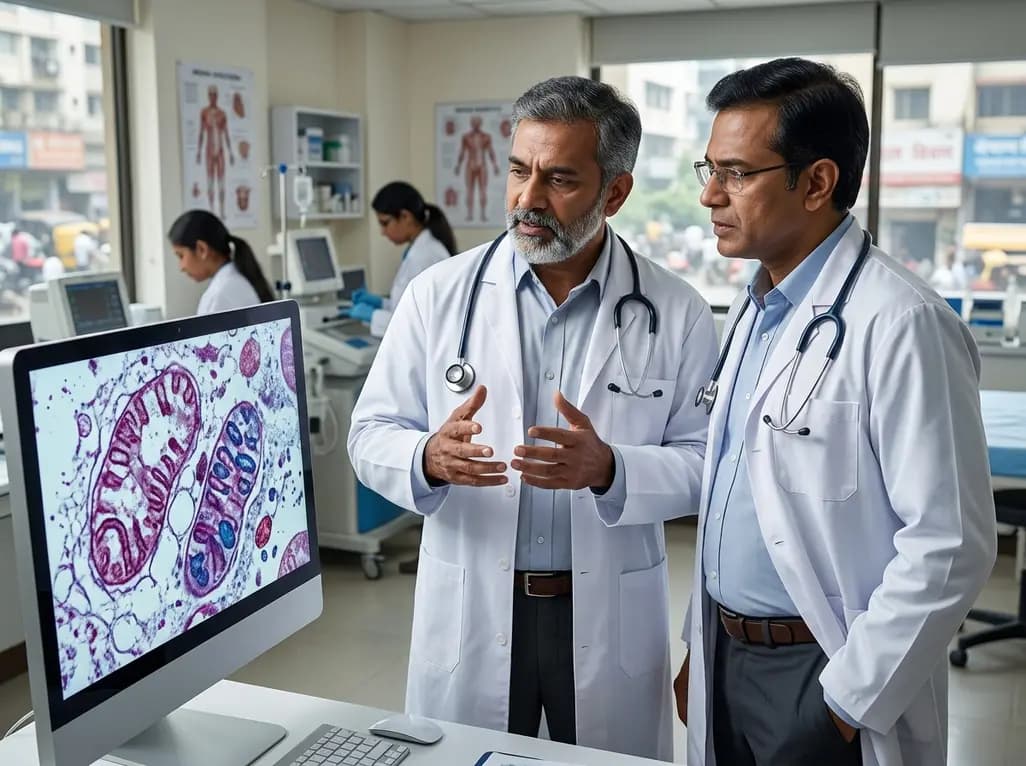
Mitochondrial deubiquitinases regulate organelle turnover by editing ubiquitin tags on damaged mitochondria. Discover how targeting these enzymes, notably USP30, offers therapeutic strategies for neurodegenerative, cardiovascular, and metabolic disorders.
Today
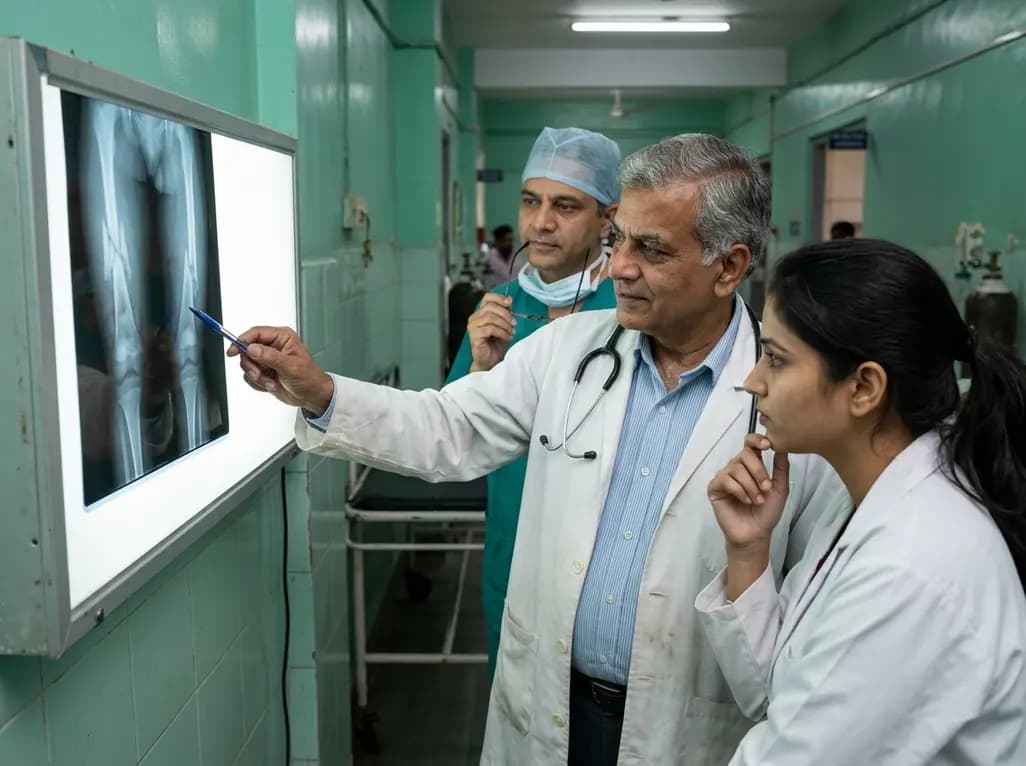
A rare case of a pediatric pathological femoral fracture caused by occult telangiectatic osteosarcoma demonstrates the risks of misdiagnosis after trauma, where intramedullary nailing prompted iatrogenic tumor dissemination and required modular total endoprosthetic reconstruction.
Today
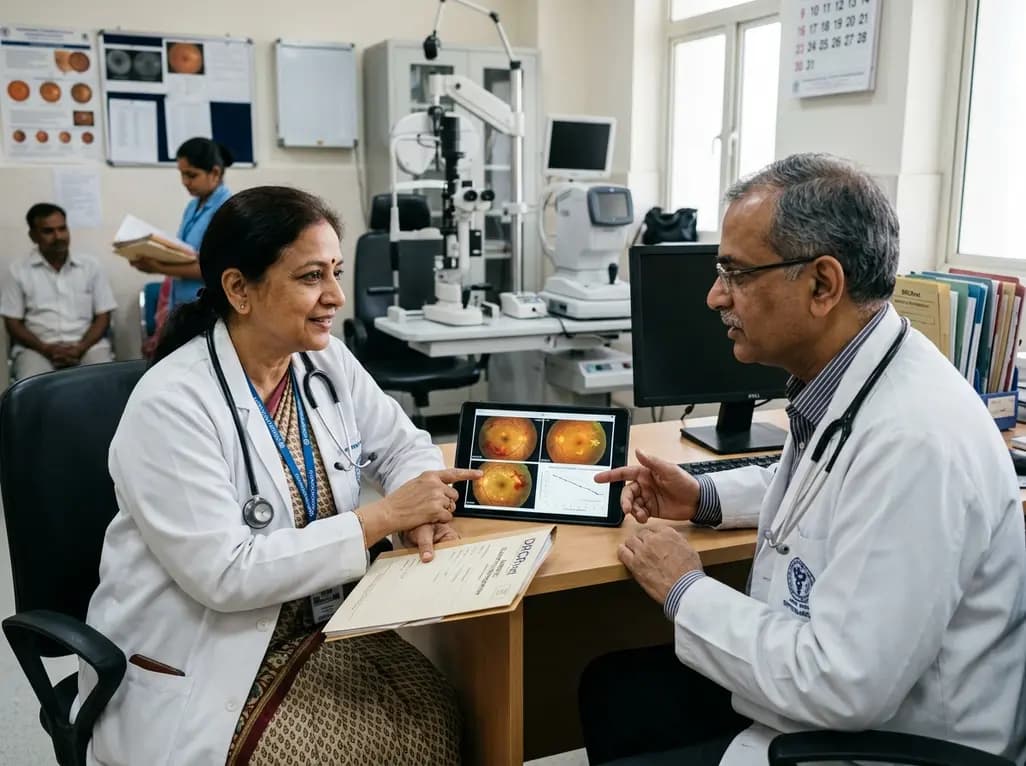
A comprehensive analysis of DRCRnet studies reveals that 15.1% of participants discontinue diabetic retinopathy clinical trials. Identifying baseline demographic and clinical predictors helps ophthalmologists and endocrinologists mitigate real-world treatment dropouts and protect long-term visual outcomes.
Today
