.webp&w=384&q=75)

Loading, please wait...
Loading, please wait...
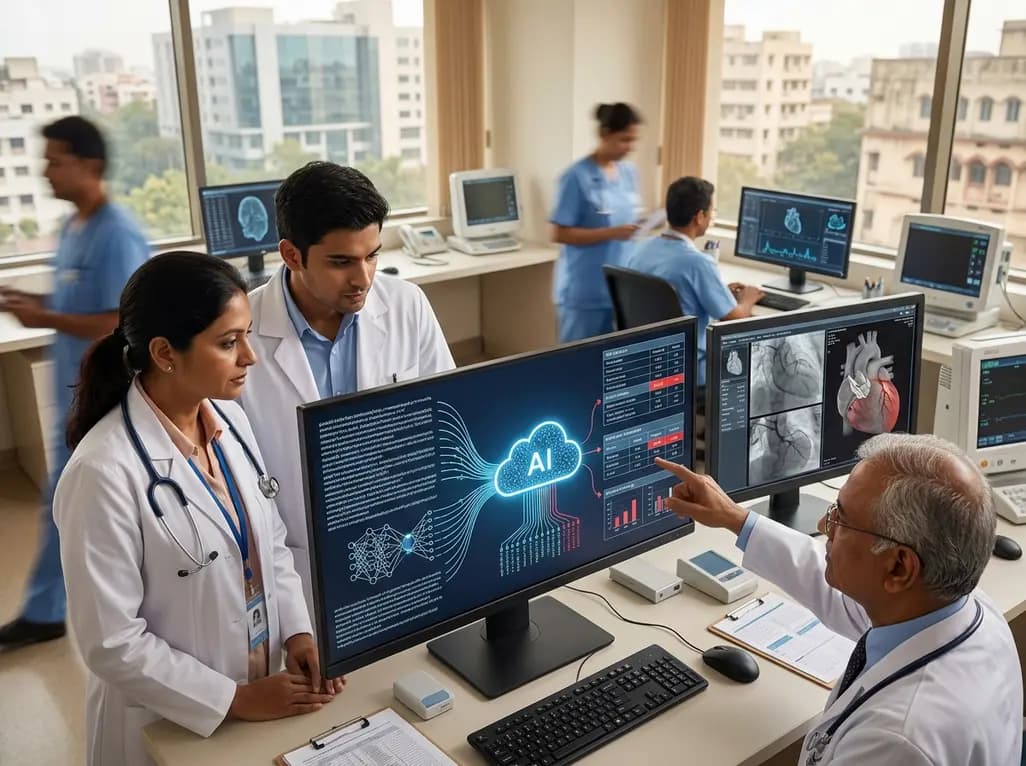
Modern clinical research often faces significant hurdles due to the manual nature of record abstraction. This process is typically slow and prone to human error. Fortunately, GPT-assisted data extraction offers a viable solution to these challenges. A recent study evaluated how a generative pre-trained transformer could pull sociodemographic and procedural variables from free-text electronic health records (EHRs) for patients undergoing transcatheter aortic valve replacement (TAVR). Initially, the researchers focused on 108 cases at Ca' Foncello Hospital to compare AI performance against manual review.
The results were remarkably promising for the future of cardiology research. Specifically, GPT achieved accuracy scores ranging from 0.657 for valve brands to a perfect 1.00 for gender and procedural timings. Consequently, the researchers found that sensitivity reached 1.00 for rare but critical events, such as intraoperative neurological complications. For vital parameters, Bland-Altman analyses showed minimal bias and narrow limits of agreement. Therefore, this technology can reliably handle continuous repeated measurements that often exhaust manual reviewers. Moreover, the specificity exceeded 0.90 for the majority of the clinical variables assessed.
Integrating these large language models into observational research workflows provides several advantages. First, it allows for rapid scaling of data collection across large hospital cohorts. Second, it significantly reduces the administrative workload on clinical staff. However, the study noted lower performance for certain infrequent postoperative events. This suggests that while the tool is powerful, human oversight remains necessary for validating sparse data points. Furthermore, these findings highlight the potential for wider adoption in multispecialty clinical settings. Indeed, these digital tools could bridge the gap in clinical registry maintenance for overworked departments. Finally, the study concludes that LLM-assisted workflows are both feasible and highly accurate for real-world clinical data extraction.
Yes. The study demonstrated that GPT-assisted data extraction achieved 100% sensitivity for rare but significant intraoperative complications, including neurological events, ensuring these critical details are not missed.
The model shows minimal bias and narrow limits of agreement for vital signs. This makes it highly effective for processing repeated measurements from electronic health records compared to manual entry.
While LLMs significantly streamline the process, researchers recommend validation for infrequent postoperative events where true positives are sparse to maintain the highest data integrity.
Disclaimer: This content is for informational and educational purposes only and does not constitute medical advice. Refer to the latest local and national guidelines for clinical practice.
References
Brigiari G et al. From Theory to Practice: GPT-Supported Data Extraction in Observational Studies on Transcatheter Aortic Valve Replacement. JACC Adv. 2026 Jun 11. doi: undefined. PMID: 42275684.
Gupta P, et al. Current status of transcatheter aortic valve replacement in India. Cardiovasc Diagn Ther. 2020;10(1):8-15. doi:10.21037/cdt.2019.09.04.
Malode G. Automated Summarization of Health Record Using LLM. ResearchGate. 2025. doi:10.13140/RG.2.2.12345.6789.

Read summarized clinical updates, watch expert medical content, and earn CME certifications right from your smartphone.
Open your smartphone camera to scan and install.





A new study demonstrates the high accuracy of GPT-assisted data extraction for TAVR observational research, achieving up to 100% sensitivity for rare intraoperative complications, showcasing the potential for AI to streamline clinical data collection.
4 months ago
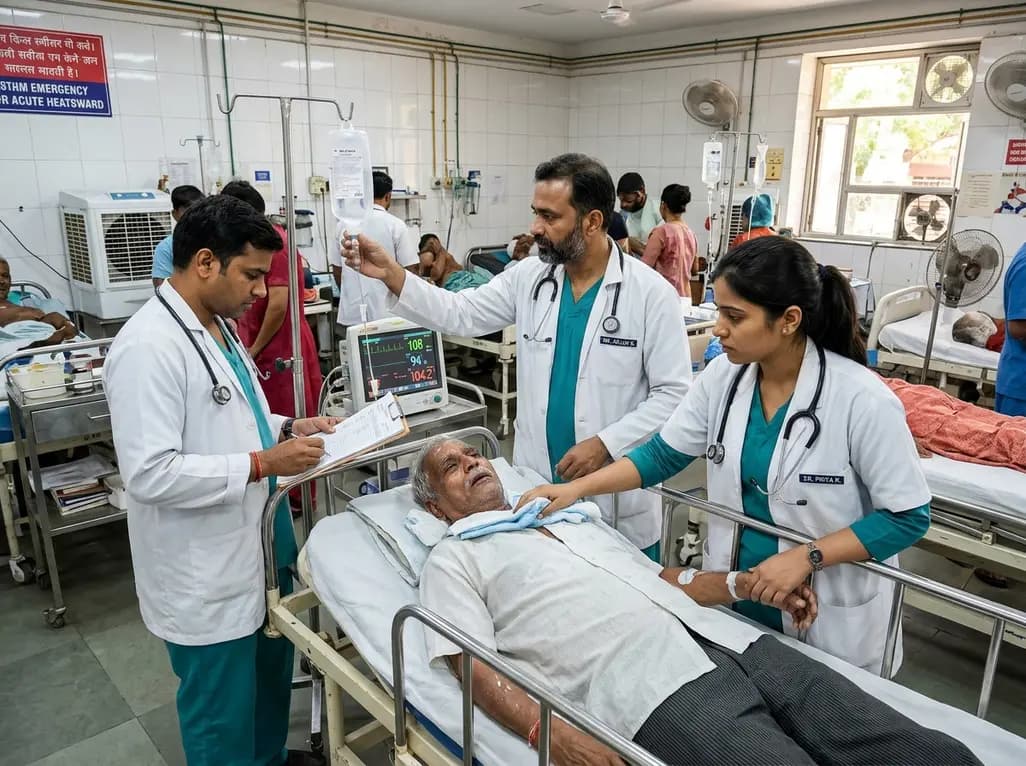
Recent epidemiological data reveals a dramatic surge in summer heat mortality driven by human-induced climate warming. This analysis explores the pathophysiological impacts on cardiac and renal systems, diagnostic dilemmas in death certification, and essential emergency cooling protocols for acute clinical care.
Today
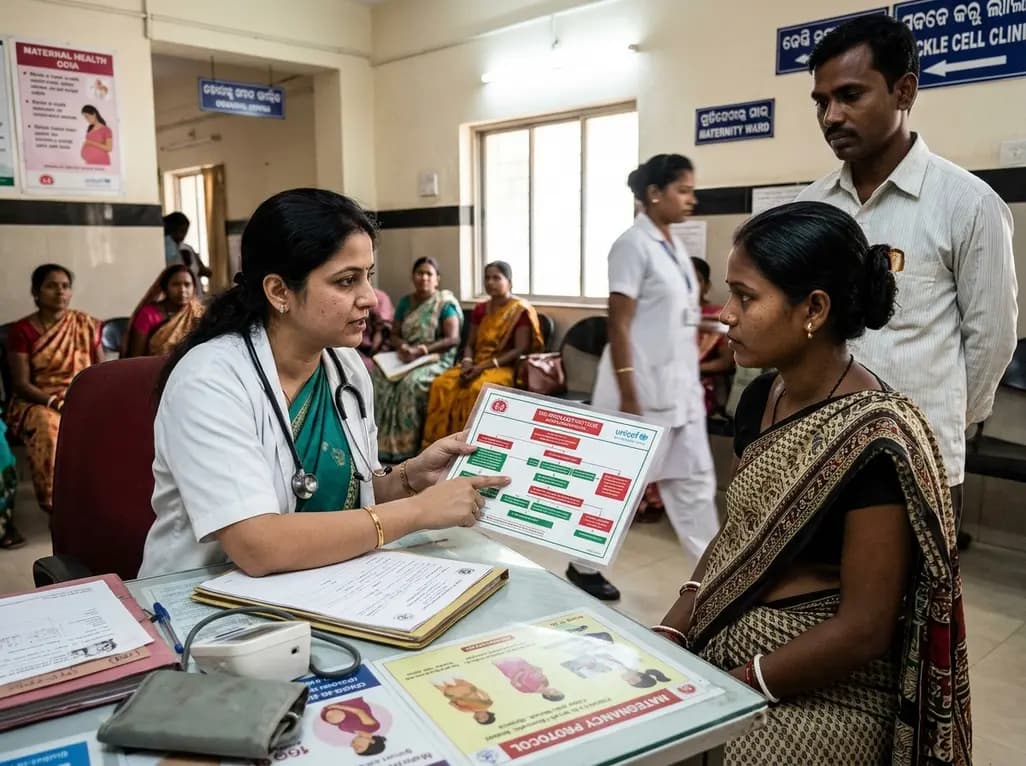
Odisha has established India's first state-level clinical protocol specifically tailored for pregnant women with sickle cell disease. Developed with NHM and UNICEF, the framework provides structured antenatal screening, crisis mitigation, standardized referral pathways, and specialized interdisciplinary care.
Today

India is advancing preventive healthcare by integrating genomics, artificial intelligence, and quantum technologies. With the SANGAM programme sequencing one million Indian genomes, clinicians can unlock personalized therapies, detect cardiometabolic risks early, and curb the burden of diabetes and heart disease.
Today

A randomized controlled trial demonstrates that an eight-week dual-task training intervention significantly improves static and dynamic postural control over standard balance exercises in individuals with chronic ankle instability, addressing critical neurocognitive deficits during athletic and daily activities.
Today

A retrospective cohort study of 7,716 ICU patients from the MIMIC-IV database demonstrates that Gradient Boosting Decision Trees significantly outperform traditional SOFA scores in predicting in-hospital mortality among patients with sepsis and diabetes, with SHAP analysis providing clinical interpretability.
Today
