.webp&w=384&q=75)

Loading, please wait...
Loading, please wait...

The rapid adoption of glucagon-like peptide-1 receptor agonists has transformed the therapeutic management of obesity and type 2 diabetes. However, significant appetite suppression often causes patients to drastically reduce their overall caloric intake. Consequently, healthcare providers must emphasize comprehensive GLP-1 nutritional support to safeguard patient health. When individuals shed weight rapidly on pharmacotherapy, they frequently experience a substantial loss of skeletal muscle alongside adipose tissue. Therefore, clinical strategies must prioritize nutrient density, adequate hydration, and musculoskeletal preservation throughout the treatment continuum. Food manufacturers are actively developing companion products to address these physiological demands. Meanwhile, clinicians must evaluate how targeted dietary interventions optimize long-term metabolic health.
When patients initiate incretin-based pharmacotherapies, gastric emptying slows down and central satiety pathways activate quickly. Consequently, total daily caloric consumption drops significantly within the first few weeks of therapy. While this caloric deficit effectively reduces fat mass, it also accelerates the breakdown of skeletal muscle tissue. Clinical trials demonstrate that lean body mass can account for twenty to forty percent of total weight reduction. Furthermore, skeletal muscle plays a critical metabolic role in glucose disposal, basal resting metabolic rate, and functional mobility. When patients lose substantial muscle tissue, they face an elevated risk of developing sarcopenic obesity. In addition, rapid weight reduction frequently causes aesthetic changes, including the pronounced loss of facial adipose tissue. These rapid anatomical alterations often undermine physical stamina and quality of life. Therefore, clinicians must routinely assess skeletal muscle quality rather than focusing exclusively on total scale weight. By monitoring body composition through bioimpedance or dual-energy X-ray absorptiometry, physicians can identify muscle decline early. Implementing proactive dietary measures prevents irreversible functional impairment in vulnerable populations.
To counteract the catabolic consequences of severe calorie restriction, patients require precise and high-quality GLP-1 nutritional support. Specifically, clinicians must advise individuals on incretin therapies to elevate their daily dietary protein intake. Current clinical consensus suggests consuming between 1.2 and 1.6 grams of protein per kilogram of body weight each day. However, patients often struggle to achieve these quantities because severe early satiety limits meal volumes. Consequently, protein-dense companion beverages, fortified snacks, and concentrated shakes provide practical avenues to bridge these nutritional gaps. Furthermore, nutritional interventions must deliver essential micronutrients, including vitamin D, vitamin B12, iron, and calcium. These micronutrients protect bone density, maintain energy metabolism, and preserve immune defense during sustained caloric deficits. In addition, adequate hydration remains vital to minimize gastrointestinal discomfort and preserve renal function. Electrolyte supplementation may also benefit patients experiencing persistent nausea or vomiting. Therefore, structured dietary plans ensure that patients maintain metabolic vitality without overburdening their restricted digestive capacity. Regular clinical follow-ups help dietitians adjust daily macronutrient targets as weight loss progresses.
Major nutritional companies are actively leveraging artificial intelligence to formulate companion foods specifically tailored for incretin users. For instance, food scientists utilize machine learning algorithms to screen thousands of nutrient combinations and clinical studies. Consequently, researchers can identify optimal micronutrient matrices that stimulate muscle protein synthesis while keeping portion sizes small. In addition, manufacturers are integrating bioactive collagen peptides into specialized formulas to support skin elasticity, hair integrity, and connective tissue repair. These targeted products aim to mitigate common concerns such as facial volume reduction and cutaneous laxity. Furthermore, computational food technology allows developers to reformulate recipe textures and flavor profiles. Because GLP-1 therapies frequently alter taste perception and dull sweet sensitivity, enhanced savory flavor profiles improve palatability. Moreover, proprietary pre-meal formulations containing whey protein microgels are undergoing evaluation to modulate endogenous satiety hormones naturally. These industrial innovations provide convenient options for busy patients who cannot consume large conventional meals. However, healthcare professionals must evaluate whether these packaged formulations offer distinct biochemical advantages over accessible whole foods.
Although functional medical foods offer convenient macronutrient delivery, whole foods remain the cornerstone of sustainable clinical nutrition. Nutrition experts emphasize that lean poultry, fish, eggs, dairy, legumes, and nuts provide rich bioavailable amino acids. Furthermore, whole dietary sources supply essential dietary fiber, trace minerals, and phytonutrients that processed beverages might lack. In addition, dietary fiber plays an indispensable role in maintaining a diverse gut microbiome and preventing treatment-associated constipation. Consequently, dietitians encourage a food-first philosophy, utilizing fortified supplements primarily when severe appetite suppression prevents adequate solid intake. Moreover, whole foods foster long-term mindful eating behaviors that patients need after discontinuing pharmacotherapy. When individuals eventually taper off incretin medications, robust lifestyle habits prevent rapid weight regain and metabolic rebound. Therefore, healthcare providers must guide patients in constructing balanced, cost-effective meal plates featuring whole grains and colorful vegetables. Functional protein shakes should complement, rather than completely replace, home-cooked, nutrient-rich meals. This balanced approach ensures sustainable wellness while respecting individual patient financial constraints.
Nutritional supplementation alone cannot fully prevent lean tissue loss without the mechanical stimulus of regular resistance training. Consequently, medical guidelines recommend that patients on incretin medications engage in progressive resistance exercise at least twice weekly. Resistance training stimulates muscle protein synthesis, enhances bone mineral density, and preserves functional strength during rapid fat loss. Furthermore, physical exercise improves insulin sensitivity and prevents the reduction of resting energy expenditure. Clinicians should collaborate closely with physical therapists and exercise specialists to design individualized, safe workout regimens. Additionally, restorative sleep and stress management play crucial roles in hormonal balance and muscle recovery. Chronic psychological stress elevates systemic cortisol levels, which can further accelerate muscle proteolysis and impair recovery. Therefore, holistic clinical management must integrate progressive exercise, behavioral coaching, and targeted nutrition into standard medical consultations. By addressing physical activity alongside pharmacological therapy, clinicians ensure comprehensive cardiometabolic health improvements. Ultimately, preserving physical strength empowers patients to sustain long-term vitality, functional independence, and overall well-being.
Q1: Why is preserving lean muscle mass critical during GLP-1 therapy?
Preserving skeletal muscle is essential because lean tissue drives basal metabolic rate, physical mobility, and systemic glucose disposal. When patients lose significant muscle mass during rapid weight loss, their resting metabolism declines, increasing the risk of sarcopenic obesity and metabolic rebound. Adequate protein intake and resistance training protect functional strength and long-term metabolic health.
Q2: How much daily protein should a patient consume while taking GLP-1 medications?
Clinical experts generally recommend that individuals on GLP-1 receptor agonists consume between 1.2 and 1.6 grams of protein per kilogram of body weight daily. This elevated intake counteracts muscle protein breakdown during caloric deficits. High-protein whole foods or specialized fortified shakes help patients achieve these targets despite reduced appetite.
Q3: Can specialized functional foods replace a balanced whole-food diet?
Specialized functional foods provide convenient protein and micronutrient supplementation when severe appetite suppression prevents adequate food intake. However, they should not completely replace whole foods. A diet rich in vegetables, legumes, lean meats, and whole grains provides essential dietary fiber, phytonutrients, and sustainable eating habits necessary for long-term health maintenance.
Disclaimer: This content is for informational and educational purposes only. It does not constitute medical advice or replace professional judgment. Refer to the latest local and national guidelines for clinical practice.
References

Read summarized clinical updates, watch expert medical content, and earn CME certifications right from your smartphone.
Open your smartphone camera to scan and install.





As GLP-1 receptor agonists reshape obesity management, preserving lean muscle mass and preventing nutritional gaps have become essential clinical priorities. Explore how targeted nutritional science, high-protein formulations, and dietary strategies optimize long-term health outcomes for patients during rapid weight loss.
last month

A systematic review of 41 preclinical studies reveals that baicalin dampens systemic inflammation, inhibits NF-κB and NLRP3 pathways, and improves organ preservation in sepsis models. However, substantial study heterogeneity and a complete lack of human clinical trials highlight the need for further translational research.
Today
Discover the crucial distinctions between mesonephric and mesonephric-like proliferations of the female genital tract. Learn the key histomorphologic, immunohistochemical, and molecular differences essential for accurate diagnosis and clinical management.
Today
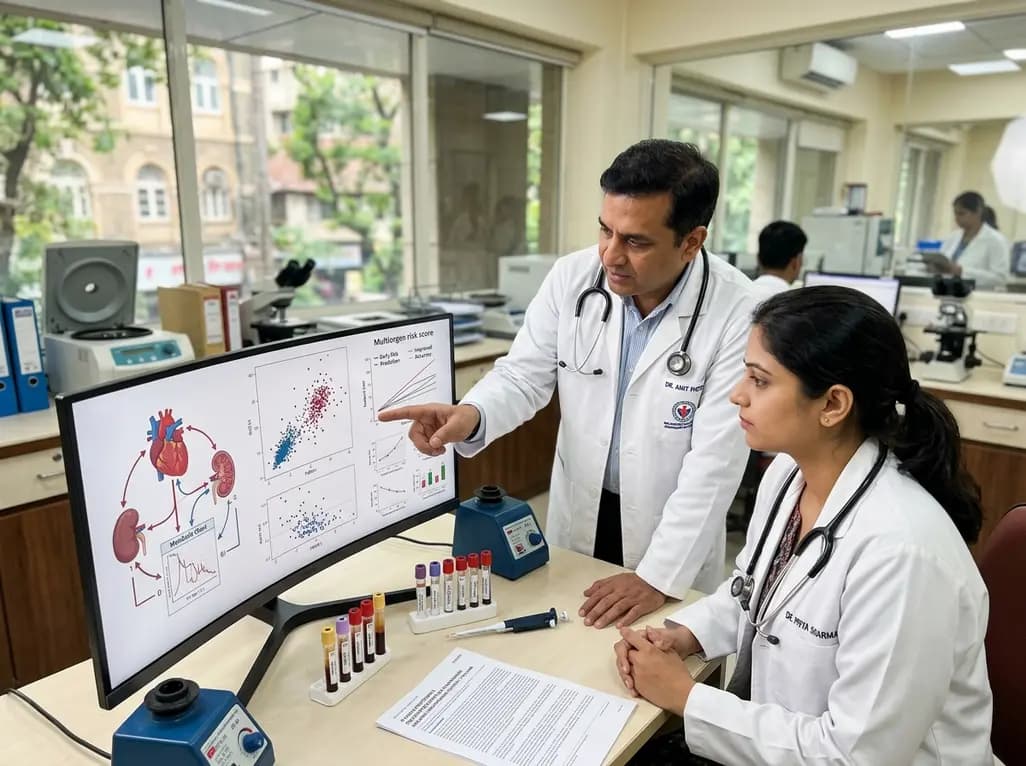
A large UK Biobank study reveals that plasma proteomic signatures capture preclinical organ damage and improve multiorgan risk prediction across early CKM syndrome stages 0 to 2 beyond traditional PREVENT clinical models.
Today
A narrative review investigates whether the articularis genus muscle functions as an independent anatomical entity or blends with the vastus intermedius. We evaluate its morphology, role in retracting the suprapatellar bursa, and direct clinical significance in anterior knee pain and arthroplasty.
Today

A Bayesian multilevel meta-analysis reveals that aerobic training combined with moderate carbohydrate restriction modestly lowers HbA1c in type 2 diabetes. However, sparse data and very low certainty leave incremental benefits over exercise or diet alone unproven, highlighting the need for individualized care.
Today
