.webp&w=384&q=75)

Loading, please wait...
Loading, please wait...

Pediatric headache disorders represent one of the most substantial yet underrecognized public health challenges worldwide. Historically, large-scale epidemiological studies neglected early childhood and adolescence. However, recent data from the Global Burden of Disease 2021 study provide unprecedented insight into this demographic. Pediatric clinicians and primary care doctors must now confront this issue to protect childhood educational outcomes and long-term wellbeing.
Recent epidemiological analyses demonstrate a dramatic expansion in the global reach of cephalic pain among children. Between 1990 and 2021, the global prevalence of pediatric headache disorders surged by 22.79% per 100,000 population. Furthermore, the overall incidence increased by 5.21% across the same observation window. Most critically, disability-adjusted life-years grew by 24.27%, reflecting the immense toll on daily childhood functioning. By 2021, approximately 545.8 million children and adolescents experienced recurring headache disorders. Consequently, this affected population represents a global point prevalence of 20.71%. Tension-type headaches and migraines accounted for the vast majority of these cases. While tension-type headaches occurred with higher frequency, migraine accounted for the predominant share of documented disability. Moreover, this escalating burden reflects both real increases in environmental stressors and enhanced modern diagnostic identification. Clinicians frequently encounter young patients whose educational attendance deteriorates due to recurrent unmanaged episodes. In addition, persistent headaches disrupt social integration and impair psychological maturation. Therefore, medical systems must prioritize early identification to prevent childhood primary headaches from becoming chronic adult conditions. Health authorities often overlook these functional disabilities because primary headache conditions carry minimal direct mortality. Nevertheless, chronic suffering during formative developmental years causes profound enduring detriments to health and wellbeing.
The epidemiological distribution of headache disorders shifts markedly as children mature into young adults. During early childhood, boys and girls demonstrate comparable rates of primary headaches. However, a profound divergence emerges alongside the onset of puberty. Specifically, adolescent females exhibit a much higher prevalence, incidence, and disability burden compared to their male peers. Fluctuating estrogen concentrations and neuroendocrine transformations substantially enhance migraine vulnerability in pubertal girls. In contrast, adolescent boys report tension-type headaches more frequently than classical migraine syndromes. Furthermore, older adolescents aged 15 to 19 years experience the greatest cumulative disease burden among all pediatric cohorts. Academic demands, altered sleep hygiene, and psychological stressors exacerbate symptom severity in this older adolescent age group. Importantly, young females frequently experience accompanied symptoms, including severe nausea, photophobia, and sensory hypersensitivity. Therefore, medical providers should anticipate changing phenotypic patterns across developmental transitions. In addition, early adolescent onset frequently portends persistence into adulthood if clinicians leave the condition untreated. Consequently, timely gender-informed evaluations enable physicians to deliver tailored therapeutic regimens that effectively prevent recurring episodic escalation. Clinicians must recognize these demographic patterns to avoid dismissive attitudes toward adolescent female complaints. Ultimately, recognizing puberty-related exacerbations allows targeted lifestyle modifications before debilitating chronic migraine syndromes develop.
Geographical variations and socioeconomic factors heavily influence the documented burden of pediatric headache disorders. According to sociodemographic index stratifications, low-middle SDI regions endure the highest absolute volume of affected youth. Conversely, high-income territories report substantial age-standardized rates, which often reflects superior diagnostic surveillance and heightened healthcare utilization. In developing nations, limited healthcare infrastructure frequently impedes formal headache diagnosis and therapeutic interventions. Consequently, many affected children in resource-constrained regions rely on suboptimal self-medication strategies. This widespread practice dangerously increases the future incidence of medication overuse headaches. In addition, pediatric neurology services remain severely concentrated in urban tertiary referral centers. Therefore, rural primary care physicians must shoulder the primary responsibility for early diagnosis and treatment initiation. Furthermore, educational programs regarding headache hygiene rarely reach underserved rural populations. As a result, schools in disadvantaged regions frequently misinterpret primary headache disability as truancy or behavioral resistance. Bridging this care disparity requires targeted public health initiatives and distributed medical education. Ultimately, empowering frontline healthcare professionals ensures equitable diagnostic access regardless of family socioeconomic standing. Moreover, health policymakers must incorporate pediatric headache management guidelines into fundamental community health protocols. When primary healthcare workers obtain adequate training, they can readily identify debilitating migraine syndromes and provide affordable relief.
Diagnosing pediatric headache disorders presents distinct challenges that differ significantly from adult clinical evaluations. Younger children rarely describe pain characteristics with precise descriptive terminology. Instead, they often communicate cranial discomfort through behavioral withdrawal, irritability, or crying. Furthermore, pediatric migraine frequently presents with bilateral frontal or temporal pain rather than unilateral throbbing sensations. In addition, headache durations in children often last as briefly as two hours, unlike adult migraine criteria. Pediatricians must also remain vigilant for episodic syndromes that precede classic migraine, such as cyclical vomiting syndrome or abdominal migraine. However, clinicians must also systematically exclude alarming secondary etiologies before confirming a primary diagnosis. Red flag features include headaches that awaken children from sleep, sudden occipital pain, and focal neurological deficits. Similarly, abnormal head circumference growth or persistent morning emesis mandates immediate comprehensive neuroimaging. Therefore, a meticulous history and a thorough neurological examination form the cornerstone of safe clinical practice. Consequently, prudent physicians minimize unnecessary radiation exposure while remaining vigilant against space-occupying intracranial lesions. Moreover, careful diagnostic workups reassure anxious parents and avoid catastrophic misdiagnoses. By establishing accurate primary headache diagnoses early, practitioners prevent inappropriate empirical therapies and build productive therapeutic alliances.
Effective treatment of pediatric headache disorders requires a multifaceted strategy combining lifestyle education, acute relief, and preventive therapies. Initially, clinicians should evaluate daily behavioral patterns, focusing closely on hydration, consistent sleep schedules, and dietary habits. Furthermore, excessive digital screen time and unmanaged academic stress frequently trigger recurrent severe episodes. Therefore, non-pharmacological interventions such as cognitive behavioral therapy and biofeedback offer substantial therapeutic value. When acute attacks occur, physicians recommend immediate intervention using age-appropriate doses of ibuprofen or paracetamol. Additionally, selective triptans approved for adolescent populations provide effective rescue therapy for moderate-to-severe migraine attacks. However, healthcare providers must firmly educate families regarding the risks of analgesic overuse. Using acute analgesics more than two to three days per week can paradoxically transform episodic headaches into daily chronic pain. For children suffering frequent, disabling episodes, clinicians should promptly initiate prophylactic pharmacotherapy. Useful preventive options include propranolol, amitriptyline, topiramate, or flunarizine, chosen according to patient comorbidity profiles. Consequently, combining lifestyle optimization with measured pharmacotherapy restores quality of life and supports normal developmental trajectories. Moreover, clinicians should schedule regular follow-up visits to assess treatment adherence and monitor potential drug adverse effects. Ultimately, comprehensive long-term care plans empower young patients and their families to achieve sustained headache control.
Recent Global Burden of Disease data indicate that pediatric headache disorders affect over 545 million children and adolescents worldwide. Consequently, approximately 20.7% of the global pediatric population experiences primary headaches. Tension-type headaches exhibit higher prevalence, whereas migraine causes the majority of disability-adjusted life years in young individuals.
During puberty, fluctuating estrogen levels and distinct neuroendocrine changes markedly amplify migraine susceptibility in females. In addition, adolescent girls report higher rates of photophobia, severe nausea, and disabling pain. Consequently, after the onset of menarche, girls suffer a substantially greater disease burden compared to boys of identical age.
Physicians should order neuroimaging when clinical examinations reveal alarming red flag signs. Specifically, indications include focal neurological abnormalities, persistent morning vomiting, headaches waking the child from sleep, and sudden unexplained changes in headache characteristics. Conversely, routine imaging is unnecessary for typical recurrent primary headaches accompanied by entirely normal neurological findings.
Disclaimer: This content is for informational and educational purposes only and should not be considered medical advice. Always consult a qualified healthcare professional regarding any medical condition or treatment. Refer to the latest local and national guidelines for clinical practice.
References

Read summarized clinical updates, watch expert medical content, and earn CME certifications right from your smartphone.
Open your smartphone camera to scan and install.





The GBD 2021 study reveals a substantial rise in pediatric headache disorders from 1990 to 2021, affecting over 545 million youth globally. This analysis outlines changing demographic burdens, clinical diagnostic nuances, and essential lifestyle and pharmacological management strategies for clinicians.
Today
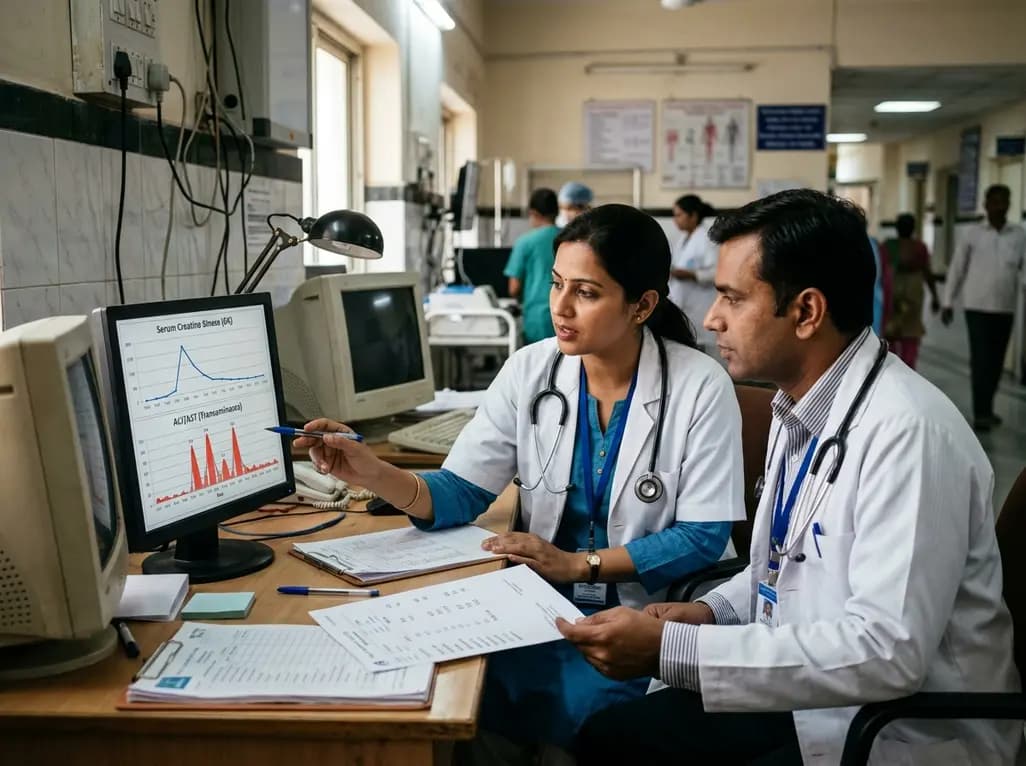
A recent case shows that exertional rhabdomyolysis can trigger marked transaminase spikes despite moderate creatine kinase elevation. Preserved hepatic synthetic function confirms muscle injury rather than liver failure, guiding conservative hydration and preventing unnecessary invasive diagnostics.
Today
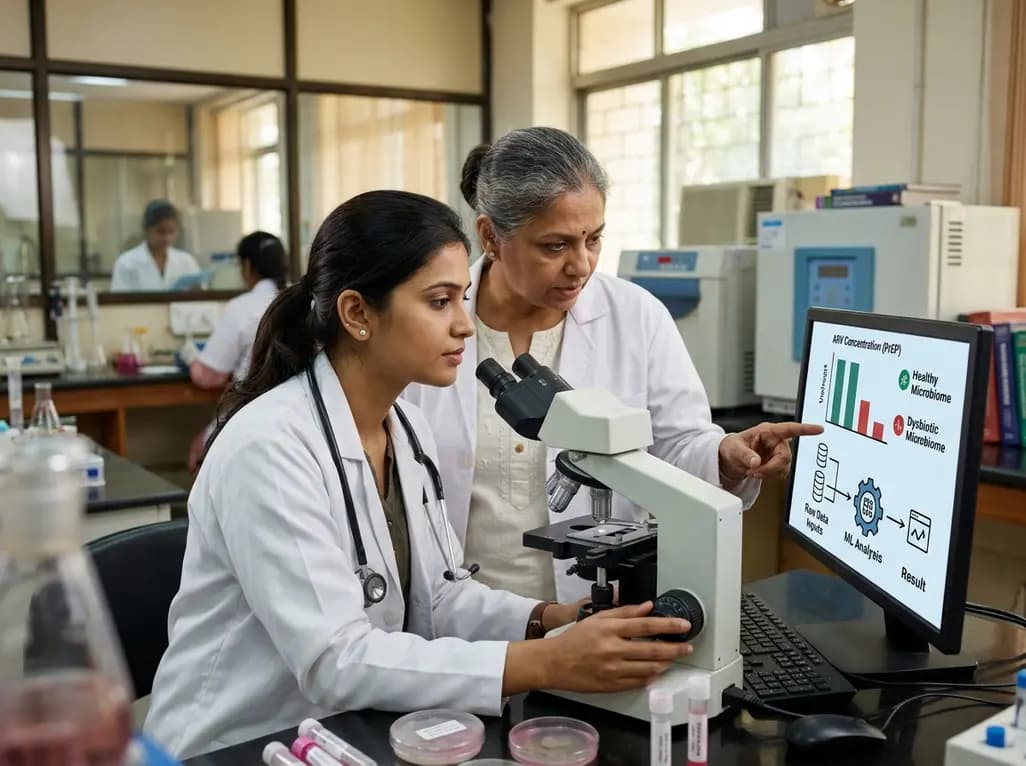
A pharmacometric and machine learning study reveals that specific vaginal bacteria alter cervical antiretroviral exposure, highlighting the need for precision HIV PrEP strategies.
Today
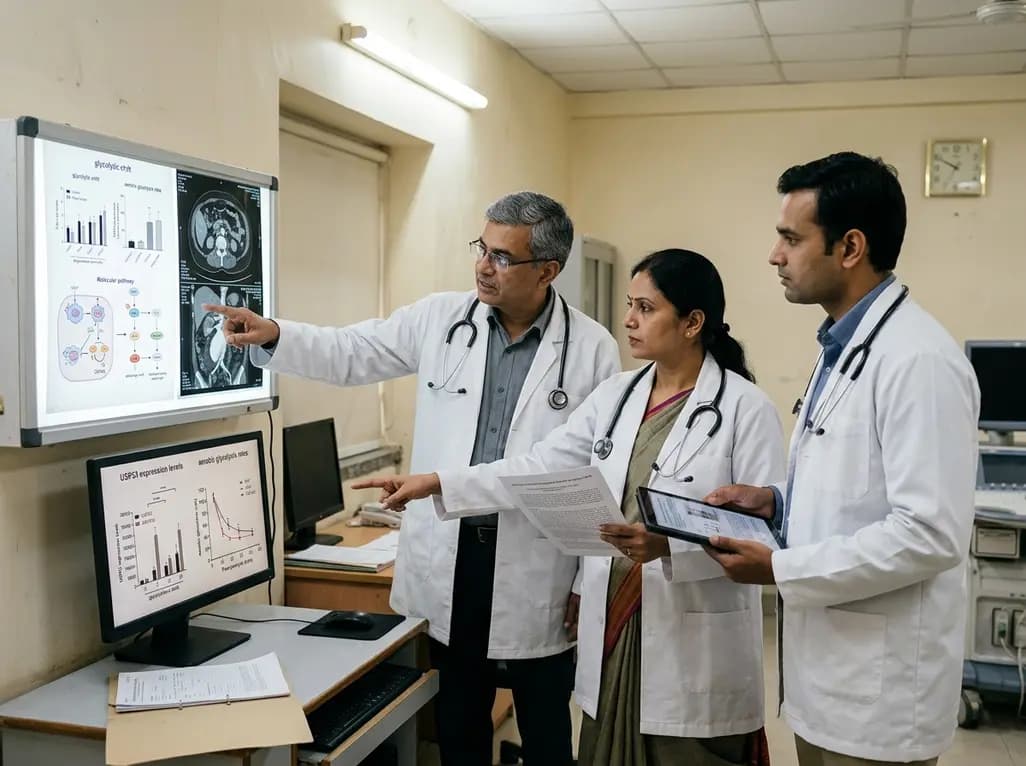
Abdominal aortic aneurysm rupture remains a catastrophic vascular emergency. Groundbreaking research reveals that USP53 accelerates aneurysm progression by reprogramming smooth muscle cell metabolism toward aerobic glycolysis, highlighting a promising target beyond conventional diameter-based surveillance.
Today
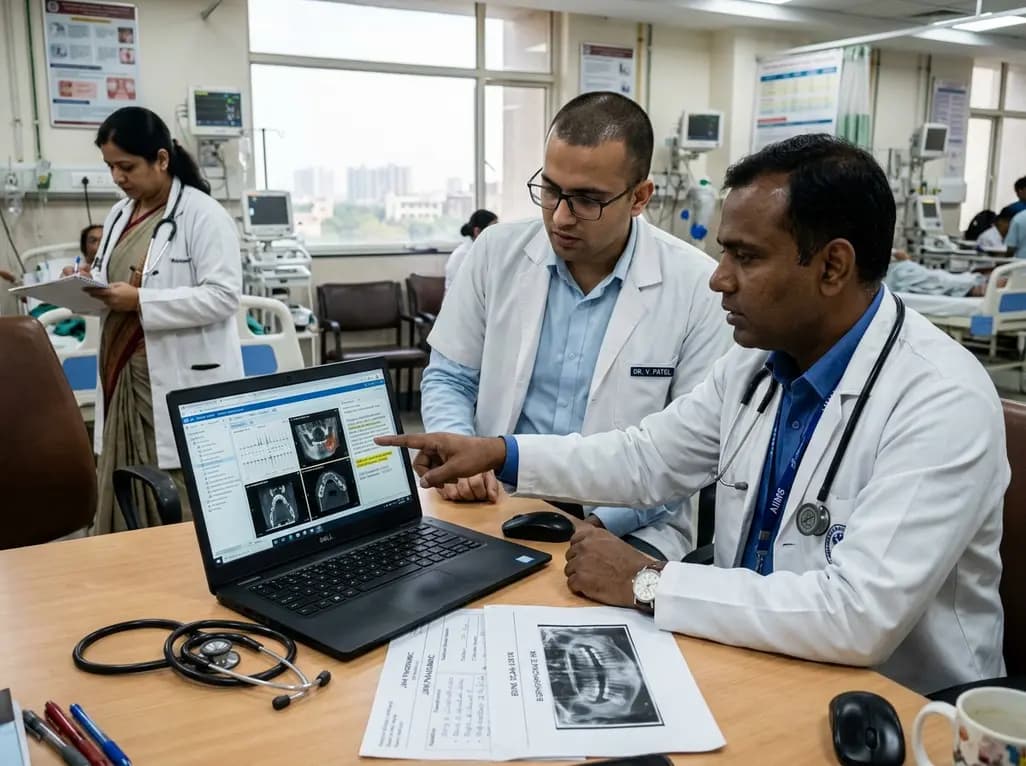
A breakthrough study leverages natural language processing to accurately identify incident medication-related osteonecrosis of the jaw and track antiresorptive drug holidays from clinical narratives in electronic health records, advancing osteoporosis pharmacovigilance and dental safety.
Today
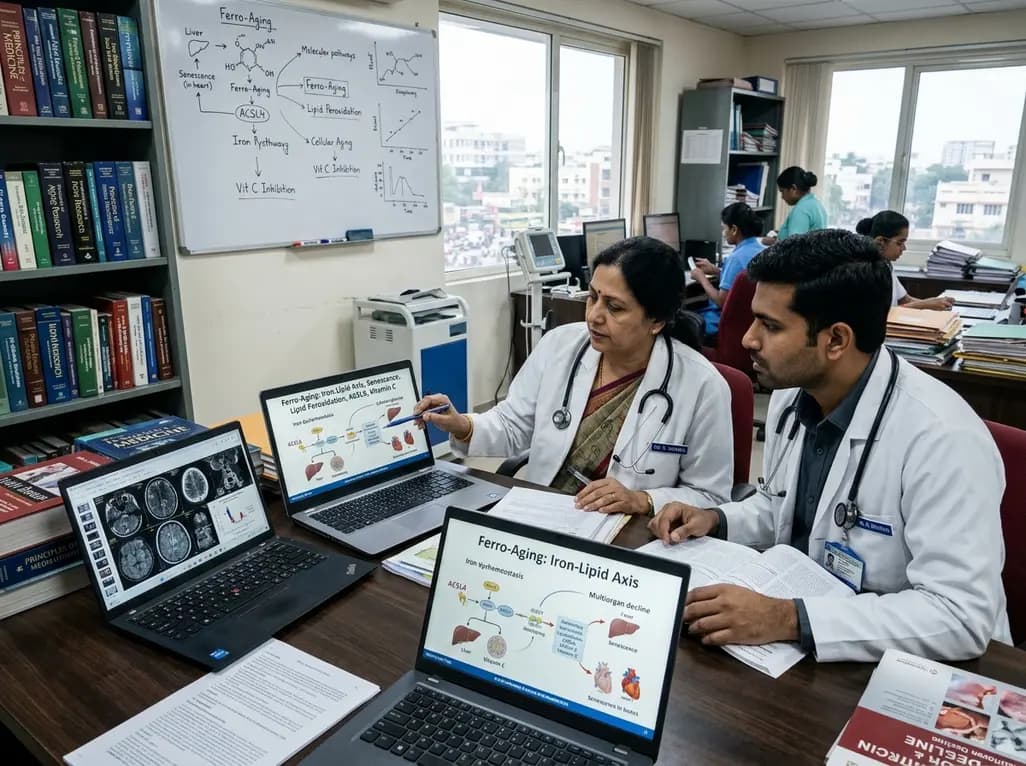
Recent research defines ferro-aging as a conserved iron-lipid axis driving organ decline across primates. Age-related iron dyshomeostasis stimulates ACSL4-mediated lipid peroxidation, promoting cellular senescence. Notably, vitamin C directly inhibits ACSL4, suppressing phospholipid oxidation and multi-organ decay.
Today
