.webp&w=384&q=75)

Loading, please wait...
Loading, please wait...

Glioblastoma represents the most aggressive primary brain malignancy in adults. Despite multimodal intervention with surgery and chemoradiation, overall survival remains severely limited. Historically, clinicians have focused on tumor genomics to predict prognosis. However, recent evidence emphasizes that non-biological factors also influence therapeutic outcomes. Specifically, glioblastoma distance to care has emerged as an underappreciated determinant of survival. When patients live far from academic medical institutions, they often encounter logistical delays and fragmented clinical management. Furthermore, socioeconomic disparities often intersect with geographical isolation, creating compound obstacles for underserved rural cohorts. Consequently, survival disparities emerge even when patients receive standard histopathological assessments.
Furthermore, standard care requires frequent in-person hospital visits for complex multidisciplinary interventions. Patients must navigate regular radiation sessions, neuro-imaging evaluations, and acute symptom reviews. When geographic isolation impedes this regular contact, therapeutic continuity degrades substantially. Therefore, examining how travel distance impacts survival and clinical trial access provides vital insights for health system optimization.
To quantify these travel hurdles, researchers conducted a retrospective cohort study at a comprehensive cancer center. The team analyzed 167 adult patients diagnosed with isocitrate dehydrogenase wild-type glioblastoma under modern World Health Organization criteria. All included subjects received treatment between 2018 and 2022. Subsequently, the researchers categorized patients into distinct geographic cohorts based on their residential travel distance from the center.
Importantly, baseline patient characteristics remained balanced across distance categories, confirming comparable clinical baselines. In univariable survival analyses, physical distance did not show a statistically significant difference in overall survival. However, multivariable Cox regression revealed striking survival disparities after adjusting for established prognostic factors. Specifically, patients in the intermediate-distance group demonstrated a 61 percent higher hazard of mortality compared to near residents. Interestingly, patients living at the greatest distances did not show significantly worse survival than near patients, possibly reflecting referral selection bias. This significant survival disadvantage underscores how geographic distance independently undermines longitudinal therapeutic effectiveness.
Beyond overall survival detriments, physical distance established a steep barrier to clinical trial participation. Glioblastoma clinical trials represent an indispensable component of standard-of-care disease management given the lack of curative therapies. Consequently, trial participation often represents the highest standard of oncologic care for patients with aggressive high-grade glioma. Nevertheless, trial enrollment dropped precipitously as residential distance from the tertiary facility increased. Patients living closest to the comprehensive cancer center achieved a 43 percent trial participation rate.
In sharp contrast, trial enrollment fell to 35 percent among intermediate-distance patients and plummeted to 18 percent for distant cohorts. This difference reached profound statistical significance across the investigated population. Consequently, distant patients lost critical access to novel experimental therapeutics. Furthermore, clinical trials impose demanding visit schedules, frequent blood draws, and strict imaging timelines. Therefore, travel logistics directly disqualify or discourage eligible candidates, widening systemic inequities in neuro-oncology.
Several intersecting clinical factors explain why travel burdens translate directly into compromised patient survival. First, glioblastoma patients frequently suffer from progressive physical disability, motor weakness, cognitive decline, and debilitating seizures. Because driving becomes hazardous, these individuals rely heavily on familial caregivers for transit. Long-distance commuting intensifies physical exhaustion, financial toxicity, and emotional distress for families. Moreover, indirect costs associated with lost employment and specialized vehicle adaptations place profound financial strain on rural families. As a result, patients may miss adjuvant therapy appointments or delay urgent clinical reviews.
Additionally, distant patients often experience delays in managing treatment-related complications. For example, clinicians must promptly distinguish pseudoprogression from true tumor recurrence to adjust adjuvant chemotherapy. When patients cannot easily travel for expert clinical examinations, local providers may mismanage secondary edema or steroid toxicities. Thus, subtle diagnostic delays accumulate over the treatment trajectory, ultimately eroding the survival advantages normally provided by tertiary cancer centers.
Health systems must deploy patient-centered operational models to bridge the gap created by geographic isolation. Primarily, tertiary cancer programs should formalize decentralized clinical trial frameworks that permit local satellite participation. Investigators can safely transfer routine laboratory monitoring and standard infusions to qualified community oncology partners. Such community-based partnerships preserve clinical data integrity while drastically minimizing burdensome travel requirements for vulnerable patients. Furthermore, research protocols should integrate remote digital consenting and home nursing visits whenever regulatory standards allow.
Moreover, clinicians can leverage telemedicine consultations to conduct longitudinal follow-up evaluations and symptom management visits. Digital consultations allow subspecialty neuro-oncologists to monitor functional performance without burdening patients with strenuous travel. Simultaneously, health systems can establish dedicated travel assistance funds, affordable lodging partnerships, and patient navigation services. By actively dismantling logistical barriers, medical institutions ensure that geographic residence no longer dictates access to top-tier care.
The implications of this single-center investigation extend far beyond high-income medical infrastructure. In developing healthcare environments, regional disparities in subspecialty neuro-oncology infrastructure are frequently even more pronounced. Patients in peri-urban and rural regions regularly travel hundreds of kilometers over challenging terrain to reach tertiary centers. Consequently, therapeutic abandonment, treatment interruptions, and delayed recurrence detection occur at higher frequencies in these resource-constrained settings.
Therefore, oncology leaders worldwide must advocate for regional hub-and-spoke clinical networks that strengthen peripheral oncology capacities. Local medical teams require direct digital communication channels with tertiary brain tumor boards to optimize complex care decisions. In addition, health policies must prioritize regional radiotherapy availability and affordable oral chemotherapy access. Ultimately, addressing the multifaceted challenges of distance ensures equitable oncological outcomes regardless of a patient's geographical origin.
Geographic distance independently reduces glioblastoma survival by creating logistical hurdles to regular subspecialty care. Patients traveling longer distances often encounter delays in managing complications, miss supportive appointments, and experience increased caregiver strain. Consequently, these cumulative disruptions undermine therapeutic continuity and elevate mortality hazards compared to patients living near comprehensive centers.
Clinical trials require frequent on-site assessments, rigorous pharmacokinetic monitoring, and strict neuro-imaging schedules. Patients living far from tertiary cancer centers often face severe travel fatigue, travel expenses, and functional deficits that make routine transit impractical. Therefore, travel logistics discourage participation, causing trial enrollment to decline steeply among distant patient populations.
Oncology centers can implement decentralized clinical trial protocols, digital telemedicine follow-ups, and coordinated shared-care models with community oncologists. Additionally, health systems should provide subsidized travel lodging and dedicated nurse navigation. These operational strategies reduce physical commuting burdens while maintaining high-quality subspecialty oversight and trial access for geographically remote patients.
Disclaimer: This content is for informational and educational purposes only and does not substitute professional medical judgment, diagnosis, or treatment. It is intended for healthcare professionals to enhance clinical knowledge. Refer to the latest local and national guidelines for clinical practice.
References

Read summarized clinical updates, watch expert medical content, and earn CME certifications right from your smartphone.
Open your smartphone camera to scan and install.





A retrospective study of IDH wild-type glioblastoma reveals that geographic distance to comprehensive cancer centers independently impairs overall survival and reduces clinical trial enrollment. Addressing these travel burdens through decentralized care and telemedicine is vital to ensure equitable neuro-oncology care.
Today
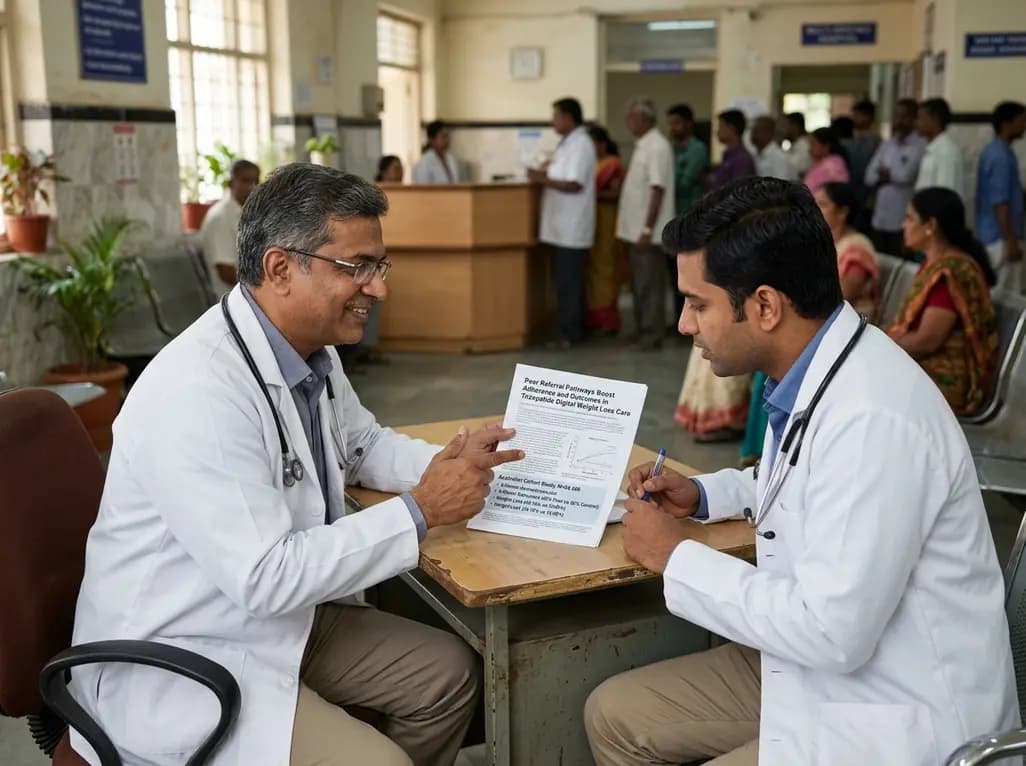
An Australian cohort of 34,449 adults in an unsubsidized tirzepatide digital weight loss service showed that peer-referred patients achieved significantly higher 6-month adherence (48% vs 42%) and greater weight loss (16.16% vs 14.06%) than matched non-referred peers, highlighting social support in obesity care.
Today
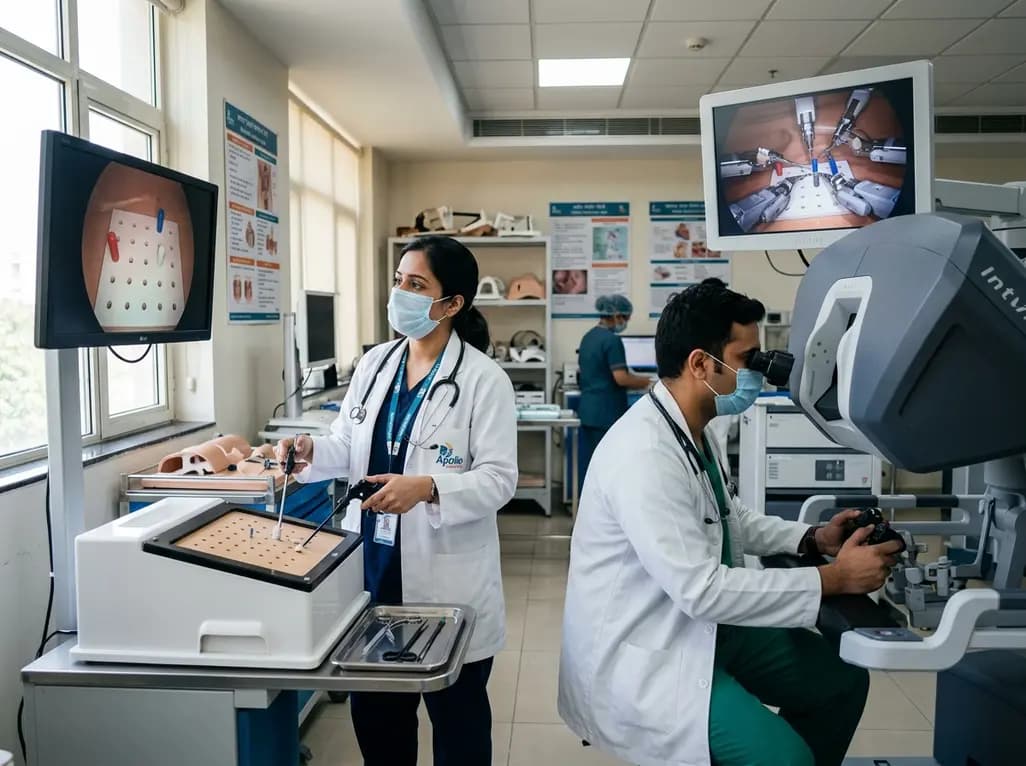
A randomized crossover study demonstrates that conventional and robotic laparoscopy require distinct neuropsychological and psychomotor skills. While trainees master conventional laparoscopy faster, robotic proficiency demands individualized, adaptive curricula tailored to specific learner profiles.
Today
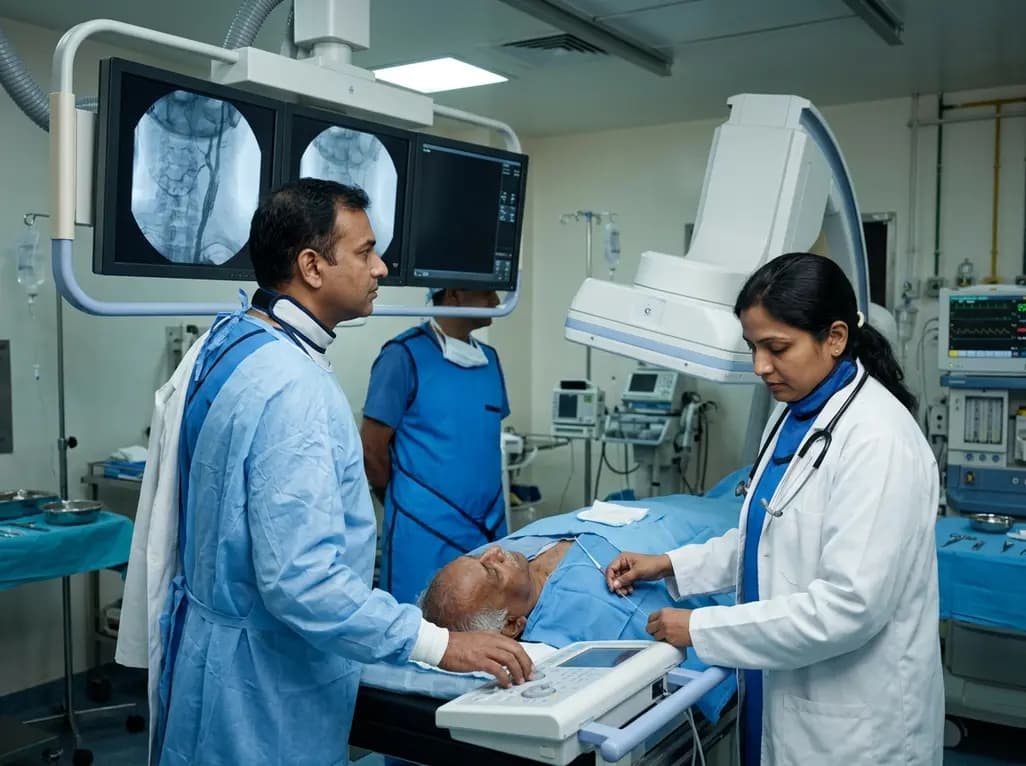
A retrospective study of 109 patients undergoing elective carotid artery stenting evaluated radiation exposure on biplane flat-panel systems. Standardized workflows and dedicated low-dose protocols provide crucial baseline data to establish neurointerventional diagnostic reference levels and optimize patient safety.
Today

A scoping review of 51 studies reveals that spinal manual therapy on the lumbo-pelvic area is commonly used for isolated lower extremity pain, predominantly knee conditions. While thrust manipulation is frequent, reporting deficits highlight the need for standardized technique descriptions to guide practice.
Today
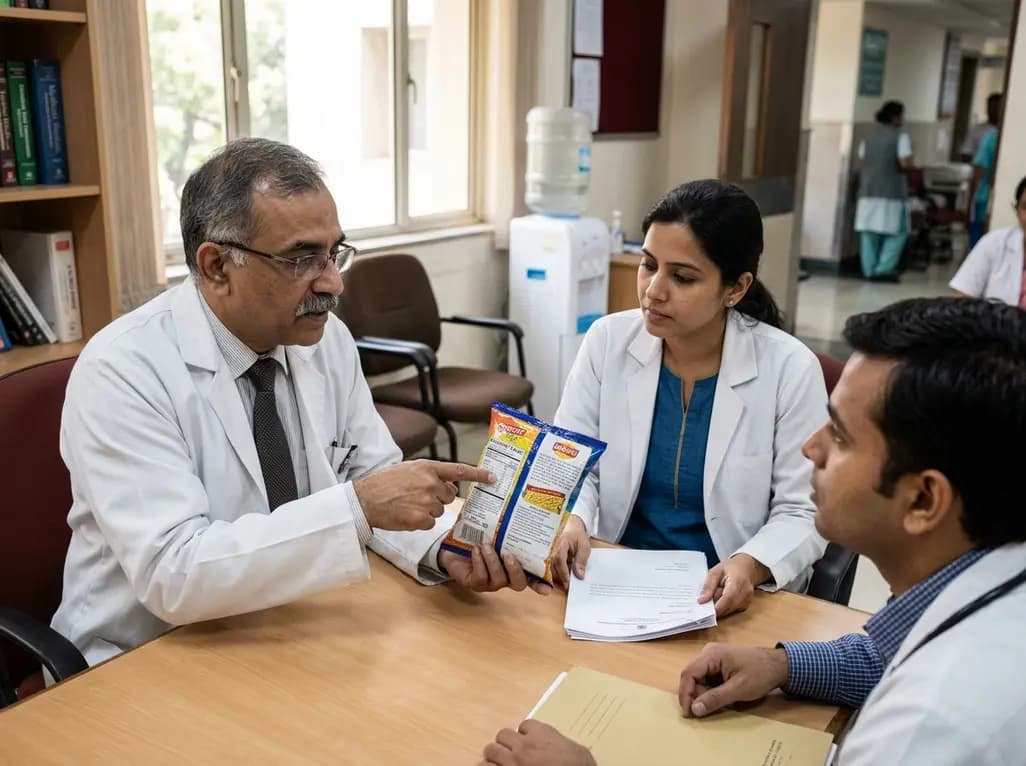
The Supreme Court has reserved its judgment on FSSAI's proposed front-of-pack nutritional warning labels for packaged foods. With debates over compliance timelines, added versus total sugars, and ultra-processed food definitions, this landmark decision carries profound public health implications for India.
Today
