

Loading, please wait...
Loading, please wait...

Upper tract urothelial carcinoma represents an uncommon but aggressive malignancy of the renal pelvis and ureter. Importantly, this disease serves as the third most prevalent cancer associated with Lynch syndrome, an autosomal dominant disorder caused by defective DNA mismatch repair. Because hereditary factors drive a significant subset of cases, professional societies advocate for timely genetic assessment. However, recent evidence highlights that real-world adoption of germline testing in UTUC remains remarkably inadequate despite established clinical recommendations.
Lynch syndrome predisposes individuals to colorectal, endometrial, ovarian, and upper urinary tract tumors. Historically, clinicians recognized mismatch repair deficiencies primarily in colorectal disease. Nevertheless, upper tract urothelial carcinoma carries a more than twentyfold risk increase in carriers of pathogenic variants in MLH1, MSH2, MSH6, or PMS2. In fact, MSH2 mutations confer an exceptionally high risk of urothelial transformation. Therefore, identifying these germline alterations carries immediate therapeutic and preventive implications.
From a therapeutic perspective, tumors deficient in mismatch repair exhibit marked sensitivity to immune checkpoint blockade. As a result, clinicians can utilize immunotherapy effectively in advanced disease stages. Furthermore, germline confirmation alters long-term follow-up protocols for the patient. Urologists and oncologists must screen survivors for secondary synchronous or metachronous malignancies across the gastrointestinal and gynecologic tracts. Additionally, genetic confirmation initiates vital cascade testing for first-degree biological relatives. Consequently, timely identification protects entire families from preventable cancer morbidity through intensified surveillance colonoscopies and gynecologic screening. Because tissue availability can be limited in endoscopic biopsies, universal germline evaluation offers a direct, highly definitive diagnostic avenue.
To investigate how frequently clinicians order hereditary evaluations in routine practice, researchers analyzed the nationwide MarketScan database. They identified 4,783 patients who received a new diagnosis of upper tract urothelial carcinoma between January 2015 and June 2023. The investigators defined the primary outcome as insurance claims for multigene hereditary cancer panel testing following cancer diagnosis.
Strikingly, only 216 patients underwent germline evaluation throughout the eight-year study interval. This figure corresponds to an overall testing rate of merely 4.5%. Thus, fewer than one in twenty affected individuals completed guideline-recommended genetic assessments. Moreover, the researchers observed no meaningful improvement in testing adoption over time, despite growing consensus across clinical guidelines. In other words, testing rates remained persistently stagnant from 2015 through 2023. Consequently, the vast majority of potentially hereditary cases went unrecognized. This widespread diagnostic deficit prevents oncology teams from tailoring systemic therapies and initiating family-based preventive care. Ultimately, these findings reveal a profound disconnect between academic guidelines and everyday community practice patterns.
The researchers employed univariable and multivariable logistic regression models to identify independent patient and system factors associated with testing receipt. Notably, a personal history of a prior Lynch-spectrum cancer emerged as the strongest independent predictor. Patients with a documented prior malignancy within the Lynch spectrum had three times higher odds of undergoing genetic testing compared with those without such history. This association underscores that clinicians often recognize hereditary cancer risks only after multiple malignancies occur.
In addition, male sex independently correlated with increased testing odds. Men were 37% more likely to undergo germline testing than women, highlighting an unexpected gender disparity that warrants further investigation. Furthermore, geographic location exerted a significant influence on care delivery. Patients residing in the Northeast experienced 46% lower odds of postdiagnosis testing compared to those living in the South. In contrast, other socioeconomic and institutional factors failed to overcome overall low testing trends. Therefore, significant regional and demographic disparities continue to dictate who receives genetic evaluation. Addressing these geographic and demographic variations requires standardized institutional workflows that remove individual provider biases and regional practice discrepancies.
Current clinical guidelines establish young age as an unequivocal, stand-alone indication for genetic evaluation. Specifically, consensus recommendations recommend germline testing for any individual diagnosed with upper tract urothelial carcinoma before age 50. Early presentation strongly indicates an underlying hereditary cancer predisposition rather than sporadic carcinogenesis.
However, the study findings exposed alarming deficits within this critical subgroup. Among patients diagnosed before age 50, only 5.6% actually underwent multigene panel testing. Consequently, more than 94% of young patients missed an opportunity for timely genetic evaluation. Because of this systemic testing omission, confirmed Lynch syndrome was claimed in only eight patients across the entire nationwide cohort of 4,783 individuals. This extremely low diagnostic yield reflects under-testing rather than true biological rarity. Multiple prospective studies demonstrate that true Lynch syndrome prevalence in this population ranges between 5% and 13%. Thus, missed evaluations in young patients lead to missed opportunities for life-saving cascade testing in biological relatives. When clinicians fail to evaluate young patients, they inevitably leave entire families unprotected against aggressive, hereditary malignancies.
Overcoming this substantial implementation gap requires fundamental structural changes in how health systems manage upper tract malignancies. Relying solely on discretionary physician referrals clearly produces inadequate testing rates. Instead, cancer centers must integrate automated reflex testing protocols directly into surgical pathology workflows. Whenever a pathologist confirms upper tract urothelial carcinoma, the laboratory should automatically perform immunohistochemical staining for mismatch repair proteins.
Furthermore, health systems should embed automated clinical decision support prompts within electronic medical record platforms. For example, when a clinician enters an upper tract cancer diagnosis for a patient younger than 50, the system can automatically generate a genetics referral. In addition, multidisciplinary genitourinary tumor boards must systematically evaluate every new case for hereditary screening eligibility. Collaborative partnerships between urologic surgeons, medical oncologists, and dedicated genetic counselors can streamline patient education and testing access. Finally, professional oncology organizations should expand educational outreach to community urologists, who perform initial diagnostic interventions. By establishing standardized care pathways, healthcare institutions can eliminate geographic variations, dismantle testing bottlenecks, and ensure every qualifying patient receives timely genetic evaluation.
Upper tract urothelial carcinoma serves as a classic sentinel malignancy for Lynch syndrome. Therefore, identifying pathogenic mismatch repair variants directly influences systemic therapy selection, such as prioritizing immune checkpoint inhibitors for microsatellite instability-high disease. Moreover, establishing a definitive genetic diagnosis enables proactive cancer surveillance for other Lynch-spectrum malignancies. Crucially, testing facilitates cascade genetic evaluation in at-risk family members, preventing future life-threatening malignancies across multiple generations through early screening and risk-reducing interventions.
Clinical guidelines recommend genetic assessment for all patients diagnosed with upper tract urothelial carcinoma before age 50. In addition, individuals with personal or family histories of Lynch-spectrum malignancies—such as colorectal or endometrial cancer—should undergo evaluation. Furthermore, professional societies strongly endorse universal mismatch repair screening via immunohistochemistry or microsatellite instability testing on resected tumor tissue. Abnormal screening results or high-risk clinical features should immediately prompt referral for comprehensive multigene hereditary cancer panel testing.
Oncology centers can bridge this diagnostic gap by instituting automated, reflex pathology protocols. Specifically, laboratories can automatically perform mismatch repair immunohistochemistry on all newly diagnosed upper tract specimens without waiting for explicit physician orders. Additionally, embedding electronic health record clinical decision support alerts can flag high-risk demographic factors, such as young age at diagnosis. Finally, establishing integrated multidisciplinary clinics that pair urologists directly with genetic counselors dramatically streamlines patient referral and testing completion.
Disclaimer: This content is for informational and educational purposes only and does not constitute medical advice, diagnosis, or treatment. Always consult a qualified healthcare professional regarding any medical condition or clinical decisions. Refer to the latest local and national guidelines for clinical practice.
References

Read summarized clinical updates, watch expert medical content, and earn CME certifications right from your smartphone.
Open your smartphone camera to scan and install.





A nationwide claims-based analysis reveals that fewer than 1 in 20 patients with upper tract urothelial carcinoma undergo germline testing for Lynch syndrome. Even among patients diagnosed before age 50, testing rates remain strikingly low, highlighting the urgent need for reflex genetic screening pathways.
Today

A 60-year-old woman presented with subacute cerebellar ataxia, dysautonomia, and hyperreflexia. Despite negative commercial antibody panels, tissue-based assays and phenotypic evolution to blepharospasm guided diagnostic resolution through specialized neuroimmunology testing.
Today
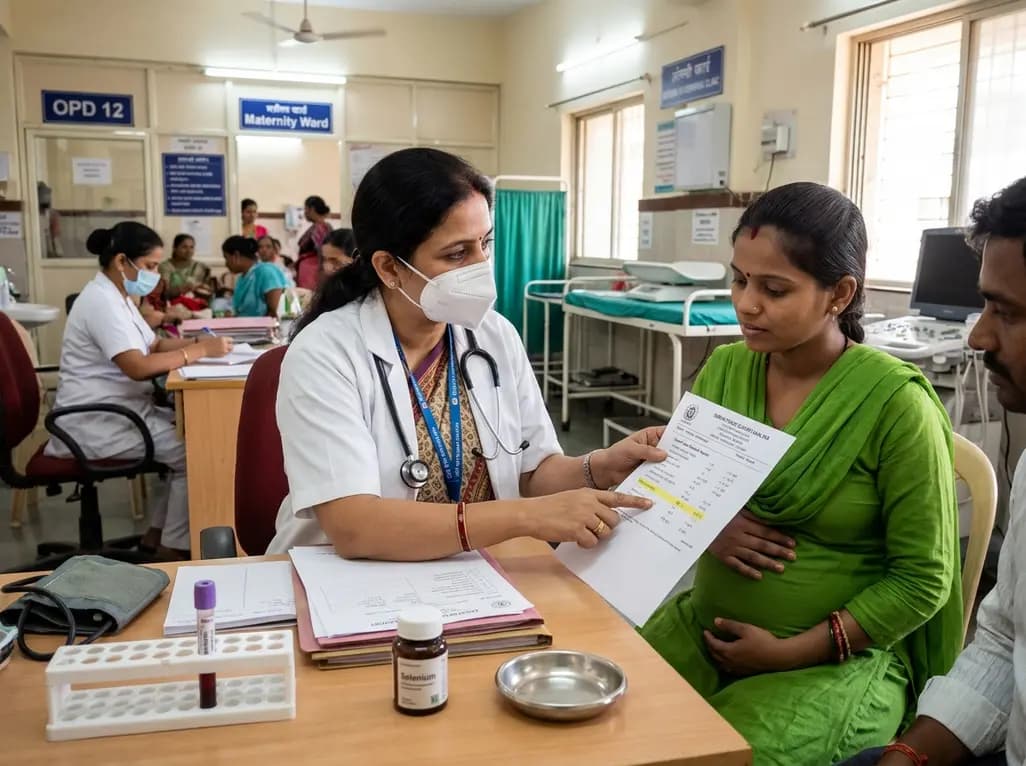
A prospective study reveals significant first-trimester trace-element alterations in pregnant women with epilepsy. Lower serum selenium independently predicted subsequent seizure recurrence despite prior remission, highlighting the vital clinical role of micronutrient profiling during antenatal care.
Today
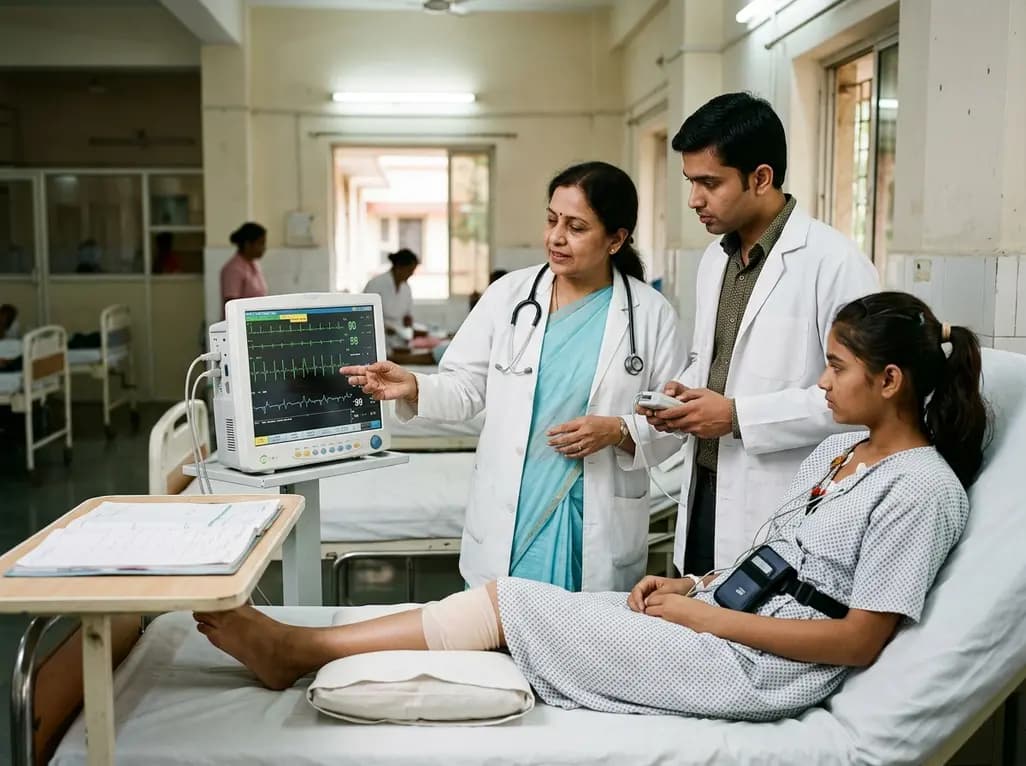
A 15-year-old patient presented with knee arthralgia and acute rheumatic fever, exhibiting complex arrhythmias including AV blocks and non-sustained ventricular tachycardia despite lacking severe valvulitis. This highlights the importance of extended Holter monitoring in pediatric rheumatic carditis.
Today
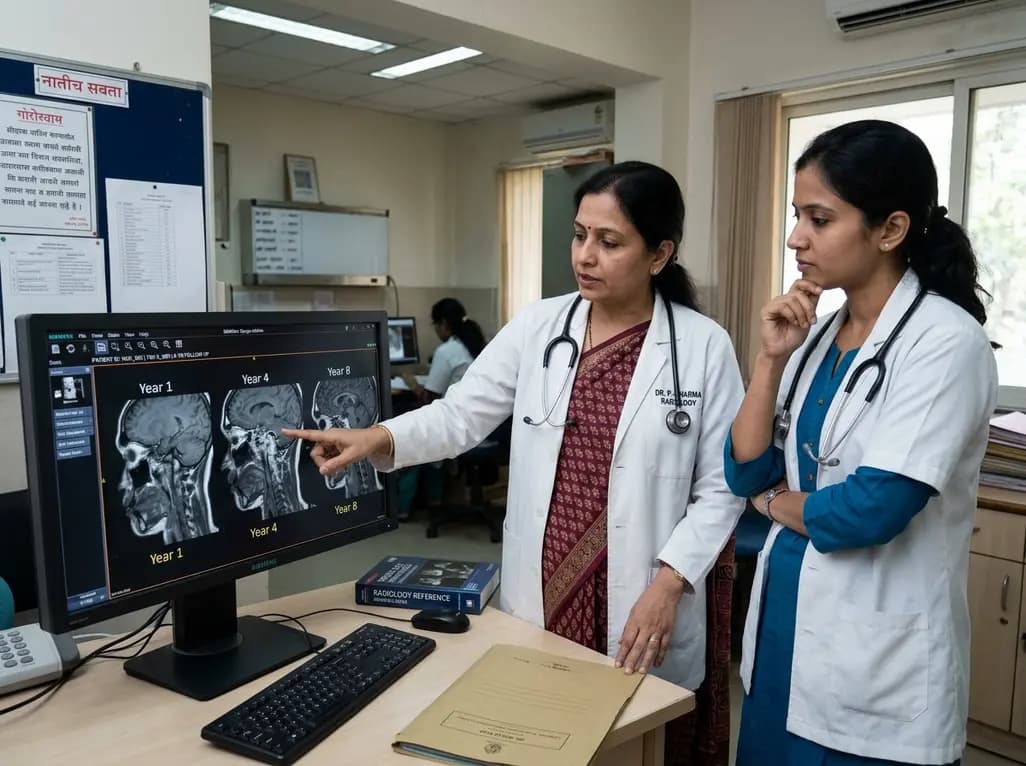
An eight-year longitudinal imaging follow-up reveals severe temporomandibular joint remodeling in nodulosis-arthropathy-osteolysis (NAO) syndrome. Despite extensive osseous destruction, the patient maintained functional jaw opening without TMJ interventions, highlighting the role of conservative management.
Today
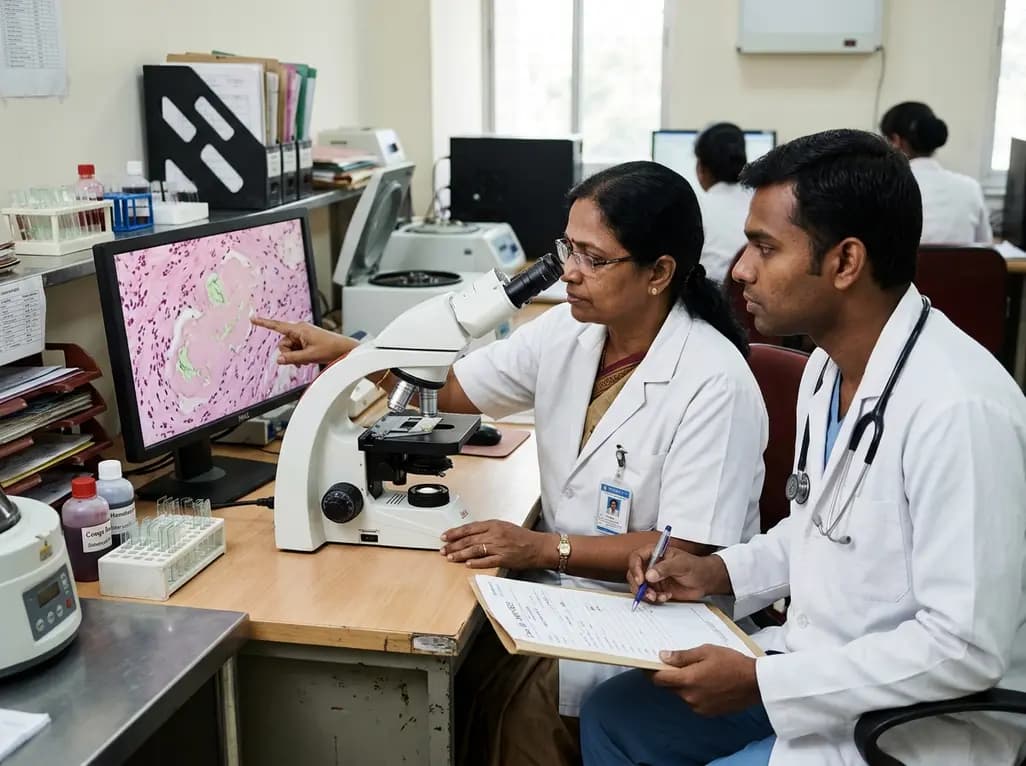
Discover essential clinical insights into AGLP1-type amyloidosis, a rare localized complication of glucagon-like peptide-1 analog injections. Learn how histopathology and mass spectrometry differentiate benign iatrogenic amyloidomas from systemic disease, preventing misdiagnosis and unwarranted therapies.
Today
