.webp&w=384&q=75)

Loading, please wait...
Loading, please wait...

Bowel dysfunction represents a pervasive yet frequently underestimated clinical challenge during gestation. Functional constipation in pregnancy affects a substantial proportion of expectant mothers, creating noticeable physical discomfort and significantly diminishing maternal quality of life. Elevated circulating progesterone relaxes intestinal smooth muscle, which markedly slows gastrointestinal transit time. Additionally, expanding uterine volume exerts mechanical compression on the rectosigmoid junction, further delaying fecal evacuation. Routine prenatal iron supplementation frequently compounds these physiologic changes by altering luminal fluid dynamics. Consequently, clinicians must recognize that constipation during gestation stems from a complex interplay of hormonal shifts, mechanical constraints, and necessary therapeutic interventions. Understanding these underlying mechanisms allows obstetricians and primary care physicians to deliver proactive, empathetic care rather than treating symptoms as minor, unavoidable inconveniences.
Recent epidemiological investigations underscore that functional constipation in pregnancy is especially prominent during the earliest stages of gestation. Clinical data demonstrate that maternal symptom burden often peaks during the first trimester, challenging the traditional assumption that mechanical pressure in late pregnancy serves as the primary driver. Therefore, early identification and structured assessment are essential to prevent severe complications, such as hemorrhoidal thrombosis and anal fissures.
A recent cross-sectional clinical study evaluated 381 healthy pregnant women to investigate the exact prevalence and determinants of functional constipation across distinct trimesters. The investigators utilized the standardized Rome IV diagnostic criteria to identify functional bowel disorders accurately. Furthermore, the researchers employed validated tools, including the International Physical Activity Questionnaire and the Food Frequency Questionnaire, to record maternal lifestyle factors. Multivariable Generalized Estimating Equations analysis enabled precise risk adjustment across the cohort.
The study revealed an overall constipation prevalence of 37% throughout pregnancy. Remarkably, the first trimester exhibited the highest burden, with 56% of women meeting the diagnostic criteria for functional constipation. In contrast, the prevalence decreased to 36% during the second trimester and further declined to 29% in the third trimester. Multivariable analysis demonstrated that higher dietary fibre intake conferred significant protection against bowel dysfunction, yielding an adjusted odds ratio of 0.88. Similarly, adequate physical activity demonstrated a measurable protective effect against intestinal stagnation. These findings provide compelling evidence that lifestyle habits profoundly influence digestive physiology throughout gestation. Thus, systematic dietary and lifestyle evaluations should form an integral part of routine antenatal examinations.
The pronounced surge of constipation during early gestation highlights the powerful influence of endocrine regulation on gastrointestinal motility. In early pregnancy, luteal and placental production of progesterone surges rapidly. Progesterone inhibits motilin release and suppresses smooth muscle contractility throughout the colon, causing prolonged transit times and increased colonic water absorption. Consequently, stools become harder and more difficult to evacuate. Furthermore, early pregnancy is frequently accompanied by nausea, hyperemesis, and altered food preferences, which can severely compromise fluid intake and fiber consumption.
As pregnancy advances into the second and third trimesters, maternal physiology partially adapts to circulating hormones, although mechanical factors begin to predominate. The gravid uterus gradually compresses the colon and pelvic floor structures, altering the anorectal angle and increasing intra-abdominal pressure. Additionally, standard prenatal protocols mandate iron supplementation during the second and third trimesters, which can cause direct mucosal irritation and impair propulsive peristalsis. However, the study findings demonstrate that despite increasing mechanical obstruction, dietary adaptation and lifestyle adjustments can mitigate symptom severity later in pregnancy. Therefore, targeted early interventions may provide the greatest clinical benefit for expectant mothers.
Dietary modification serves as the cornerstone of first-line management for functional bowel disturbances in expectant mothers. Increasing insoluble and soluble dietary fiber intake enhances fecal bulk, accelerates colonic transit, and stimulates peristaltic contractions. Insoluble fiber from whole grains, legumes, and vegetable stalks retains water within the stool matrix, which creates softer and bulkier stools. Simultaneously, soluble fiber found in oats, psyllium husk, and fruits undergoes bacterial fermentation in the colon, producing short-chain fatty acids that improve gut barrier function and stimulate colonic motility.
To achieve optimal therapeutic outcomes, clinicians should advise pregnant women to achieve a daily fiber intake of 25 to 30 grams. However, patients must increase fiber intake gradually alongside adequate fluid consumption to prevent abdominal distension and flatulence. Expectant mothers require at least 2.5 to 3 liters of water daily to support expanded plasma volume and facilitate fiber swelling. In Indian clinical practice, incorporating traditional fiber-rich foods such as whole pulses, green leafy vegetables, flaxseeds, and unpolished millets provides an accessible, culturally tailored nutritional strategy. When dietary modifications alone prove insufficient, clinicians can safely recommend bulk-forming laxatives, such as Ispaghula husk, as a safe second-line therapeutic option.
Regular physical exercise functions as an essential, non-pharmacological strategy for maintaining healthy bowel function throughout pregnancy. Physical movement stimulates abdominal wall musculature and activates the parasympathetic nervous system, which promotes intestinal peristalsis and shortens transit time. Furthermore, regular aerobic activity reduces colonic transit delays by enhancing splanchnic blood flow and improving overall metabolic efficiency. Sedentary behavior, conversely, fosters intestinal sluggishness and exacerbates hormonal and mechanical constipation.
Clinical guidelines encourage pregnant women without obstetric contraindications to participate in at least 150 minutes of moderate-intensity exercise weekly. Clinicians should recommend safe, low-impact activities, such as brisk walking, prenatal yoga, and supervised pelvic floor exercises. Regular walking is particularly effective because it stimulates core musculature without subjecting maternal joints to excessive strain. Additionally, tailored pelvic floor muscle training strengthens the puborectalis and external anal sphincter, promoting coordinated defecation dynamics. Healthcare providers should assess maternal activity levels at each antenatal visit and offer individualized guidance. Emphasizing regular physical activity not only alleviates gastrointestinal symptoms but also enhances maternal cardiovascular fitness and emotional wellbeing.
Effective clinical management of gestational constipation requires a structured, multi-tiered approach initiated at the earliest prenatal visit. Obstetricians and primary care physicians should routinely screen for bowel regularity using clear diagnostic criteria rather than waiting for patients to report symptoms voluntarily. During initial consultations, practitioners should conduct a thorough dietary recall and evaluate daily physical activity levels. Early patient education regarding high-fiber meal planning, adequate fluid intake, and consistent physical movement empowers expectant mothers to take preventive action before severe constipation develops.
When lifestyle modifications do not provide sufficient relief, clinicians must carefully select evidence-based, safe pharmacological therapies. Bulk-forming agents, such as psyllium, represent the preferred first-line pharmacological option due to their minimal systemic absorption. If necessary, osmotic laxatives like lactulose or polyethylene glycol provide effective and safe second-line therapy. Clinicians should generally avoid stimulant laxatives and mineral oil during pregnancy due to potential risks of uterine cramping and fat-soluble vitamin malabsorption. Furthermore, reviewing the dosage and formulation of routine iron supplements can help alleviate severe symptoms without compromising maternal hemoglobin targets. Coordinated multidisciplinary care ensures optimal maternal comfort and healthy pregnancy outcomes.
Functional constipation peaks during the first trimester primarily because luteal and placental progesterone levels surge dramatically. This hormonal surge relaxes gastrointestinal smooth muscle, significantly delaying colonic transit. Additionally, early pregnancy symptoms such as morning sickness, nausea, and food aversions frequently reduce maternal fluid and dietary fiber intake. These combined endocrine and nutritional shifts lead to harder stools and lower defecation frequency well before significant mechanical compression occurs from the growing gravid uterus.
Pregnant women should aim for 25 to 30 grams of dietary fiber daily by consuming whole grains, legumes, vegetables, and fresh fruits. Clinicians recommend combining soluble and insoluble fiber to optimize stool consistency and colonic transit. Furthermore, patients must drink 2.5 to 3 liters of water daily to enable fiber hydration. Traditional options like ispaghula husk or soaked chia seeds provide gentle, effective bulk without causing significant systemic absorption or adverse maternal side effects.
When lifestyle and dietary changes prove inadequate, bulk-forming laxatives such as psyllium husk remain the safest first-line pharmacological choice. If symptoms persist, osmotic laxatives, including lactulose and polyethylene glycol, are considered safe second-line agents because maternal systemic absorption is negligible. However, clinicians should avoid stimulant laxatives and castor oil during pregnancy, as they may trigger uterine contractions, electrolyte disturbances, or abdominal cramping. Always consult clinical guidelines prior to initiating laxative therapy.
Disclaimer: This content is for informational and educational purposes only. It is not intended to provide medical advice or to be a substitute for professional medical care, diagnosis, or treatment. Always seek the advice of a qualified healthcare professional with any questions you may have regarding a medical condition or treatment. The author and publisher are not liable for any damages or losses arising from the use or misuse of the information contained herein. Refer to the latest local and national guidelines for clinical practice.
References
Valizadeh R et al. Functional constipation in pregnancy and its association with dietary intake and physical activity: a cross-sectional study. J Obstet Gynaecol. 2026 Dec undefined. doi: 10.1080/01443615.2026.2727541. PMID: 42680692.
Trottier M, Erebara A, Bozzo P. Treating constipation during pregnancy. Can Fam Physician. 2012;58(8):836-838.
Cullen G, O'Donoghue D. Constipation and pregnancy. Best Pract Res Clin Gastroenterol. 2007;21(5):807-818.

Read summarized clinical updates, watch expert medical content, and earn CME certifications right from your smartphone.
Open your smartphone camera to scan and install.





A recent clinical study reveals that functional constipation affects 37% of pregnant women, peaking in the first trimester. Higher dietary fiber and regular physical activity significantly reduce risk, highlighting the vital role of early lifestyle and nutritional interventions in antenatal care.
4 weeks back

A Bayesian multilevel meta-analysis reveals that aerobic training combined with moderate carbohydrate restriction modestly lowers HbA1c in type 2 diabetes. However, sparse data and very low certainty leave incremental benefits over exercise or diet alone unproven, highlighting the need for individualized care.
Today

Findings from Project Viva indicate that sustained postpartum weight retention, rather than excessive gestational weight gain alone, directly worsens women's mid-life cardiovascular health, degrading blood pressure and glycemic parameters decades after delivery.
Today
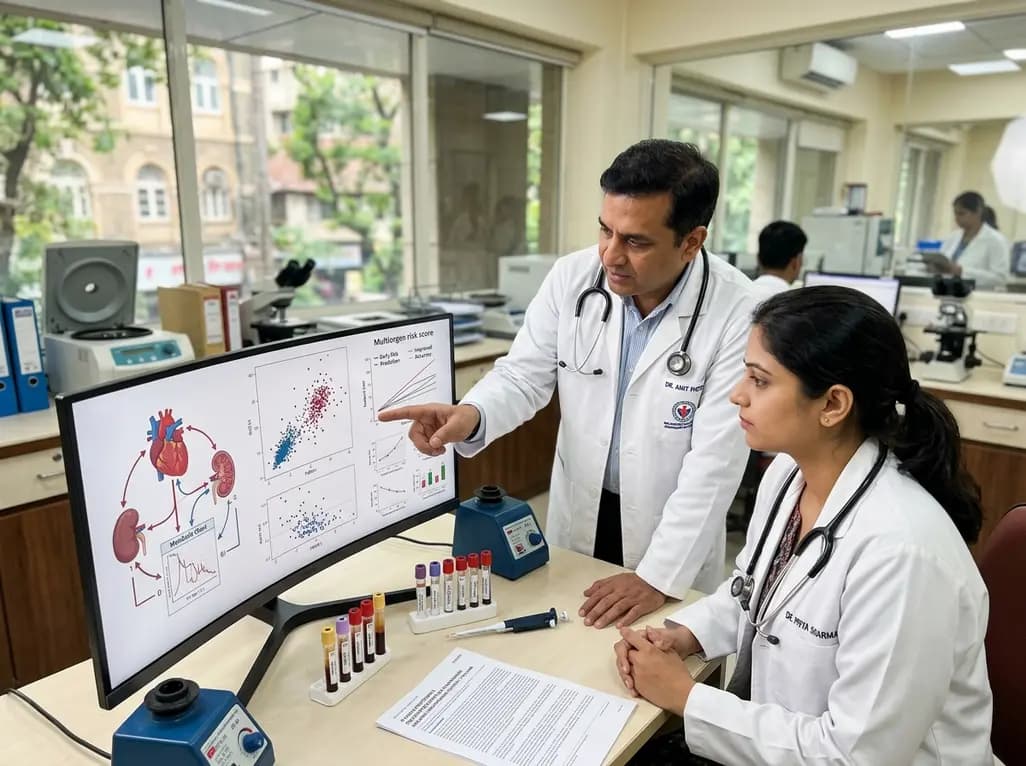
A large UK Biobank study reveals that plasma proteomic signatures capture preclinical organ damage and improve multiorgan risk prediction across early CKM syndrome stages 0 to 2 beyond traditional PREVENT clinical models.
Today

A retrospective CBCT study reveals that superior TMJ space asymmetry correlates moderately with occipital condyle-atlas-axis asymmetry in unilateral TMJ osteoarthritis, highlighting an imaging correlate between jaw biomechanics and upper cervical alignment rather than a standalone diagnostic marker.
Today

A cross-sectional investigation highlights the complex pathophysiological links between serum Klotho deficiency, secondary hyperaldosteronism, and vascular damage in CKD. Discover key insights into non-invasive vascular stiffness markers and targeted therapeutic pathways for cardiorenal protection.
Today
