.webp&w=384&q=75)

Loading, please wait...
Loading, please wait...
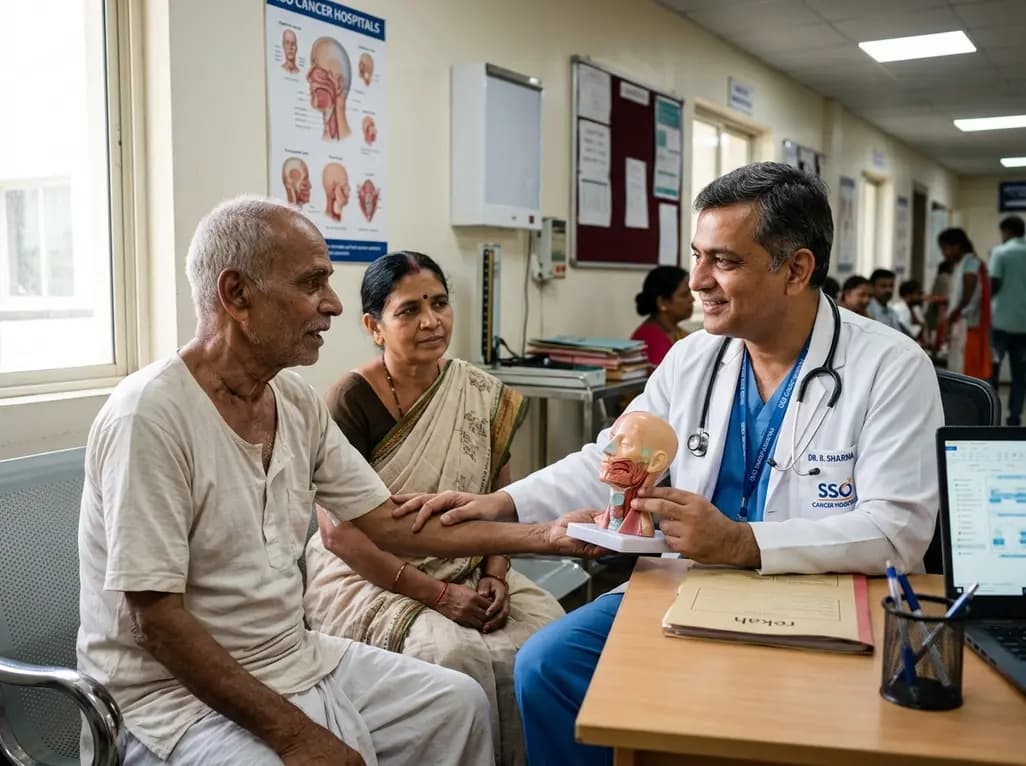
Head and neck cancer remains one of the most pressing public health challenges across India today. Malignancies affecting the oral cavity, larynx, pharynx, thyroid, and salivary glands place a heavy burden on national healthcare infrastructure. In response to this crisis, SSO Cancer Hospitals in Mumbai launched a dedicated centre of excellence. This centre provides completely free treatment to patients living below the poverty line. Consequently, this initiative bridges critical gaps in oncological access. It offers advanced surgical interventions, reconstructive procedures, and structured rehabilitative services to underserved populations.
The epidemiological scale of oncological diseases within the country continues to expand rapidly. According to recent GLOBOCAN analyses, India recorded 143,759 new lip and oral cavity cancer cases in a single year. Furthermore, these malignancies caused 79,979 documented deaths during the same period. These figures highlight an escalating clinical crisis that disproportionately affects vulnerable communities. In addition, head and neck malignancies account for nearly one-third of all male cancer diagnoses across South Asia. Most patients present at advanced stages, including locally advanced T3 or T4 primary lesions. Consequently, late presentation complicates definitive surgical resection and significantly reduces long-term overall survival rates. Delayed diagnosis frequently occurs because of limited health literacy, rural isolation, and economic hardship. Therefore, specialized oncological centres must step forward to deliver accessible, high-volume surgical expertise. Early clinical detection and community screening programs remain vital to reducing cancer mortality. Clinicians across primary care networks must maintain a high index of suspicion. Specifically, they must evaluate non-healing mucosal ulcers, unexplained dysphagia, and persistent cervical lymphadenopathy promptly. Moreover, timely referral pathways ensure that complex cases receive expert multidisciplinary evaluation before disease progression prevents curative interventions.
Socio-cultural habits strongly influence the high incidence of aerodigestive tract malignancies across India. Tobacco and areca nut consumption account for approximately 70% to 80% of all oral cancer cases nationwide. Chewing products such as gutka, khaini, and betel quid cause severe mucosal alterations. Furthermore, the combination of slaked lime and areca nut generates reactive oxygen species in the saliva. These toxic compounds cause chronic inflammation, cellular DNA damage, and progressive oral submucous fibrosis. Consequently, malignant transformation occurs frequently in habitual chewers over several decades. Additionally, concurrent alcohol consumption exerts a synergistic carcinogenic effect on upper aerodigestive mucosal surfaces. Smokeless tobacco use is especially prevalent among agricultural workers and low-income demographics. Therefore, public health strategies must integrate rigorous tobacco cessation counseling with regular clinical screening. Clinicians must actively educate high-risk individuals regarding the carcinogenic dangers of areca nut derivatives. Moreover, identifying premalignant mucosal conditions such as leukoplakia, erythroplakia, and oral submucous fibrosis allows early curative intervention. Ultimately, eliminating commercial tobacco and gutka distribution remains essential to reducing the national cancer burden. Thus, clinical providers must combine primary prevention with proactive oral cavity evaluations.
Modern oncological care requires seamless collaboration among diverse medical specialties. Complex tumours involving the oral cavity, larynx, skull base, and thyroid demand collective decision-making. Therefore, multidisciplinary tumour boards play a central role in designing tailored therapeutic protocols. Surgical oncologists, radiation oncologists, and medical oncologists collaborate to evaluate tumor resectability and disease staging. In addition, radiologists and pathologists provide vital diagnostic insights regarding depth of invasion, perineural spread, and nodal involvement. Complex cases also require input from allied healthcare specialists from the very beginning. Speech therapists, clinical dietitians, and swallowing specialists evaluate functional baselines prior to radical interventions. Furthermore, early nutritional support prevents severe postoperative cachexia and enhances tissue recovery. Psychologists and medical social workers address patient anxiety, family distress, and treatment compliance. Consequently, comprehensive team-based planning minimizes treatment delays and improves therapeutic precision. Evidence clearly demonstrates that multidisciplinary care reduces surgical complications and optimizes organ-preservation rates. Thus, structured tumour boards represent the indispensable foundation for modern aerodigestive oncology. Moreover, this coordinated approach ensures that each patient receives personalized care that balances oncological cure with optimal functional preservation.
Surgical management of upper aerodigestive malignancies has advanced beyond mere tumor ablation. Today, preserving functional capacity and cosmetic appearance is equally essential for long-term patient recovery. Tumors affecting the tongue, mandible, or larynx severely compromise speech, deglutition, mastication, and airway protection. Consequently, surgical teams utilize sophisticated organ-preserving techniques, transoral robotic surgery, and minimally invasive approaches whenever clinically feasible. When extensive composite resections are mandatory, immediate microvascular free-tissue transfer offers remarkable reconstructive options. For instance, vascularized free fibula flaps allow precise anatomical restoration of mandibular continuity. This technique facilitates future osseointegrated dental implant placement and restores facial symmetry. Similarly, anterolateral thigh and radial forearm flaps reconstruct complex mucosal defects of the tongue and pharynx. Furthermore, advanced virtual surgical planning and 3D cutting guides enhance structural accuracy during bony reconstruction. Postoperatively, dedicated swallowing and speech pathologists initiate intensive rehabilitative therapy. This early functional retraining helps patients regain effective swallowing mechanics and clear speech. Ultimately, contemporary reconstructive surgery preserves dignity and dramatically improves quality of life. Moreover, integrating advanced reconstructive methods minimizes long-term tracheostomy or gastrostomy dependence among survivors.
Economic disparity remains one of the largest obstacles to cancer care in developing nations. Radical cancer surgery, prolonged intensive care monitoring, microvascular reconstruction, and adjuvant chemoradiation generate substantial out-of-pocket expenditures. Consequently, many underprivileged families face catastrophic financial toxicity or abandon curative treatment altogether. The initiative by SSO Cancer Hospitals to provide free treatment for below-poverty-line patients directly addresses this critical socioeconomic divide. By eliminating treatment costs, the program enables impoverished individuals to access world-class surgical oncology and specialized reconstructive procedures. Furthermore, high-volume surgical expertise ensures low complication rates and excellent clinical outcomes for complex cases. In addition to surgical interventions, comprehensive charitable programs provide essential adjuvant therapies, specialized nutritional formulas, and ongoing rehabilitation. Such philanthropic models demonstrate how tertiary healthcare institutions can fulfill profound public health responsibilities. Moreover, subsidized care pathways protect vulnerable families from debt-inducing medical costs while promoting health equity. Therefore, expanding charitable cancer care frameworks across India remains an urgent clinical and social imperative. Clinicians and healthcare leaders must work together to ensure equitable oncological care for all citizens. Ultimately, universal access to high-quality oncological treatment will save thousands of productive lives across the nation.
Q1: Why is oral cancer incidence exceptionally high in the Indian population?
Oral cancer rates in India are among the highest globally primarily due to the widespread cultural consumption of smokeless tobacco, gutka, khaini, and areca nut. These substances contain potent chemical carcinogens and generate reactive oxygen species that damage oral mucosa. Furthermore, poor oral hygiene, dietary deficiencies, and alcohol use exacerbate mucosal injury, leading to high rates of malignant transformation across susceptible demographics.
Q2: What role does microvascular reconstructive surgery play in head and neck cancer?
Microvascular reconstruction restores complex anatomical defects resulting from radical tumour resection. By transferring vascularized tissue flaps, such as the fibula or anterolateral thigh, surgeons rebuild bony structures and soft tissue deficits. Consequently, this advanced surgery restores essential functional capabilities including mastication, deglutition, and articulate speech. Moreover, it preserves facial cosmesis, minimizes postoperative psychological distress, and significantly enhances the patient's long-term quality of life.
Q3: How does a multidisciplinary team improve outcomes for head and neck oncology patients?
A multidisciplinary team brings together surgical, medical, and radiation oncologists alongside pathologists, radiologists, speech pathologists, and clinical dietitians. This collaborative approach ensures accurate staging, personalized treatment selection, and appropriate organ-preservation strategies. Furthermore, integrating early nutritional support and swallowing rehabilitation reduces treatment-related toxicities, prevents postoperative complications, and optimizes both oncological survival and long-term functional recovery for patients with complex head and neck malignancies.
Disclaimer: This content is for informational and educational purposes only. It does not constitute medical advice or replace professional judgment. Refer to the latest local and national guidelines for clinical practice.
References

Read summarized clinical updates, watch expert medical content, and earn CME certifications right from your smartphone.
Open your smartphone camera to scan and install.





SSO Cancer Hospitals has launched a specialised centre offering free head and neck cancer treatment for underprivileged patients. The initiative integrates advanced ablative surgery, microsurgical reconstruction, and comprehensive rehabilitation to combat India's heavy oral cancer burden.
last month

A systematic review of 41 preclinical studies reveals that baicalin dampens systemic inflammation, inhibits NF-κB and NLRP3 pathways, and improves organ preservation in sepsis models. However, substantial study heterogeneity and a complete lack of human clinical trials highlight the need for further translational research.
Today
Discover the crucial distinctions between mesonephric and mesonephric-like proliferations of the female genital tract. Learn the key histomorphologic, immunohistochemical, and molecular differences essential for accurate diagnosis and clinical management.
Today
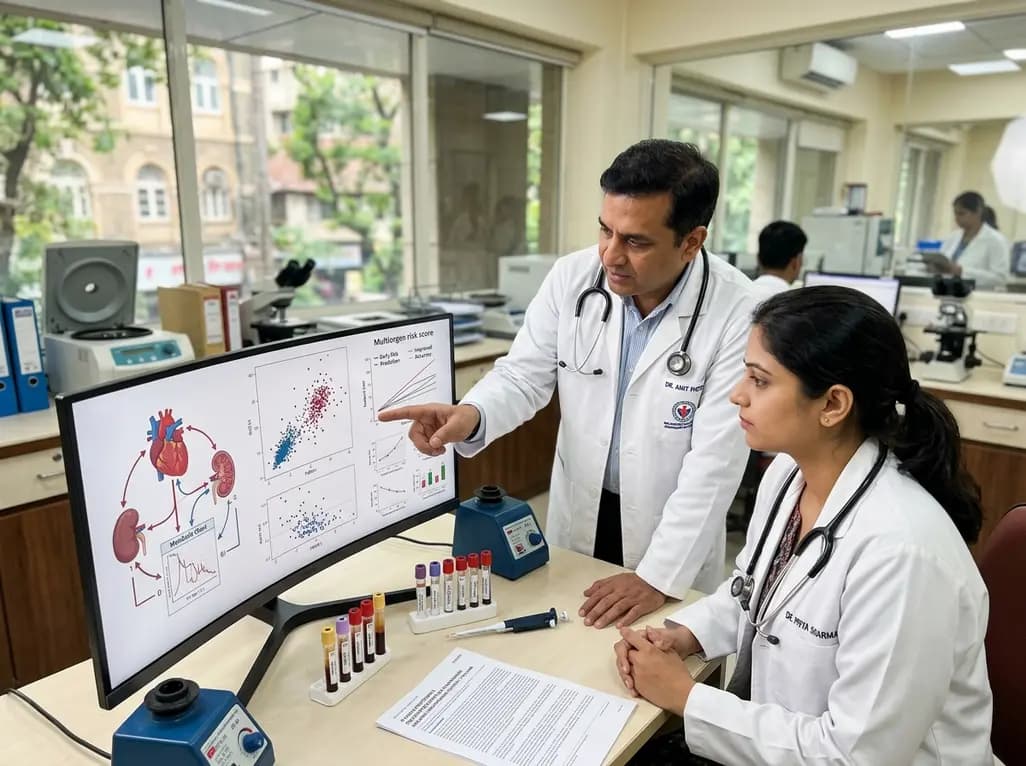
A large UK Biobank study reveals that plasma proteomic signatures capture preclinical organ damage and improve multiorgan risk prediction across early CKM syndrome stages 0 to 2 beyond traditional PREVENT clinical models.
Today
A narrative review investigates whether the articularis genus muscle functions as an independent anatomical entity or blends with the vastus intermedius. We evaluate its morphology, role in retracting the suprapatellar bursa, and direct clinical significance in anterior knee pain and arthroplasty.
Today

A Bayesian multilevel meta-analysis reveals that aerobic training combined with moderate carbohydrate restriction modestly lowers HbA1c in type 2 diabetes. However, sparse data and very low certainty leave incremental benefits over exercise or diet alone unproven, highlighting the need for individualized care.
Today
