.webp&w=384&q=75)

Loading, please wait...
Loading, please wait...

The therapeutic potential of fractionated high-dose vitamin C has recently moved to the forefront of clinical research in advanced oncology. For decades, the use of ascorbic acid as a cancer treatment was met with significant skepticism due to inconsistent clinical trial outcomes. However, modern pharmacological insights suggest that these early failures were largely a product of suboptimal dosing strategies rather than a lack of biological activity. Standard intravenous vitamin C protocols historically relied on once-daily bolus infusions, which create high peak concentrations but fail to sustain therapeutic levels over time. Consequently, researchers have shifted their focus toward maintaining constant systemic exposure through fractionation. This approach aims to keep plasma concentrations within the pro-oxidant window, which is vital for inducing selective toxicity in malignant cells. By dividing the total daily dose, the treatment can theoretically provide a more consistent oxidative challenge to tumor tissues while maintaining a high safety margin for healthy cells. This phase I clinical study specifically investigates this novel dosing schedule in patients with advanced solid tumors, offering a new pharmacokinetic roadmap for integrating high-dose vitamin C into standard oncological care. These findings mark a crucial step toward refining antioxidant-based therapies into effective pro-oxidant clinical tools.
One of the primary hurdles in utilizing high-dose vitamin C as an effective anti-tumor agent is its incredibly short biological half-life, which is approximately two hours. When a clinician administers a large once-daily dose, the plasma concentration rises rapidly to millimolar levels but then plummets below the therapeutic threshold for the majority of the day. This result creates a pharmacokinetic profile characterized by brief peaks and long valleys, which may be insufficient to trigger the necessary pro-oxidant mechanisms for tumor cell death. Furthermore, recent data suggest that vitamin C exhibits a saturation effect where single doses above a certain point do not continue to increase the peak concentration proportionally. This plateau usually occurs at approximately 70 g/m² or roughly 1.0 g/kg in most patients. Therefore, simply increasing the size of a once-daily dose is not an effective way to improve systemic exposure. Instead, the focus must shift toward increasing the frequency of administration. By utilizing a fractionated schedule, clinicians can effectively bridge the gaps between infusions. This strategy prevents the plasma concentration from dropping to baseline during the dosing interval, thereby maximizing the total time that the tumor is exposed to active pharmacological levels of the drug.
In this phase I clinical trial, eighteen patients suffering from various advanced solid tumors were enrolled to evaluate the effects of different dosing regimens. The researchers assigned these participants to three distinct groups to determine how frequency affects plasma trough levels. Group A served as the control, receiving 0.5 g/kg once daily, which totaled a daily dose of 0.5 g/kg. Group B received a divided dose of 0.5 g/kg every twelve hours, bringing the total daily administration to 1.0 g/kg. Group C received an even higher dose of 0.75 g/kg every twelve hours, resulting in a total daily dose of 1.5 g/kg. Throughout the seven-day study, the clinical team meticulously measured trough concentrations to assess the cumulative pharmacological impact. Specifically, the trial was designed to identify the point where increasing the dose no longer provided a therapeutic advantage. By focusing on patients with advanced solid tumors, the study ensured that the data reflected the physiological challenges present in late-stage cancer patients. This rigorous cohort design allowed for a clear comparison between standard once-daily dosing and the proposed fractionated approach. Such comparisons are essential for establishing the most efficient and cost-effective treatment protocols for future larger-scale investigations into cancer metabolism and therapy.
The results regarding plasma trough concentrations provided definitive evidence in favor of the fractionated approach. Group B, which followed the every-twelve-hour schedule, maintained significantly higher trough levels throughout the study compared to Group A. This finding confirms that the second daily dose effectively prevents the concentration from falling to sub-therapeutic levels during the night. Interestingly, the data from Group C showed that increasing the total daily dose to 1.5 g/kg did not yield significantly higher trough concentrations than those seen in Group B. This lack of additional benefit further supports the existence of a pharmacokinetic plateau in vitamin C absorption and distribution. Specifically, the findings suggest that a single dose of 0.5 g/kg (or a total daily dose of 1.0 g/kg) represents the biological limit for effective plasma maintenance. Consequently, the researchers identified the 1.0 g/kg daily dose, split into two administrations, as the optimized regimen for future clinical use. This optimization is critical because it prevents the unnecessary administration of excess drug while ensuring the patient receives the maximum possible therapeutic benefit. Furthermore, the statistical significance of these trough differences provides a rational basis for expecting enhanced pro-oxidant activity in tumors exposed to this sustained dosing schedule, laying the groundwork for efficacy-focused phase II trials.
In addition to the pharmacokinetic data, the study thoroughly examined the safety and tolerability of fractionated high-dose vitamin C. Despite the substantial increase in total daily dosage for Groups B and C, the participants tolerated the regimens exceptionally well. Only one patient across all cohorts reported mild nausea, which represents a low adverse event rate of just 5.6%. Importantly, there were no serious adverse events, renal complications, or significant electrolyte disturbances recorded during the seven-day period. This high level of safety is a major advantage, as many advanced cancer patients are already burdened by the toxic side effects of chemotherapy and radiation. Furthermore, the feasibility of administering these infusions via central venous catheters indicates that the protocol can be easily integrated into existing hospital settings. The favorable tolerability profile suggests that clinicians can safely double the daily dose of vitamin C, provided it is fractionated, without compromising the patient's well-being. This balance between safety and pharmacological efficiency makes the 1.0 g/kg fractionated regimen a promising candidate for adjunctive cancer therapy. Ultimately, these clinical implications offer a path forward for oncologists seeking to utilize high-dose ascorbic acid as a safe, low-toxicity metabolic modulator in the treatment of advanced solid malignancies.
Vitamin C has a very short half-life of about two hours, meaning once-daily dosing leaves plasma levels too low for most of the day. Fractionated dosing, specifically every twelve hours, helps maintain higher trough concentrations. This ensures that the plasma levels stay within a therapeutic range for a longer duration, providing the continuous pro-oxidant pressure necessary to potentially inhibit tumor growth and disrupt cancer cell metabolism effectively.
The phase I study demonstrated that fractionated high-dose vitamin C is remarkably well tolerated by patients with advanced cancer. Only a single case of mild nausea was reported among the eighteen participants, which is a very low frequency. There were no serious adverse events or significant metabolic disturbances recorded. This safety profile makes it a viable option for patients who cannot tolerate the high toxicity of standard chemotherapeutic agents.
Based on the study findings, the recommended optimized regimen is a total daily dose of 1.0 g/kg, administered as 0.5 g/kg every twelve hours. Increasing the dose further to 1.5 g/kg did not result in higher trough concentrations due to a pharmacokinetic plateau. Therefore, the 1.0 g/kg fractionated dose provides the most efficient balance between achieving maximum sustained plasma levels and avoiding the administration of excess, unnecessary medication.
Disclaimer: This content is for informational and educational purposes only and does not constitute medical advice. Always seek the advice of a physician or other qualified health provider with any questions regarding a medical condition. Refer to the latest local and national guidelines for clinical practice.
References
Yin Q et al. Fractionated high-dose vitamin c sustains higher plasma trough concentrations in advanced solid tumors: a phase I clinical study. Transl Oncol. 2026 Jun 30. doi: undefined. PMID: 42378816.
Wang Y et al. Phase I pharmacokinetic study of high-dose vitamin C dosing regimens in patients with advanced hepatobiliary-pancreatic cancers. ASCO Publications. 2026 May 27. doi: 10.1200/JCO.2026.44.15_suppl.e16135.
Hoffer LJ et al. Phase I clinical trial to evaluate the safety, tolerability, and pharmacokinetics of high-dose intravenous ascorbic acid in patients with advanced cancer. Ann Oncol. 2008;19(11):1969-1974. doi: 10.1093/annonc/mdn377.
"
Read summarized clinical updates, watch expert medical content, and earn CME certifications right from your smartphone.
Open your smartphone camera to scan and install.





A phase I clinical study reveals that fractionated dosing of high-dose vitamin C (0.5 g/kg every 12 hours) significantly maintains higher plasma trough concentrations compared to once-daily dosing. This optimized regimen offers a rational pharmacokinetic basis for future oncology trials.
3 months ago
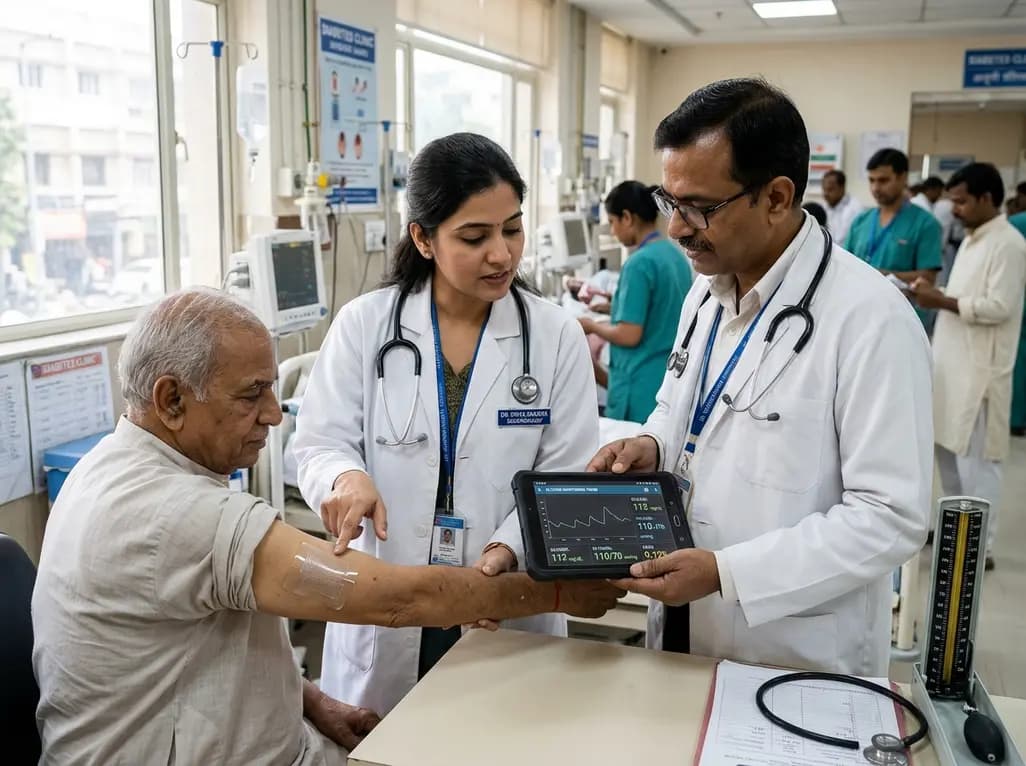
A breakthrough ultrathin multimodal sensor decouples physical hemodynamic monitoring from disposable electrochemical calibration, achieving long-term wearable glucose prediction with 81.36% accuracy and a 9.12% MARD. This offers a robust, drift-free solution for outpatient metabolic surveillance.
Today

Demanding exhaustive hormonal profiling can inadvertently discourage clinical studies involving females. Methodological standards must align with the specific scientific question to expand, not restrict, equitable evidence for women.
Today

Co-administering antiseizure medications and DOACs frequently causes pharmacokinetic interactions, subtherapeutic drug levels, and thromboembolic failures. This review highlights enzyme induction risks, unpredictable outcomes with levetiracetam, and the vital role of therapeutic drug monitoring.
Today

A comparative review of tension band wiring and intramedullary screw fixation in thumb metacarpophalangeal arthrodesis, evaluating union rates, hardware complications, and clinical outcomes.
Today
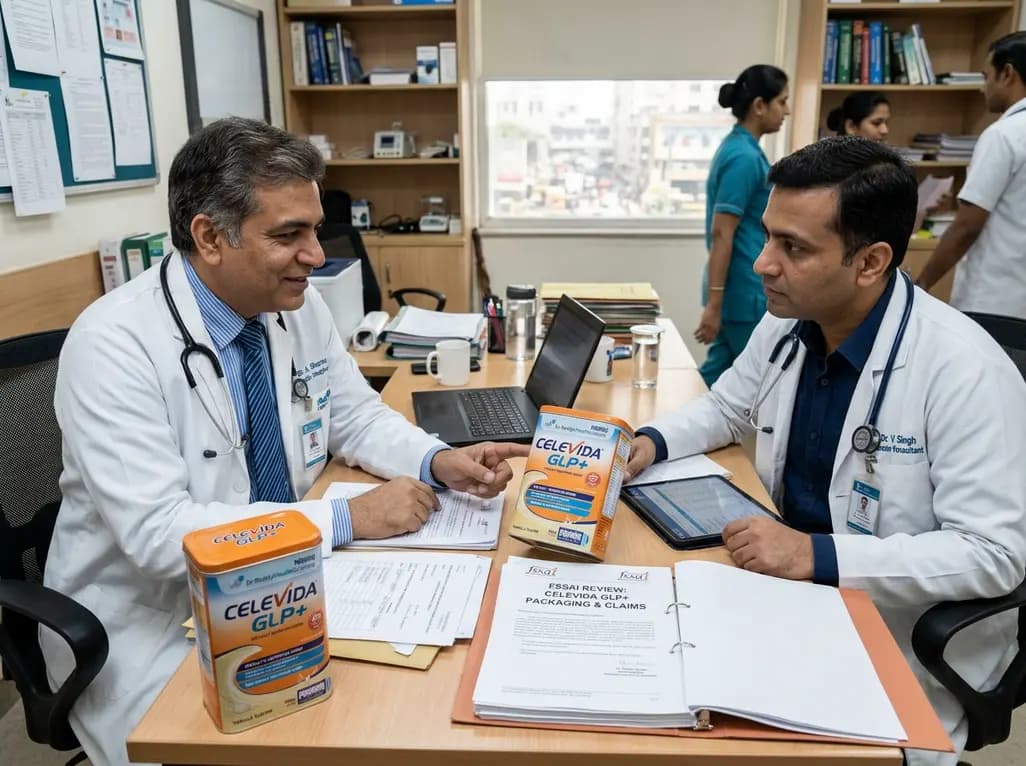
Following regulatory scrutiny from FSSAI regarding promotional representations and lean muscle preservation claims, Dr. Reddy's Laboratories and Nestlé Health Science are currently reviewing the branding and marketing strategy for their joint nutritional supplement Celevida GLP+.
Today
