

Loading, please wait...
Loading, please wait...
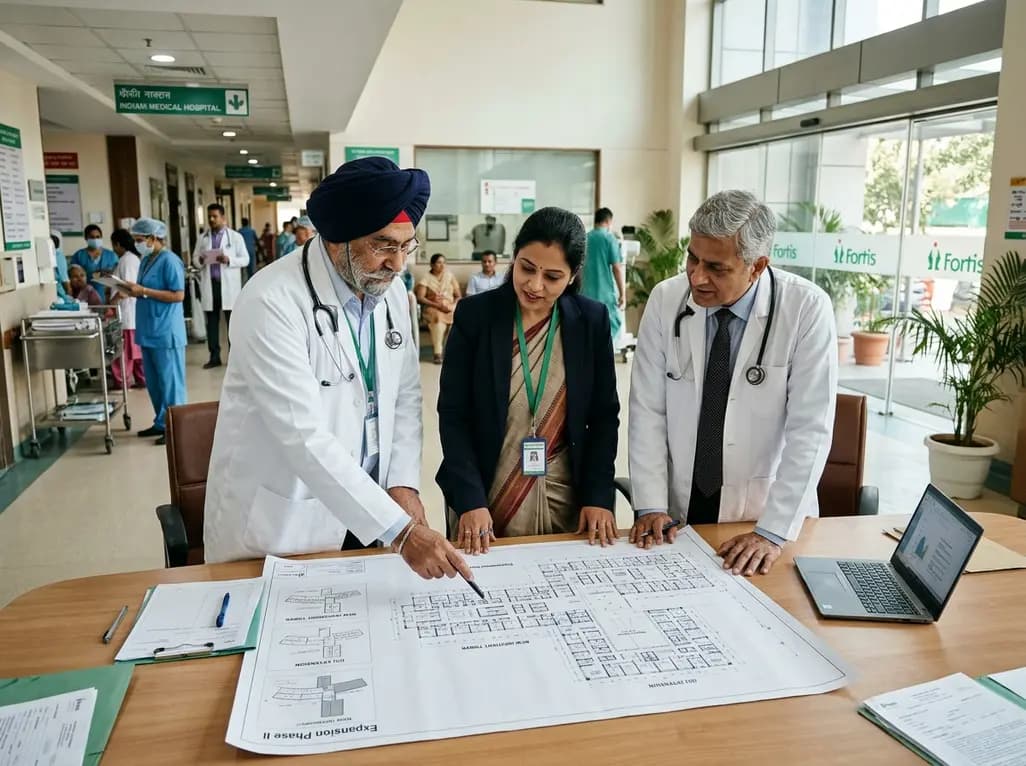
The Fortis forensic audit will not impede IHH Healthcare from expanding its stake, confirmed Managing Director Dr. Ashutosh Raghuvanshi. Speaking during the second-quarter earnings conference, corporate leadership emphasized uninterrupted strategic growth. Furthermore, the Malaysian healthcare major aims to increase its equity shareholding past 50 percent at prevailing valuations. Consequently, this decisive financial signal underscores lasting corporate stability for the major hospital chain. Ultimately, healthcare administrators and clinicians can expect steady operational progress across all network facilities.
The ongoing corporate review stems from long-running legal proceedings between Japanese pharmaceutical firm Daiichi Sankyo and former Fortis promoters. Previously, Daiichi Sankyo secured an international arbitral award exceeding 3,500 crore rupees against the erstwhile promoters. In recent months, the Delhi High Court directed an exhaustive audit to examine historical share transactions. Specifically, the inquiry investigates the alleged dissipation of shares by the former promoters before 2018. However, Fortis Healthcare maintains complete institutional independence from these historical personal liabilities. Therefore, the company petitioned the Supreme Court of India to challenge preliminary adverse observations. In September 2026, the apex court disposed of the special leave petition while allowing the review. Importantly, the Supreme Court clarified that earlier judicial remarks were merely tentative observations. As a result, the independent auditors must evaluate historical asset movements without external judicial prejudice. In addition, management confirms that Fortis was never a judgment debtor in the underlying arbitration. Consequently, hospital leadership views the ongoing investigation as a necessary step toward total transparency. Moreover, full institutional cooperation remains underway with the newly appointed independent audit team. Thus, the hospital network ensures complete compliance with all legal directives.
Hospital administrators have clarified the exact operational boundaries of the inquiry. Managing Director Dr. Ashutosh Raghuvanshi stated that the Fortis forensic audit examines events preceding the current institutional tenure. Specifically, the mandate focuses on whether previous owners diluted pledged shares inappropriately. In contrast, the current controlling investor entered the organization through transparent open-market subscription in 2018. Dr. Raghuvanshi confirmed that extensive legal opinions from multiple expert sources establish clear compliance. Therefore, the pending inquiry creates no legal barrier to future equity expansion by IHH Healthcare. Furthermore, auditors have already submitted formal requisition notices to the corporate office. Fortis has promptly provided all requisite documents to ensure rapid completion of the review. The judicial timeline originally envisioned an audit window spanning approximately six months. Consequently, management expects to resolve this historical chapter in an orderly manner. In addition, no financial penalties or operational restrictions exist against the hospital entity itself. Meanwhile, clinical programs, medical staffing, and patient care activities continue completely unaffected by court procedures. Thus, the hospital chain sustains standard corporate operations across its nationwide healthcare network. Ultimately, clarity regarding historical ownership protects the organization from reputational uncertainty.
Currently, Malaysia-based IHH Healthcare holds an equity stake of 31.17 percent in Fortis. However, the international healthcare group openly plans to elevate its holding above fifty percent. In fact, increasing controlling ownership to 51 percent would inject approximately 10,000 crore rupees over time. Furthermore, this massive capital deployment will directly accelerate hospital infrastructure projects across India. Fortis leadership maintains that current balance sheets already support active brownfield development through internal accruals. Nevertheless, additional foreign direct investment will provide immense financial flexibility for long-term expansion goals. In particular, the hospital group aims to expand total capacity toward 10,000 operational beds by 2031. Consequently, substantial financial resources will fund modern oncology centers, cardiac suites, and advanced robotic surgical suites. Moreover, executive leadership noted that timing and quantum will match capital expenditure cycles. Therefore, Fortis will approach its parent organization whenever substantial fresh investment becomes necessary. Ultimately, this capital influx promises to strengthen private sector tertiary care capacity across tier-one and tier-two cities. Such enduring institutional backing reinforces long-term investor and patient confidence throughout the country.
Despite ongoing legal proceedings involving historical founders, current hospital operations remain fully stable. Specifically, Fortis continues to sign strategic management agreements and expand critical clinical services nationwide. For example, the chain recently formalized agreements to commission a 400-bed superspecialty hospital in Greater Delhi. In addition, the integration between Fortis facilities and Gleneagles hospital networks progresses smoothly. Consequently, clinical departments experience uninterrupted procurement of cutting-edge diagnostic tools and specialized surgical consumables. Furthermore, hospital administrators report healthy financial metrics and robust quarterly revenue gains. Thus, corporate governance barriers have not hindered clinical service delivery or frontline patient access. Medical superintendents emphasize that patient care protocols function entirely independently of courtroom litigation. Moreover, robust clinical governance frameworks protect clinical research initiatives and postgraduate training programs. As a result, medical consultants can rely upon dependable institutional backing for specialized clinical procedures. Hence, the hospital system preserves continuous operational excellence across its nationwide healthcare establishments. Ultimately, strong operational fundamentals shield healthcare workers and patients from legacy legal controversies. Therefore, clinical outcomes and institutional reputation remain thoroughly safeguarded. Additionally, ongoing bed expansions in metropolitan centers continue to address the mounting burden of non-communicable diseases. In fact, timely infrastructure enhancements ensure that intensive care units maintain optimal nurse-to-patient ratios during peak hospital admissions.
For practicing physicians and healthcare professionals, institutional stability forms the foundation of clinical excellence. When tertiary care institutions maintain solid financial backing, clinicians benefit from modernized intensive care units. Furthermore, uninterrupted capital allocation guarantees continuous investment in medical technology and robotic surgical platforms. In contrast, corporate uncertainty often disrupts physician recruitment, specialty fellowship programs, and laboratory accreditations. Therefore, the reassurance provided by Fortis leadership offers significant peace of mind to medical staff. In addition, physicians can anticipate sustained institutional backing for academic publishing and clinical trials. Meanwhile, multidisciplinary medical boards can implement advanced treatment protocols without fear of financial austerity. Consequently, patient safety standards, antimicrobial stewardship programs, and quality accreditations remain well maintained. Moreover, strong ownership structures facilitate valuable international medical exchanges across the broader global hospital network. Thus, clinicians gain access to global clinical pathways and collaborative cross-border specialist panels. Ultimately, resolving historical corporate disputes reinforces professional trust among medical teams and community healthcare consumers. Accordingly, senior consultants can pursue pioneering surgical procedures supported by modern biomedical infrastructure. Hence, enduring corporate resilience translates directly into superior clinical quality and enhanced patient safety.
Q1: Does the forensic audit restrict IHH from raising its Fortis stake?
No legal restrictions prevent IHH Healthcare from expanding its stake in Fortis. Dr. Ashutosh Raghuvanshi confirmed that extensive legal opinions confirm the forensic audit solely examines the historical dissipation of shares by erstwhile promoters before 2018. Furthermore, Fortis was neither a party to the underlying Daiichi Sankyo arbitration nor named as a judgment debtor. Consequently, the independent audit process proceeds separately without restricting fresh foreign capital infusion or equity acquisition.
Q2: How much fresh capital could IHH infuse into Fortis Healthcare?
If IHH Healthcare raises its current shareholding of 31.17 percent to over 50 percent, Fortis will receive approximately 10,000 crore rupees over a phased timeframe. Fortis management indicates that existing hospital expansion plans are adequately funded through internal operational accruals and modest debt. However, this massive additional foreign equity investment will dramatically accelerate long-term capital projects. Specifically, it supports the network's goal of scaling bed capacity to 10,000 beds across India.
Q3: What did the Supreme Court clarify regarding previous High Court observations?
The Supreme Court of India disposed of Fortis Healthcare's petition by ruling that adverse observations previously made by the Delhi High Court were purely tentative. In addition, the apex court ordered that the forensic audit must be conducted completely independently, without being biased by those preliminary remarks. Consequently, the auditors will impartially evaluate historical share dilution. Fortis leadership has welcomed this independent audit to definitively clear the hospital company's corporate name and legacy.
Disclaimer: This content is for informational and educational purposes only. It does not constitute medical advice or replace professional judgment. Refer to the latest local and national guidelines for clinical practice.
References

Read summarized clinical updates, watch expert medical content, and earn CME certifications right from your smartphone.
Open your smartphone camera to scan and install.





Fortis Healthcare management has stated that the Supreme Court-directed forensic audit into historical share transactions presents no barrier to parent group IHH Healthcare raising its equity stake above 50%. The potential transaction could inject nearly Rs 10,000 crore into India's hospital infrastructure expansion.
Today
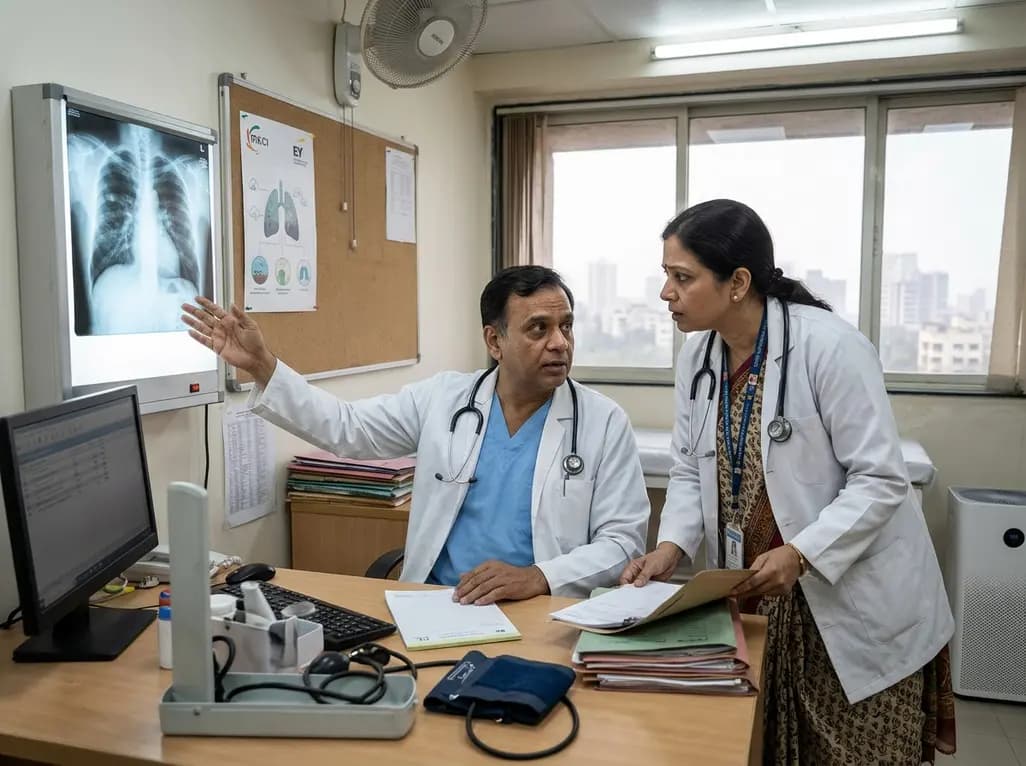
A new FICCI-EY paper urges India to shift air quality strategy from seasonal panic to year-round public health governance. Setting explicit PM2.5 targets under NCAP is vital to mitigate over two million deaths annually and curb severe cardiovascular, respiratory, and neurocognitive disease burdens across populations.
Today
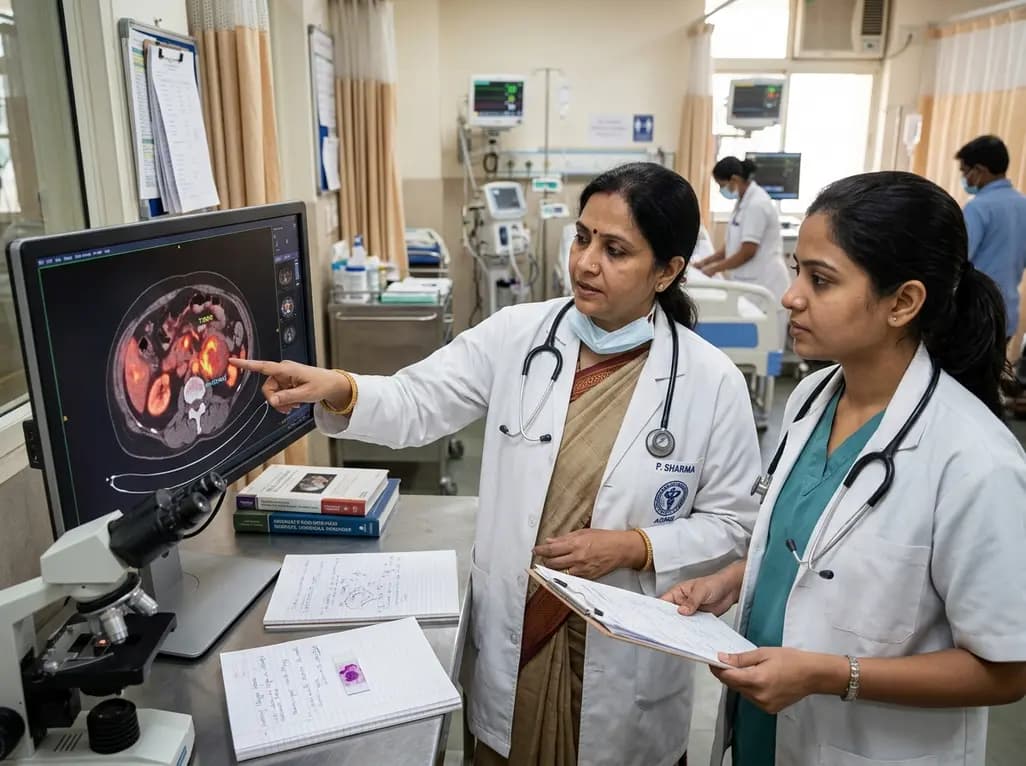
Ovarian cancer remains a lethal malignancy marked by chemoresistance and recurrence. Metabolic remodelling within the peritoneal niche suppresses immune responses through nutrient deprivation and hypoxia-driven signaling. Targeting immunometabolic pathways offers novel strategies to break immune tolerance.
Today
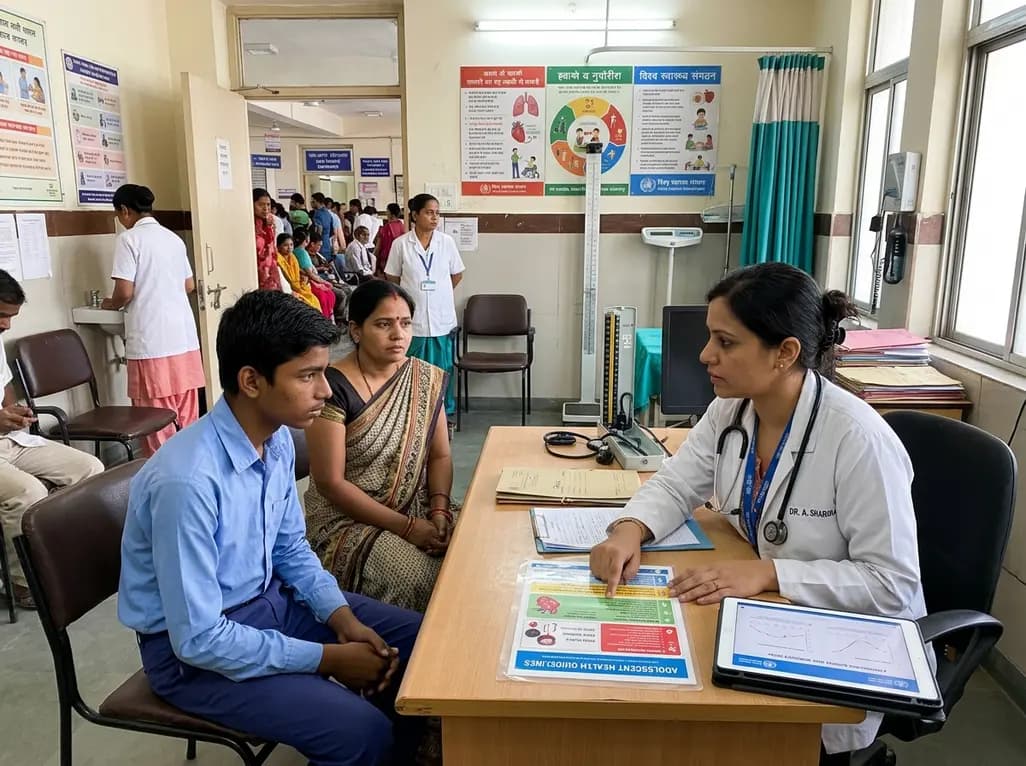
A major World Health Organization study reveals that one in four teenagers globally records zero active days per week. Discover the epidemiological data, cardiometabolic consequences of adolescent sedentary behavior, and practical guidance for clinicians to promote healthy lifestyle habits among youth.
Today
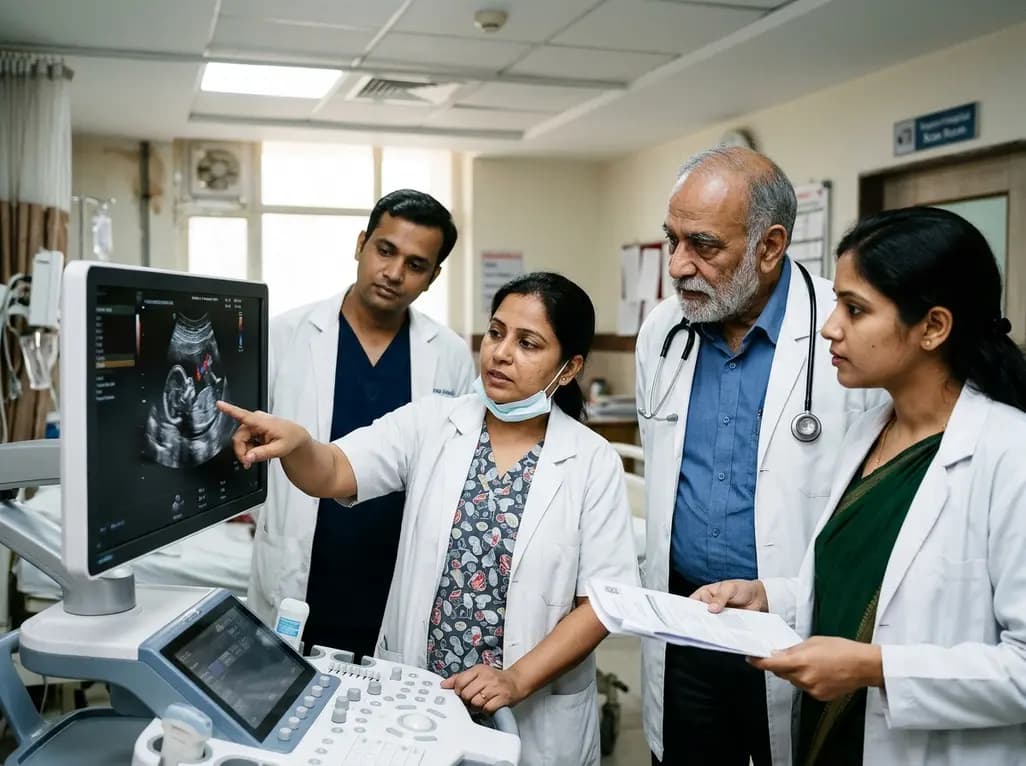
Arthrogryposis multiplex congenita affects fetal joint mobility, yet fewer than half of cases are detected prenatally. This review highlights dynamic fetal motor assessment, phenotypic subtyping, rapid exome sequencing, and multidisciplinary perinatal care to optimize diagnosis and parental counseling.
Today
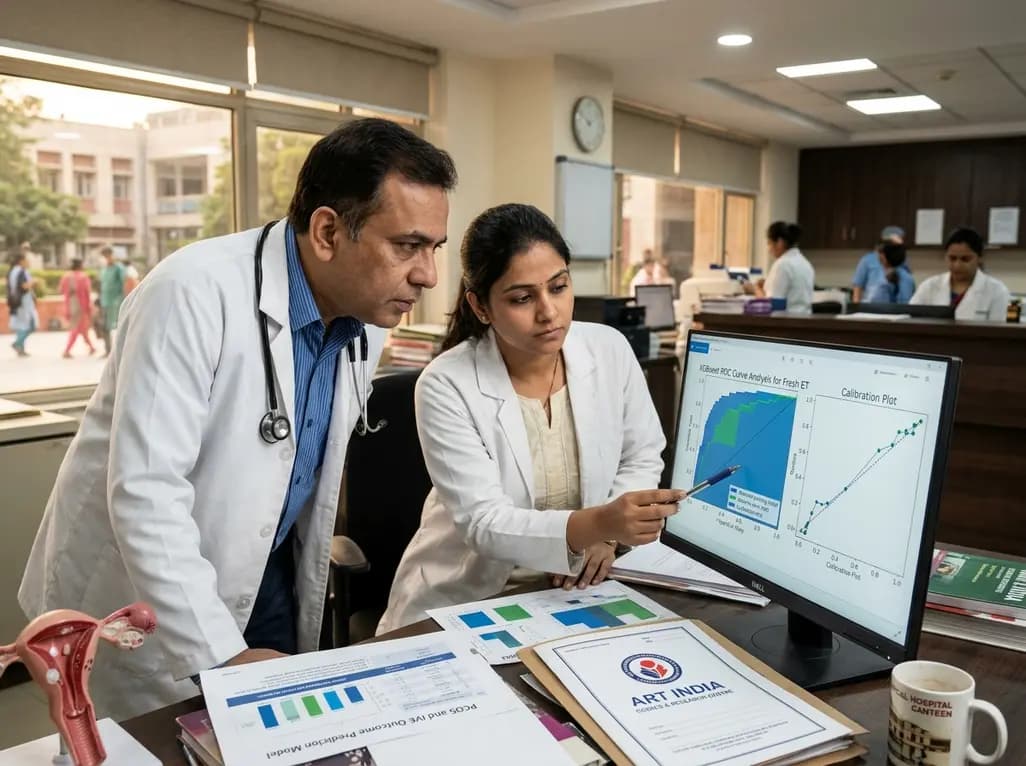
A multicenter study evaluates an XGBoost machine learning model to predict miscarriage risk in PCOS after fresh embryo transfer. While discrimination was strong internally, cross-cohort calibration drift emphasizes its role as a risk-ranking tool rather than a standalone diagnostic instrument.
Today
