.webp&w=384&q=75)

Loading, please wait...
Loading, please wait...

The foramen of Hyrtl represents a vital neuroanatomical landmark that continues to guide modern surgical and radiological practices. Josef Hyrtl, a prominent 19th-century anatomist, first described this small aperture located in the superolateral bony orbit. It serves as a critical conduit for a small arterial connection. Specifically, it links the middle meningeal artery, a branch of the external carotid artery, with the ophthalmic artery. Therefore, understanding this small bony aperture is essential for maintaining safety during complex interventional procedures.
In contemporary medicine, the foramen of Hyrtl plays a pivotal role in neuroradiology and neurosurgery. Furthermore, the collateral branch within this foramen provides a potential pathway for blood flow between the external and internal carotid systems. Consequently, clinicians must identify this structure to avoid catastrophic complications such as blindness or stroke during embolization techniques. Moreover, studies indicate that the prevalence of this foramen varies significantly across populations. However, its consistent presence in a large percentage of individuals makes it a necessary consideration for every skull base surgeon.
Dr. Josef Hyrtl was known for his innovative teaching strategies and his focus on practical dissection. He emphasized that fundamental anatomical knowledge serves as the bedrock for medical advancement. Despite the controversies that occasionally marked his career, his research into the vascular system of the head and neck remains highly relevant today. Additionally, his work highlights the interconnectedness of historical observations and modern patient care. As a result, his legacy continues to influence how surgeons approach the delicate anatomy of the orbit and cranial base.
The foramen of Hyrtl, also known as the cranio-orbital foramen, is a small bony opening in the lateral wall of the orbit. It contains a collateral arterial branch connecting the middle meningeal artery to the ophthalmic artery.
It is vital for preventing procedural complications. If a surgeon or radiologist overlooks this vascular connection during embolization or surgery, it can lead to accidental arterial blockages, resulting in blindness or stroke.
The presence of the foramen varies. Research suggests it appears in approximately 48% to 80% of individuals depending on the population. It can occur either unilaterally or bilaterally.
Disclaimer: This content is for informational and educational purposes only. It does not constitute professional medical advice, diagnosis, or treatment. Always seek the advice of your physician or other qualified healthcare provider with any questions you may have regarding a medical condition. Refer to the latest local and national guidelines for clinical practice.
References
Essibayi MA et al. The foramen of Hyrtl: a neuroanatomical legacy. J Neurosurg. 2026 Mar 27. doi: 10.3171/2025.11.JNS243267. PMID: 41894814.
Ostrowski J, et al. The cranio-orbital foramen: a meta-analysis with a review of the literature. Folia Morphol (Warsz). 2023;82(4):758-765.
Badary A, et al. Bilateral cranio-orbital foramina (Hyrtl foramina): crucial anatomical findings in the management of giant olfactory groove meningioma - a case report and literature review. J Surg Case Rep. 2024;2024(8):rjae476.
"
Read summarized clinical updates, watch expert medical content, and earn CME certifications right from your smartphone.
Open your smartphone camera to scan and install.





Explore the clinical significance of the foramen of Hyrtl, its role in arterial connections, and why it is critical for preventing surgical complications....
5 months ago

A large NHANES cohort study reveals that higher Healthy Eating Index scores significantly reduce all-cause mortality risk in CKD patients by 45%. This analysis highlights the importance of comprehensive diet quality and medical nutrition therapy in renal care to optimize long-term clinical survival.
Today

Explore real-world data showing how private oncogenetics and molecular tumor boards achieve 3-week consult turnaround, high ctDNA actionability, and vital germline variant detection, enhancing individualized cancer care and familial risk assessment.
Today
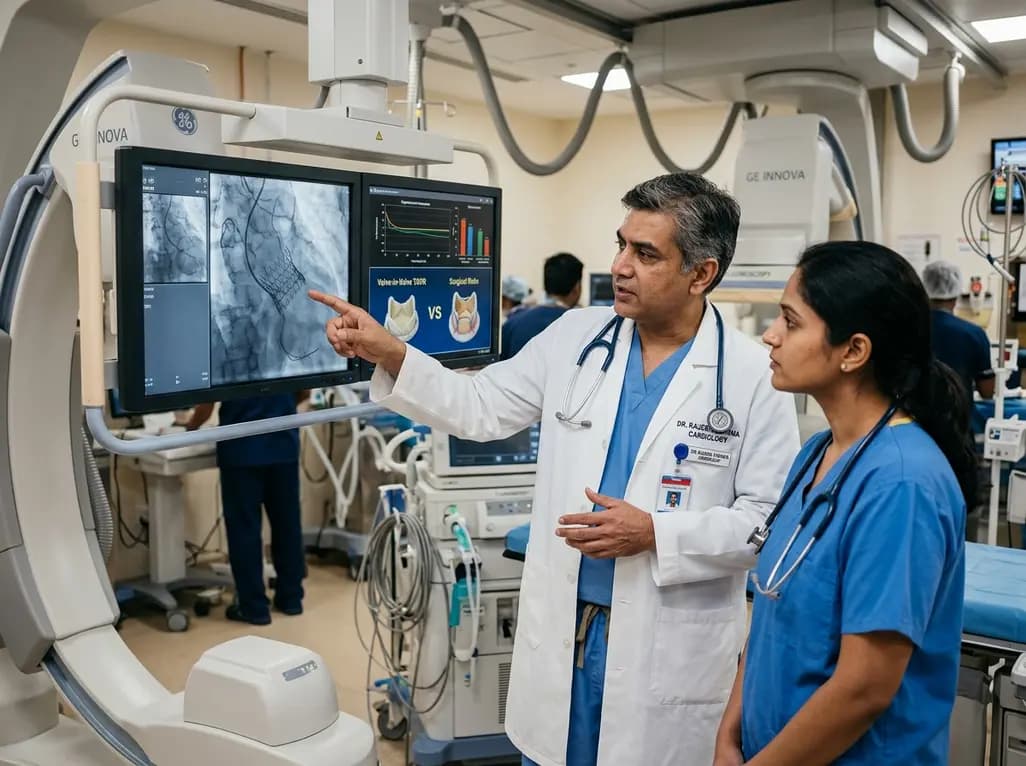
A meta-analysis of 13 propensity score-matched studies shows ViV-TAVR delivers lower early mortality and reduced bleeding compared to redo-SAVR for degenerated bioprosthetic aortic valves, though long-term hemodynamics warrant careful anatomical and patient-centered evaluation.
Today
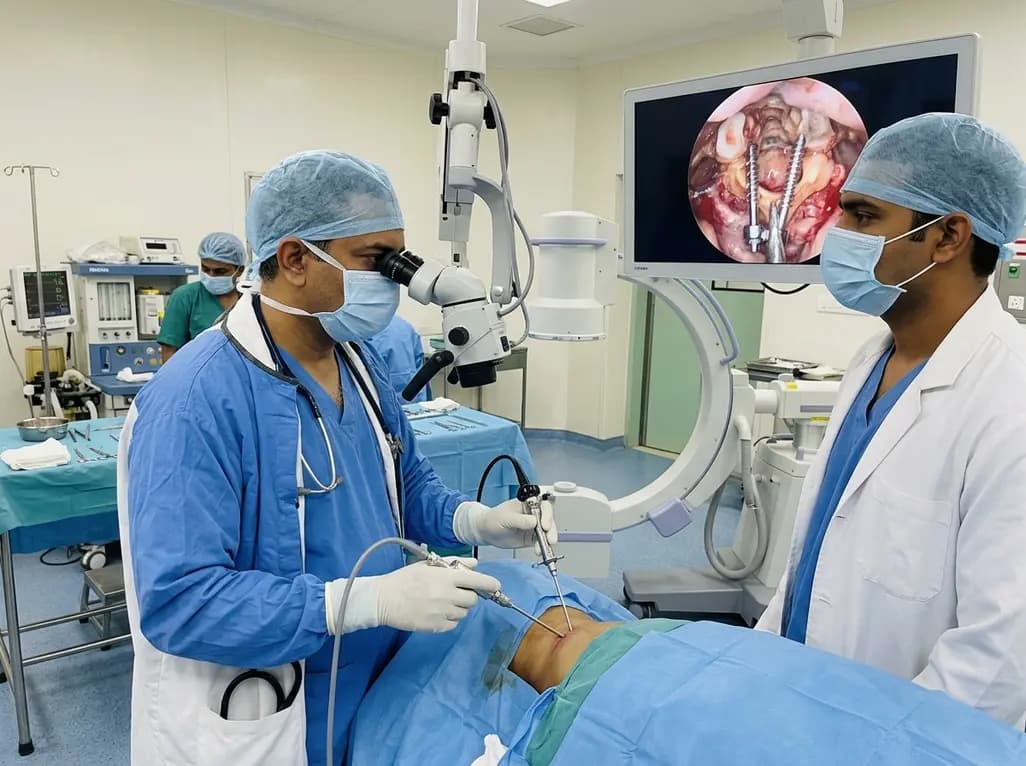
Endoscopic posterior cervical fusion combines minimally invasive decompression, joint preparation, and rigid screw-rod fixation for atlantoaxial pathologies. Early clinical findings demonstrate solid bony union, excellent symptom relief, and minimal soft-tissue morbidity without significant vascular compromise.
Today

The All-India Food Processors' Association has approached the Supreme Court to oppose FSSAI's proposed per-100g benchmark for front-of-pack warning labels, advocating instead for a per-serving threshold. We explore the regulatory showdown, nutritional evidence, and implications for clinical lifestyle counseling.
Today
