.webp&w=384&q=75)

Loading, please wait...
Loading, please wait...
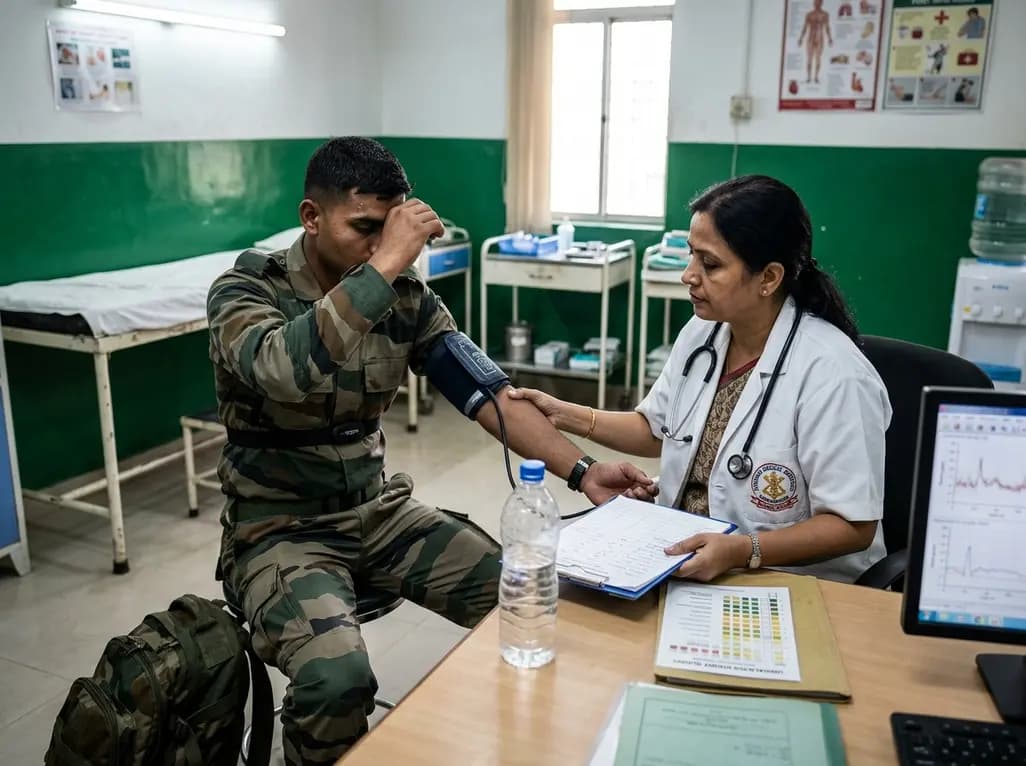
Foot marches represent a demanding occupational task for military service members, tactical athletes, and outdoor workers worldwide. During these operations, individuals walk extended distances while carrying heavy fighting loads exceeding twenty-five kilograms. Consequently, the combination of sustained mechanical work and heavy equipment creates profound metabolic strain. Investigating foot march hydration is essential because dehydration impairs performance and sharply elevates the risk of exertional heat illness. Moreover, active physical exertion increases body core temperature and stimulates heavy sweating to dissipate heat. When fluid intake fails to offset these fluid losses, hypovolemia develops quickly. However, many field and laboratory investigations overlook hydration assessment, even when testing participants in controlled environmental settings. Therefore, clinicians and exercise physiologists must recognize how fluid deficits compound cardiovascular and respiratory strain. In occupational and military medicine, identifying dehydration early protects vital organs and preserves functional readiness. Furthermore, prolonged load carriage without adequate hydration threatens thermoregulatory control. Clinicians must understand these baseline physiological dynamics to guide structured training programs. Ultimately, maintaining fluid balance protects tactical personnel against preventable heat-related emergencies and physical exhaustion.
A recent investigation evaluated physiological and hydration parameters during a simulated 9.65-kilometer foot march in healthy young adults. Specifically, sixteen participants, comprising ten males and six females with prior load carriage experience, completed the protocol. Researchers conducted the trial in a temperature-controlled laboratory maintained at 22.2 degrees Celsius to isolate physical strain from ambient heat extremes. Participants walked on a motorized treadmill at a standardized speed of 4.82 kilometers per hour while bearing an occupational load. To model strict operational field scenarios, researchers withheld all fluid intake during the two-hour marching period. Following the march, participants underwent a one-hour recovery phase where they consumed one liter of plain water. Throughout the study, investigators tracked hydration status pre-march, mid-march, post-march, and after recovery. They quantified hydration through urine specific gravity, nude dry body mass measurements, and validated perceived thirst scales. Concurrently, physiological monitors continuously recorded heart rate and breathing rate across both halves of the foot march. Repeated measures analyses of variance and paired statistical tests assessed dynamic physiological shifts over time. This controlled laboratory design provides robust, objective insights into human tolerance under uncompensated fluid loss during moderate continuous physical activity.
The experimental findings confirmed that participants developed progressive, mild dehydration during the simulated march despite moderate ambient temperatures. Specifically, urine specific gravity climbed significantly from baseline to the post-march assessment, reflecting renal water conservation and hemoconcentration. Similarly, nude dry body mass decreased steadily across the walking period due to unreplaced sweat and respiratory fluid evaporation. Perceived thirst scores also rose substantially, signaling homeostatic osmoreceptor and baroreceptor activation in response to declining intravascular volume. Notably, the one-hour recovery window with one liter of water initiated rehydration, yet full physiological restoration required extended time. Sweating serves as the primary autonomic mechanism to dissipate metabolic heat generated by contracting skeletal muscles. However, progressive hypovolemia diminishes cutaneous blood flow and decreases maximal sweat output over time. Consequently, this physiological compromise impairs evaporative cooling efficiency and accelerates core temperature rise. Even in a climate-controlled setting of 22.2 degrees Celsius, uncompensated sweating generated measurable systemic dehydration. Therefore, practitioners must appreciate that significant fluid deficits occur rapidly during loaded walking, even without external thermal stress. Clinicians should educate tactical athletes that thirst sensation alone often underestimates actual fluid losses.
Alongside fluid loss, the investigation revealed marked cardiorespiratory strain that intensified as the march progressed into its second half. Heart rate rose steadily throughout the trial, demonstrating classic cardiovascular drift associated with sustained exercise and dehydration. Furthermore, breathing rate increased significantly during the second half of the march compared to the initial segment. As circulating plasma volume drops due to sweating, venous return to the heart diminishes progressively. Consequently, stroke volume declines, compelling the autonomic nervous system to increase heart rate to maintain adequate cardiac output. This compensatory tachycardia elevates myocardial oxygen demand and hastens overall physical fatigue. Moreover, carrying a heavy fighting load restricts thoracic expansion and increases respiratory muscle work during prolonged locomotion. As a result, minute ventilation climbs to meet metabolic carbon dioxide production and buffer metabolic acidosis. When dehydration superimposes on mechanical chest wall restriction, ventilatory efficiency degrades further. Accordingly, participants experience greater perceived exertion and lower mechanical efficiency during the final kilometers. These findings emphasize that cardiovascular and ventilatory systems work under substantial compound stress during loaded tactical marches.
These physiological insights offer practical guidance for sports physicians, military medical officers, and occupational health practitioners supervising loaded tactical training. First, medical teams must implement structured pre-hydration protocols to ensure athletes begin strenuous marches in a truly euhydrated state. Baseline urine specific gravity screening provides an accessible, non-invasive method to identify hypohydrated individuals before field deployments. Second, commanders and medical planners should avoid complete fluid restriction during routine training marches whenever operational constraints permit. Providing scheduled, measured fluid intake attenuates cardiovascular drift, preserves stroke volume, and stabilizes breathing rates during sustained exercise. Furthermore, rehydration protocols following heavy load carriage must supply adequate electrolytes alongside water to facilitate complete intravascular volume retention. Plain water ingestion alone may trigger rapid diuresis before intracellular and extracellular fluid compartments equilibrate fully. In addition, conditioning programs must gradually acclimatize individuals to heavy load carriage to optimize biomechanical efficiency and cardiorespiratory endurance. Clinicians must also monitor individual variability, as baseline aerobic fitness and body composition significantly influence dehydration rates. Ultimately, proactive hydration monitoring safeguards personnel health, optimizes physical stamina, and prevents life-threatening exertional heat stroke during rigorous physical operations.
Measuring urine specific gravity offers a practical, non-invasive assessment of renal solute concentration and cellular hydration status before and after strenuous marches. Elevated urine specific gravity indicates hemoconcentration and active water conservation by the kidneys in response to hypovolemia. Consequently, regular screening allows medical officers to detect hypohydration early, guide personalized fluid replacement, and prevent severe exertional heat illness during prolonged military and athletic operations.
Restricting fluid intake during prolonged load carriage accelerates sweat-induced plasma volume contraction and reduces central venous pressure. To sustain cardiac output despite a diminished stroke volume, sympathetic tone escalates and triggers marked cardiovascular drift. Furthermore, hypovolemia impairs thermoregulatory skin blood flow and increases metabolic heat accumulation. Therefore, respiratory rate accelerates to meet heightened oxygen demands, producing progressive cardiorespiratory fatigue and diminishing overall exercise tolerance in affected individuals.
Optimal post-exercise rehydration requires replacing approximately one hundred twenty to one hundred fifty percent of the total body mass lost during physical exertion. While consuming one liter of water immediately initiates recovery, relying solely on plain water triggers early renal fluid excretion. Therefore, clinicians recommend consuming fluids containing sodium and essential electrolytes alongside balanced carbohydrates. This strategy optimizes intestinal fluid absorption, restores plasma osmolality, and maintains long-term intravascular fluid volume after exhaustive marches.
Disclaimer: This content is for informational and educational purposes only... Refer to the latest local and national guidelines for clinical practice.
References
Sax van der Weyden M et al. Hydration and cardiorespiratory responses to a simulated 9.65 km foot march in healthy adults: Implications for research and training. J Occup Environ Hyg. 2026 Sep 28. doi: 10.1080/15459624.2026.2718106. PMID: 42804761.
Sawka MN, Burke LM, Eichner ER, Maughan RJ, Montain SJ, Stachenfeld NS. American College of Sports Medicine position stand. Exercise and fluid replacement. Med Sci Sports Exerc. 2007;39(2):377-390.
Armstrong LE, Casa DJ, Millard-Stafford M, Moran DS, Pyne SW, Roberts WO. American College of Sports Medicine position stand. Exertional heat illness during training and competition. Med Sci Sports Exerc. 2007;39(3):556-572.
Knapik JJ, Reynolds KL, Harman E. Soldier load carriage: historical, physiological, biomechanical, and medical aspects. Mil Med. 2004;169(1):45-56.

Read summarized clinical updates, watch expert medical content, and earn CME certifications right from your smartphone.
Open your smartphone camera to scan and install.





A simulated 9.65 km foot march with heavy load carriage causes significant fluid deficits and cardiorespiratory strain. Monitoring urine specific gravity, heart rate, and fluid replenishment is vital to prevent exertional heat illness in tactical personnel and endurance athletes.
Today
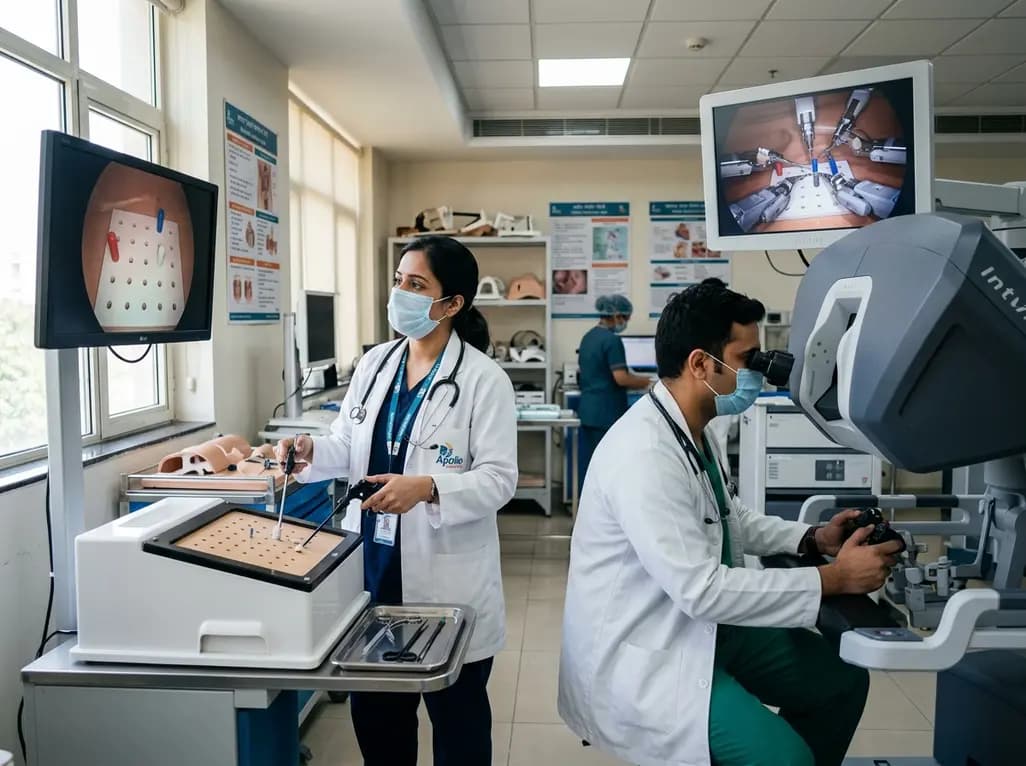
A randomized crossover study demonstrates that conventional and robotic laparoscopy require distinct neuropsychological and psychomotor skills. While trainees master conventional laparoscopy faster, robotic proficiency demands individualized, adaptive curricula tailored to specific learner profiles.
Today
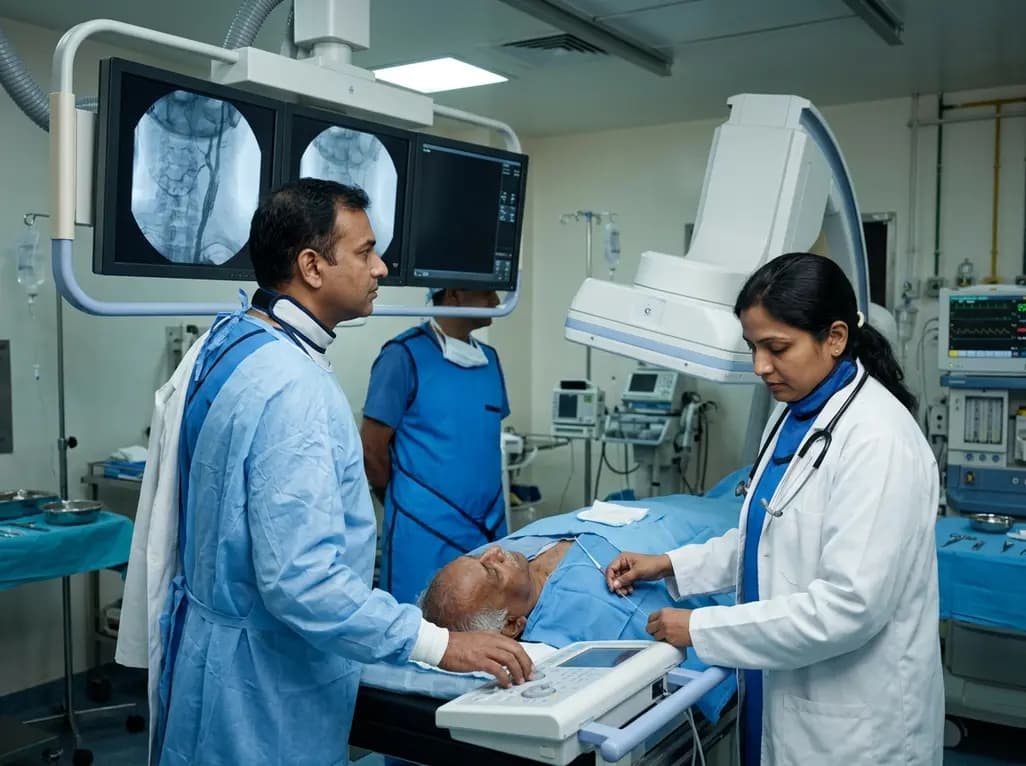
A retrospective study of 109 patients undergoing elective carotid artery stenting evaluated radiation exposure on biplane flat-panel systems. Standardized workflows and dedicated low-dose protocols provide crucial baseline data to establish neurointerventional diagnostic reference levels and optimize patient safety.
Today
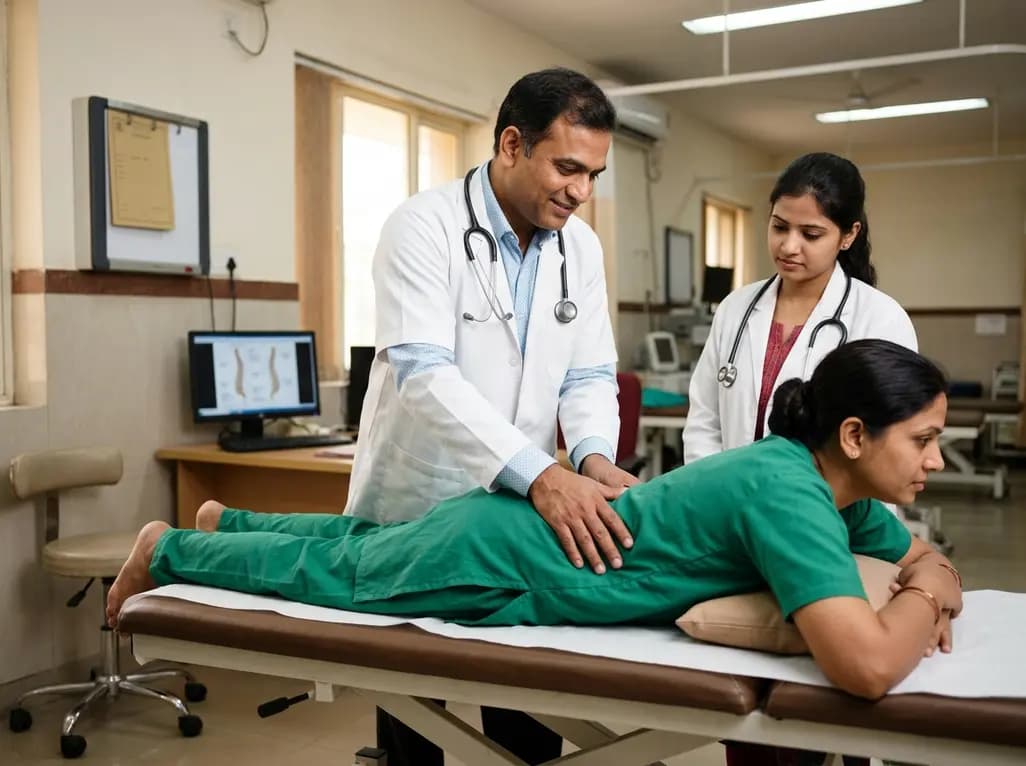
A scoping review of 51 studies reveals that spinal manual therapy on the lumbo-pelvic area is commonly used for isolated lower extremity pain, predominantly knee conditions. While thrust manipulation is frequent, reporting deficits highlight the need for standardized technique descriptions to guide practice.
Today
The Supreme Court has reserved its judgment on FSSAI's proposed front-of-pack nutritional warning labels for packaged foods. With debates over compliance timelines, added versus total sugars, and ultra-processed food definitions, this landmark decision carries profound public health implications for India.
Today
