.webp&w=384&q=75)

Loading, please wait...
Loading, please wait...

Congenital hyperinsulinism (HI) is the most common cause of persistent hypoglycemia in infants. Historically, clinicians have categorized this condition as either a focal lesion or a diffuse disease. However, a recent case series highlights the emergence of focal and diffuse hyperinsulinism occurring simultaneously in some patients. This discovery challenges the traditional binary classification. Furthermore, it necessitates a more nuanced approach to diagnosis and treatment for pediatric specialists.
In the reported cases, three patients presented with diazoxide-unresponsive HI. Interestingly, their initial genetic testing was either negative or equivocal. To ensure that no surgically treatable lesions were missed, clinicians utilized 18-F-L 3,4-dihydroxyphenylalanine (18-F-DOPA) positron emission tomography (PET). This advanced imaging successfully identified focal pancreatic lesions in all three patients.
Following surgical resection, pancreatic biopsies revealed an unexpected finding. While the primary lesions were focal, the surrounding pancreatic tissue showed signs of diffuse disease. Specifically, pathologists identified rare islet cell nucleomegaly indicative of diffuse involvement. Consequently, subsequent fasting studies confirmed that the patients still had ongoing hyperinsulinism. This coexistence suggests that the underlying genetic mechanism involves complex hits to the pancreatic beta cells.
The management of focal and diffuse hyperinsulinism requires a multidisciplinary strategy. In these specific cases, removing the focal lesion provided a significant clinical advantage. Before surgery, the patients were unresponsive to diazoxide therapy. However, after the focal component was resected, the remaining diffuse disease became manageable with diazoxide.
This outcome is significant for clinicians because it demonstrates that surgery can be palliative even if it is not curative. By reducing the overall insulin-secreting load, clinicians can potentially avoid the need for near-total pancreatectomy. Therefore, careful postoperative evaluation and genetic correlation are essential for optimizing patient care in complex HI cases.
This rare occurrence typically involves a complex genetic landscape. Often, a patient may have a germline mutation that predisposes them to diffuse disease, while a secondary somatic event in a specific area of the pancreas leads to the development of a focal lesion.
18-F-DOPA PET is crucial for identifying focal pancreatic lesions that may be amenable to surgical resection, even when genetic testing is equivocal or suggests diffuse involvement.
While surgical resection of the focal lesion may not completely cure the hyperinsulinism due to the underlying diffuse disease, it can significantly simplify medical management, often making the remaining condition responsive to diazoxide.
Disclaimer: This content is for informational and educational purposes only. It does not constitute medical advice or a professional relationship. Always seek the advice of a qualified healthcare provider for any questions regarding a medical condition. Refer to the latest local and national guidelines for clinical practice.
References

Read summarized clinical updates, watch expert medical content, and earn CME certifications right from your smartphone.
Open your smartphone camera to scan and install.





A study identifies cases of concurrent focal and diffuse congenital hyperinsulinism, revealing that focal resection can make diffuse disease diazoxide-respo...
7 months ago

A landmark 12-year longitudinal study highlights significant reductions in opioid prescribing for nonspecific low back pain following clinical guidelines and prescription monitoring systems, emphasizing non-opioid multimodal pain care.
Today
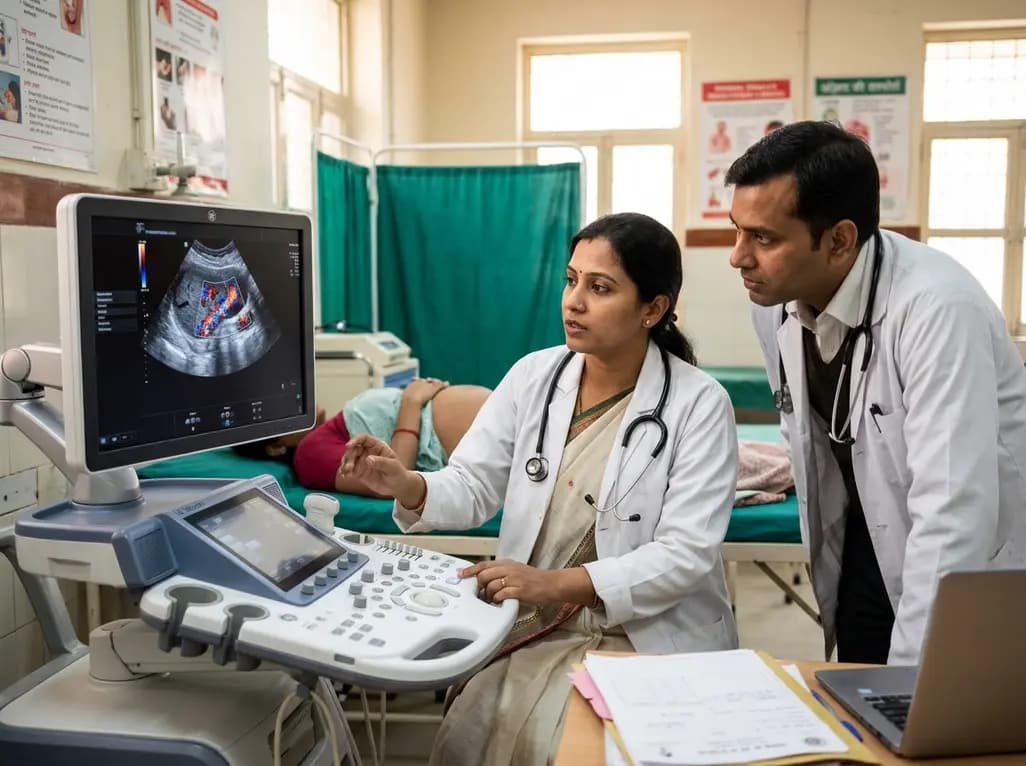
A study in Ultrasound in Obstetrics & Gynecology shows that quantitative vascularization of the anterior fornix/cervix with transvaginal ultrasound reliably identifies placenta accreta spectrum and predicts severe intraoperative hemorrhage, offering vital objective risk stratification.
Today
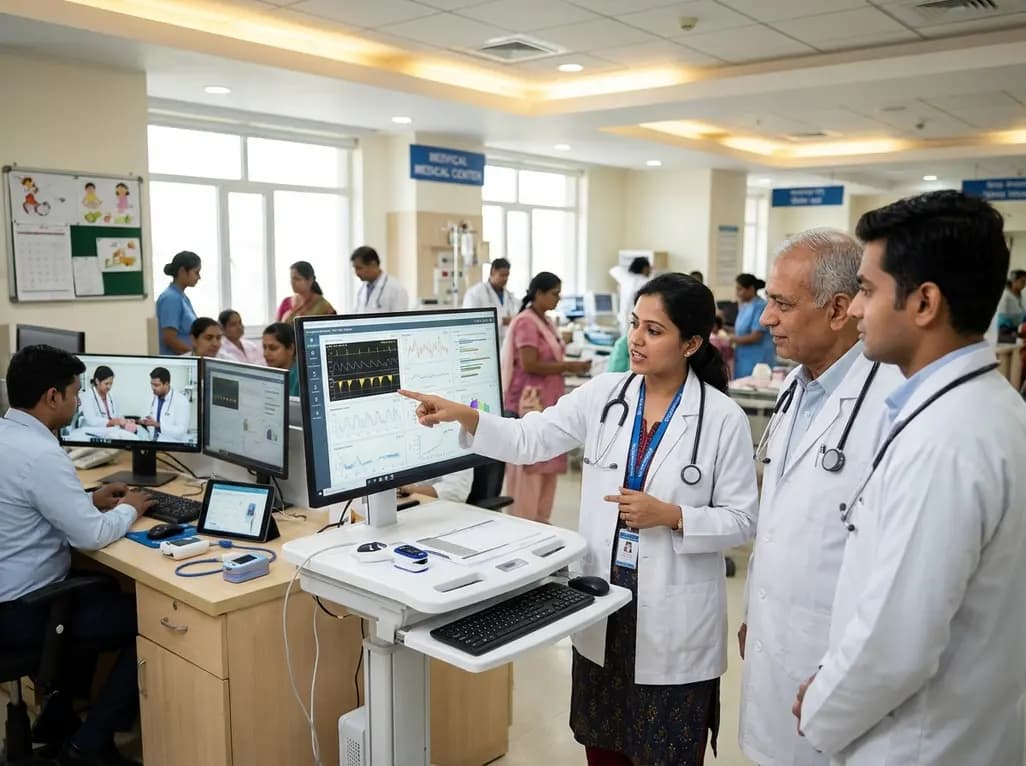
A landmark study details how an enterprise pediatric remote patient management model expanded from a single cardiology pilot to 16 diverse specialty programs by combining centralized digital operations with specialty clinical leadership.
Yesterday
A breakthrough study shows that 3D-planned corrective osteotomy successfully resolves distal radioulnar joint instability in pediatric diaphyseal forearm malunions. The precise osseous realignment eliminates chronic wrist pain and restores joint function without requiring secondary soft-tissue reconstruction.
Today

Protein O-GlcNAcylation couples cellular nutrient status to vital neuronal functions. This review explores how disrupted O-GlcNAc cycling drives both neurodevelopmental delays and neurodegenerative cascades, positioning metabolic post-translational modifications as therapeutic targets in clinical neurology.
Today
