.webp&w=384&q=75)

Loading, please wait...
Loading, please wait...

Intimate partner violence during pregnancy represents a pervasive global health crisis that threatens maternal safety and fetal development. Furthermore, recent prospective evidence demonstrates that partner violence during pregnancy causes devastating obstetric complications and severe psychological distress. Obstetricians and primary healthcare providers must recognize that physical trauma, emotional humiliation, and sexual coercion frequently escalate during gestation. Consequently, healthcare professionals require robust clinical protocols to identify covert trauma and initiate protective multidisciplinary interventions.
A landmark prospective cohort study from Mansoura, Egypt evaluated 2,292 pregnant women utilizing the validated NorVold Domestic Abuse Questionnaire and the Hamilton Depression Rating Scale. Remarkably, 42.15% of participants confirmed exposure to intimate abuse during their gestational period. Among these affected women, emotional abuse was the most prevalent form at 67.7%, followed closely by physical assault at 58.4% and sexual coercion at 43.7%. Therefore, gestational abuse rarely occurs as an isolated incident; rather, it manifests as chronic, multifaceted maltreatment. Similarly, epidemiological data from South Asia and the National Family Health Survey in India show comparable prevalence rates, where nearly one-third of expectant mothers face domestic victimization. In addition, abusers frequently exploit pregnancy-related physical vulnerability and economic dependency to exert coercive control. Cultural stigmas and familial pressures often force women to conceal their suffering from attending physicians. Consequently, routine screening remains essential because relying solely on spontaneous voluntary disclosure leaves the overwhelming majority of battered pregnant women undetected and unprotected.
Clinical research indicates that partner violence during pregnancy directly causes severe adverse obstetric and fetal outcomes. Physical trauma directed toward the gravid abdomen induces placental abruption, uterine rupture, premature preterm rupture of membranes, and direct fetal fractures. Moreover, exposed cohorts exhibit substantially higher rates of spontaneous abortion, intrauterine growth restriction, low birth weight, and intrauterine fetal demise. Systemic physiological pathways amplify these direct traumatic mechanical injuries. Specifically, chronic maternal terror activates the hypothalamic-pituitary-adrenal axis, precipitating excessive catecholamine release and systemic vasoconstriction. As a result, uterine arterial blood flow decreases markedly, creating persistent fetal hypoperfusion and chronic intrauterine hypoxia. In addition, abusive partners routinely disrupt prenatal care attendance and sabotage essential nutritional intake. Therefore, maternal anemia, unmanaged gestational diabetes, and untreated hypertensive disorders occur far more frequently among battered patients. Ultimately, clinicians must treat unexplained recurrent vaginal bleeding, recurrent soft tissue contusions, or poor fundal height progression as critical red flags indicating covert domestic maltreatment.
Beyond physical trauma, psychological terror inflicts profound neurological and psychiatric damage on expectant mothers. Prospective data demonstrate that maternal exposure to coercive control correlates directly with high scores on the Hamilton Depression Rating Scale. Furthermore, prolonged psychological terror induces treatment-resistant major depressive disorder, generalized anxiety, and complex post-traumatic stress disorder. Neurobiologists emphasize that sustained psychological torment disrupts maternal neuroendocrine balance and downregulates placental 11-beta-hydroxysteroid dehydrogenase type 2. Consequently, excess active maternal cortisol crosses the syncytiotrophoblast barrier and enters fetal circulation unhindered. Thus, early fetal brain development suffers under toxic intrauterine stress exposure, predisposing infants to long-term neurodevelopmental deficits and affective vulnerabilities. Moreover, severely depressed mothers often experience profound detachment, impaired bonding, and escalating suicidal ideation. Regrettably, profound emotional trauma diminishes the mother's capacity to care for her own physical needs and nurture her newborn. Therefore, obstetricians must integrate perinatal psychiatric evaluation directly into routine antenatal workflows rather than treating physical injuries in isolation.
Healthcare practitioners in India occupy a crucial medico-legal frontline when managing pregnant victims of domestic battery. First, physicians must compile meticulous, objective clinical documentation in the standard Medico-Legal Case register. Specifically, clinicians should detail the exact size, shape, coloration, and precise anatomical location of every contusion, abrasion, or laceration. In addition, practitioners must document the patient's spontaneous statements verbatim without editorializing or attributing subjective fault. Under the Protection of Women from Domestic Violence Act of 2005, healthcare facilities function as designated service providers obligated to offer immediate medical aid. Furthermore, clinicians must inform patients about available protection officers, shelter homes, and legal aid services. However, mandatory police reporting requires thoughtful handling depending on jurisdiction and statutory requirements, particularly under the Bharatiya Nyaya Sanhita. Clinicians must always preserve patient confidentiality and autonomy, ensuring that medical documentation does not inadvertently provoke escalated retaliatory violence from the perpetrator. Consequently, forensic precision paired with compassionate confidentiality forms the foundation of ethical medical practice.
Universal antenatal screening offers the most reliable mechanism for disrupting cycles of violence during gestation. Global guidelines from leading obstetric organizations recommend screening every pregnant patient for domestic abuse at the initial booking visit, once per trimester, and during postpartum visits. Importantly, healthcare personnel must conduct all abuse evaluations in complete privacy, strictly excluding male partners and family members from the examination suite. Standardized assessment instruments, such as the Abuse Assessment Screen or the NorVold questionnaire, normalize the inquiry and reduce interpersonal awkwardness. In addition, clinicians must employ empathetic, non-judgmental communication to build therapeutic rapport. Once a patient discloses ongoing abuse, the clinical team should formulate an immediate safety plan and establish emergency communication channels. Interprofessional collaboration between obstetricians, clinical psychologists, forensic specialists, and social workers ensures seamless wrap-around support. Ultimately, proactive hospital systems empower vulnerable women to secure personal safety and protect their developing infants from ongoing violence.
Physical blunt trauma directly incites uterine hyperstimulation, abruption, and premature rupture of membranes. Furthermore, chronic stress triggers massive neuroendocrine activation, stimulating excess maternal corticotropin-releasing hormone from the placenta. Consequently, this endocrine surge elevates systemic prostaglandins and initiates cervical ripening. Therefore, chronic biological stress combined with physical uterine irritability frequently induces spontaneous preterm uterine contractions and premature delivery before fetal lung maturity occurs.
Obstetricians commonly utilize validated tools such as the Abuse Assessment Screen, the NorVold Domestic Abuse Questionnaire, and the Humiliation, Afraid, Rape, Kick questionnaire. Additionally, clinicians screen for concurrent psychiatric distress using the Hamilton Depression Rating Scale. Clinicians administer these standardized screening questionnaires verbally in strict privacy during each trimester. Consequently, structured screening tools facilitate voluntary disclosure, assess immediate lethal danger, and connect vulnerable patients with vital multidisciplinary crisis services.
Clinicians in India must provide immediate medical treatment and maintain detailed, non-judgmental entries in official medico-legal registers. Furthermore, under the Protection of Women from Domestic Violence Act, medical facilities serve as designated institutions obligated to inform survivors about protection officers, shelter homes, and free legal aid. Clinicians must always prioritize patient autonomy, maintain strict confidentiality, and avoid actions that compromise survivor safety while documenting physical evidence accurately.
Disclaimer: This content is for informational and educational purposes only. It is not intended to be a substitute for professional medical advice, diagnosis, or treatment. Always seek the advice of your physician or other qualified health provider with any questions you may have regarding a medical condition. Never disregard professional medical advice or delay in seeking it because of something you have read on this website. The views expressed in this article are those of the author and do not necessarily reflect the official policy or position of any medical body or organization. Refer to the latest local and national guidelines for clinical practice.
References

Read summarized clinical updates, watch expert medical content, and earn CME certifications right from your smartphone.
Open your smartphone camera to scan and install.





Intimate partner violence during pregnancy significantly increases the risk of miscarriage, premature membrane rupture, and fetal growth restriction. This clinical review explores epidemiological insights, maternal depression, medico-legal documentation, and universal antenatal screening strategies.
Today
A randomized trial shows oral DL-3-n-butylphthalide (200 mg thrice daily) significantly slows functional decline in spinocerebellar ataxia type 3 over 12 months, improving SARA and SCAFI scores with favorable safety and zero serious adverse events.
Today
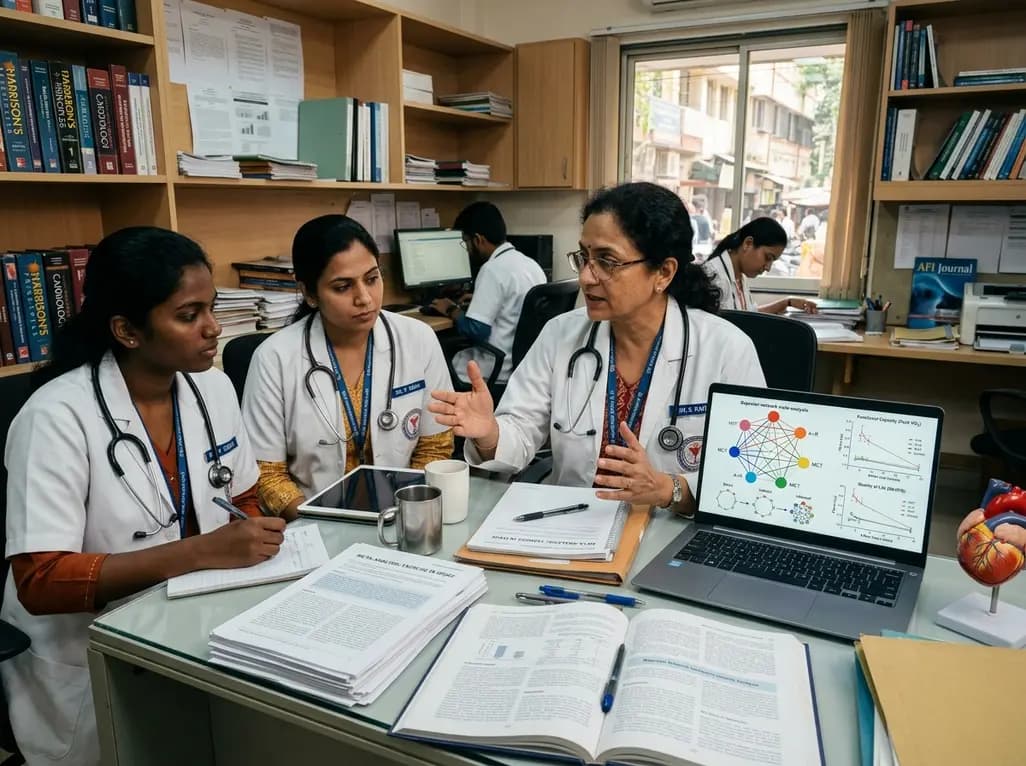
A Bayesian network meta-analysis evaluates exercise training in HFpEF, demonstrating that combined aerobic and resistance training, HIIT, and moderate continuous training significantly enhance peak VO2, while functional electrical stimulation uniquely improves quality of life without altering cardiac remodeling.
Today
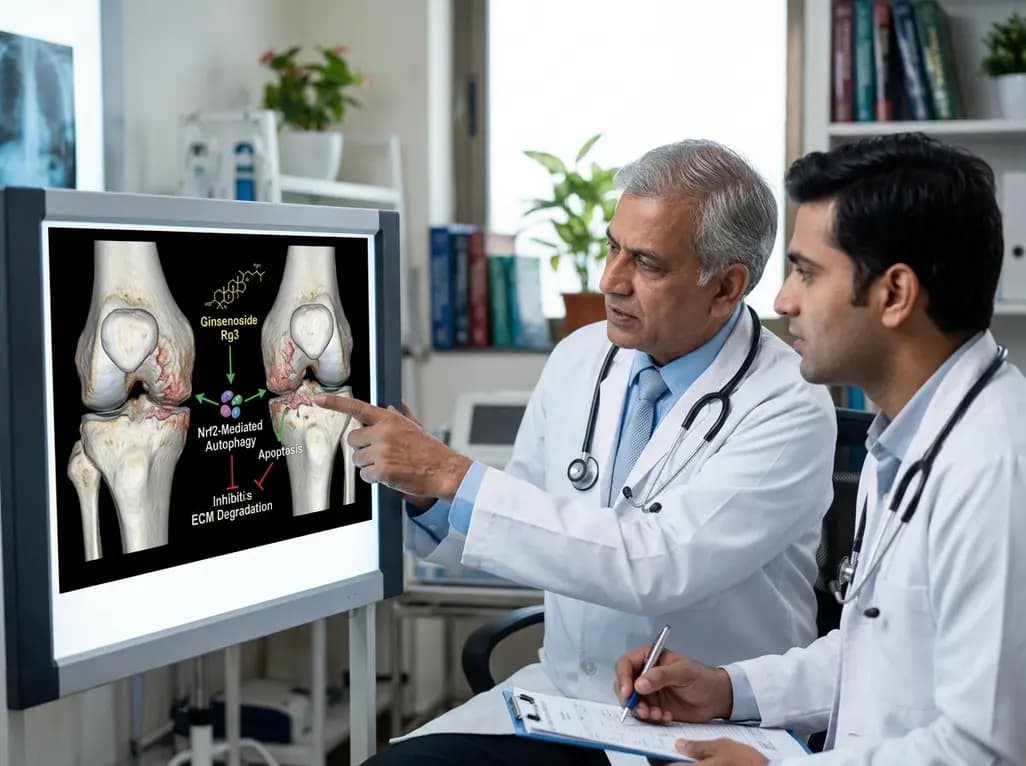
A study reveals that Ginsenoside Rg3 attenuates osteoarthritis progression by modulating the Nrf2-mediated autophagy pathway, reducing chondrocyte apoptosis, and curbing extracellular matrix degradation, offering promising chondroprotective potential.
Today
A cross-sectional study demonstrates that lower pediatric motor competence strongly correlates with adverse metabolic syndrome markers, including central adiposity, elevated triglycerides, and low HDL cholesterol, emphasizing early neuromuscular interventions in youth with overweight and obesity.
Today
