.webp&w=384&q=75)

Loading, please wait...
Loading, please wait...

Traditional medical systems provide deep insights into the relationship between human health and nature. In Indonesia, Bugis-Makassar communities value Ficus septica medicinal properties for restoring cosmic and physical balance. They classify this plant as a 'penawar' or cooling medicine. Specifically, local healers use it to treat heat-related disorders and skin infections. Consequently, recent scientific studies aim to validate these indigenous practices through rigorous analysis.
Researchers conducted a detailed phytochemical analysis of methanolic leaf extracts collected from Balleanging Village in Pangkep Regency. They identified fifty-four active compounds using Gas Chromatography-Mass Spectrometry (GC-MS) technology. Notably, phytol, methyl palmitate, and myristic acid vinyl ester dominated the chemical profile. These specific molecules exhibit strong anti-inflammatory, antioxidant, and antimicrobial activities in pharmacological tests. Therefore, the scientific data mirrors the traditional classification of the plant as a cooling agent.
The convergence of cultural knowledge and biochemistry offers a roadmap for modern drug discovery. Healers believe the plant strengthens the vital force or 'sumange' in patients. Moreover, the identified compounds provide a physiological basis for these claims. For instance, the presence of rotundifuran suggests significant potential for managing chronic inflammation. This alignment highlights the accuracy of traditional ecological knowledge in identifying bioactive natural resources.
Additionally, the plant serves a vital role in its natural limestone environment. It acts as a resilient pioneer species on karst substrates where other flora might struggle. Frugivores, such as birds and bats, distribute its seeds effectively throughout the ecosystem. This interaction maintains biodiversity and supports the restoration of degraded landscapes. Thus, scientists and conservationists should collaborate to protect these interconnected biocultural systems.
Science identifies anti-inflammatory, antioxidant, and antimicrobial properties in Ficus septica. These are attributed to compounds like phytol, methyl palmitate, and various alkaloids found in the leaves.
Ficus septica functions as a pioneer species that thrives in harsh limestone environments. It supports biodiversity by participating in seed dispersal networks and providing food for local wildlife.
Disclaimer: This content is for informational and educational purposes only and does not constitute medical advice. Always seek the advice of a qualified healthcare provider regarding any medical condition. Refer to the latest local and national guidelines for clinical practice.
References

Read summarized clinical updates, watch expert medical content, and earn CME certifications right from your smartphone.
Open your smartphone camera to scan and install.





Explore the link between traditional 'cooling' labels and the anti-inflammatory compounds of Ficus septica in Indonesian karst landscapes....
5 months ago
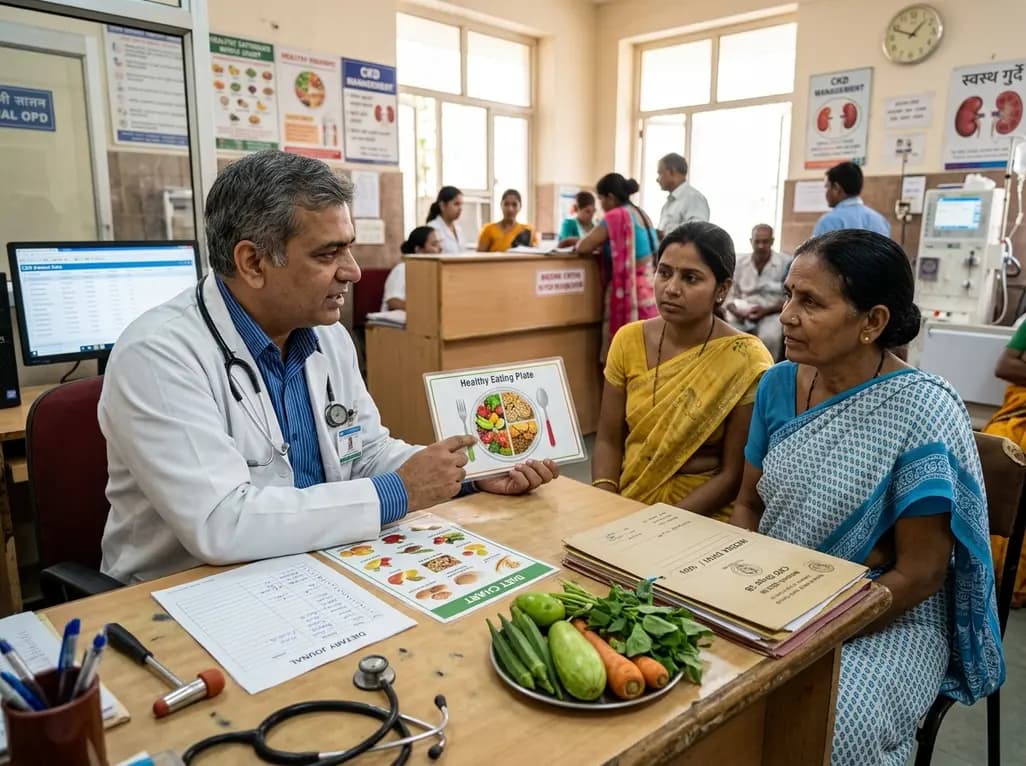
A large NHANES cohort study reveals that higher Healthy Eating Index scores significantly reduce all-cause mortality risk in CKD patients by 45%. This analysis highlights the importance of comprehensive diet quality and medical nutrition therapy in renal care to optimize long-term clinical survival.
Today

Explore real-world data showing how private oncogenetics and molecular tumor boards achieve 3-week consult turnaround, high ctDNA actionability, and vital germline variant detection, enhancing individualized cancer care and familial risk assessment.
Today

A meta-analysis of 13 propensity score-matched studies shows ViV-TAVR delivers lower early mortality and reduced bleeding compared to redo-SAVR for degenerated bioprosthetic aortic valves, though long-term hemodynamics warrant careful anatomical and patient-centered evaluation.
Today

Endoscopic posterior cervical fusion combines minimally invasive decompression, joint preparation, and rigid screw-rod fixation for atlantoaxial pathologies. Early clinical findings demonstrate solid bony union, excellent symptom relief, and minimal soft-tissue morbidity without significant vascular compromise.
Today
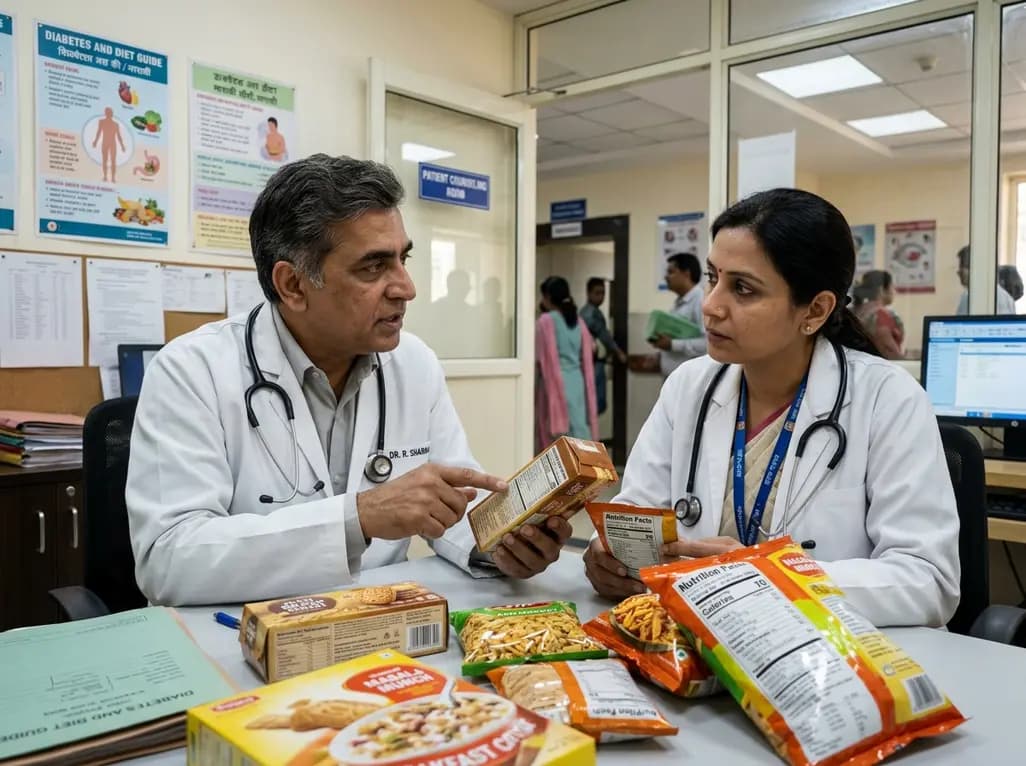
The All-India Food Processors' Association has approached the Supreme Court to oppose FSSAI's proposed per-100g benchmark for front-of-pack warning labels, advocating instead for a per-serving threshold. We explore the regulatory showdown, nutritional evidence, and implications for clinical lifestyle counseling.
Today
