.webp&w=384&q=75)

Loading, please wait...
Loading, please wait...

High-resolution live imaging of zebrafish larvae requires precise and reproducible orientation. Standard agarose mounting often fails to provide the consistency needed for complex biological studies. Consequently, researchers have developed new zebrafish larvae imaging molds using fused deposition modeling (FDM) technology. These tools offer a low-cost alternative to expensive stereolithography methods. Moreover, the addition of a thin resin coating significantly improves surface smoothness. This enhancement ensures that the larval-shaped wells remain highly accurate for various imaging setups.
The new molds allow for the consistent dorsoventral orientation of multiple larvae simultaneously. This capability is essential for researchers tracking developmental processes over long periods. Furthermore, the open-source nature of the design files allows for easy customization to fit specific glass-bottom dishes. FDM printing is also widely accessible, making this technology available to many laboratories. Consequently, scientists can now produce high-quality imaging tools without relying on specialized manufacturing facilities. Additionally, the improved surface finish reduces optical artifacts during high-resolution microscopy.
Traditional mounting methods often involve manual positioning, which is time-consuming and prone to error. In contrast, these 3D-printed molds create standardized wells in agarose. This approach simplifies the mounting process and improves experimental throughput. Scientists can now image multiple embryos in parallel while maintaining physiological integrity. Furthermore, the use of FDM technology significantly lowers production costs compared to SLA-based printing. This affordability encourages the adoption of advanced imaging workflows in diverse research environments.
The molds create precise wells that fix zebrafish larvae in a dorsoventral position. This consistency is vital for high-resolution snapshots and long-term time-lapse studies.
Yes, FDM-based printing uses common desktop printers and inexpensive filaments. This makes the tools significantly more affordable than those made via stereolithography.
Disclaimer: This content is for informational and educational purposes only. It does not constitute medical advice or a professional recommendation. Refer to the latest local and national guidelines for clinical practice.
References
Pineda MXR et al. Customizable FDM-based zebrafish larvae mold for live imaging. Biol Open. 2026 Mar 13. doi: undefined. PMID: 41823049.
Rivera Pineda MX, Lehtimäki J, Jacquemet G. Customizable FDM-based zebrafish embryo mold for live imaging. bioRxiv. 2025. doi: 10.1101/2025.11.26.625471.
Miller et al. Custom 3D-Printed Molds for Zebrafish Imaging and Cardiac Development. J Vis Exp. 2025. doi: 10.3791/68768.

Read summarized clinical updates, watch expert medical content, and earn CME certifications right from your smartphone.
Open your smartphone camera to scan and install.





Researchers have developed a low-cost, FDM-based 3D printed mold that ensures precise orientation of zebrafish larvae for high-resolution live imaging....
7 months ago
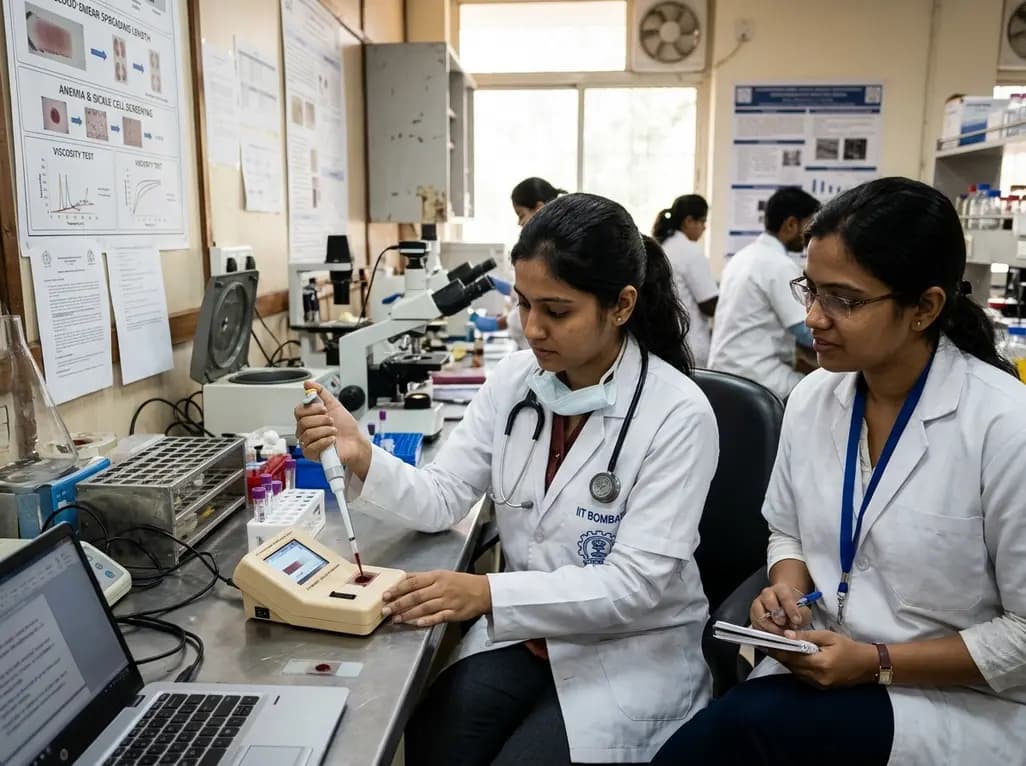
Researchers at IIT Bombay have engineered an automated, cost-effective point-of-care device that diagnoses anaemia and sickle cell disease from a single drop of blood. By measuring blood smear spreading length, this portable tool assesses blood viscosity to offer rapid screening in resource-limited healthcare centers.
Today
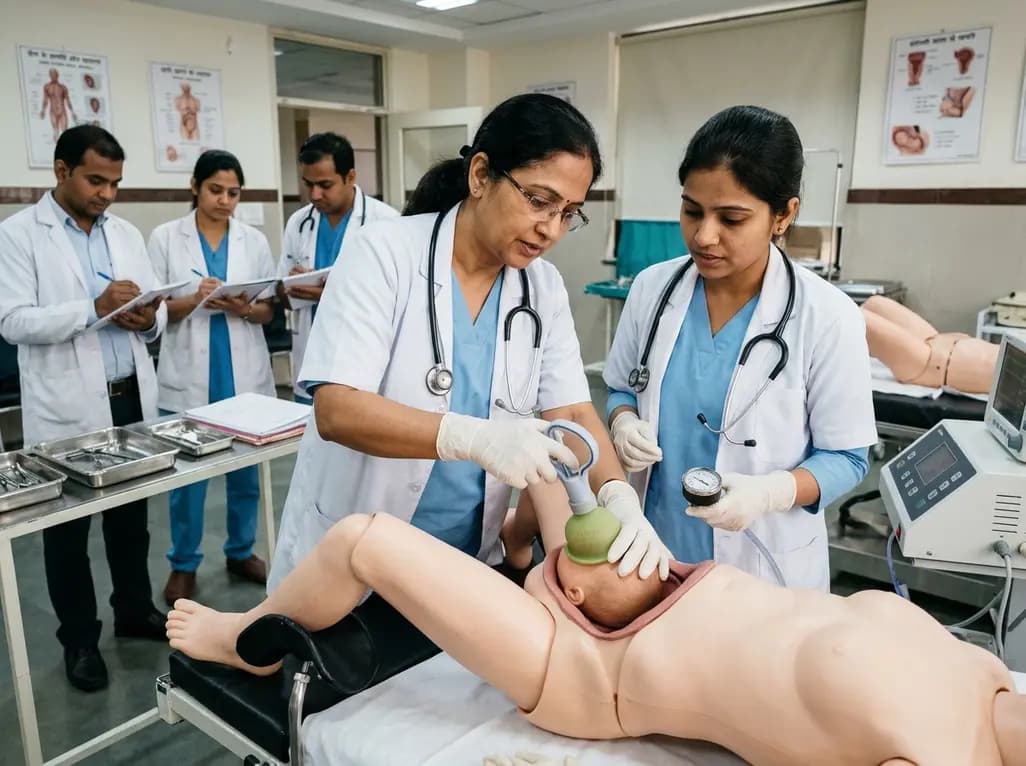
A multicenter study evaluates whether standardized simulation training reduces cup detachment during vacuum-assisted vaginal birth. Evidence-based simulation equips obstetricians to improve cup placement, reduce maternal-fetal trauma, and optimize clinical decision-making during operative deliveries.
Today
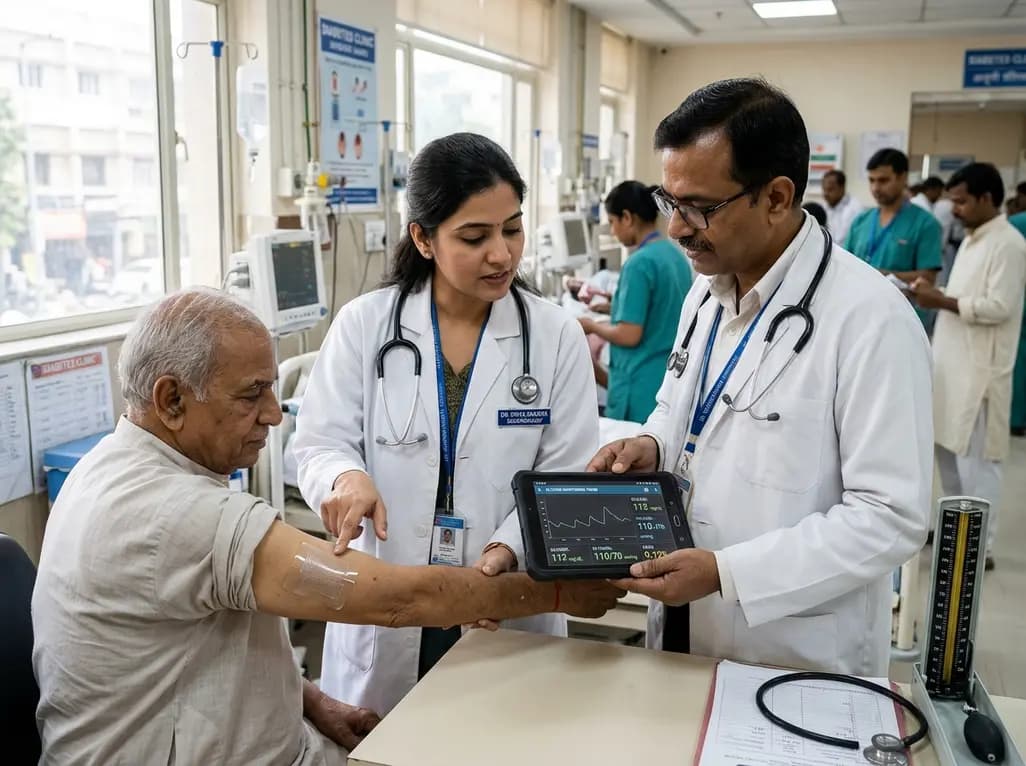
A breakthrough ultrathin multimodal sensor decouples physical hemodynamic monitoring from disposable electrochemical calibration, achieving long-term wearable glucose prediction with 81.36% accuracy and a 9.12% MARD. This offers a robust, drift-free solution for outpatient metabolic surveillance.
Today
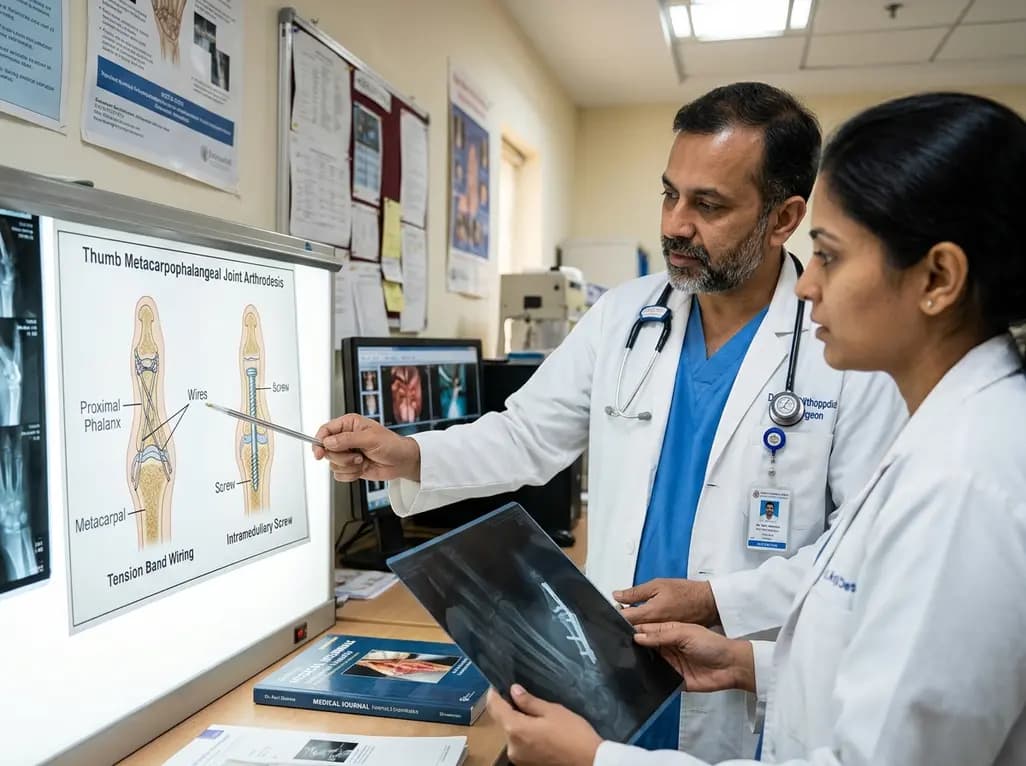
A comparative review of tension band wiring and intramedullary screw fixation in thumb metacarpophalangeal arthrodesis, evaluating union rates, hardware complications, and clinical outcomes.
Today
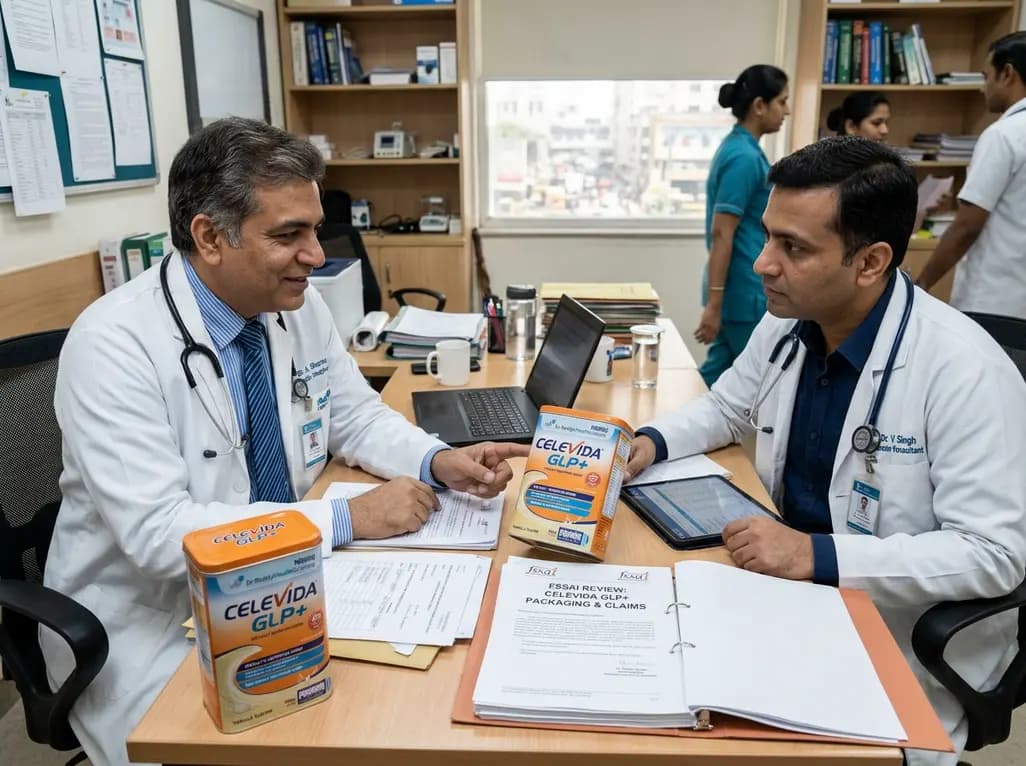
Following regulatory scrutiny from FSSAI regarding promotional representations and lean muscle preservation claims, Dr. Reddy's Laboratories and Nestlé Health Science are currently reviewing the branding and marketing strategy for their joint nutritional supplement Celevida GLP+.
Today
