.webp&w=384&q=75)

Loading, please wait...
Loading, please wait...

Agriculture remains one of the most hazardous occupations worldwide, with farm tractor fatalities accounting for a significant percentage of work-related deaths. A comprehensive retrospective study conducted in Central Serbia recently analyzed 41 tractor-related deaths recorded over a 24-year period. This research specifically investigated the characteristics of injuries, the primary causes of death, and contributing factors like blood alcohol concentration (BAC). Notably, understanding these patterns is vital for emergency physicians and surgeons who manage severe trauma in rural communities.
Initially, the study identified that rollovers and run-overs are the most frequent mechanisms of injury. When a tractor overturns, the operator often suffers from massive crushing trauma to the chest and abdomen. Consequently, many victims die at the scene due to immediate internal hemorrhaging or traumatic asphyxiation. Specifically, the absence of Rollover Protective Structures (ROPS) on older tractor models dramatically increases the risk of mortality. Therefore, medical professionals must remain vigilant regarding the high probability of multi-organ damage in these patients.
Moreover, the influence of alcohol significantly contributes to the incidence of farm tractor fatalities. The analysis revealed that a substantial number of victims had detectable BAC levels at the time of the accident. Alcohol impairs judgment and coordination, which often leads to loss of vehicle control on uneven terrain. Additionally, the study highlighted that older operators are particularly vulnerable to fatal outcomes due to reduced physiological reserve. Similarly, patterns in India show that tractor-related accidents are a leading cause of agricultural morbidity, often exacerbated by the use of tractors for non-farming transport on busy roads.
Effective prevention strategies must focus on both engineering and behavioral changes. Furthermore, the installation of ROPS combined with seatbelt use is nearly 99% effective in preventing death during a rollover. Healthcare providers in rural areas play a critical role by educating the farming community about the dangers of operating machinery under the influence of alcohol. In addition, improving the speed of emergency medical response in remote regions can help save those who survive the initial impact. Finally, strict adherence to safety guidelines during maintenance can prevent entanglement injuries.
Most fatalities result from tractor rollovers, which frequently lead to severe chest crushing injuries, internal bleeding, and asphyxiation.
Alcohol significantly impairs the operator's coordination and reaction time, making accidents more likely and increasing the severity of the resulting injuries.
Yes, Rollover Protective Structures (ROPS) are highly effective at creating a safety zone for the operator, especially when used in conjunction with a seatbelt.
Disclaimer: This content is for informational and educational purposes only. It is not intended as a substitute for professional medical advice, diagnosis, or treatment. Always seek the advice of your physician or other qualified health provider with any questions you may have regarding a medical condition. Refer to the latest local and national guidelines for clinical practice.
References
1. Vitošević K et al. Cause of Death According to the Mechanism of Injury in Farm Tractor Fatalities. Am J Forensic Med Pathol. 2026 May 04. doi: 10.1097/PAF.0000000000001139. PMID: 42081268.
2. Kumar A, Mohan D, Mahajan P. Studies on tractor related injuries in northern India. Accid Anal Prev. 1998 Jan;30(1):53-60. doi: 10.1016/s0001-4575(97)00061-4.
3. Tiwari PS, Gite LP, Pandey MM. Health and Injury Outcomes among Agricultural Workers of India. Medwin Publishers. 2024.
"
Read summarized clinical updates, watch expert medical content, and earn CME certifications right from your smartphone.
Open your smartphone camera to scan and install.





A 24-year study analyzes the mechanisms of farm tractor fatalities, highlighting rollover risks and the impact of alcohol on mortality in agricultural setti...
4 months ago

A landmark study reveals that shelter dogs harbor diverse oral microbiota and critical antimicrobial resistance genes, including cfxA, sul1, and mecA. This highlights an underappreciated reservoir for zoonotic pathogen transfer, emphasizing the necessity of One Health surveillance across companion animals.
Today

A landmark randomized clinical trial published in NEJM reveals that high maternal intake of eggs and peanuts during pregnancy and lactation does not lower the risk of infant egg or peanut allergy at one year of age, reinforcing existing dietary recommendations for balanced maternal nutrition without restrictions.
Today

A groundbreaking study demonstrates that coronary angiography-derived radial wall strain reflects plaque morphology, predicting future rupture and erosion.
Today

The Delhi Cabinet has cleared an advanced seven-storey critical care expansion at Guru Tegh Bahadur Hospital under PMSSY Phase-IV. Costing Rs 244.87 crore, the new wing features 250 beds, specialized intensive care units, modern operation theatres, and round-the-clock emergency diagnostics for East Delhi.
Today
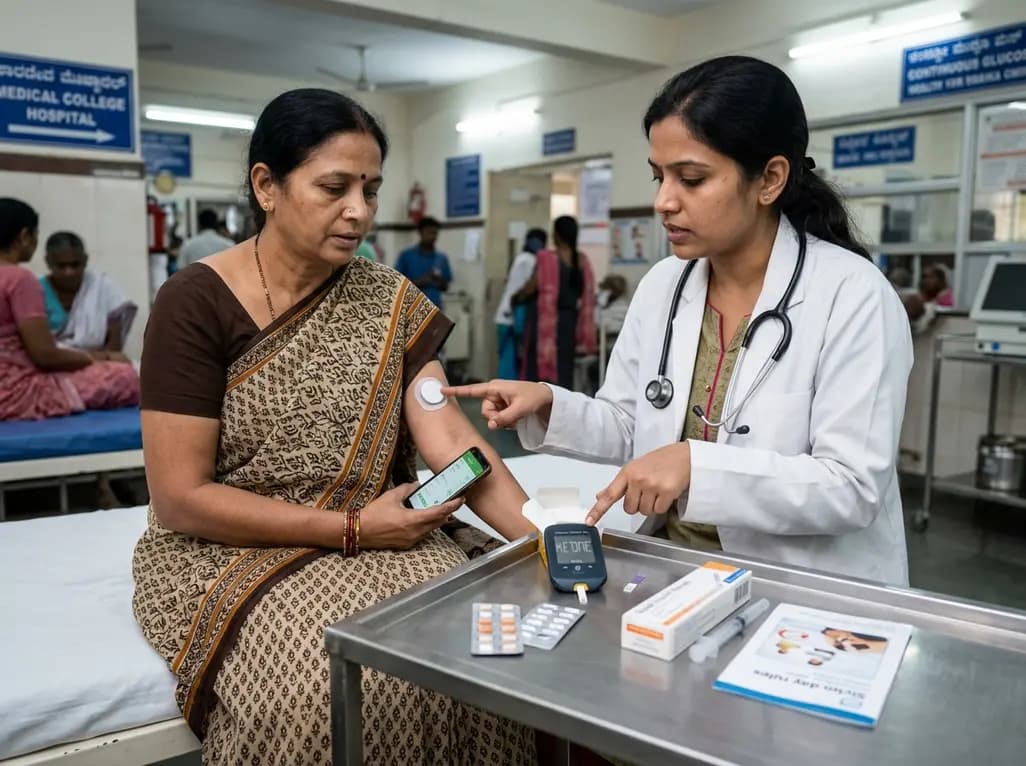
A landmark case demonstrates that favorable continuous glucose monitoring metrics cannot rule out SGLT2 inhibitor-associated euglycemic diabetic ketoacidosis. Clinicians must educate patients on symptom-based sick-day rules, uninterrupted basal insulin therapy, and proactive blood ketone testing.
Today
