

Loading, please wait...
Loading, please wait...

Geriatric care requires a comprehensive evaluation of both physiological deficits and social environments. Consequently, clinicians increasingly recognize that social determinants dictate functional recovery and mental health in later life. A landmark investigation examined the complex relationship between family structures and geriatric rehabilitation outcomes among community-dwelling older adults. Researchers evaluated participants across four relational categories: kinless, disconnected, distanced, or possessing close family ties. Kinless individuals lack a surviving spouse or children, whereas disconnected individuals maintain minimal contact despite living relatives. Furthermore, distanced individuals report emotional detachment despite occasional interaction. In contrast, close family networks provide consistent emotional warmth, physical advocacy, and instrumental assistance. As older adults face acute illness or progressive functional decline, interpersonal dynamics heavily shape their therapeutic trajectory. Therefore, evaluating family typology helps clinicians identify vulnerable elderly individuals early during clinical intake. Moreover, older adults without robust relational support frequently encounter substantial barriers during physical rehabilitation. Healthcare professionals must understand that supportive bonds do not merely offer companionship. Instead, close relationships directly foster therapy adherence and psychological resilience. By assessing relational structures, clinicians can tailor rehabilitation protocols to match each patient's domestic reality.
The longitudinal study analyzed data from over four thousand Medicare beneficiaries aged sixty-five and older across multiple survey rounds. Specifically, researchers measured well-being through a composite score incorporating affective status, perceived meaning in life, and personal sense of control. The structural equation model accounted for complex survey design to ensure generalizable and robust results. Interestingly, participants who maintained close family ties demonstrated significantly higher psychological well-being than kinless peers. However, older adults in disconnected or distanced family categories showed no statistically meaningful well-being advantage over kinless individuals. This pivotal observation indicates that the mere physical existence of biological relatives does not protect mental health in later life. Instead, genuine emotional closeness and active interpersonal involvement remain essential prerequisites for subjective wellness. Additionally, all evaluated rehabilitation parameters demonstrated significant positive associations with subsequent psychological well-being. Older adults who regained functional independence reported superior emotional stability and retained an enduring sense of agency. Consequently, geriatric practitioners cannot isolate physical recovery from the emotional climate of the patient's home environment.
A central breakthrough of this research lies in identifying how rehabilitation goal attainment mediates the link between relationships and well-being. Although overall therapy participation benefits patients, mediation analysis revealed that successful goal achievement uniquely bridges social support and psychological flourishing. Specifically, this indirect mediating effect manifested exclusively among older adults who possessed close family ties. When close relatives actively engage in the care process, they encourage adherence to daily exercises and assist with prescribed physical modifications. Furthermore, supportive kin celebrate incremental milestones, which reinforces the patient's internal motivation and perseverance. As a result, older adults with strong family support achieve their individualized rehabilitation milestones more effectively. Attaining these targeted functional benchmarks subsequently elevates their affective happiness, restores dignity, and reinforces personal autonomy. Nevertheless, researchers also observed that the direct positive association between close ties and well-being remained substantial. Thus, close relationships enhance geriatric life quality through multiple parallel mechanisms. In contrast, disconnected or kinless individuals often lack domestic advocates who reinforce therapeutic progress, leaving them vulnerable to rehabilitation plateauing.
These empirical insights hold immense practical relevance for physicians, geriatricians, and family practitioners across India. Traditionally, the Indian joint family architecture provided an organic social safety net for aging family members. However, rapid urbanization, domestic migration, and economic shifts have accelerated the emergence of nuclear family units across Indian cities. Consequently, many Indian seniors now experience spatial distancing or emotional disconnection from their adult children. When older patients suffer cerebrovascular accidents, osteoporotic hip fractures, or degenerative joint disorders, their recovery pathways depend heavily on domestic assistance. Family physicians in India frequently observe that isolated seniors exhibit poorer therapy compliance and higher rates of post-illness depression. Conversely, when family members participate during clinical consultations, patients show superior follow-through with home-based physiotherapy protocols. Moreover, Indian healthcare systems rarely provide subsidized post-discharge institutional care, placing the burden of convalescence on home caregivers. Therefore, assessing domestic relationships is vital during routine geriatric evaluations in Indian clinics. Identifying socially isolated older adults allows Indian physicians to recommend community eldercare resources or home health nursing early.
To optimize patient outcomes, modern clinical practice must transition from isolated medical management to comprehensive, family-centered rehabilitation models. First, healthcare teams should routinely evaluate social support structures during the initial geriatric assessment. Standardized screening tools can quickly identify whether an older patient is kinless, emotionally disconnected, or living with supportive family. Second, physical and occupational therapists must intentionally involve primary family caregivers during goal-setting sessions. When families participate in establishing functional targets, they understand the therapeutic rationale and offer informed domestic encouragement. Furthermore, clinicians must provide clear, culturally sensitive home exercise training to caregivers, thereby minimizing domestic injury risks and caregiver fatigue. Third, medical centers should establish targeted support pathways for kinless and socially distanced patients. For these vulnerable seniors, healthcare providers can integrate community health workers, non-governmental eldercare organizations, and peer support networks. Additionally, routine teleconsultations can bridge geographic gaps for adult children living in other cities. Ultimately, integrating family members into the rehabilitation team transforms recovery from a solitary struggle into a shared collaborative triumph.
Close family ties provide vital practical, emotional, and motivational support throughout the recovery journey. Family members assist older adults with transportation, supervise home exercise routines, and help navigate complex medication schedules. Furthermore, their presence reduces post-illness anxiety and combats feelings of helplessness. This consistent emotional encouragement empowers older patients to maintain high adherence to rehabilitation protocols, enabling them to achieve functional milestones that directly restore their personal autonomy and emotional well-being.
Having living biological relatives does not automatically translate into tangible caregiving or emotional support. Disconnected or strained relationships often generate significant interpersonal stress, unresolved conflict, and feelings of abandonment among older adults. In contrast to close relationships, detached family ties fail to provide consistent domestic encouragement during physically demanding rehabilitation programs. Consequently, older adults with distanced ties experience psychological isolation comparable to kinless individuals, resulting in similar deficits in affective well-being and personal control.
Clinicians must identify kinless older adults early through multidisciplinary geriatric screenings. Healthcare teams should actively connect these solitary seniors with trained community health workers, local non-governmental organizations, and structured volunteer companion programs. In addition, physical therapists can establish group rehabilitation sessions to cultivate peer encouragement and social belonging. By mobilizing community resources and digital health monitoring, physicians can build a reliable surrogate support system that effectively drives rehabilitation adherence and enhances patient well-being.
Disclaimer: This content is for informational and educational purposes only... Refer to the latest local and national guidelines for clinical practice.
References

Read summarized clinical updates, watch expert medical content, and earn CME certifications right from your smartphone.
Open your smartphone camera to scan and install.





A longitudinal NHATS study highlights how close family ties enhance well-being in older adults, partly mediated by successful goal attainment during rehabilitation. Learn clinical takeaways for geriatric care.
Today
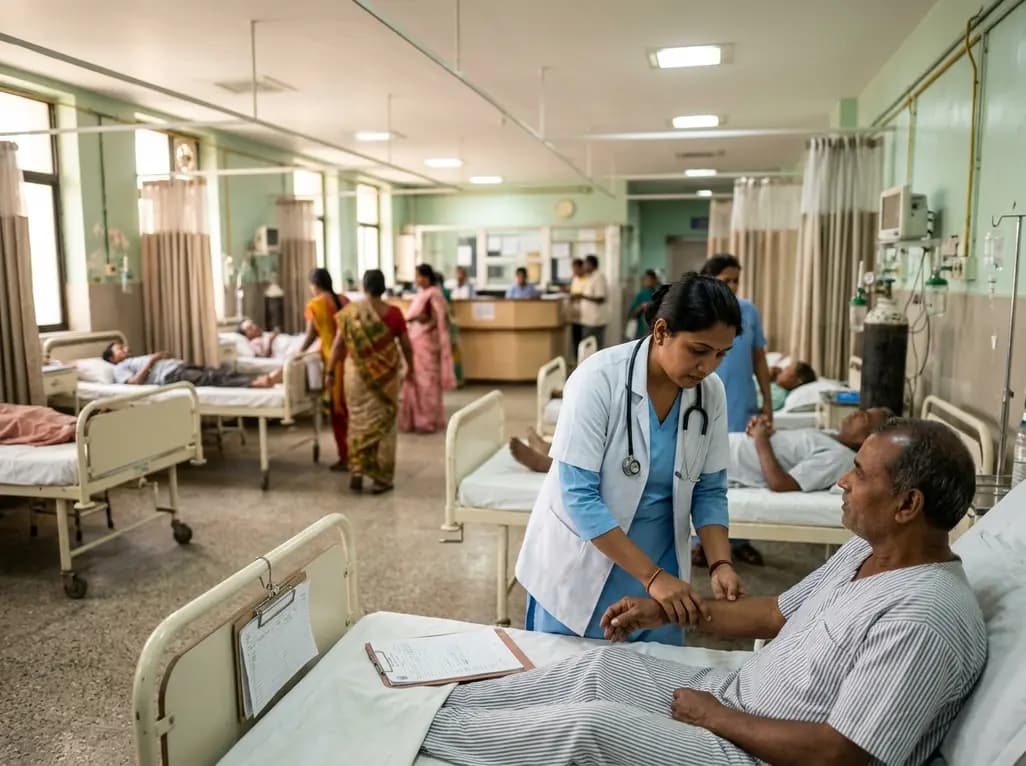
A comprehensive scoping review of 75 studies across 25 countries reveals that acute care nurses rely heavily on inspection and vital signs while rarely performing auscultation. Organizational barriers like high workload drive these deficits, underscoring the urgent need for systemic reform rather than education alone.
Today

A qualitative study highlights the unaddressed emotional hurdles and role uncertainty faced by men during the transition to fatherhood, calling for father-inclusive perinatal care and tailored digital health support.
Today
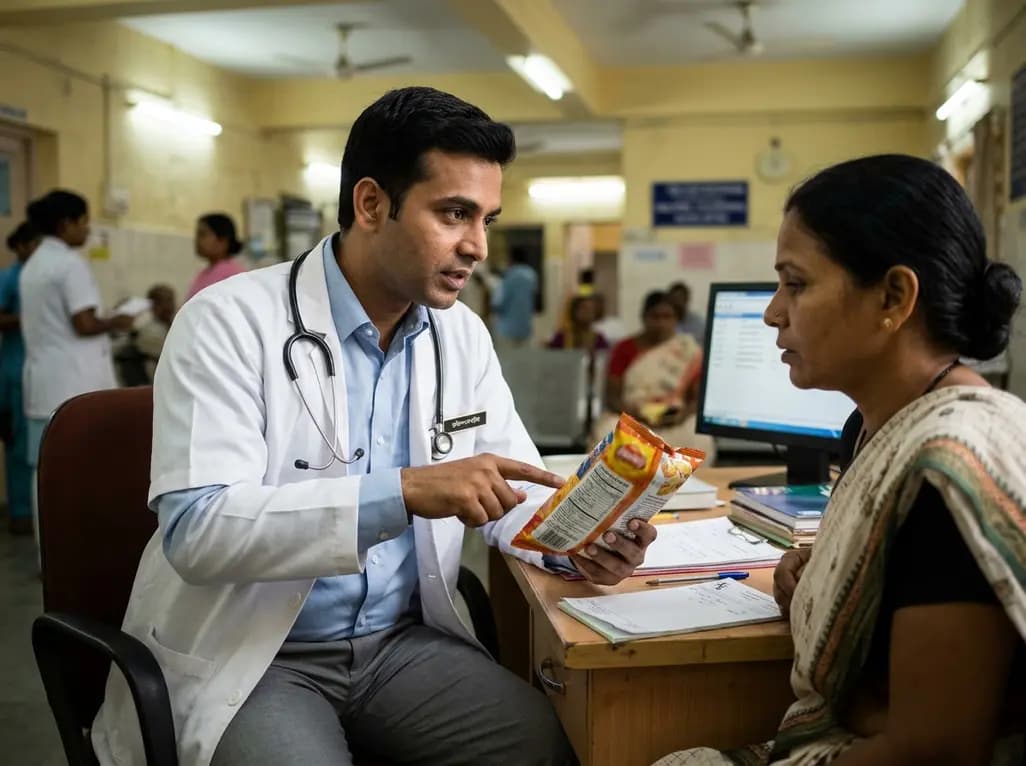
In a landmark public health ruling, the Supreme Court ordered the FSSAI to finalize strict front-of-pack warning rules within four months. Food companies must adopt separate red hexagonal symbols for high sugar, saturated fat, and salt within one year, advancing preventive medicine and patient dietary awareness.
Today
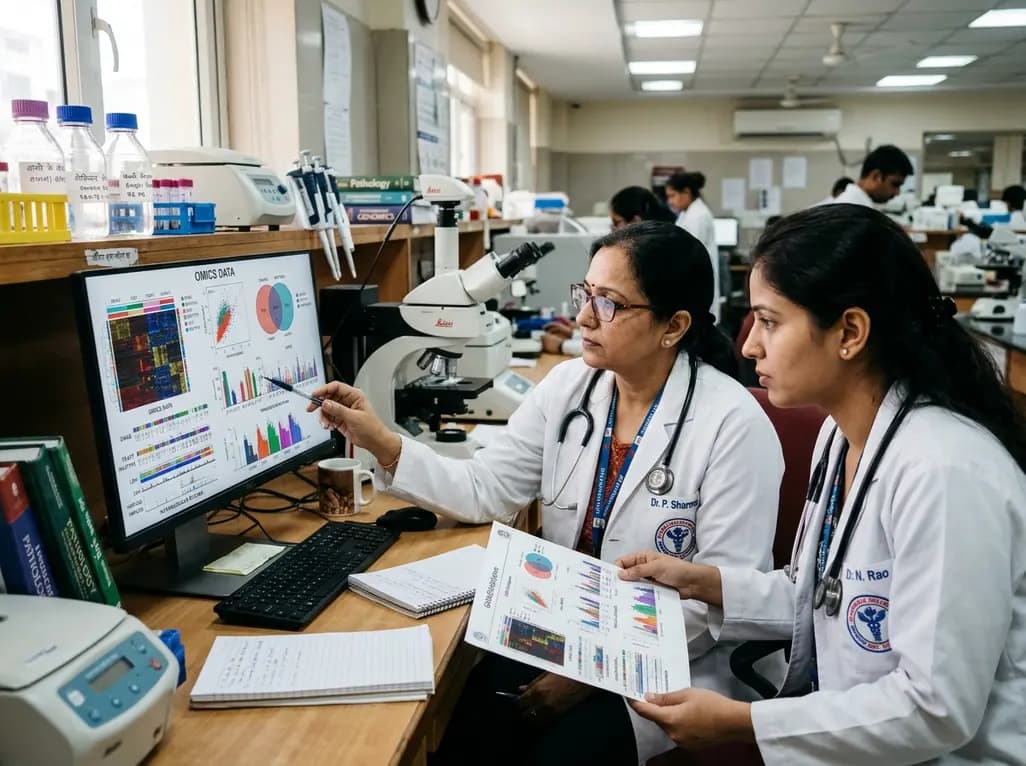
A multi-omic analysis reveals sporadic intramuscular myxoma comprises two molecularly distinct subtypes. GNAS-mutated lesions frequently carry TRAF7 mutations, whereas GNAS-wildtype tumors demonstrate striking genomic instability, loss of heterozygosity, and near-haploid features resembling DNHFN.
Today
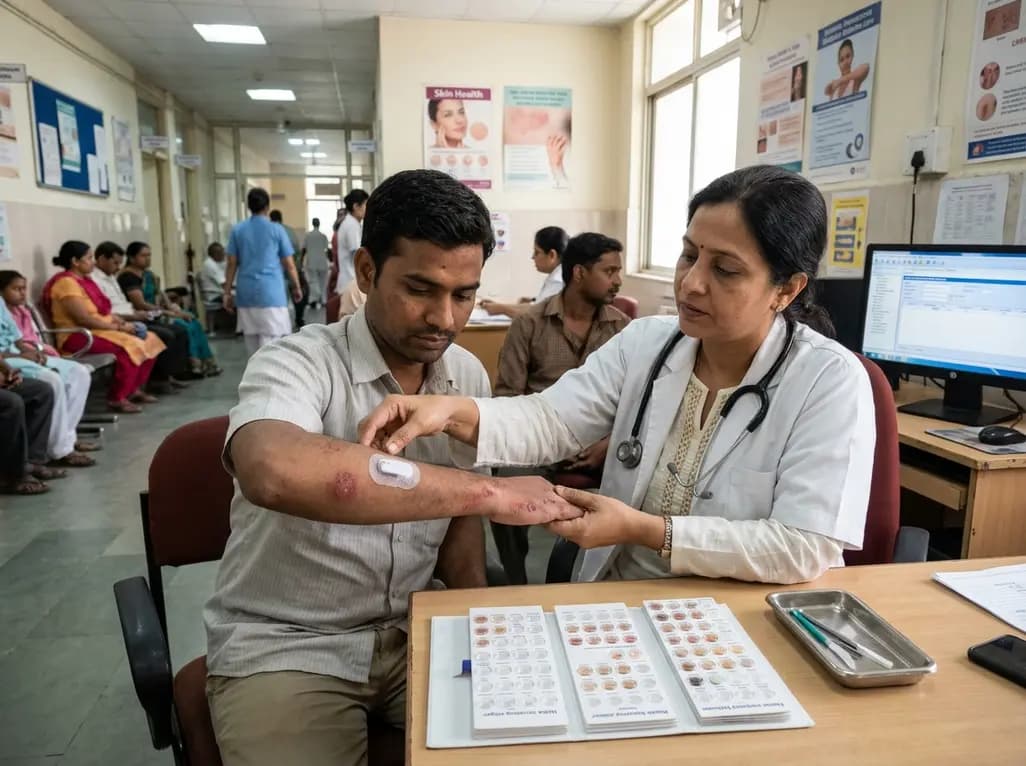
A study of 955 patients reveals that HEMA screening misses 39% of (meth)acrylate allergies, including 88% of cases linked to diabetes devices. Dermatologists must implement exposure-tailored patch test panels to accurately diagnose cosmetic and medical adhesive contact dermatitis.
Today
