

Loading, please wait...
Loading, please wait...
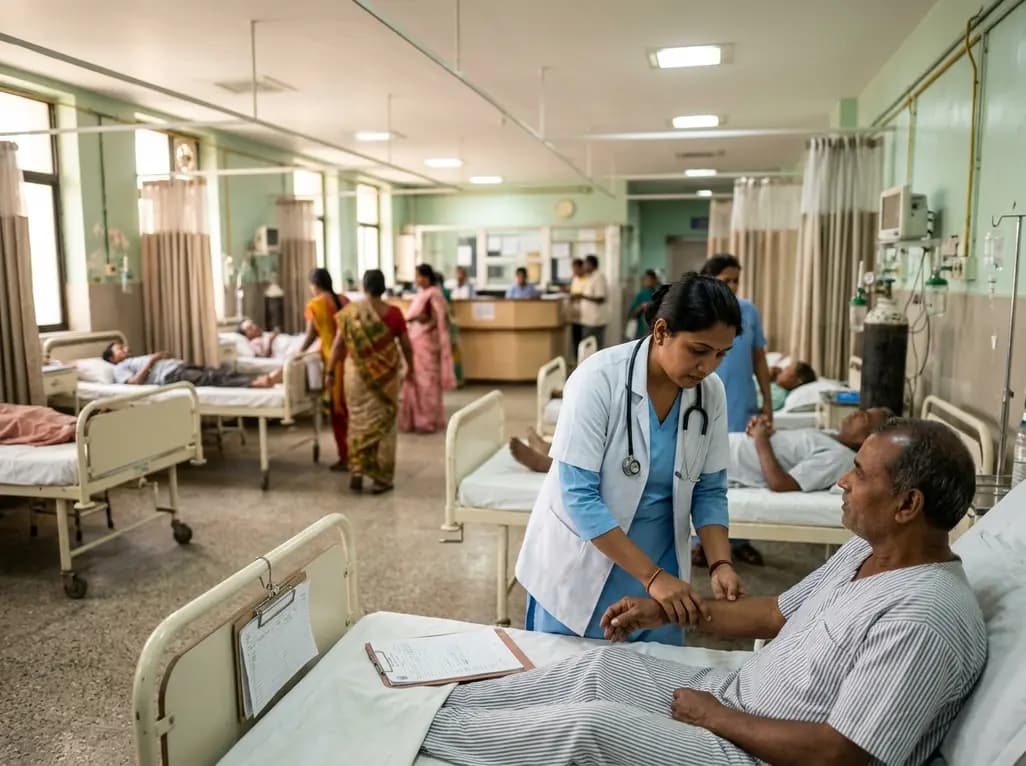
Accurate clinical bedside evaluation forms the cornerstone of proactive inpatient monitoring. However, contemporary acute care environments frequently reveal wide discrepancies between theoretical nursing training and routine bedside execution. A comprehensive international scoping review published in the Journal of Clinical Nursing highlights significant variations in how nurses deploy physical assessment skills across inpatient environments. While early detection of physiological deterioration prevents adverse events, ward nurses often limit their bedside examination routines. Understanding the structural determinants governing these practices is essential for physicians, hospital administrators, and nurse leaders striving to optimize patient safety.
The extensive scoping review evaluated seventy-five primary studies from twenty-five countries to map physical assessment practices. Most included investigations targeted general assessments, vital signs documentation, acute deterioration recognition, and delirium screening. Interestingly, the findings demonstrate that bedside nurses consistently prioritize visual inspection and core vital sign acquisition over comprehensive physical examination. Most clinicians readily inspect skin perfusion, measure respiratory rate, and monitor sensorium. Conversely, sophisticated evaluation techniques such as chest auscultation, abdominal palpation, and percussion remain distinctly uncommon during daily shifts. Therefore, patients experiencing early physiological decline might remain unflagged until vital signs display overt derangement. Furthermore, the systematic mapping revealed that nurses frequently treat assessment as a fragmented task rather than a cohesive diagnostic process. Consequently, subtle signs of clinical decompensation can go unrecorded during critical therapeutic windows. Addressing this disparity requires a clear understanding of daily bedside workflows.
Systemic hurdles consistently impede the routine execution of hands-on physical assessment techniques in acute wards. Specifically, overwhelming patient-to-nurse ratios, acute administrative workloads, and tight medication administration schedules severely restrict bedside interaction time. Furthermore, widespread availability of automated physiological monitors fosters an unintentional overreliance on digital parameters. Many nurses assume that electronic telemetry replaces the necessity of tactile and acoustic clinical examination. In addition to technical reliance, ward cultural dynamics profoundly dictate clinical behavior. When senior nursing colleagues or attending physicians do not explicitly expect detailed pulmonary auscultation notes, staff nurses omit these maneuvers. Moreover, role ambiguity often clouds clinical responsibilities in multidisciplinary environments. Many nurses believe that comprehensive cardiopulmonary examinations remain exclusively within the physician's diagnostic domain. Because of these persistent beliefs, advanced examination techniques languish despite formal curricular teaching. Addressing these behavioral patterns demands targeted institutional support.
The scoping review uncovered a critical methodological limitation within existing healthcare literature. Specifically, seventy-one percent of primary studies relied exclusively on subjective nurse self-reports, whereas eighty-two percent contained no direct clinical observation. Furthermore, only a single included study objectively evaluated the full spectrum of physical assessment skills via real-time observational validation. This methodological divergence introduces substantial social desirability bias into published findings. Healthcare personnel naturally tend to overreport assessment frequency and competence when completing self-administered surveys. Consequently, true bedside examination frequency might be far lower than literature suggests. For clinical directors and nurse educators, this finding delivers a vital lesson. Healthcare institutions cannot accurately measure assessment fidelity through retrospective documentation audits or surveys alone. Instead, clinical leadership must introduce standardized direct observational tools to objectively evaluate real-world practice patterns. Without rigorous observational metrics, hospital quality programs operate on incomplete baseline assumptions.
The structural challenges identified in the international review resonate strongly within the Indian hospital ecosystem. In Indian public hospitals and high-volume private facilities, high nurse-patient ratios present monumental operational hurdles. A single staff nurse frequently oversees ten to twenty medical-surgical patients, making detailed head-to-toe physical examinations logistically daunting. Furthermore, rapid turnover among bedside nurses and varied initial educational curricula create noticeable inconsistencies in clinical confidence. However, specialized certifications and structured bedside experience serve as powerful facilitators that increase bedside examination rates. In modern Indian intensive care units and emergency rooms, nurses often demonstrate superior physical assessment prowess because staffing ratios allow dedicated time. Therefore, the problem rarely represents an individual clinician deficit. Rather, it reflects systemic operational friction where acute workloads displace clinical assessment time. Recognizing these operational realities prevents leadership from imposing punitive measures on overburdened bedside staff.
Bridging the gap between assessment training and real-world execution requires multidimensional, systems-level intervention. Hospital management must transition from isolated classroom refresher courses toward integrated clinical workflows. First, healthcare facilities should introduce validated physical assessment frameworks directly into bedside charting sheets. When electronic medical records prompt specific auscultation and palpation data points, assessment compliance rises noticeably. Second, senior clinical nurse specialists and resident doctors should actively model bedside physical examination techniques during interdisciplinary morning rounds. Collaborative rounds validate the nurse's clinical voice and clarify shared clinical responsibilities. Third, hospitals must protect bedside time by streamlining redundant administrative documentation. By reducing clerical burdens, leadership restores the time necessary for detailed physical evaluation. Ultimately, empowering nurses to utilize comprehensive physical assessment skills ensures earlier clinical interventions, improves multidisciplinary communication, and significantly curtails preventable inpatient morbidity.
Acute care nurses frequently encounter high patient ratios, strict medication schedules, and heavy documentation duties that limit bedside time. Furthermore, prevailing unit cultures and unclear professional boundaries often lead nurses to perceive auscultation and percussion as strictly physician responsibilities. In addition, an overreliance on automated electronic monitors reduces perceived urgency to physically examine patients, causing advanced physical assessment skills to decline through lack of routine daily practice.
Automated electronic monitors provide essential continuous physiological data, but they capture only late signs of physiological compromise. When nurses rely exclusively on digital vital signs, they risk missing early tactile and acoustic indicators of clinical decompensation, such as bibasilar lung crackles or localized abdominal guarding. Consequently, technological tools should always complement rather than replace methodical bedside physical assessment skills during routine clinical rounds.
Hospitals must address underlying structural barriers rather than offering isolated educational seminars. Healthcare organizations can implement standardized assessment documentation templates, establish manageable nurse-patient staffing ratios, and reduce non-clinical clerical tasks. Furthermore, conducting interdisciplinary bedside rounds where physicians and senior nurse specialists actively model physical examination fosters a supportive clinical culture that encourages nurses to practice and document comprehensive physical findings regularly.
Disclaimer: This content is for informational and educational purposes only. It is not intended to substitute for professional medical advice, diagnosis, or treatment. Refer to the latest local and national guidelines for clinical practice.
References

Read summarized clinical updates, watch expert medical content, and earn CME certifications right from your smartphone.
Open your smartphone camera to scan and install.





A comprehensive scoping review of 75 studies across 25 countries reveals that acute care nurses rely heavily on inspection and vital signs while rarely performing auscultation. Organizational barriers like high workload drive these deficits, underscoring the urgent need for systemic reform rather than education alone.
Today

A qualitative study highlights the unaddressed emotional hurdles and role uncertainty faced by men during the transition to fatherhood, calling for father-inclusive perinatal care and tailored digital health support.
Today
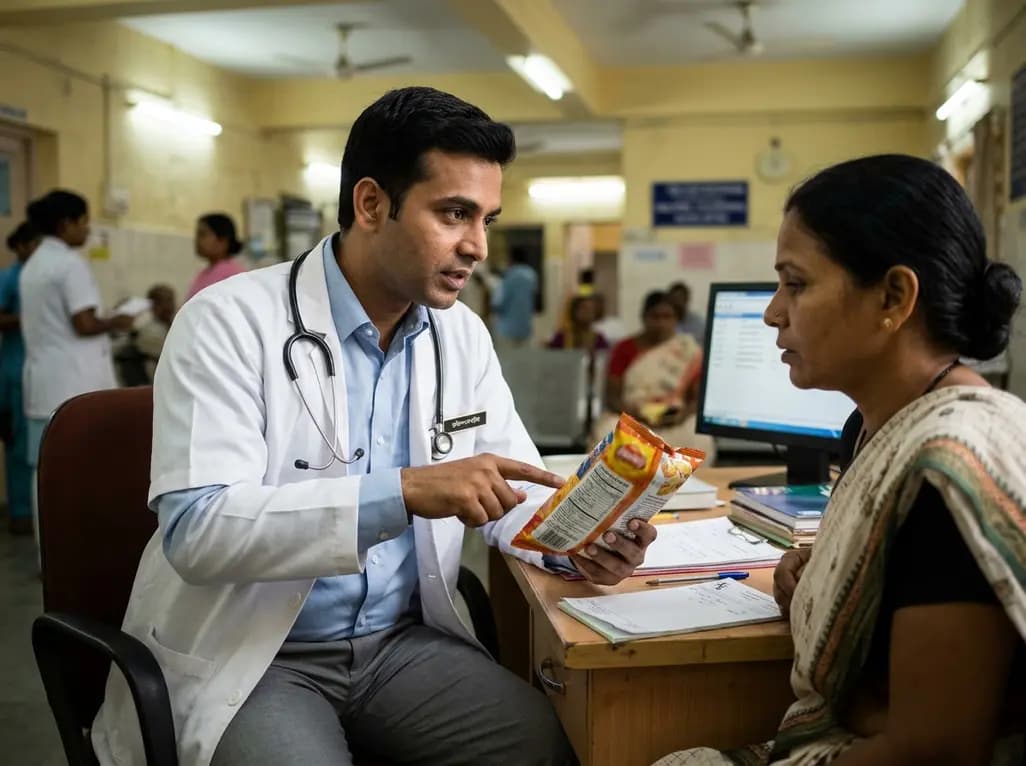
In a landmark public health ruling, the Supreme Court ordered the FSSAI to finalize strict front-of-pack warning rules within four months. Food companies must adopt separate red hexagonal symbols for high sugar, saturated fat, and salt within one year, advancing preventive medicine and patient dietary awareness.
Today
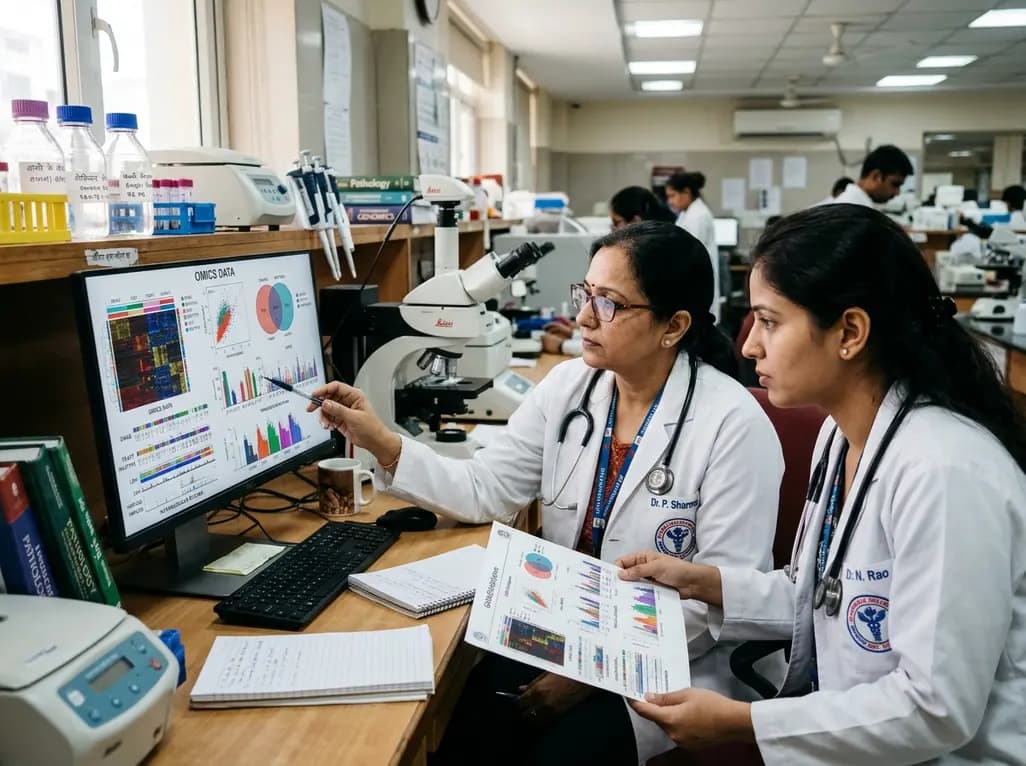
A multi-omic analysis reveals sporadic intramuscular myxoma comprises two molecularly distinct subtypes. GNAS-mutated lesions frequently carry TRAF7 mutations, whereas GNAS-wildtype tumors demonstrate striking genomic instability, loss of heterozygosity, and near-haploid features resembling DNHFN.
Today
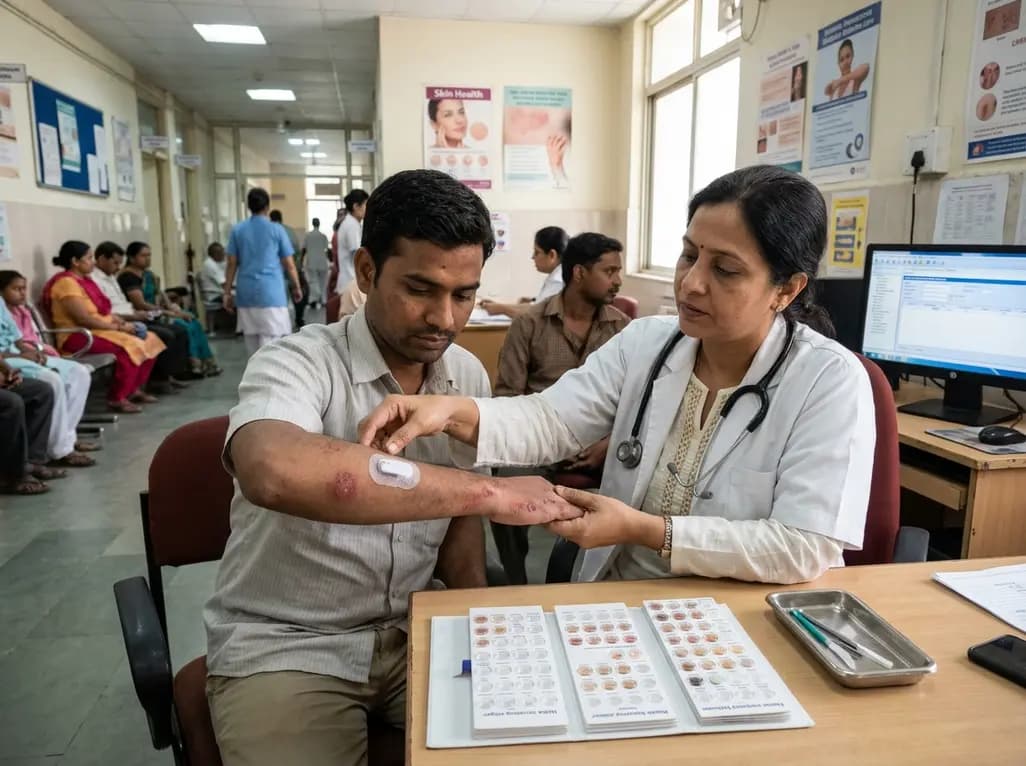
A study of 955 patients reveals that HEMA screening misses 39% of (meth)acrylate allergies, including 88% of cases linked to diabetes devices. Dermatologists must implement exposure-tailored patch test panels to accurately diagnose cosmetic and medical adhesive contact dermatitis.
Today
