.webp&w=384&q=75)

Loading, please wait...
Loading, please wait...
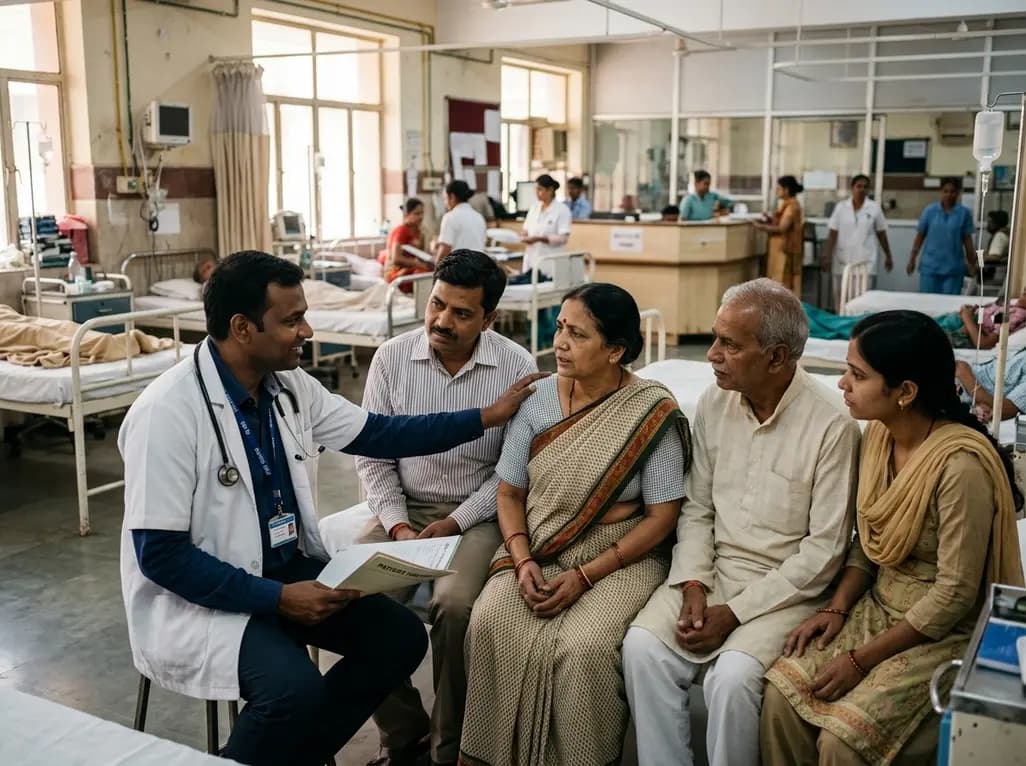
Modern patient-centered care continuously balances individual autonomy with collaborative support systems. In contemporary practice, medical decision making frequently intersects with family dynamics, interpersonal relationships, and cultural values. While clinical frameworks champion personal autonomy and direct physician-patient communication, the degree to which patients invite their relatives into clinical choices varies significantly. A study published in Medical Decision Making by Yakhlaf and colleagues evaluated a national probability sample of 1,175 individuals to analyze how clinical vignettes and sociodemographic variables determine preferences for family participation.
Historically, healthcare systems have evolved from paternalistic models toward autonomous and shared deliberation. The findings from Yakhlaf and colleagues demonstrate that autonomous, patient-led choices remain the dominant preference across distinct clinical presentations. Specifically, when presented with hypothetical illness scenarios, the vast majority of participants preferred to direct their own clinical journey rather than delegate authority to relatives. In skin cancer scenarios, 77.4% favored patient-led decisions, while 70.9% favored patient-led choices in severe depression and 81.0% in mild depression.
Conversely, completely family-led decision making was remarkably rare across all tested conditions. Only 1.2% of respondents favored family-directed choices for skin cancer, 1.4% for mild depression, and 2.7% for severe depression. Consequently, clinicians must recognize that while patients frequently welcome emotional and practical support from loved ones, very few wish to relinquish their fundamental decision-making agency. Therefore, medical teams must default to engaging the patient directly while actively assessing their individual desire for collaborative family input during consultations.
The nature and perceived severity of an illness substantially shape how individuals approach medical decision making. In the study, collaborative deliberation—where patients and relatives make medical decisions together—fluctuated depending on the diagnostic context. Joint decision making was most frequently preferred in cases of severe depression at 26.4%, followed by skin cancer at 21.4%, and mild depression at 17.6%.
These variations highlight how clinical vulnerability and cognitive distress alter a patient's reliance on relational support. Severe psychiatric distress often introduces significant emotional and cognitive burdens, prompting individuals to seek trusted family members to share the weight of complex therapeutic choices. Similarly, an oncology diagnosis carries profound emotional weight and prognostic uncertainty, which naturally fosters collaborative family discussions. In contrast, mild depression may be viewed as manageable through personal agency or confidential professional therapy. Clinicians should therefore recognize that medical decision making is highly contextual, requiring ongoing recalibration as the clinical severity or diagnostic category shifts during treatment.
Beyond the clinical diagnosis itself, sociodemographic and cultural factors exert a profound influence on communication preferences. The study revealed that living with a partner and having a migration background—whether European or non-European—were consistently associated with a stronger preference for family involvement. Relational living arrangements naturally integrate domestic partners into daily healthcare discussions, making collaborative medical choices a natural extension of shared life management.
Furthermore, cultural traditions and migration histories often foster collectivist values that emphasize familial interdependence over strict individual autonomy. Religious affiliation also demonstrated a noticeable impact. Respondents identifying as Christian exhibited significantly stronger preferences for family involvement in both cancer and severe depression scenarios compared to nonreligious or liberal respondents. In contrast, higher educational attainment correlated with weaker preferences for family involvement, particularly in the cancer vignette. Highly educated individuals frequently exhibit greater health literacy and self-efficacy, driving them toward independent deliberation. Consequently, healthcare providers must avoid assuming universal communication norms across diverse patient populations.
In routine clinical practice, navigating family dynamics requires a nuanced understanding of relational autonomy. Relational autonomy acknowledges that individuals develop values, assess risks, and make life choices within the context of their social relationships. While legal and regulatory frameworks protect individual informed consent, clinical reality often involves family members acting as advocates, informal caregivers, and emotional anchors.
However, clinicians must remain vigilant to distinguish between supportive collaboration and undue influence. When relatives participate in consultations, physicians must ensure that the patient's authentic voice remains central to every clinical decision. Clinicians should proactively assess whether the patient feels empowered or constrained by familial presence during discussions. By creating private moments during consultations, doctors can verify whether the patient's choices genuinely reflect their personal values. Thus, respecting relational autonomy does not mean compromising individual rights; rather, it requires creating a safe space where patients can leverage familial support while retaining ultimate control over their care plans.
To implement these findings effectively, healthcare professionals should adopt systematic, flexible communication protocols that accommodate individual heterogeneity. Clinicians should avoid making assumptions based solely on a patient's age, diagnosis, or cultural background. Instead, physicians should explicitly ask every patient early in the consultation process how they prefer to involve family members in medical decision making.
First, clinicians can use open-ended inquiries such as, 'How would you like your family to be involved in discussions about your treatment options?' This simple question empowers the patient to set clear boundaries from the outset. Second, healthcare teams should document these preferences clearly in the electronic health record to ensure continuity across multidisciplinary teams. Third, when treating complex illnesses such as advanced malignancies or severe mood disorders, physicians should anticipate evolving needs and periodically re-evaluate decision-making preferences. By maintaining proactive communication and cultural humility, clinicians foster trusting therapeutic alliances that enhance treatment adherence, patient satisfaction, and clinical outcomes.
Illness severity significantly increases the likelihood that patients will desire collaborative decision making. As demonstrated in severe depression and cancer scenarios, higher clinical complexity and emotional distress lead patients to rely more heavily on trusted relatives. Sharing the decisional burden helps alleviate cognitive overload and provides psychological comfort during stressful therapeutic evaluations.
Cultural norms and migration backgrounds often emphasize collectivism, familial cohesion, and interdependent decision making rather than strict Western individualism. Patients from these backgrounds may view health management as a shared family responsibility. Consequently, incorporating family members into clinical consultations aligns with their core values and improves overall satisfaction with care.
Physicians must prioritize the competent patient's autonomous choices while maintaining compassionate, open communication with the family. Clinicians should offer dedicated time to address family concerns, clarify clinical rationales, and resolve misunderstandings. If irreconcilable conflicts persist, the healthcare team must uphold the patient's informed consent and legal rights.
Disclaimer: This content is for informational and educational purposes only and does not constitute medical advice, diagnosis, or treatment. Always consult qualified healthcare professionals for clinical decision-making. The views expressed here reflect current medical understanding and literature but should not supersede professional judgment or institutional protocols. Refer to the latest local and national guidelines for clinical practice.
References
1. Yakhlaf A et al. Determinants of Preferences for Family Involvement in Medical Decision Making: A Vignette-Based Study on a Subsample of The Social Study in Belgium. Med Decis Making. 2026 Aug 20. doi: 10.1177/0272989X261474822. PMID: 42619564.
2. Charles C, Gafni A, Whelan T. Decision-making in the physician-patient encounter: revisiting the shared treatment decision-making model. Soc Sci Med. 1999;49(5):651-661.
3. Clayman ML, Galvin EC, Hauser JM. Family involvement in medical decision making: An overview of dynamic and complex role negotiations. Health Expect. 2017;20(4):768-778.

Read summarized clinical updates, watch expert medical content, and earn CME certifications right from your smartphone.
Open your smartphone camera to scan and install.





A vignette-based study evaluates patient preferences for family involvement in medical decision making across cancer and depression, highlighting the critical roles of autonomy and sociodemographics.
last month
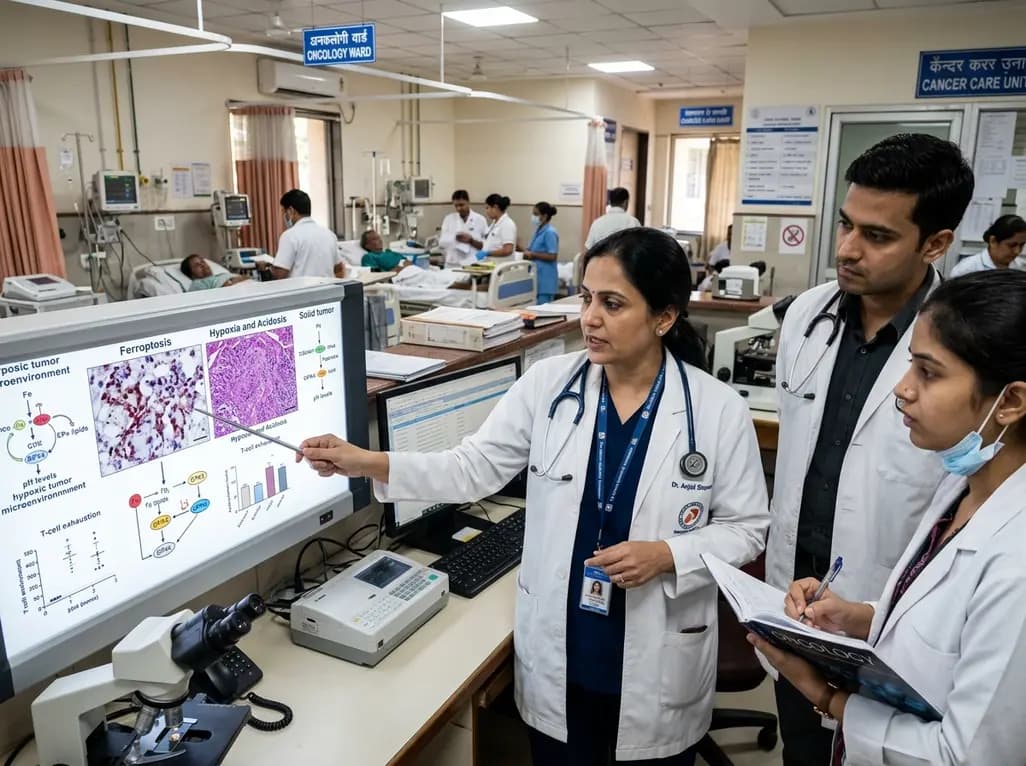
Targeting ferroptosis provides a compelling strategy to dismantle hypoxia- and acidosis-driven immunosuppression in solid tumors, enhancing response to modern immunotherapy.
Today

Findings from Project Viva indicate that sustained postpartum weight retention, rather than excessive gestational weight gain alone, directly worsens women's mid-life cardiovascular health, degrading blood pressure and glycemic parameters decades after delivery.
Today
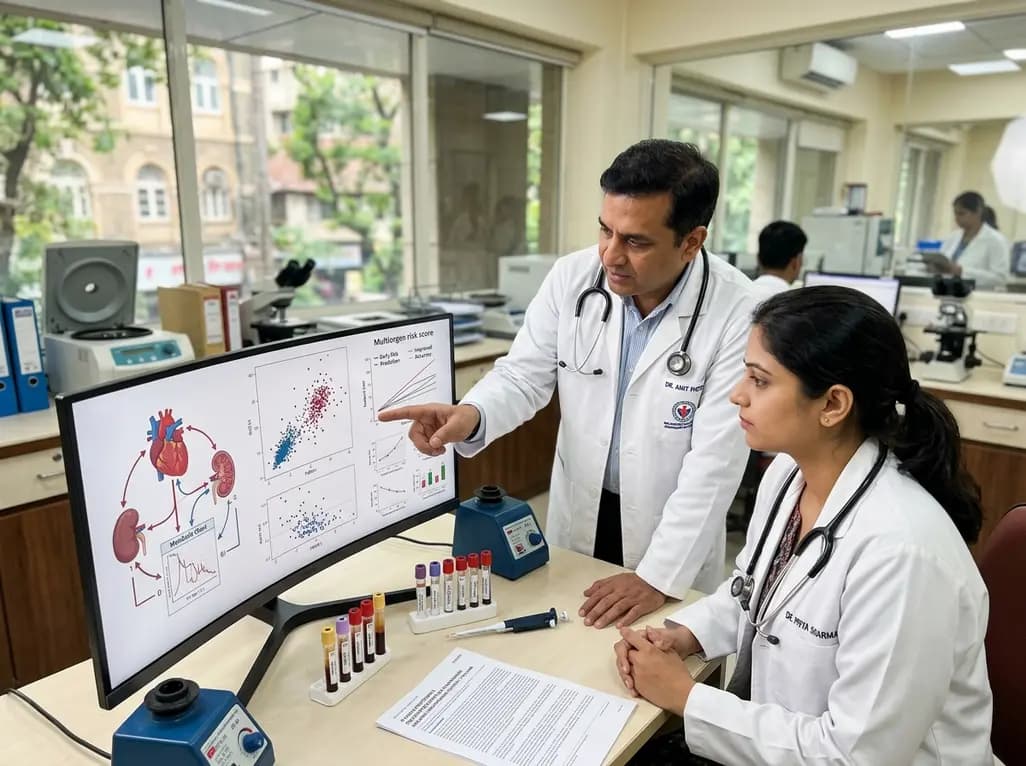
A large UK Biobank study reveals that plasma proteomic signatures capture preclinical organ damage and improve multiorgan risk prediction across early CKM syndrome stages 0 to 2 beyond traditional PREVENT clinical models.
Today

A retrospective CBCT study reveals that superior TMJ space asymmetry correlates moderately with occipital condyle-atlas-axis asymmetry in unilateral TMJ osteoarthritis, highlighting an imaging correlate between jaw biomechanics and upper cervical alignment rather than a standalone diagnostic marker.
Today

A Bayesian multilevel meta-analysis reveals that aerobic training combined with moderate carbohydrate restriction modestly lowers HbA1c in type 2 diabetes. However, sparse data and very low certainty leave incremental benefits over exercise or diet alone unproven, highlighting the need for individualized care.
Today
